Are you thinking about AgTech for your business? Not sure where to start or what questions to ask? Move your AgTech decisions forward with confidence, with the right questions.
The needs of each agricultural business are unique, and an AgTech system that works well for one, may not work well for another. These questions can help determine your individual needs and resources when evaluating different AgTech systems.
By thinking about these questions, producers can gain a clear understanding of what they are investing in and ensure that the agtech system they choose is the right fit for their operation. Moreover, it can help identify potential challenges and set up for successful integration and operation of the system.
1. What are the benefits? How many hours of labour will this tool save me? How many extra kg’s of beef, grass or grain might I generate with data informed decisions? Does it address one of my biggest pain points or challenges? How long will it take to see the benefits?
2. What are the system specifications? What are the technical capabilities of the system, the nature of data it collects, and its operational requirements? How easy is it to use? Are there any safety considerations?
3. How does the system communicate? What are the connectivity requirements? How does the system transmit data? Do I know the connectivity options available at the site?
4. What level of support is provided? What customer support, maintenance services, and training is provided? Can I install it myself or is professional installation required? How long will it take to set up?
5. How does it interact with other technologies? Understand the system’s compatibility with other AgTech technologies driving toward an interconnected farm management system. How will it integrate with my existing practices?
6. What is the pricing structure? Does that include installation costs, ongoing service fees of subscription fees, and costs associated with future updates?
7. Product Maturity? Is it a new product that might have some teething issues, or is it tried and tested? Has it been trialed in my region or similar environments.
8. Data Management? How will my data be managed, stored, and shared? Who owns the data? How secure is it?
Building on this work, a new series was created to showcase the experiences of women who have built successful, long-term careers in the agricultural sector in North Queensland, aiming to broaden the sector’s appeal and showcase its diversity.
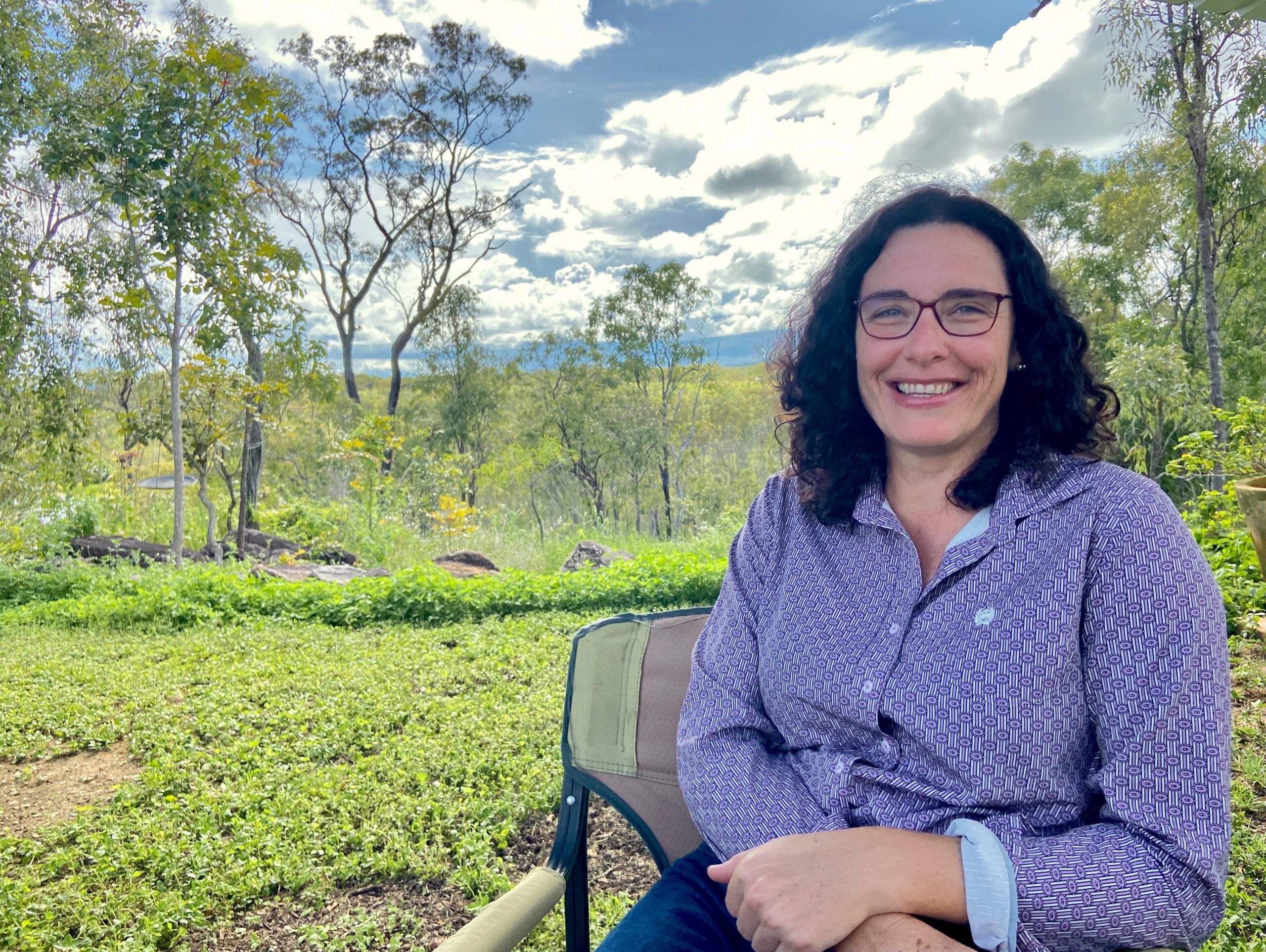
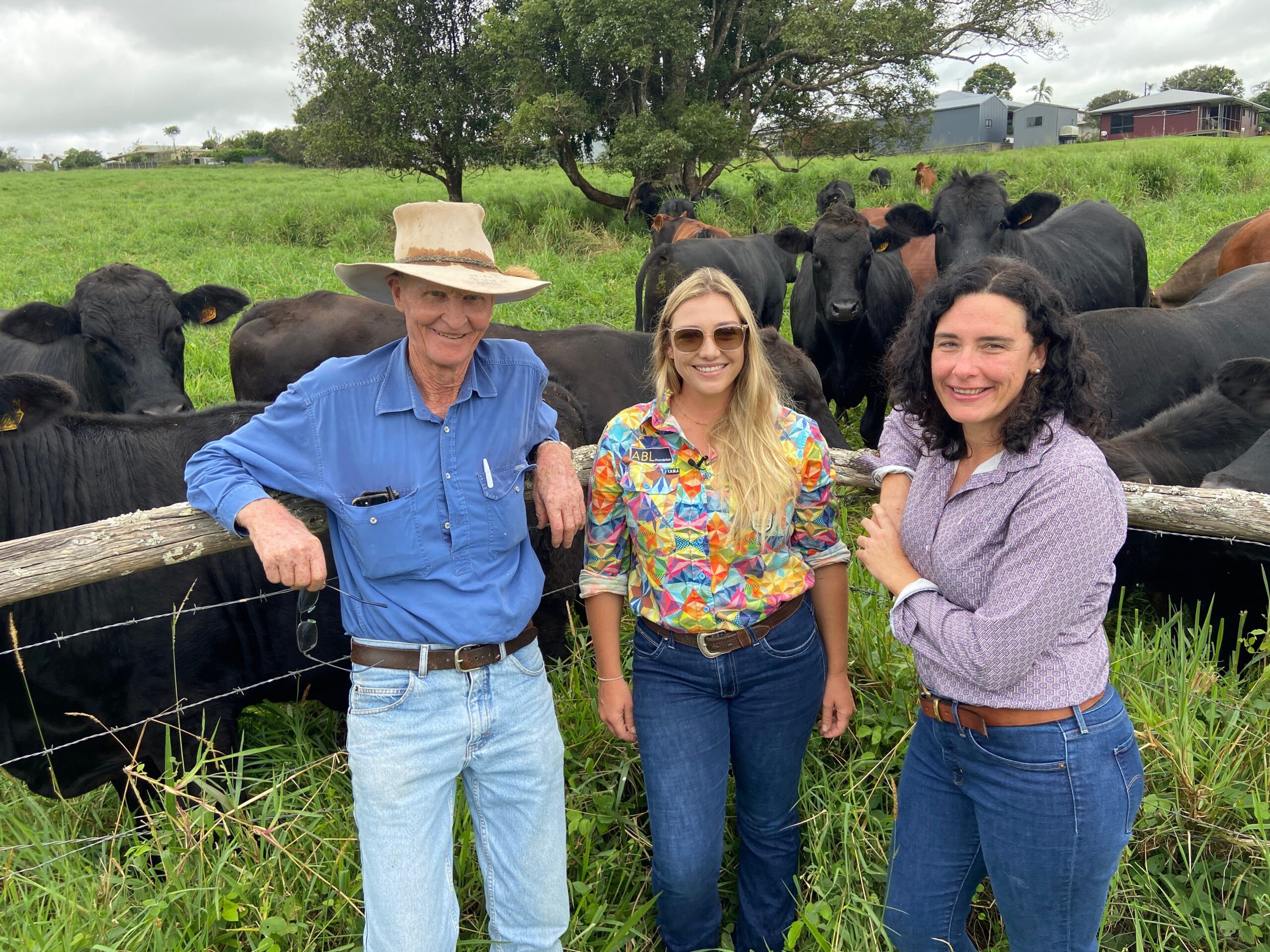
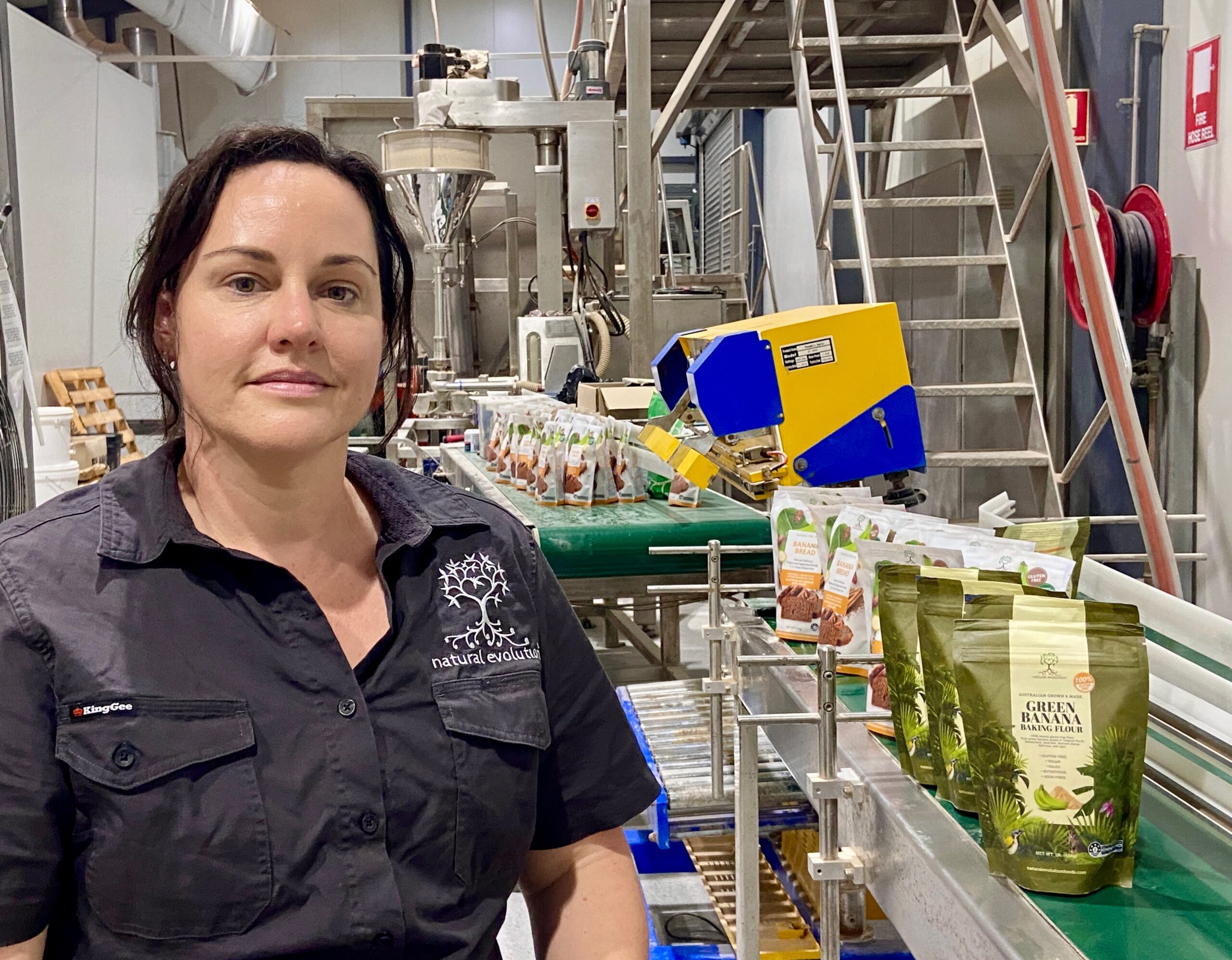
Two industry leaders, Krista Watkins, Founder and Co-Director of Natural Evolution, and Alison Larard, Rural Financial Counsellor and Director of the Advancing Beef Leaders Foundation, were interviewed. Together, their journeys reflect the breadth of possibility across agribusiness, entrepreneurship, resource management, and leadership.
Why This Matters
The agricultural industry faces ongoing workforce shortages, with businesses across the sector working hard to attract and retain talent. Encouraging more women to explore careers in agriculture is critical to building a skilled, diverse, and resilient workforce.
By sharing the real stories of Krista and Alison, this series raises awareness of the vast career opportunities available locally in North Queensland. Their insights demonstrate that agriculture is not just about farming—it’s about innovation, leadership, sustainability, and community. The videos aim to spark interest among women considering their career pathways, while strengthening current and future talent pipelines.
What We Did
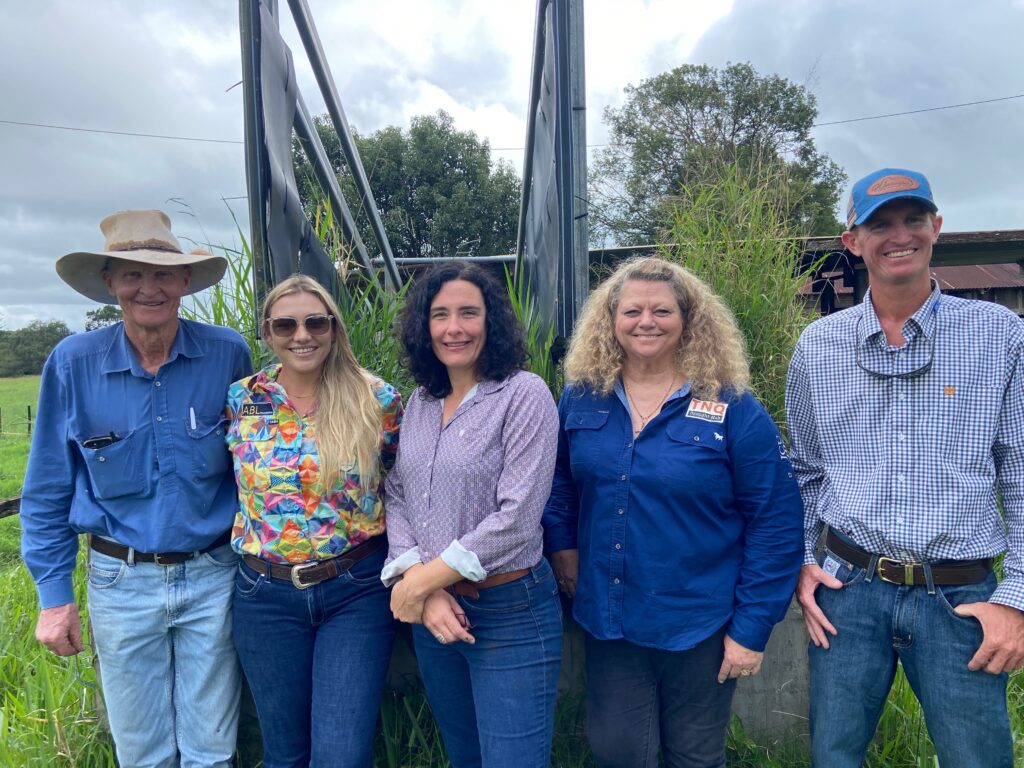
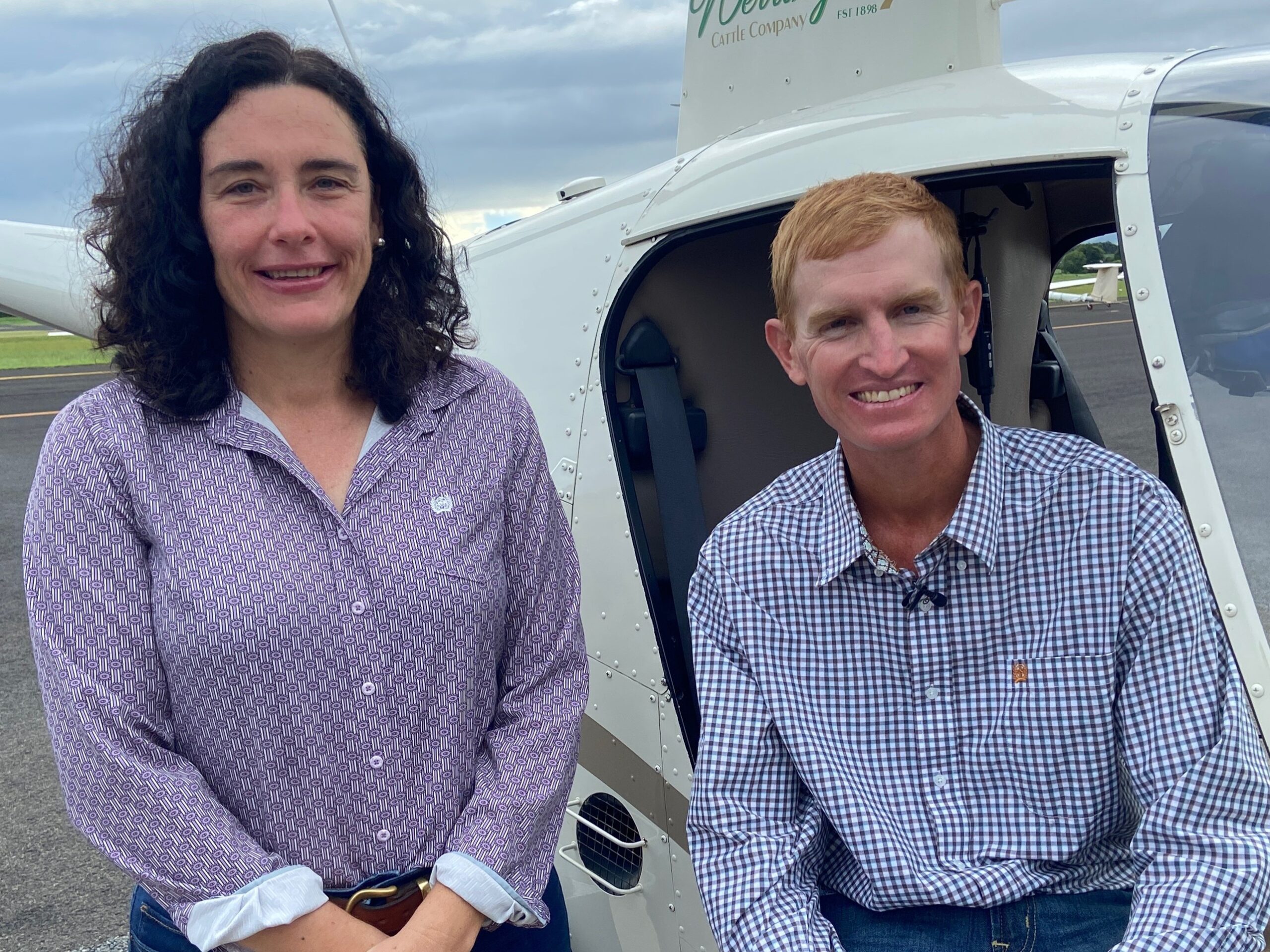
The TNQ Drought Hub conducted a series of informative, on-location interviews with Krista and Alison. Filmed in their workplaces, the conversations revealed their career drivers, personal passions, and the lessons they have learned through experience.
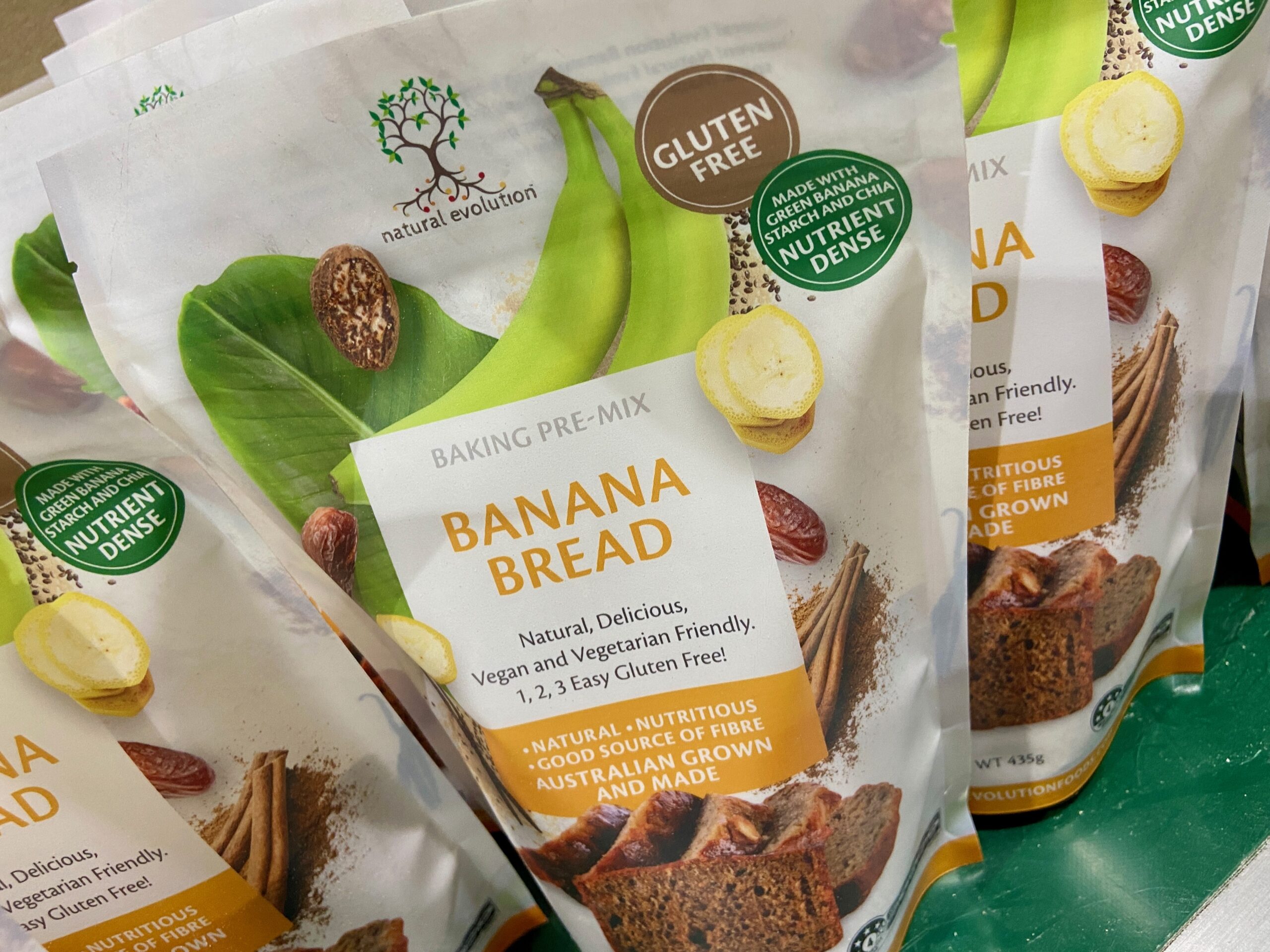
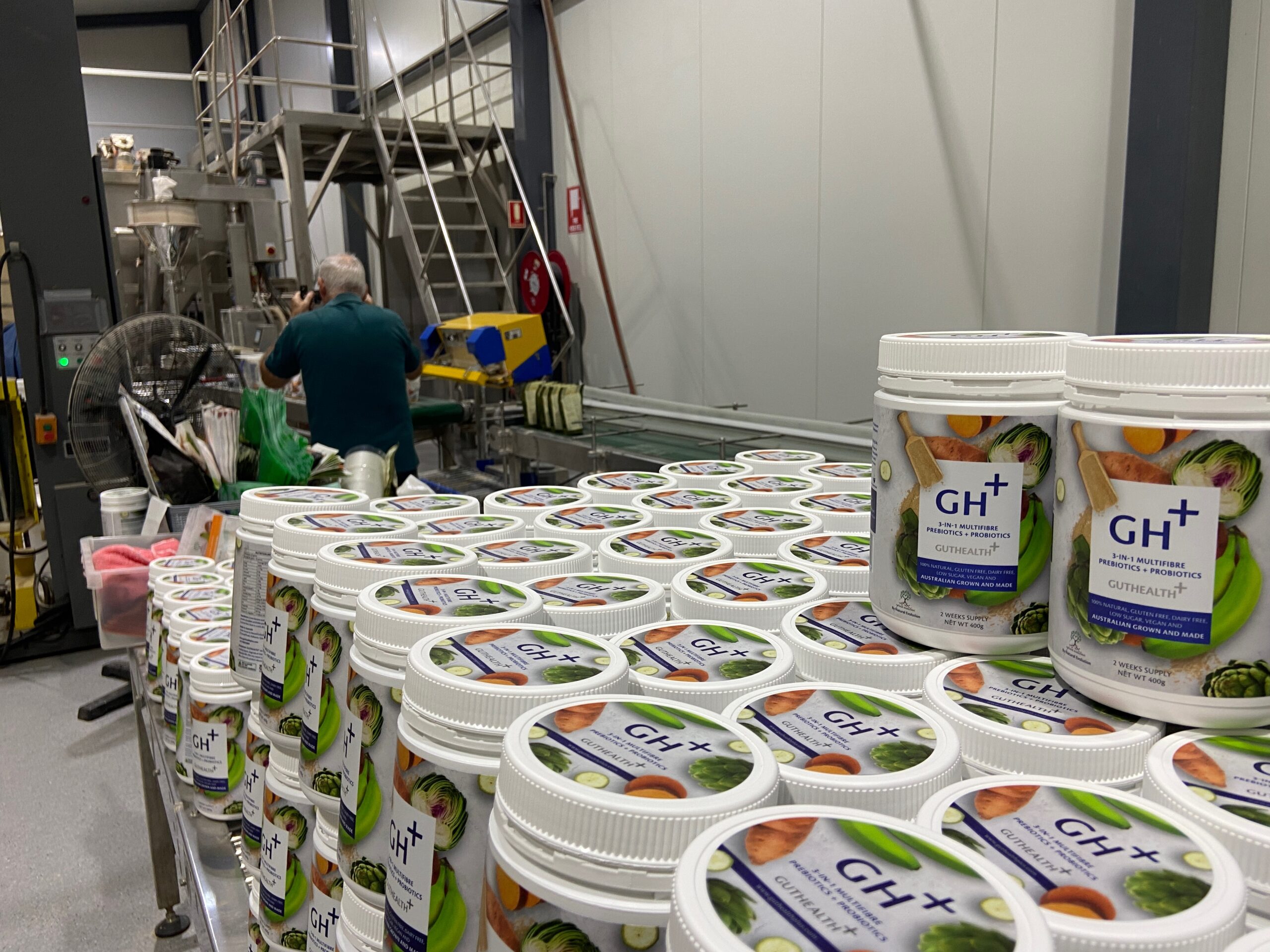
Krista spoke about her entrepreneurial journey building Natural Evolution, a globally recognised leader in banana flour and resistant starch innovation. Alison shared her extensive experience in leadership, resource management, and capacity building across agribusiness, with a focus on developing future leaders through mentoring and governance.
Both emphasised the importance of resilience and innovation, alongside their commitment to supporting the next generation in agriculture. Six videos were produced for each participant, capturing insights designed to inspire, inform, and encourage more women to see themselves in agricultural careers.
Their stories are a testament to the power of passion and purpose in shaping a successful career in agriculture.