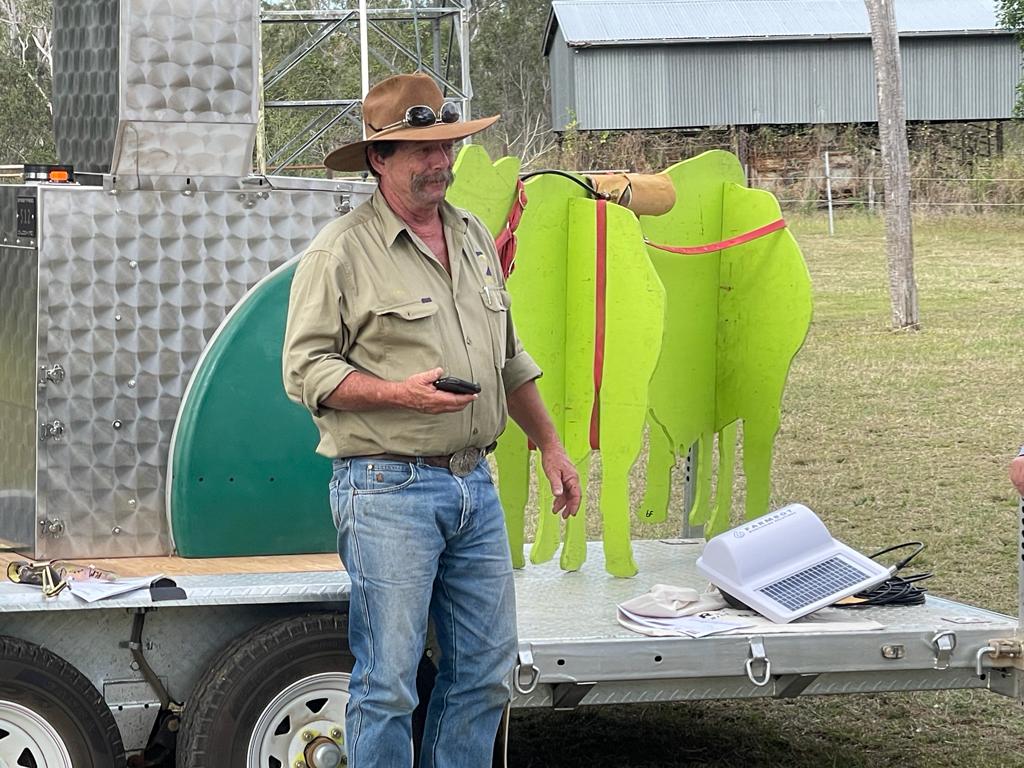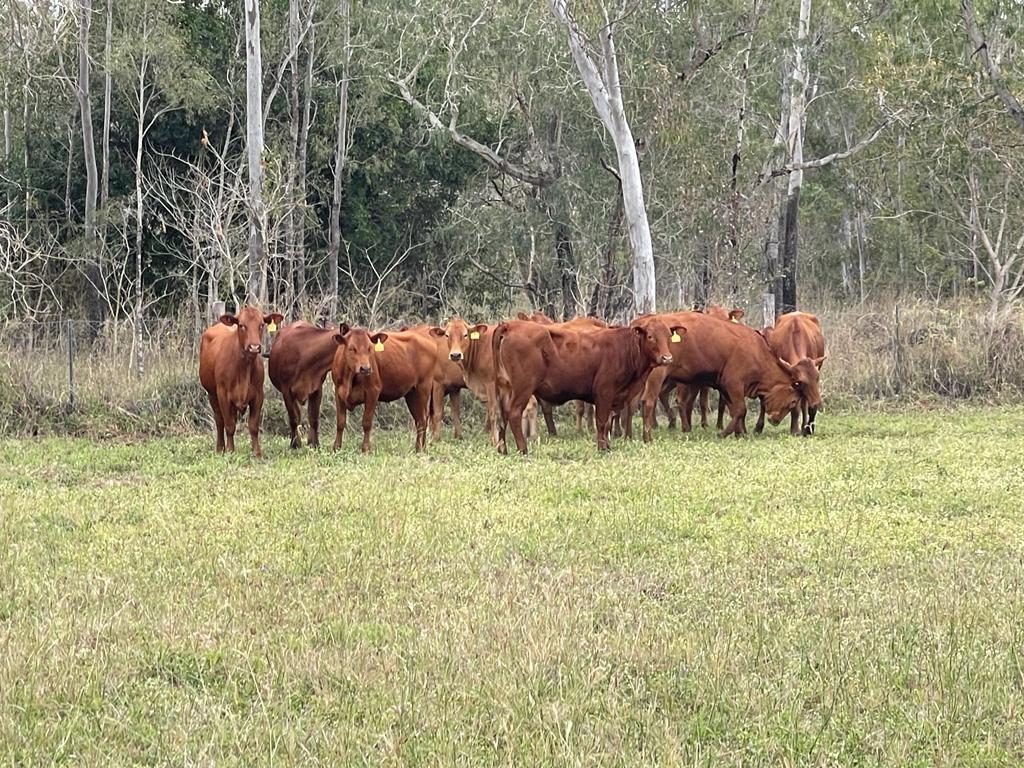


Two types of technology trials were carried out on-farm.
Background
Establishing pregnancy status in cattle is critical for reproductive efficiency and profitability in beef and dairy production. However, current methods like manual rectal palpation and ultrasound require a veterinarian or qualified technician, making early pregnancy detection challenging, particularly in remote Northern systems.
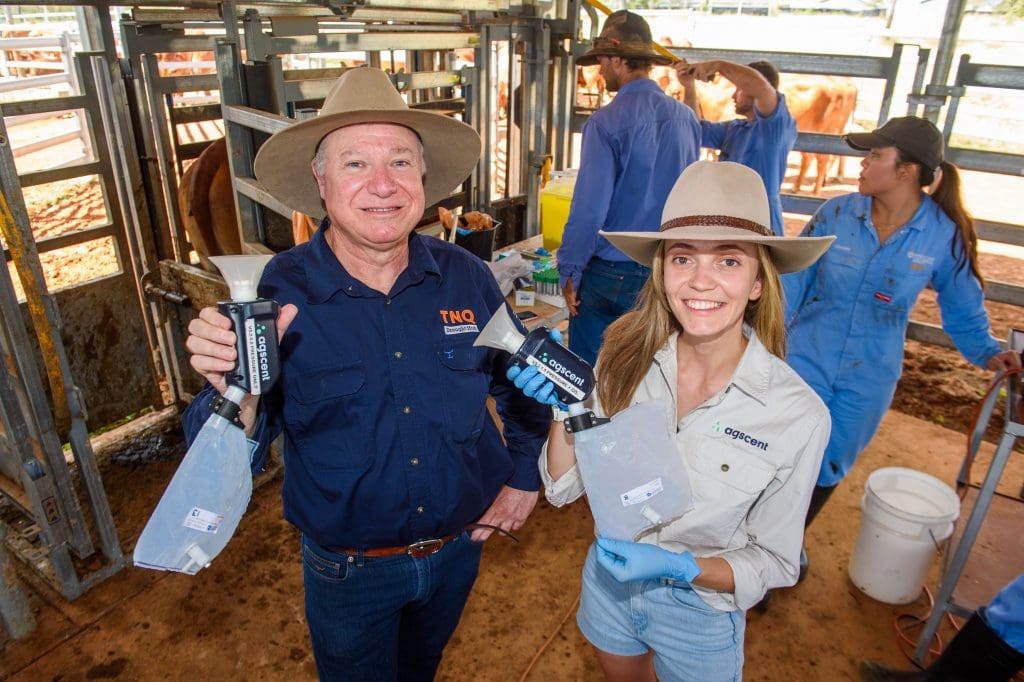
Agscent, in collaboration with the TNQ Drought Hub, conducted trials to test its Breath Pregnancy Diagnostics device in tropical Northern conditions.
The device, which has identified pregnancy biomarkers through breath sampling, aims to offer producers a more accessible, non-invasive, and cost-effective alternative to traditional methods.
Why This Matters
Pregnancy testing is a fundamental tool for managing reproductive efficiency, herd health, and informed decision-making in cattle production. Early, accurate pregnancy detection enables producers to optimise calving rates, manage nutrition for breeding and non-breeding animals, and make timely decisions around herd management to improve productivity and sustainability. This is particularly important in Northern grazing systems where environmental variability and labour limitations make efficient herd management critical for long-term resilience and drought preparedness.
What We Did
Over two days, the Agscent device was tested across two different grazing enterprises, with the focus on:
What Changed
Opportunities for Improvement

Background
In a collaboration between the University of Tasmania, the Tropical North Queensland Drought Hub, and Queensland Department of Agriculture and Fisheries (QDAF), innovative “Optical Dendrometers” were trialed on mango trees to monitor water potential under the challenging tropical conditions of North Queensland. While this technology had been used in temperate climates, its suitability in tropical horticulture systems had never been explored.
Ryan Orr, Senior Horticulturist, QDAF was overseeing a long-term mango trial site with over a decade of tree physiology data and saw an opportunity to improve irrigation practices.
Understanding water availability in trees is crucial, as it affects growth rates, heat stress susceptibility, and fruit quality—particularly during heatwaves, when trees can rapidly dehydrate despite sufficient irrigation.
What We Did
The optical dendrometers were deployed for two months during fruit development, capturing how mango trees responded to heatwave conditions. This provided detailed insights into dehydration patterns and water movement in the trees, helping to refine irrigation strategies to protect both tree health and fruit quality.
What Changed
Opportunities for Improvement
Background
Northern Australia’s cattle systems face persistent drought and climatic variability, challenging traditional management practices. This project explored the integration of multiple AgTech systems, including water monitoring, livestock tracking, feed budgeting and data aggregation tools to enhance drought resilience and decision-making.
The trial was part of a broader initiative to test and demonstrate the value of integrating several farm management software platforms into a single interface to streamline data access and improve decision-making.
There were four sites activated across Queensland including James Cook University’s Fletcherview Research Station and CQ University’s Belmont Research Station, running from 3 – 12 months.
Why This Matters
The integration of AgTech offers a transformative opportunity to address the challenges posed by climatic variability, labour constraints and natural resource management by enabling real-time, data-driven decisions.
These tools can help:
Together, these technologies empower graziers to make proactive, data-driven decisions that enhance sustainability, reduce costs, and build resilience against drought and other environmental pressures.
What We Did
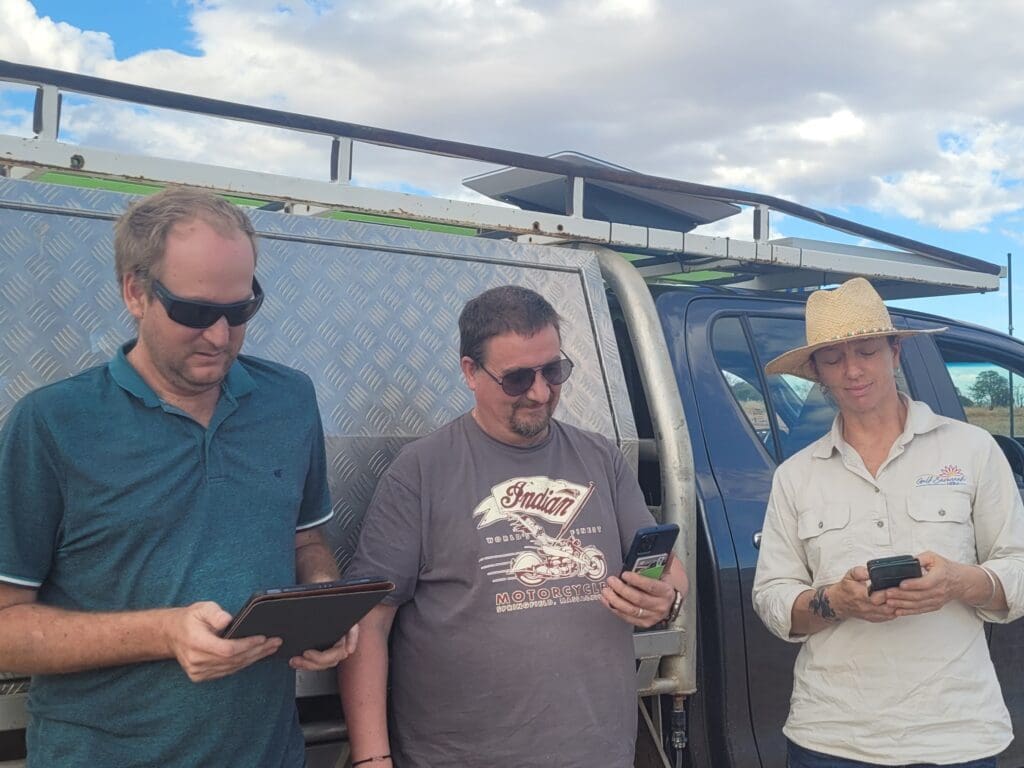
The project involved a multi-faceted deployment of different AgTech systems across the four properties in partnership with researchers, station managers and the TNQ Drought Hub. The technologies chosen for each property were based on the type of business, staff, connectivity and specific challenges they faced.
Water monitoring technologies were prioritised early in the project, with Farmbot systems installed on tanks and Water Rat sensors deployed in troughs. Systems were selected for their ease of installation, reliability, and ability to deliver actionable alerts via SMS and email, ensuring timely responses to water shortages.
Tracking technologies including Ceres Tag, Smart Paddock Bluebell and Moovement were fitted on livestock to provide valuable data on cattle movement and behaviour. Feed monitoring was initiated using Cibo Labs, which leverages satellite imagery and on-ground data to estimate feed availability and support grazing decisions.
To integrate these technologies, the PairTree aggregation platform was established to consolidate data from multiple sources into a single, user-friendly dashboard.
Together, these technologies empower graziers to make proactive, data-driven decisions that enhance sustainability, reduce costs, and build resilience against drought and other environmental pressures.
What We Did
The project involved a multi-faceted deployment of different AgTech systems across the four properties in partnership with researchers, station managers and the TNQ Drought Hub. The technologies chosen for each property were based on the type of business, staff, connectivity and specific challenges they faced.
Water monitoring technologies were prioritised early in the project, with Farmbot systems installed on tanks and Water Rat sensors deployed in troughs. Systems were selected for their ease of installation, reliability, and ability to deliver actionable alerts via SMS and email, ensuring timely responses to water shortages.
Tracking technologies including Ceres Tag, Smart Paddock Bluebell and Moovement were fitted on livestock to provide valuable data on cattle movement and behaviour. Feed monitoring was initiated using Cibo Labs, which leverages satellite imagery and on-ground data to estimate feed availability and support grazing decisions.
To integrate these technologies, the PairTree aggregation platform was established to consolidate data from multiple sources into a single, user-friendly dashboard.
What Changed
Opportunities for Improvement