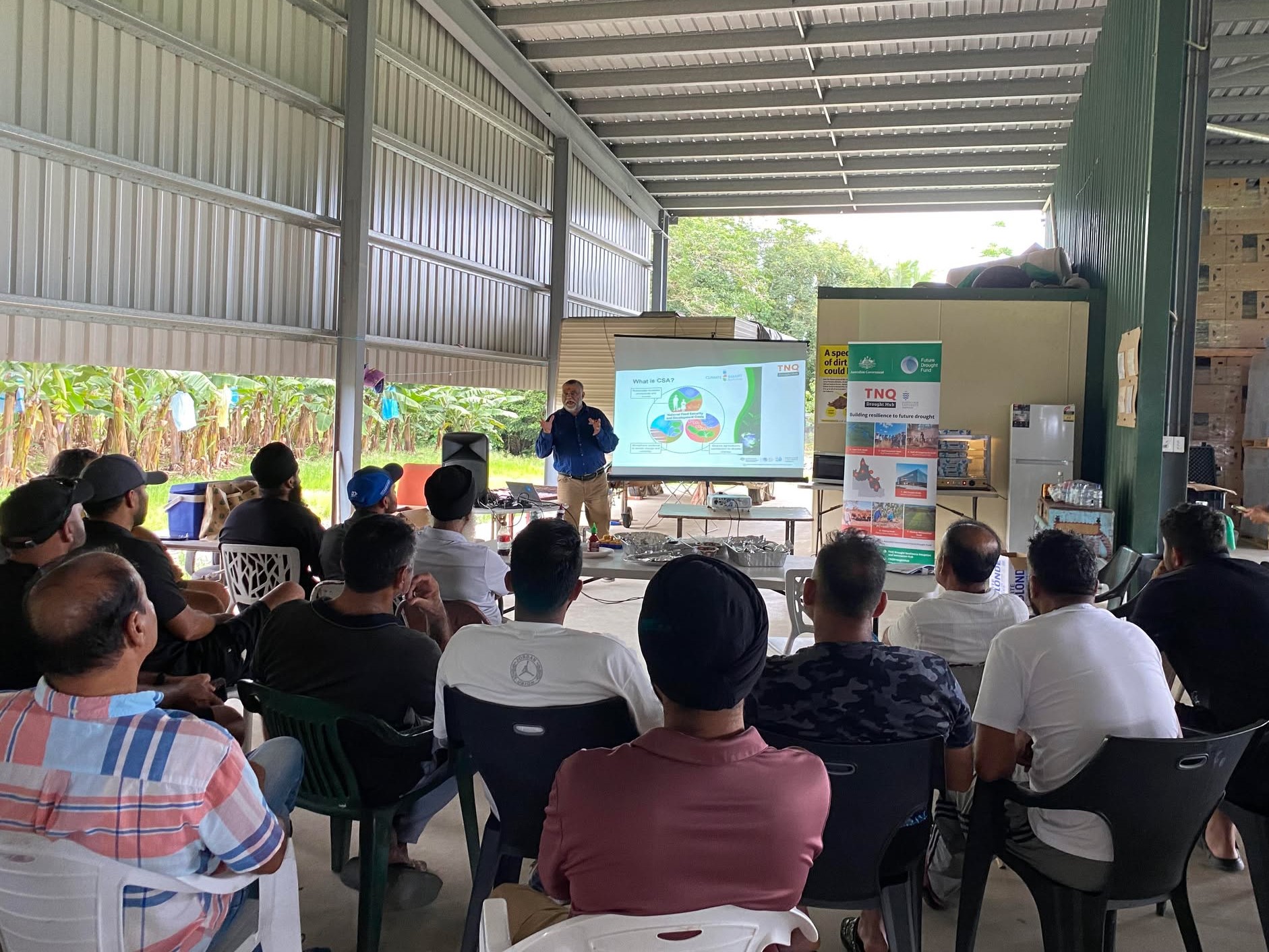
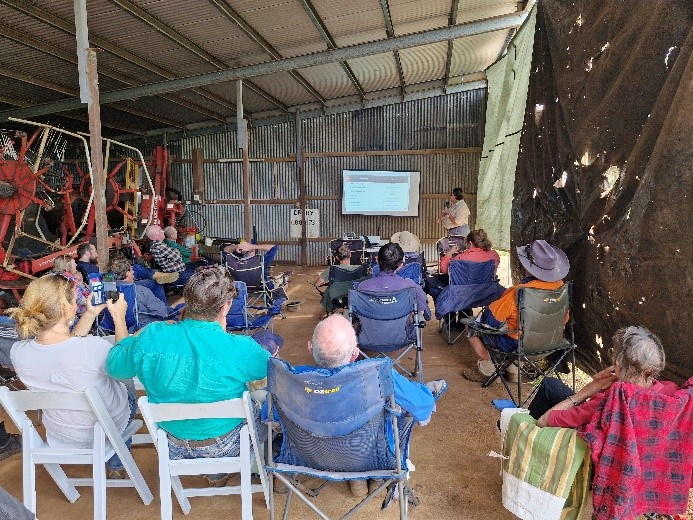
Every year on 5 December, World Soil Day shines a light on the ground beneath our feet — the living, breathing foundation that supports our food systems, landscapes and communities. In 2025, the theme “Healthy Soils for Healthy Cities” reminds us that soil matters everywhere, not just out on the paddock.
Here in Tropical North Queensland, we know healthy soil is central to resilient agriculture, from improving water use and boosting pasture productivity to supporting biodiversity and reducing the impacts of drought. But this year’s focus expands the conversation.
Urban and peri-urban soils in our towns and regional centres play important roles too. When they’re protected and well-managed, they help:
For a region that swings between extreme wet and extreme dry, these functions are critical.
World Soil Day 2025 invites us to think about soil as one interconnected system, from broadacre properties to backyards, sports ovals, roadside corridors and community gardens.
It’s also a chance to highlight the hard work of producers who are already leading the way in soil stewardship. Practices like groundcover management, erosion control, soil testing, water-infiltration improvements and regenerative techniques contribute directly to the health of surrounding landscapes and communities.
In response to the pressure soil faces from erosion, declining groundcover, acidification, salinity, nutrient loss and the increasing impacts of a hotter, drier, more variable climate, the Australian Government has developed the National Soil Strategy, the country’s first framework dedicated to protecting, restoring and valuing our soils for the long term.
Part of this strategy is the development of a network of Regional Soil Coordinators (RSC) to provide support and help build awareness and understanding of the importance of soil health for a more resilient and profitable future. Each RSC is linked with the local Drought Resilience Adoption and Innovation Hub. Their collective purpose is to:
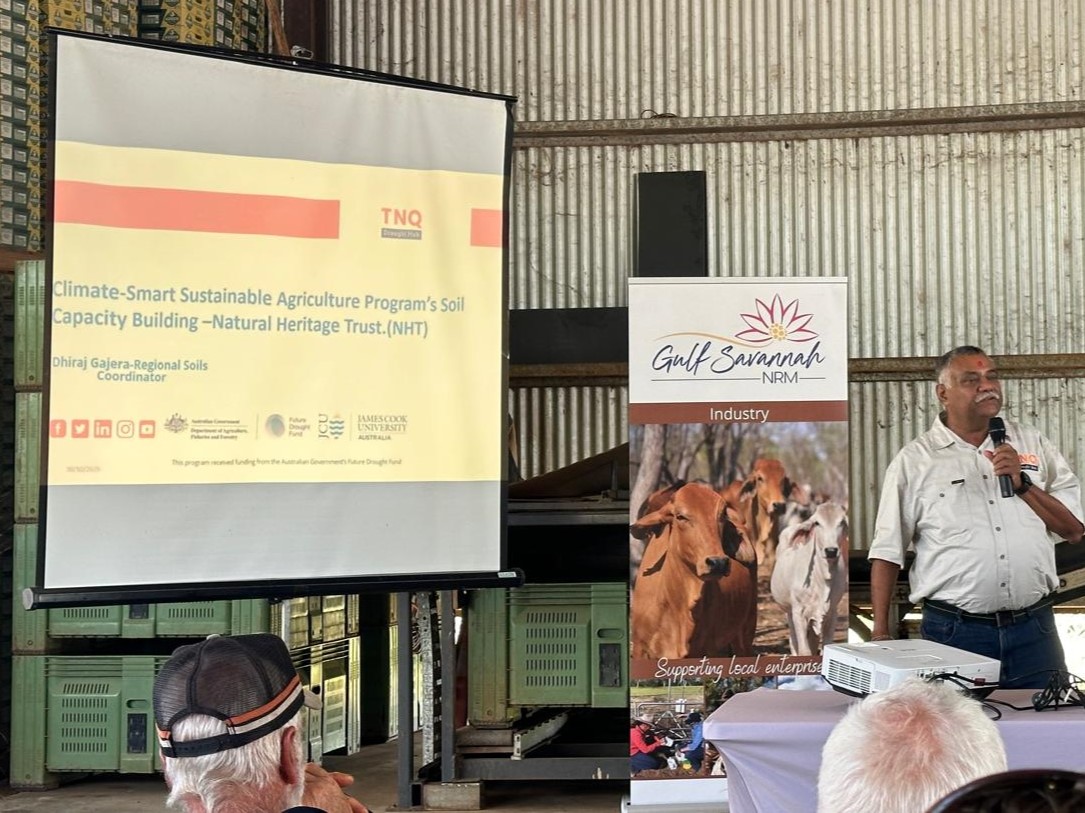
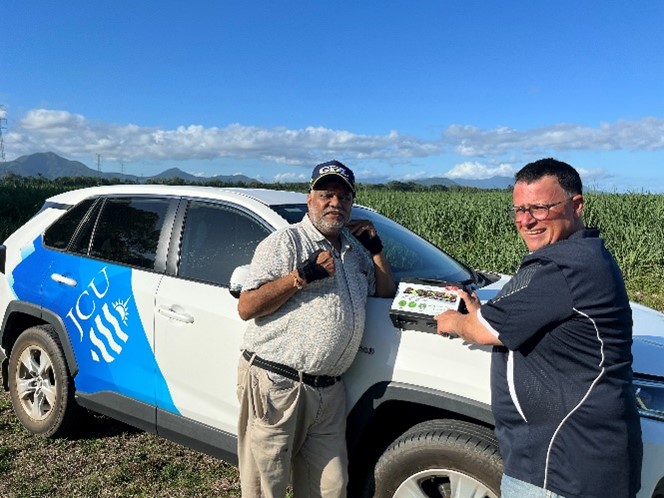
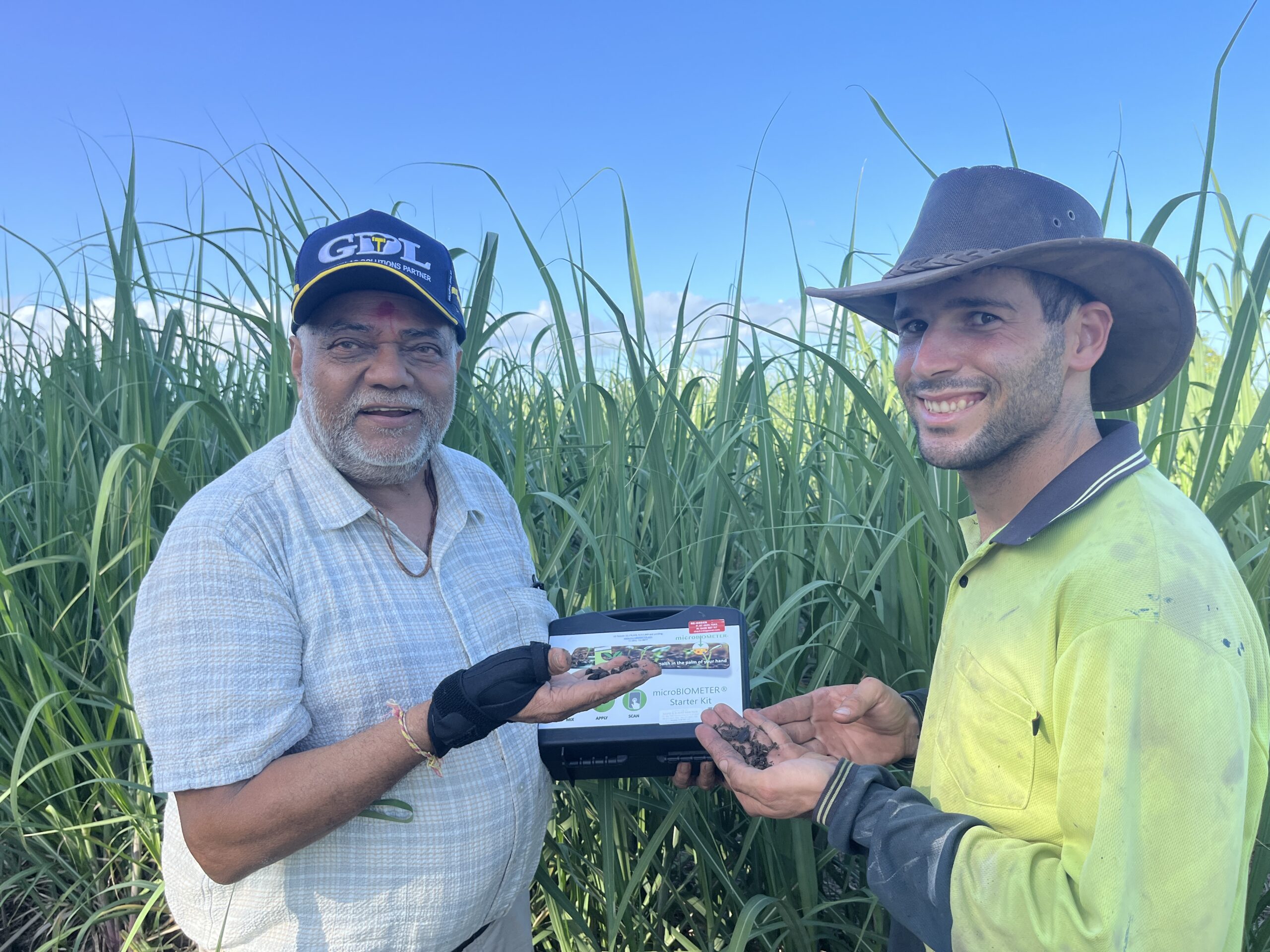
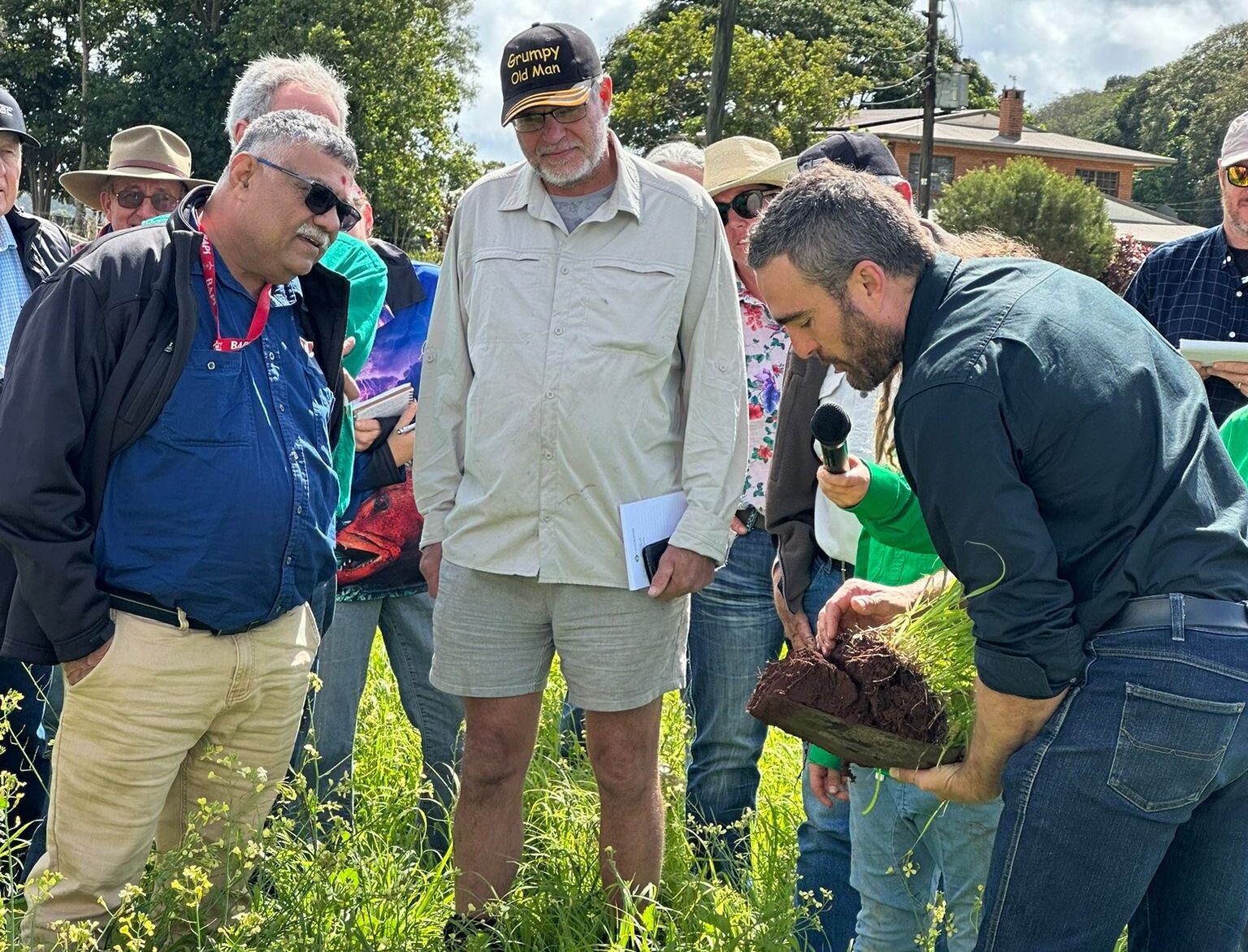
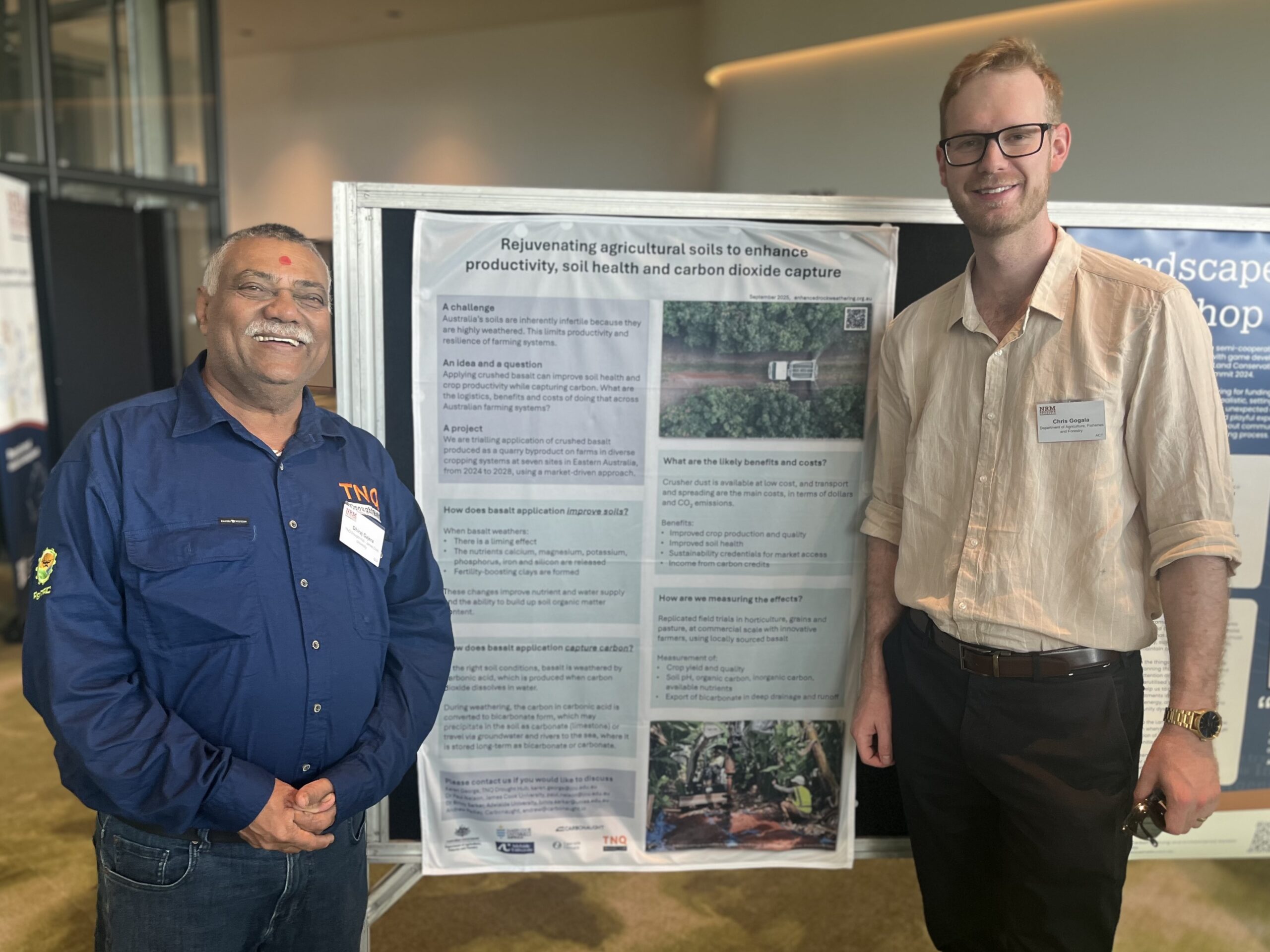
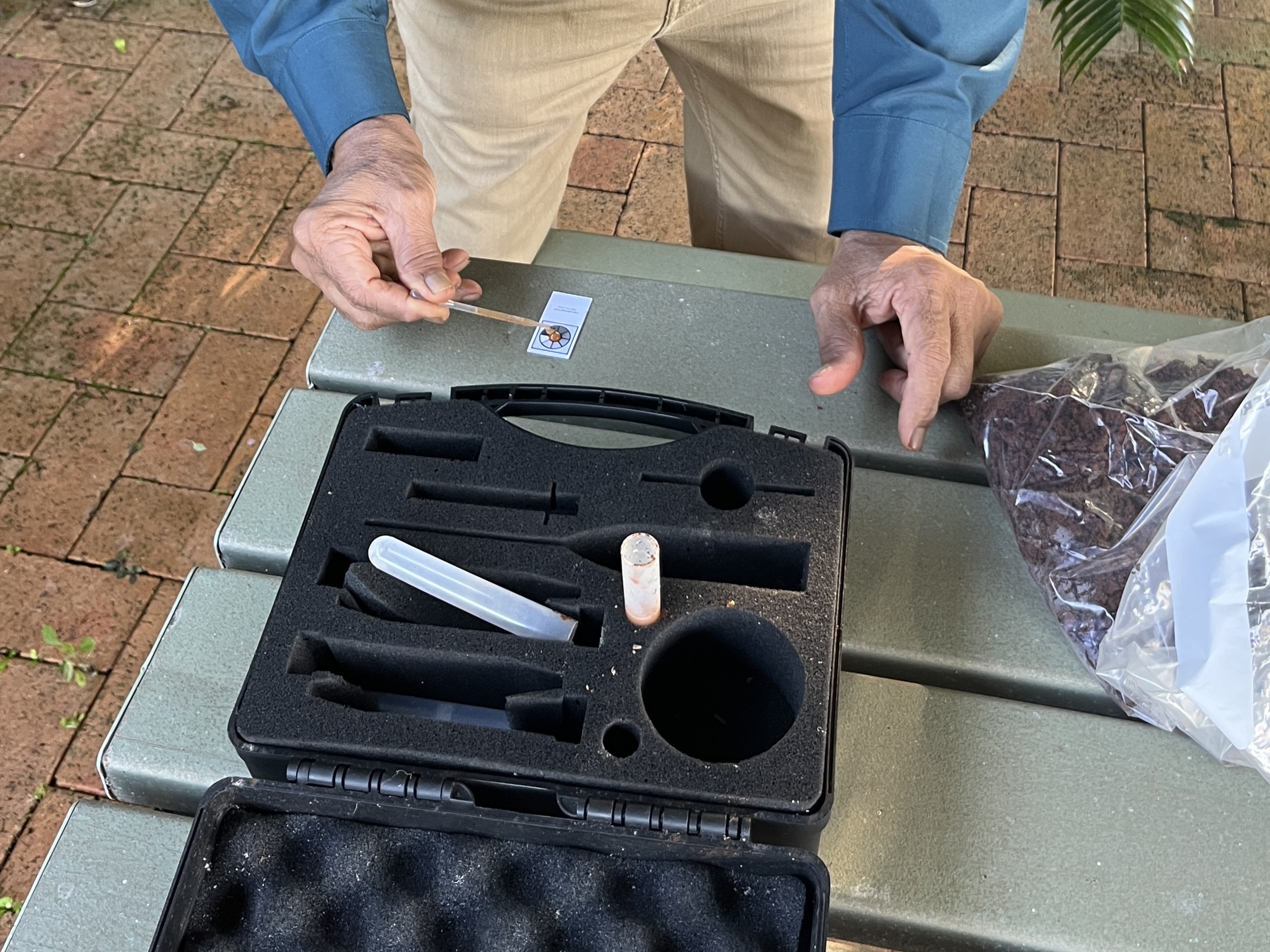
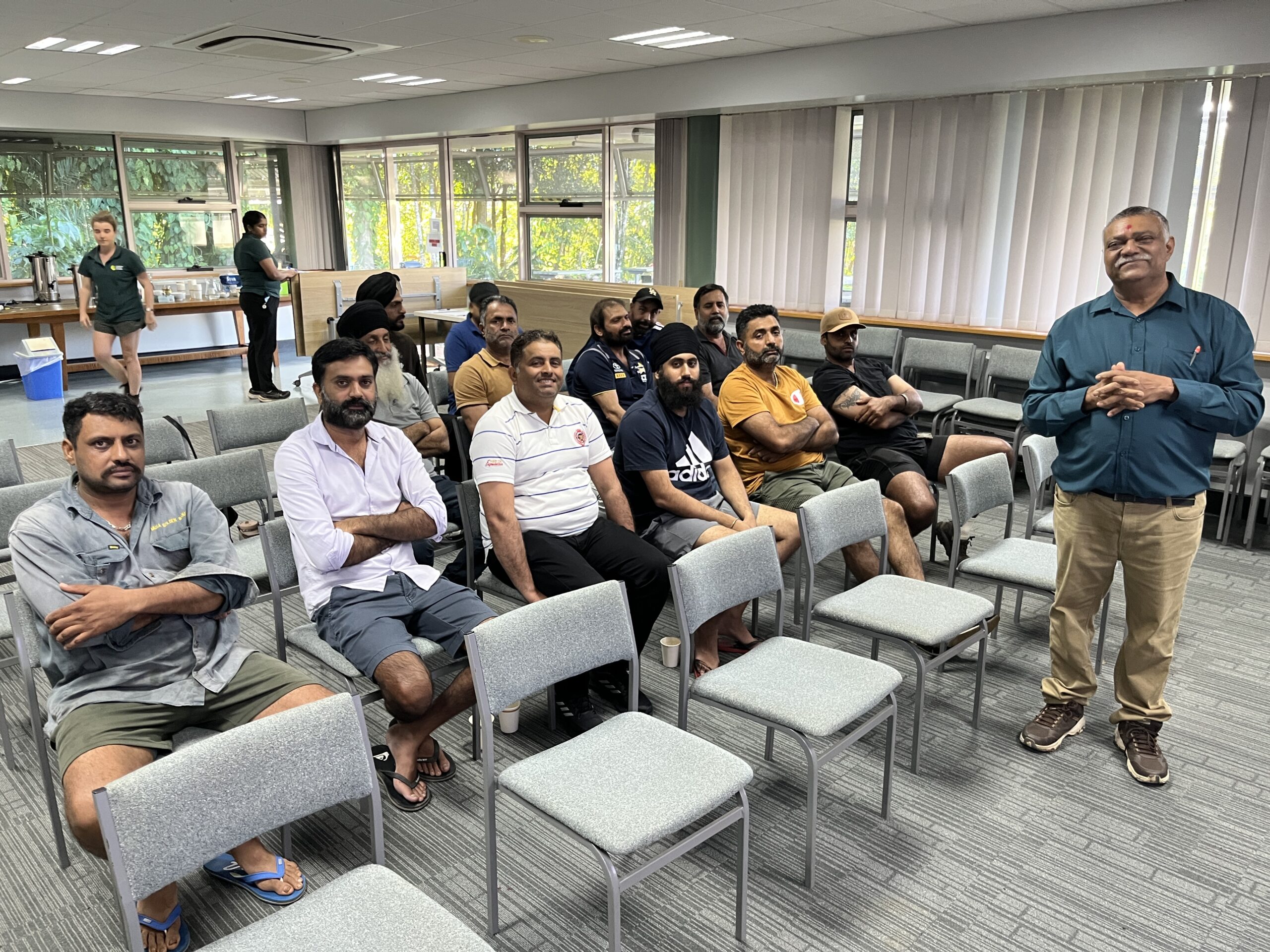
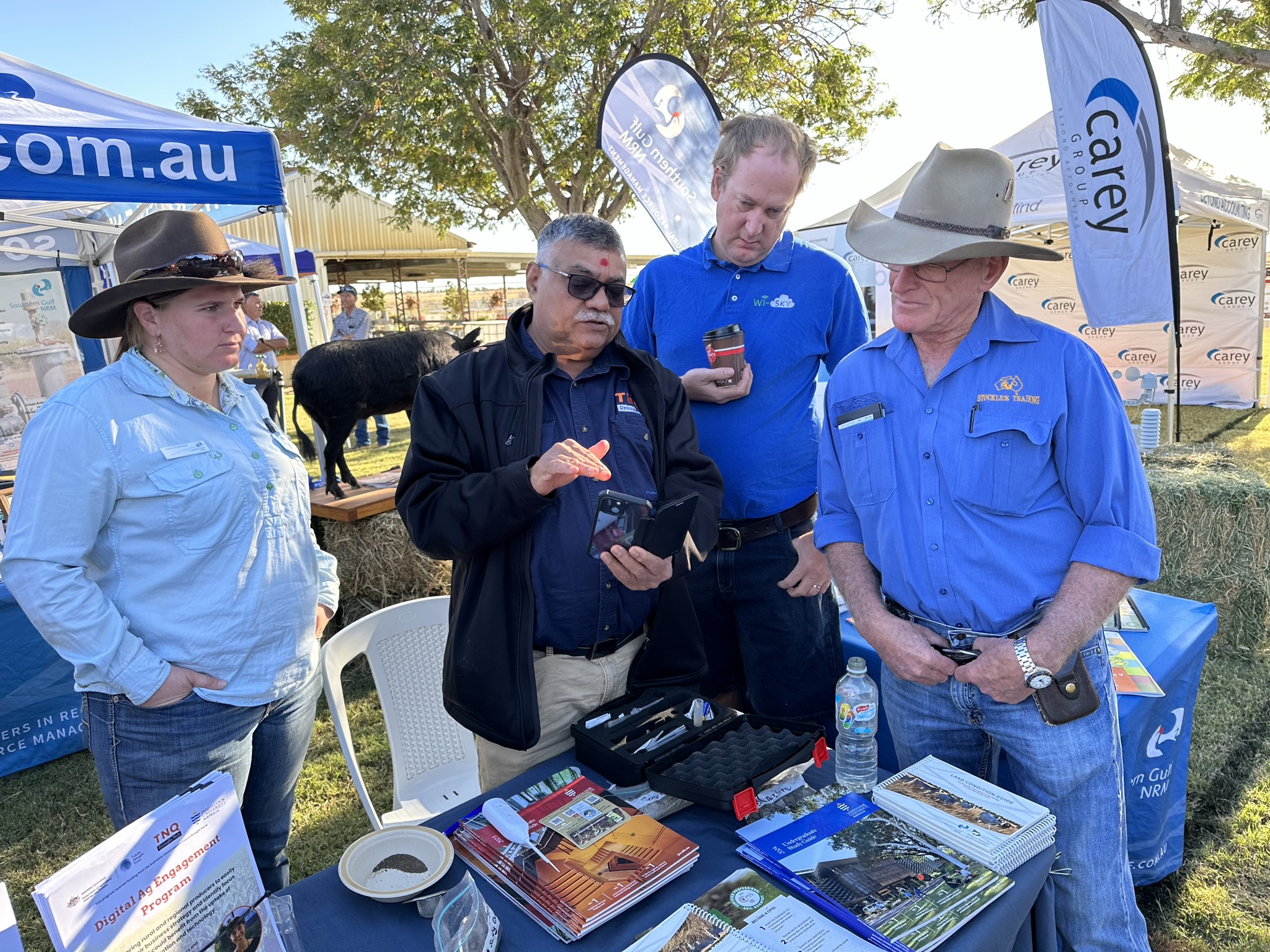
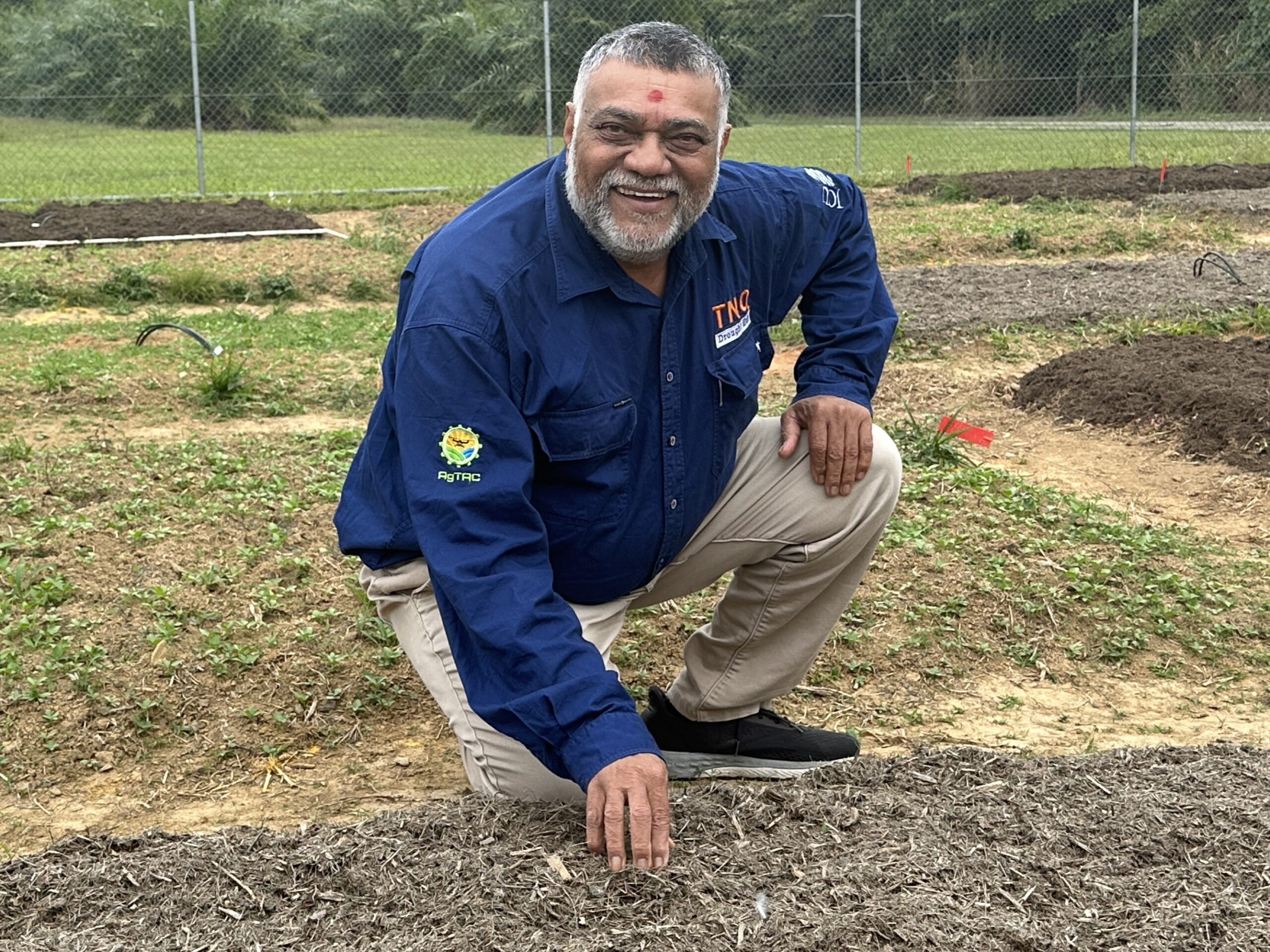
As the Tropical North Queensland RSC, Dhiraj Gajera’s role is to help strengthen the capacity and knowledge of farmers and land managers, promote soil testing and help interpret results, and empower informed decisions that improve productivity, sustainability, and resilience.
If you are interested in learning more about your soil health or being involved in a workshop, get in touch with Dhiraj today – dhiraj.gajera@jcu.edu.au or 0424 018 003.
The Regional Soil Coordinators are supported by the Australian Government through funding from the Climate-Smart Agriculture Program under the Natural Heritage Trust.