Key takeaways
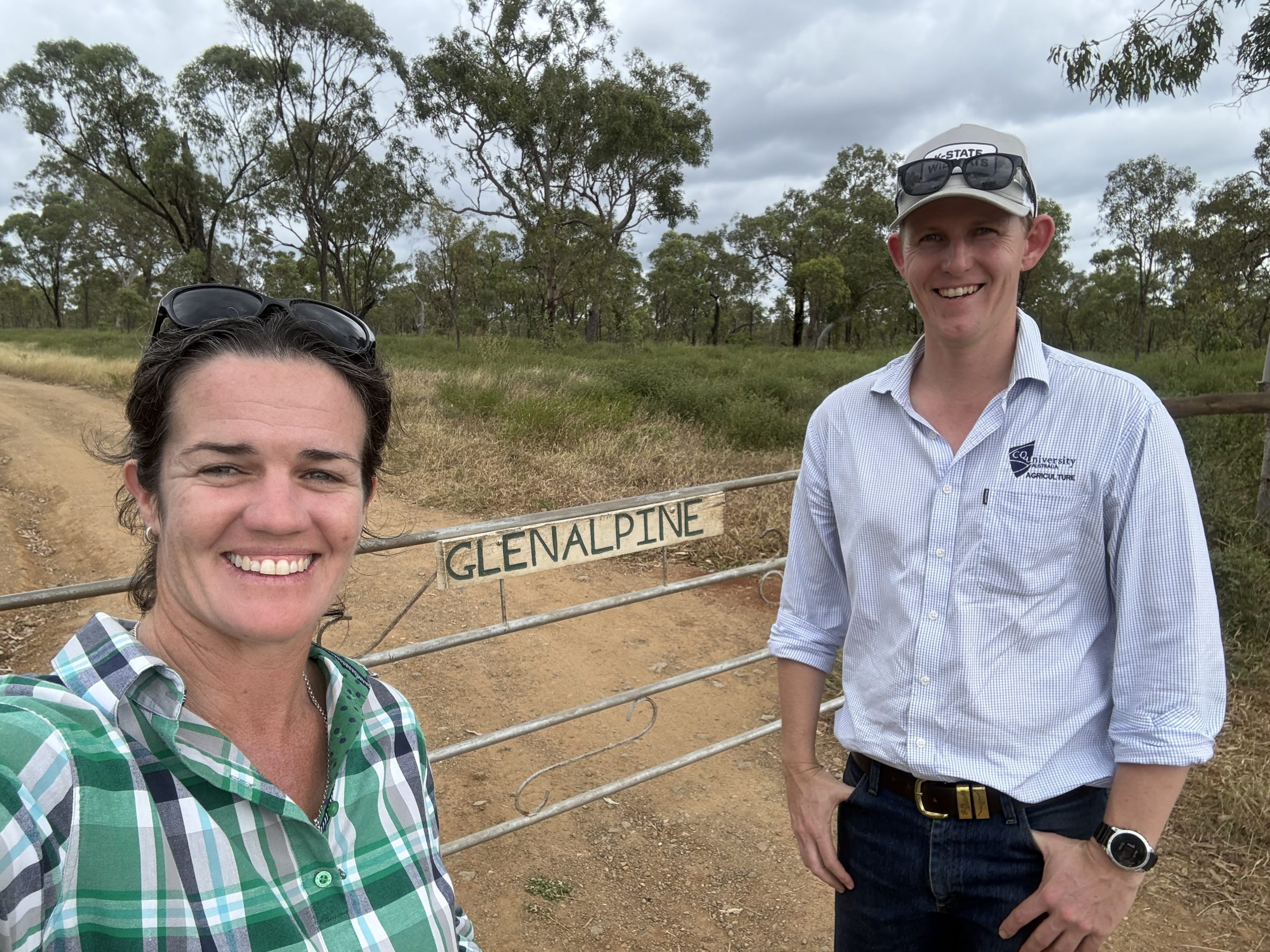
Producers, service providers and researchers gathered at “Glenalpine” via Bowen on 20 April for an Optiweigh field day hosted by NQ Dry Tropics. The event focused on how in-paddock weighing technology can support grazing and broader management decisions, with a strong emphasis on real producer experiences and practical application.
TNQ Drought Hub Adoption Officer Jane Barker attended on the day, supporting conversations and sharing insights from across the region.
“It was a really grounded day,” Jane said. “Hearing both the positives and the challenges gave producers a clearer picture of where the technology might fit in their production system.”
The field day brought together a mix of perspectives. Host producer Barry O’Sullivan shared how he uses Optiweigh to guide grazing and cattle exit decisions at “Glenalpine”, while Jess Gooding from “Mt Aberdeen” Station offered some challenges experienced in her operation. Central Queensland University’s Thomas Williams added practical insight into applying the data across different cattle enterprises, and discussed animal utilisation and attractants.
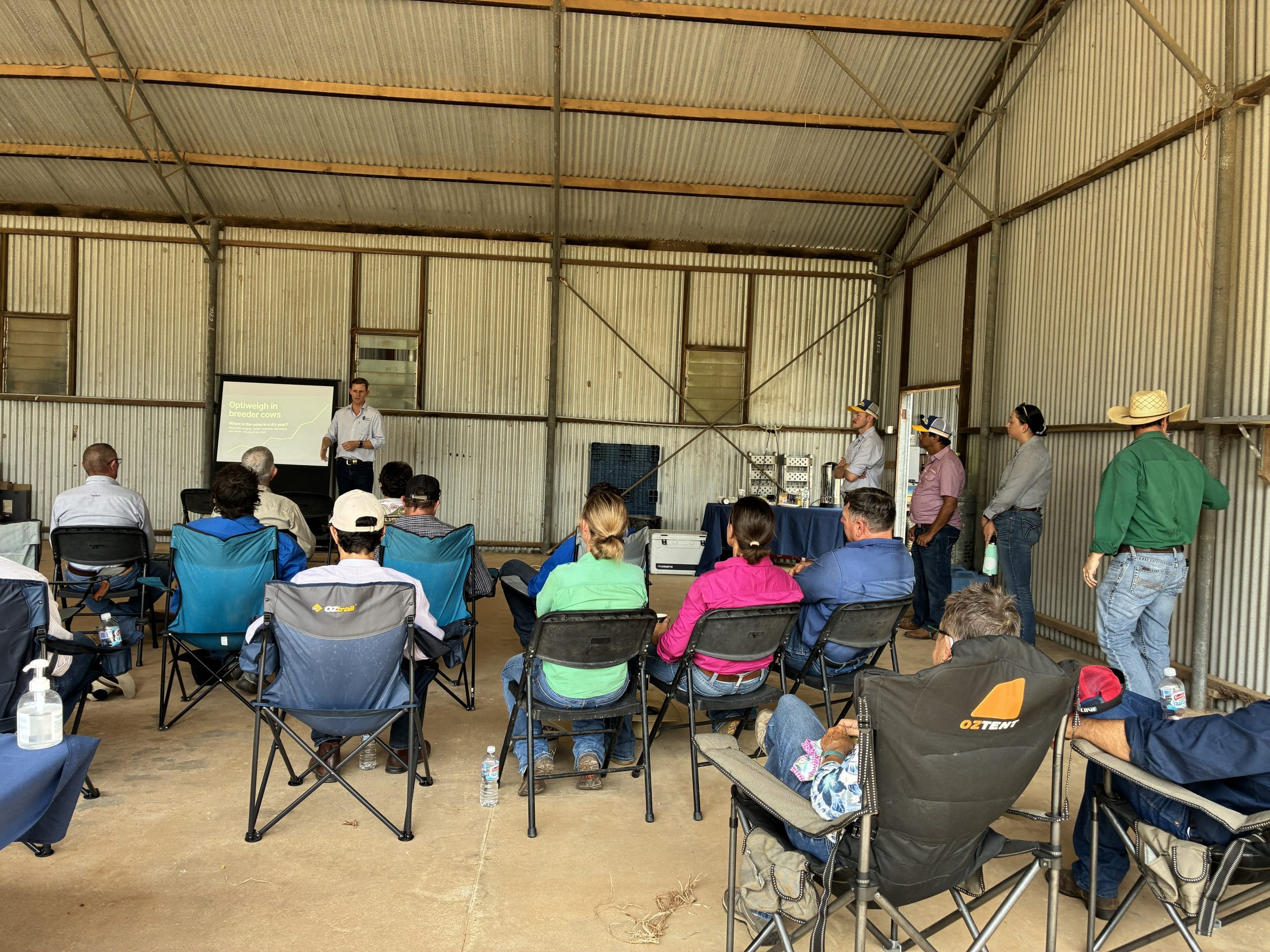
Conversations quickly moved beyond the technology itself. Producers compared pasture management, supplementation and water medication, and explored how data could support those decisions in real time. Questions around scale and return on investment were a consistent theme, with many weighing up whether the information provided by the technology would deliver value in their own business.
Hearing different producer experiences helped bring that into focus. Barry shared how a trial period demonstrated the value of the data, allowing him to build on what he knew and adjust grazing earlier to improve both pasture and cattle performance. In contrast, Jess highlighted that where data isn’t influencing decision-making, it can be harder to justify the cost.
Several practical insights stood out across the day.
Producers also discussed how cattle can lose weight after rainfall events and the importance of interpreting that data in context. Comparing paddock weights to yard weights was another key consideration, particularly where shrinkage may affect results.
Jane said the value of tools like Optiweigh comes down to how well they support decisions being made on-farm.
The event created strong opportunities for peer-to-peer learning, with producers from smaller coastal landholders through to larger multi-property operations sharing what’s working in their systems.
As interest in tools like Optiweigh grows, events like this give producers the chance to test ideas, learn from others and make more informed decisions that suit their business over time.