Key takeaway
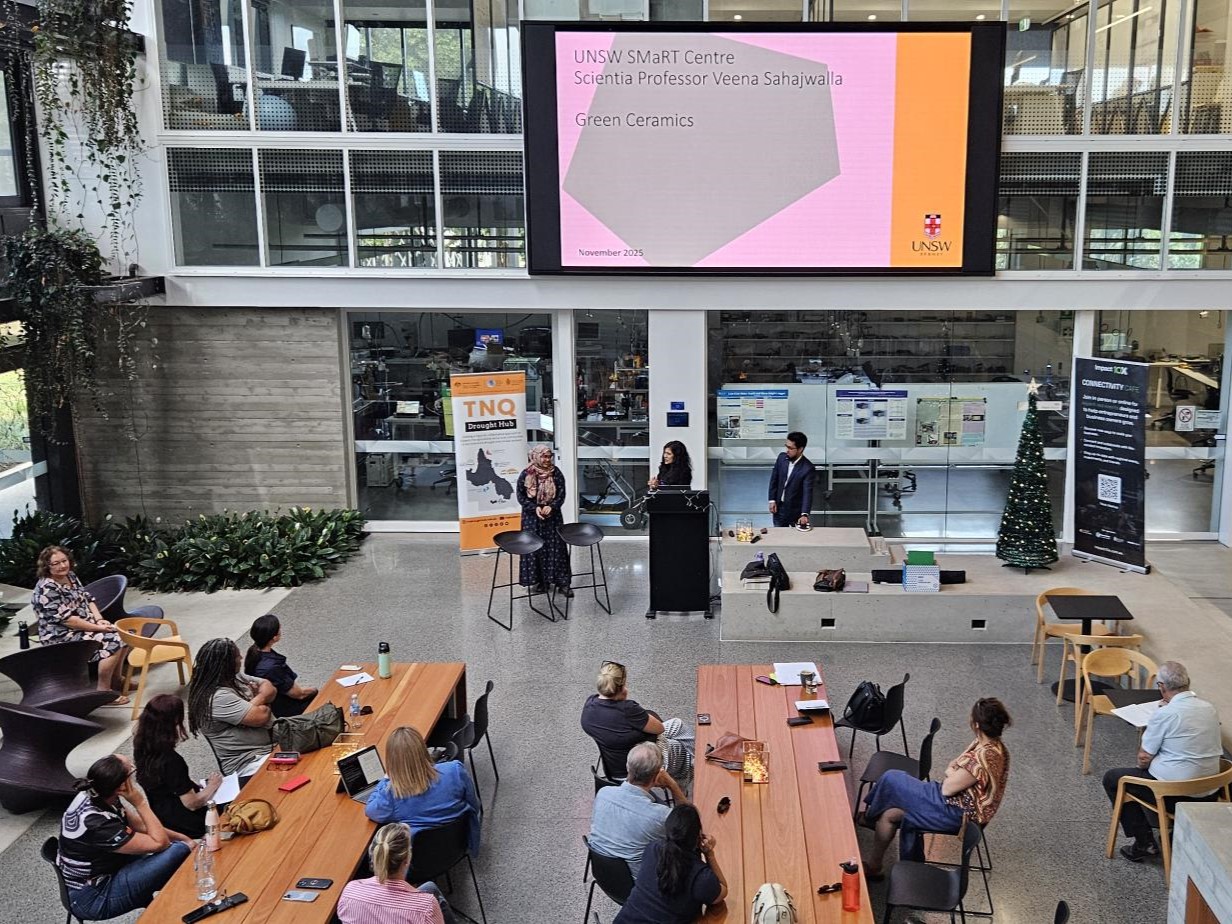
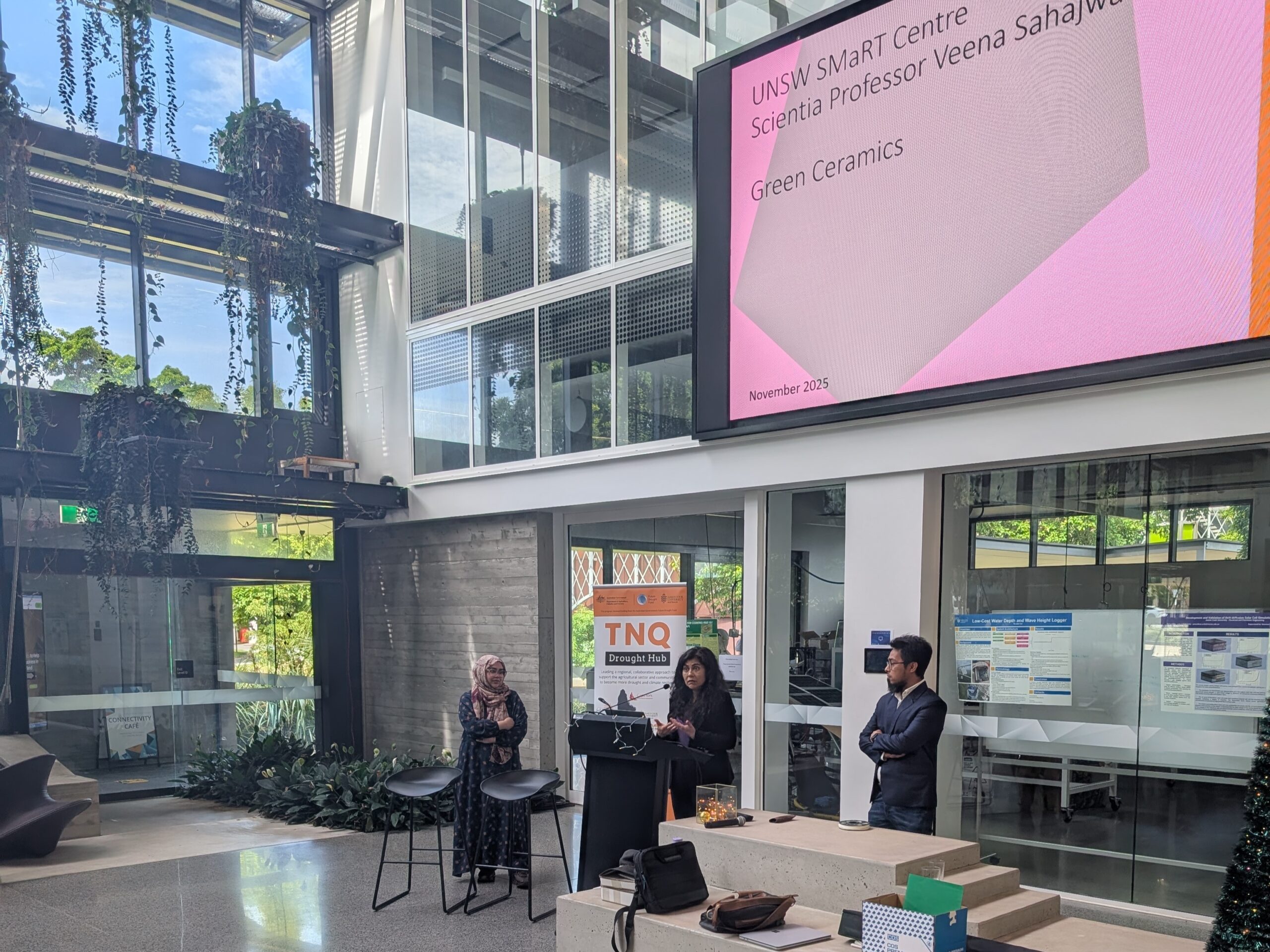
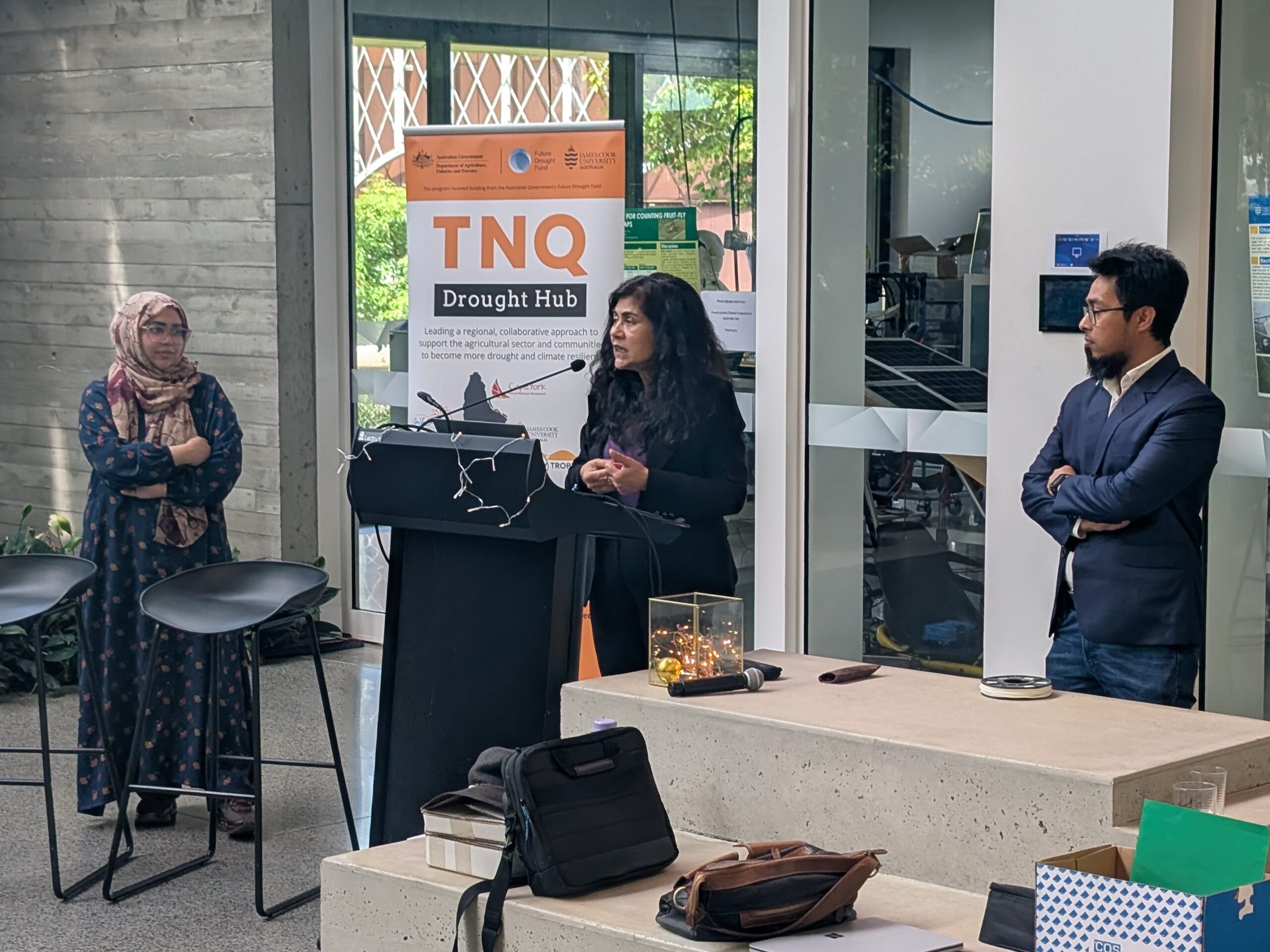
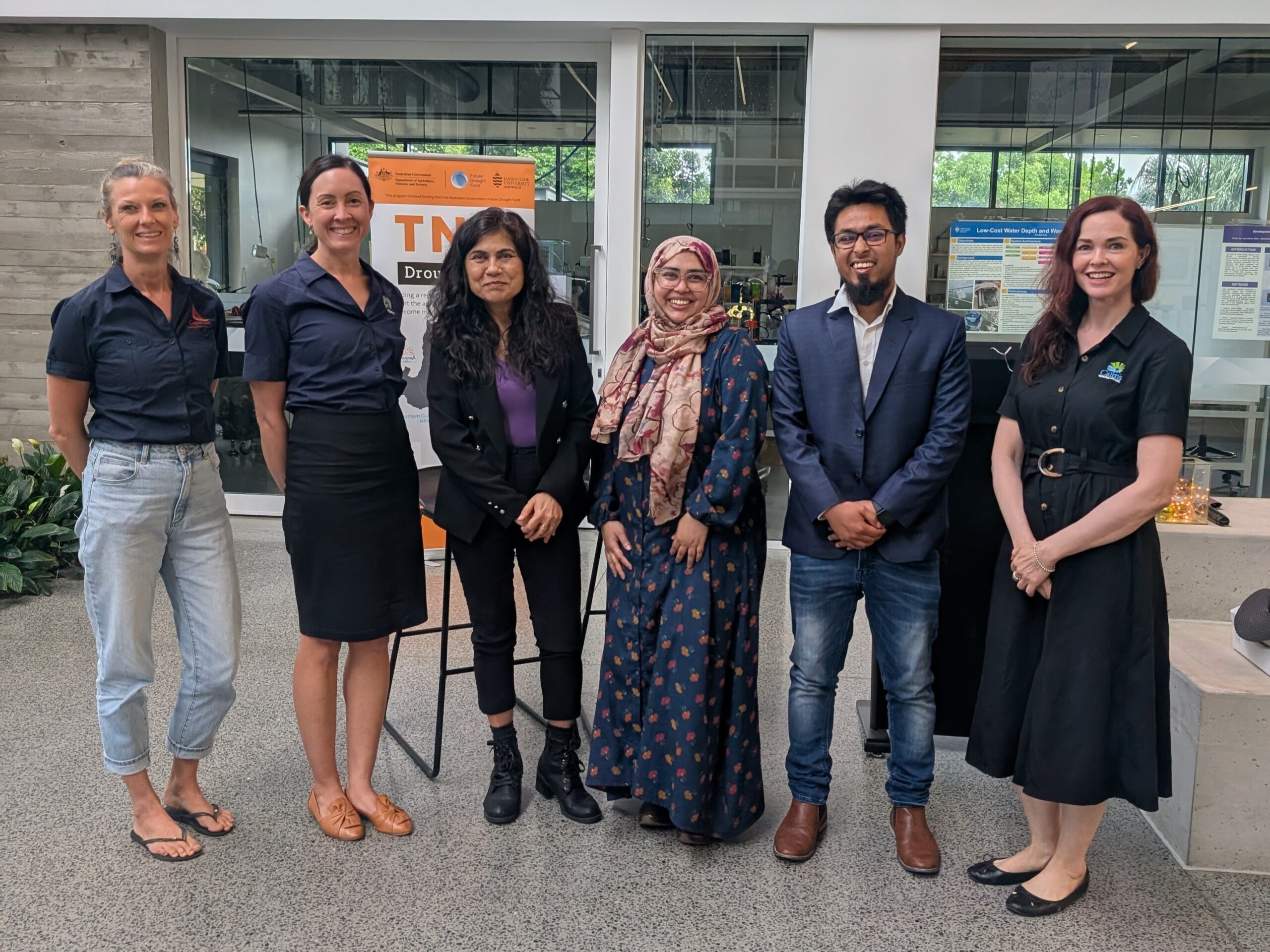
The TNQ Drought Hub was pleased to welcome Professor Veena Sahajwalla AO for a Knowledge Exchange Forum at JCU Ideas Lab in Cairns and tour of the Western cape region last week.
Professor Sahajwalla is a world leading materials scientist, engineer and Founding Director of the UNSW Centre for Sustainable Materials Research and Technology (SMaRT Centre) and is internationally recognised for pioneering innovative “waste to value” technologies including Green Steel™, Polymer Injection Technology and Australia’s first MICROfactorie® modules that convert problematic waste streams such as plastics, glass and e-waste into valuable new products and manufacturing inputs.
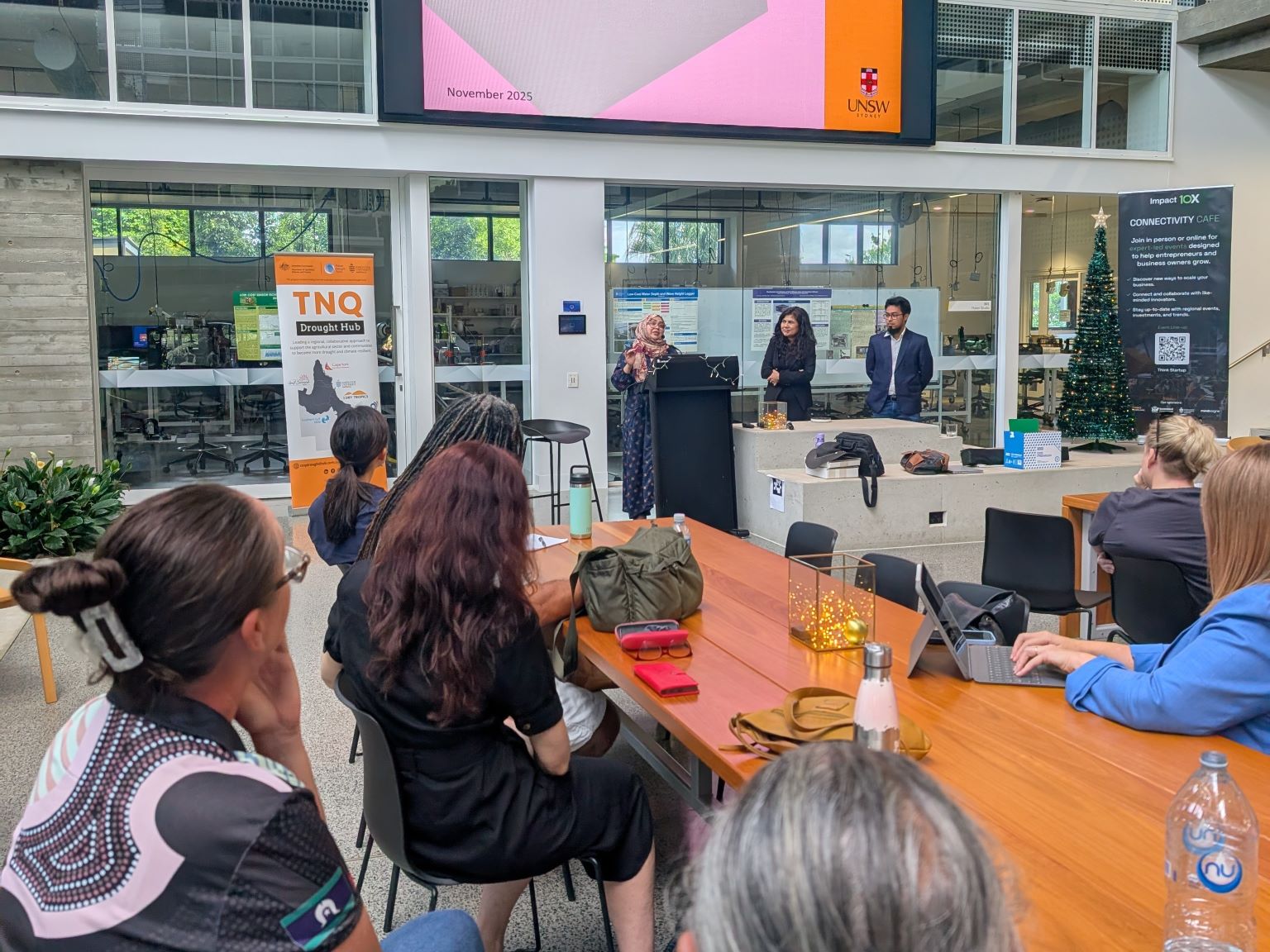
The Forum focused on MICROfactories and Plastics and explored key issues and opportunities related to plastics recycling and circular economy pathways in Far North Queensland and to enable knowledge sharing between UNSW’s SMaRT Centre and local stakeholders on, challenges facing recycling and resource recovery in regional contexts, Innovative, decentralised solutions such as micro factory models and collaborative opportunities and potential regional applications.
The workshop and the wider research projects are co-funded by the Federal government under the National Environmental Science Program’s Sustainable Communities and Waste Hub, with a focus on supporting regional and remote opportunities for waste remanufacturing.
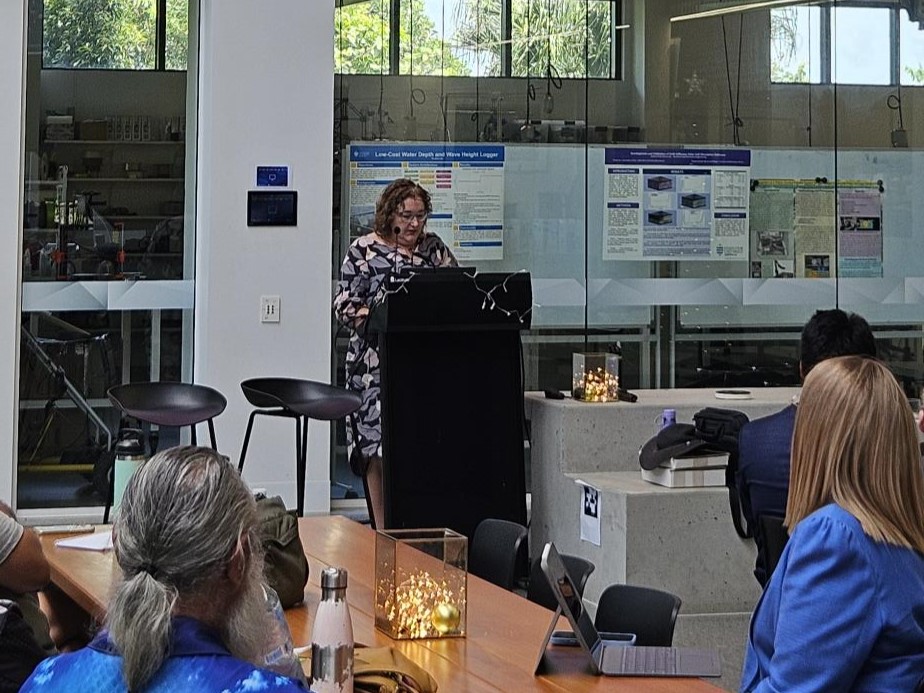
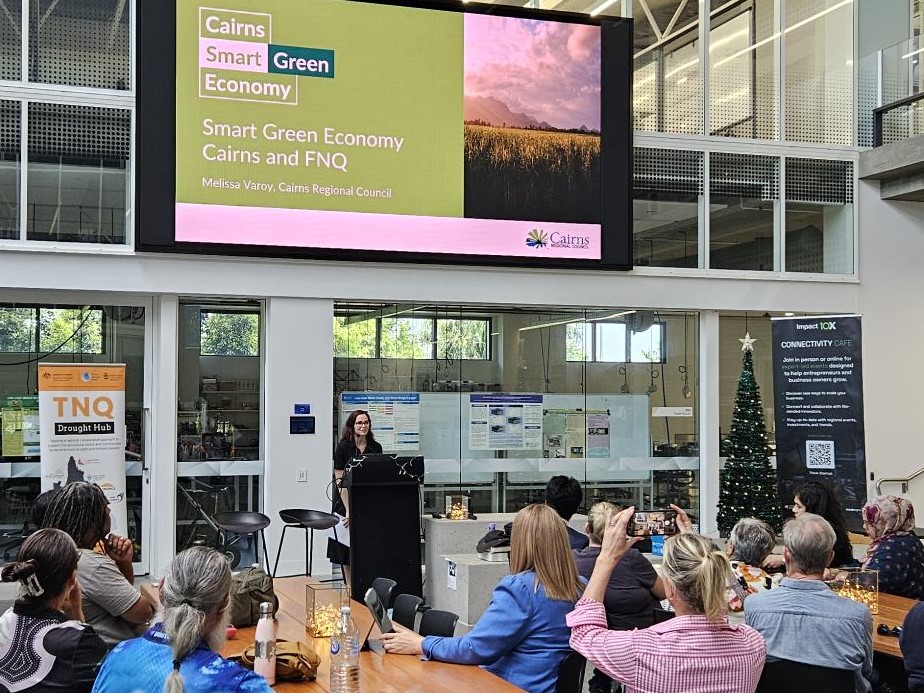
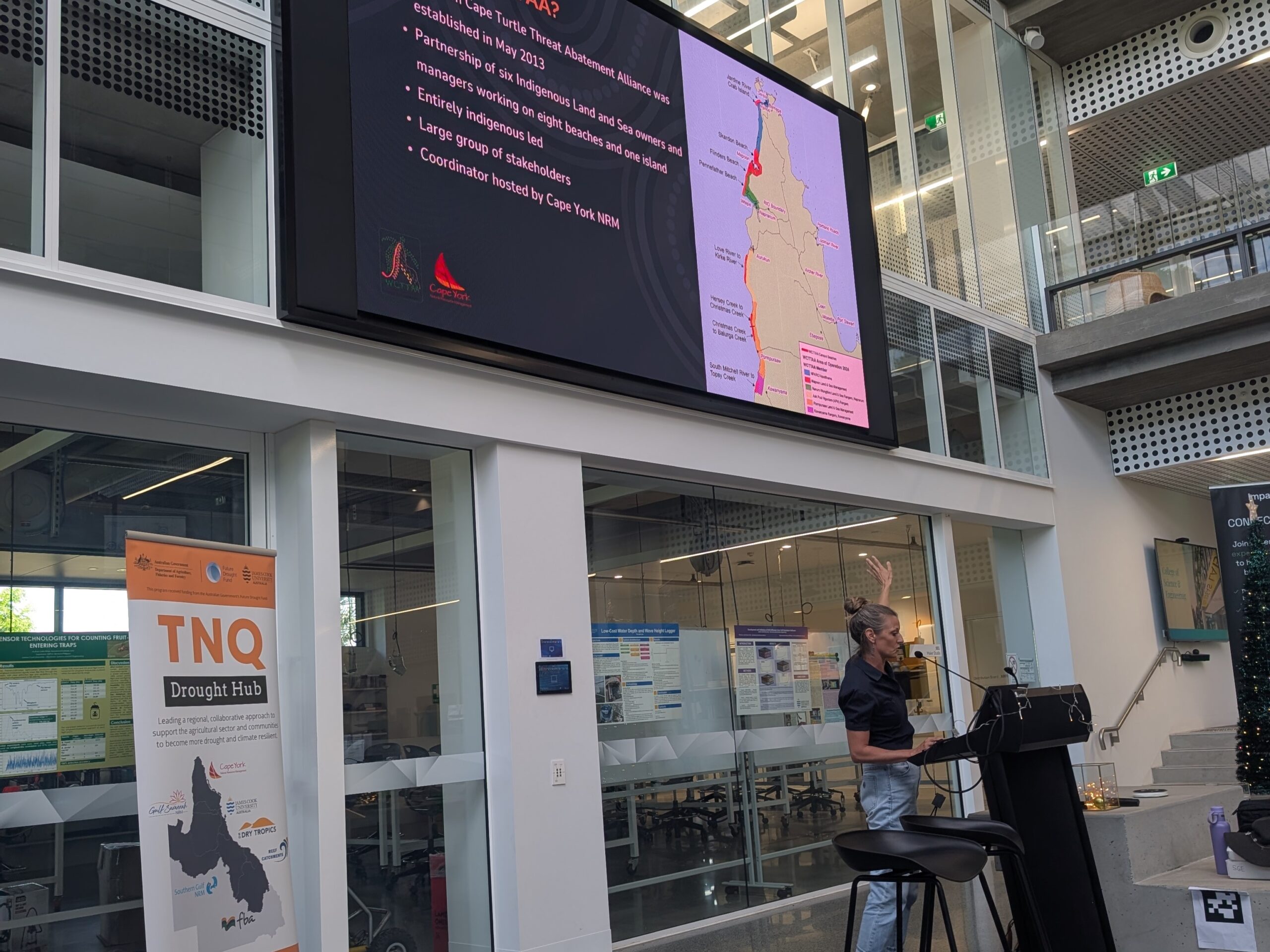
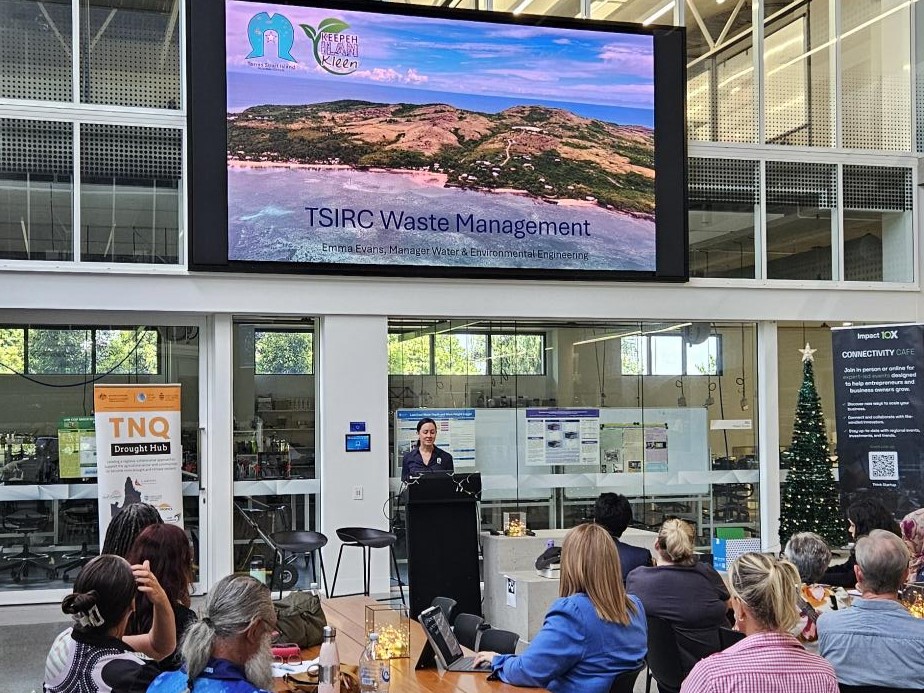
To highlight the challenges and issues in Far North Queensland, Cairns Regional Council, Torres Strait Islands Regional Council and Cape York Natural Resource Management group also gave short presentations.
SATSIE Program Coordinator Jennifer McHugh and event organiser said “It’s such an honour to have Professor Sahajwalla with us. Her recycling technology is world-class and ahead of the curve. We have lots to learn from her that can be taken on board to help with some of the landfill issues, plastics and waste challenges that are happening throughout the Cape.”
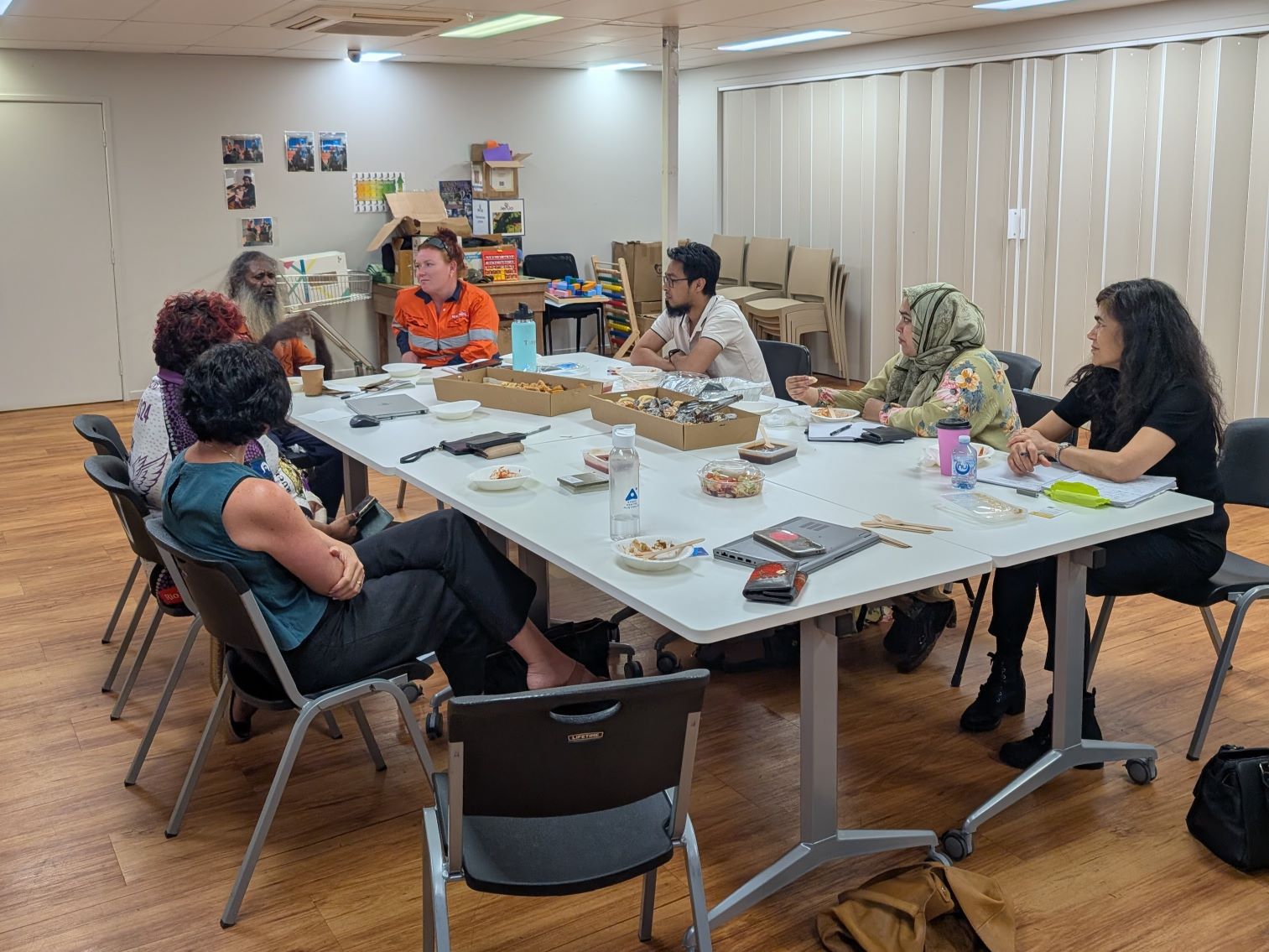
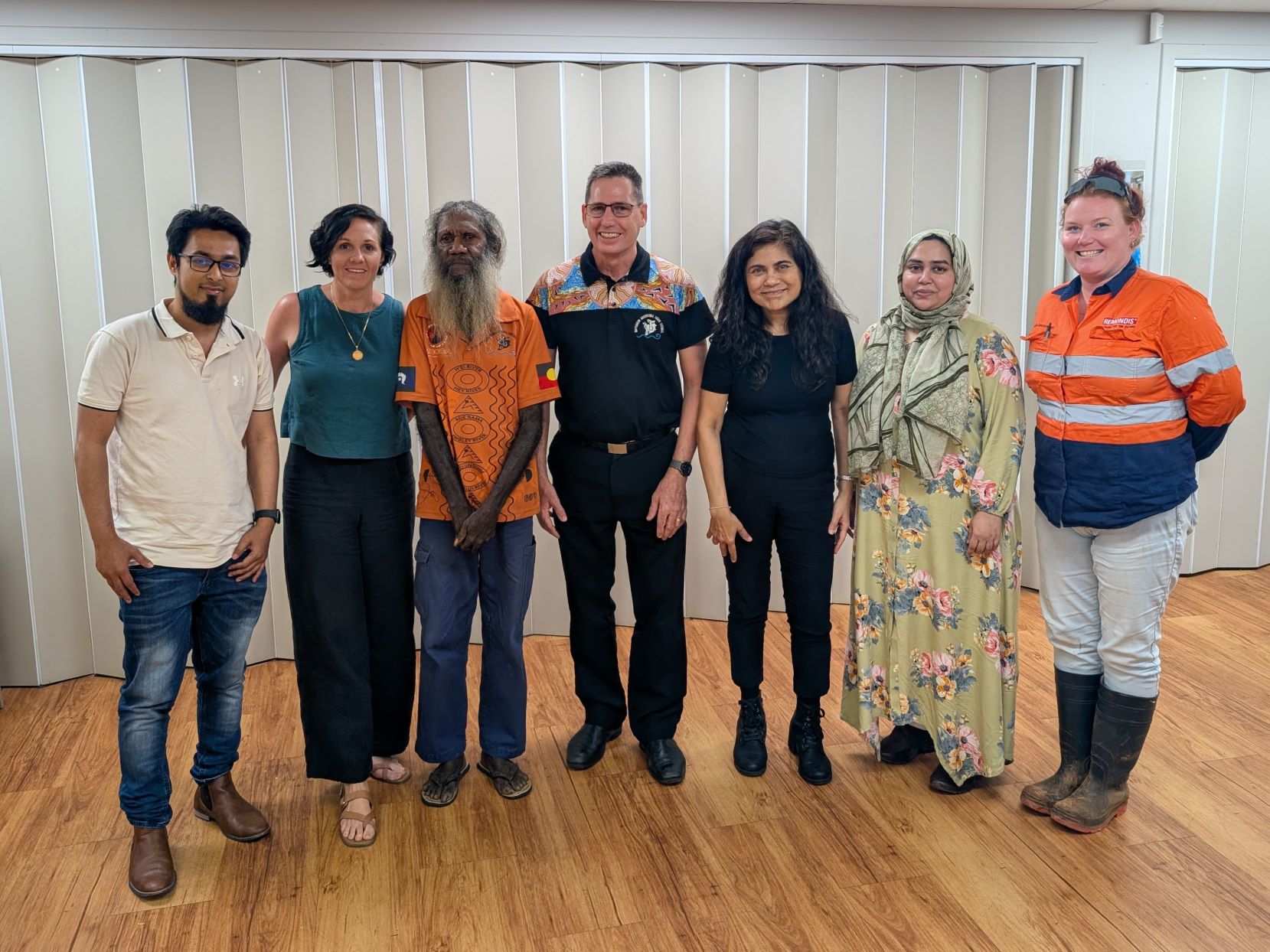
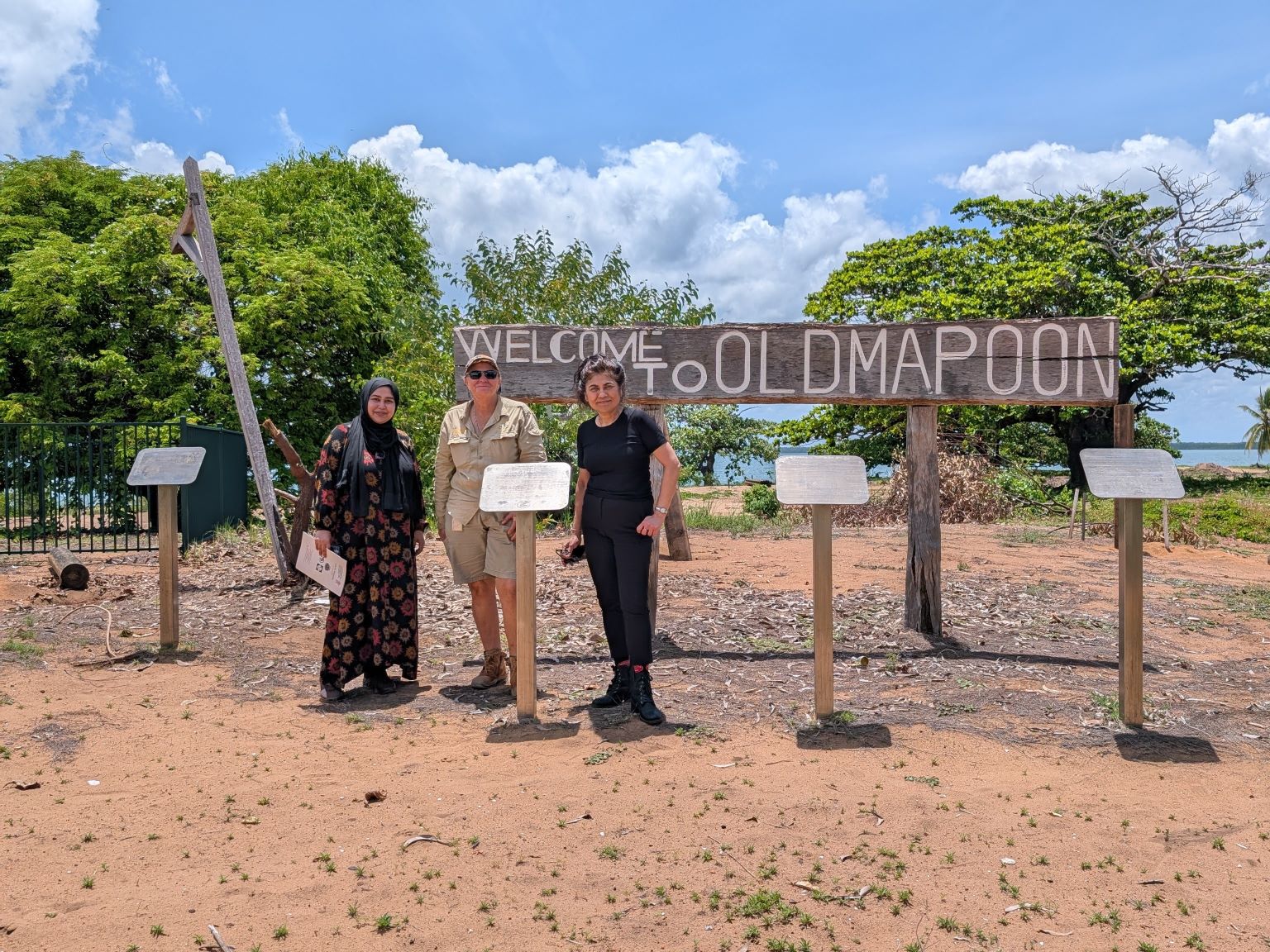
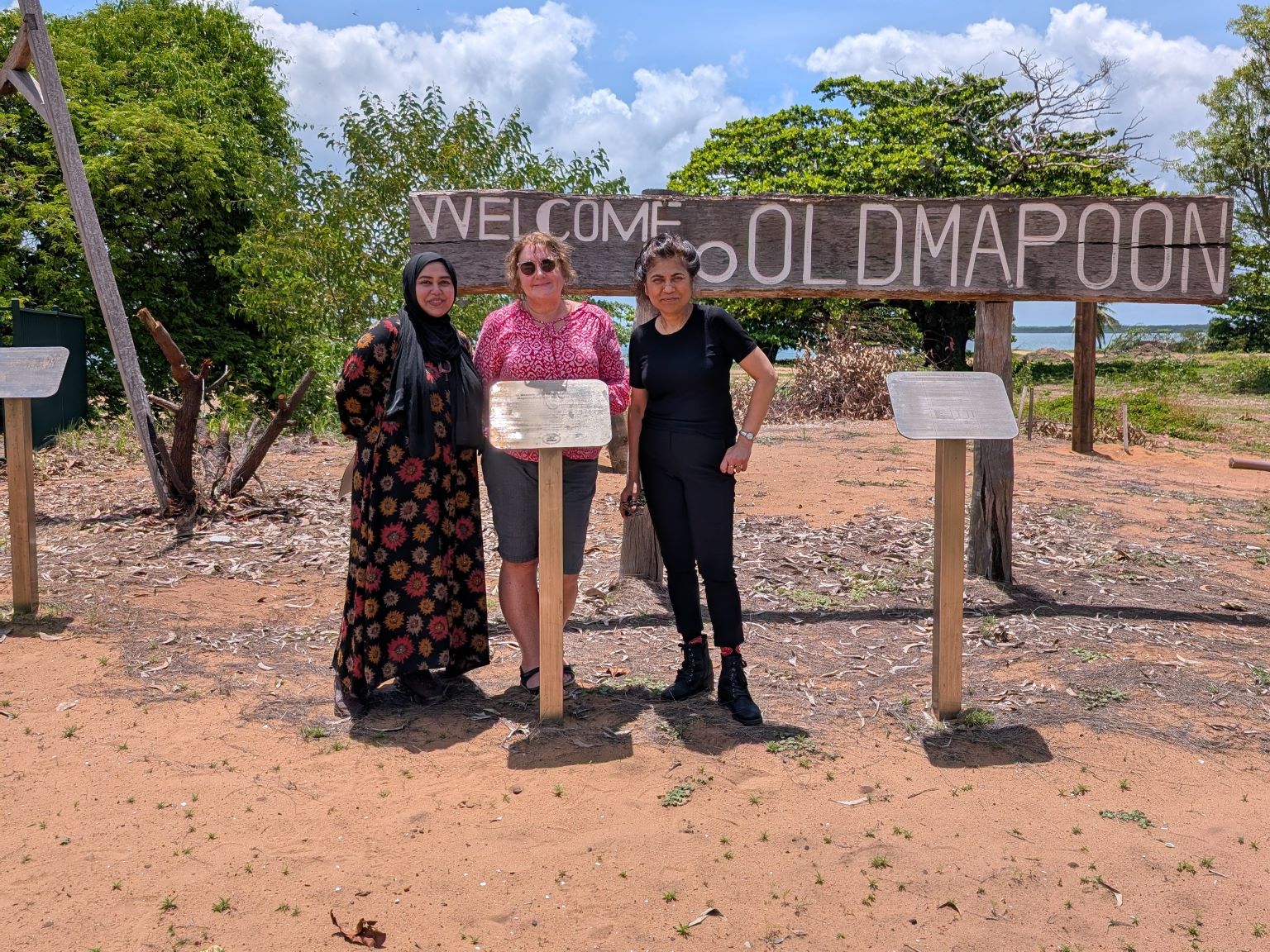
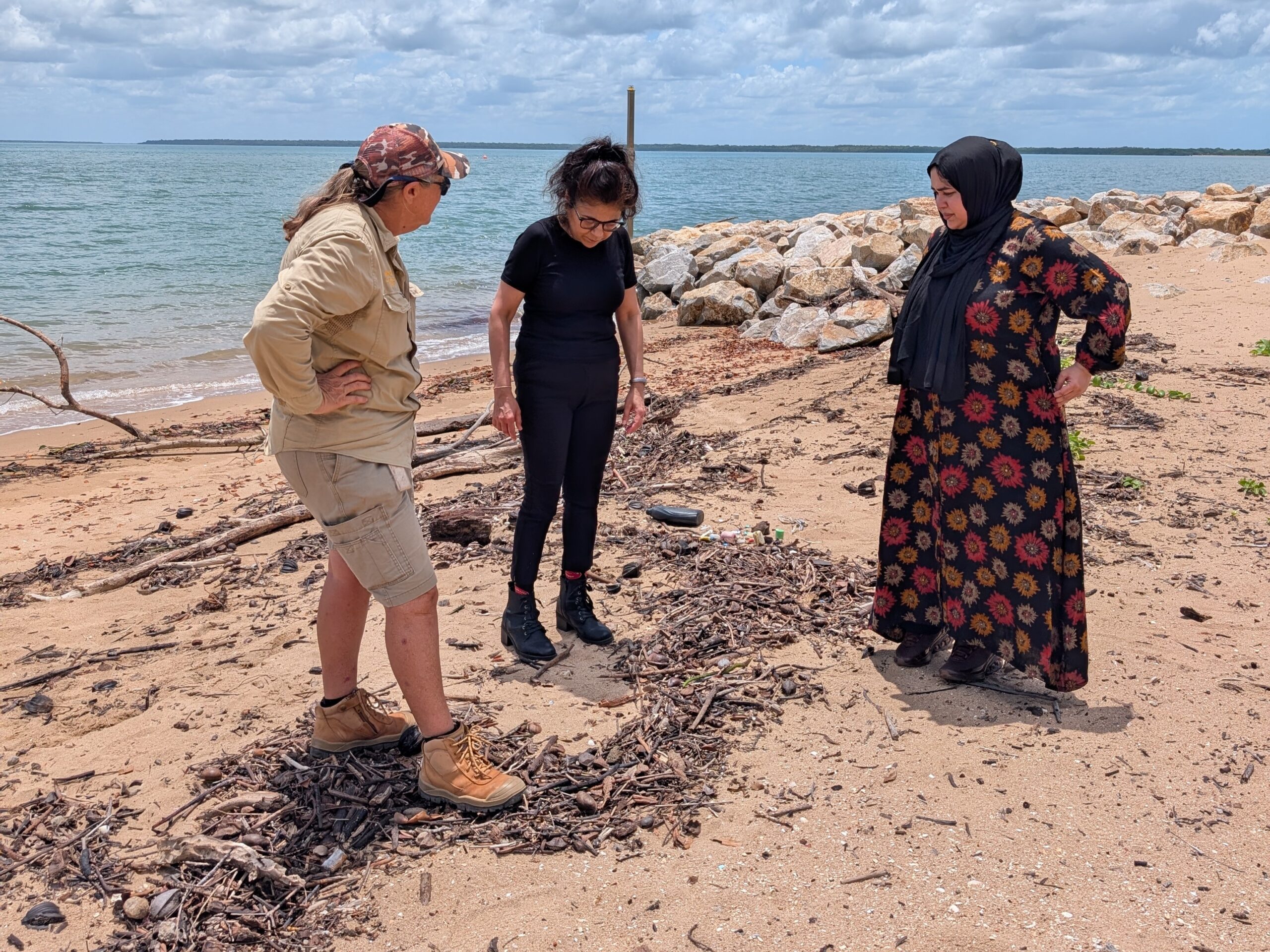
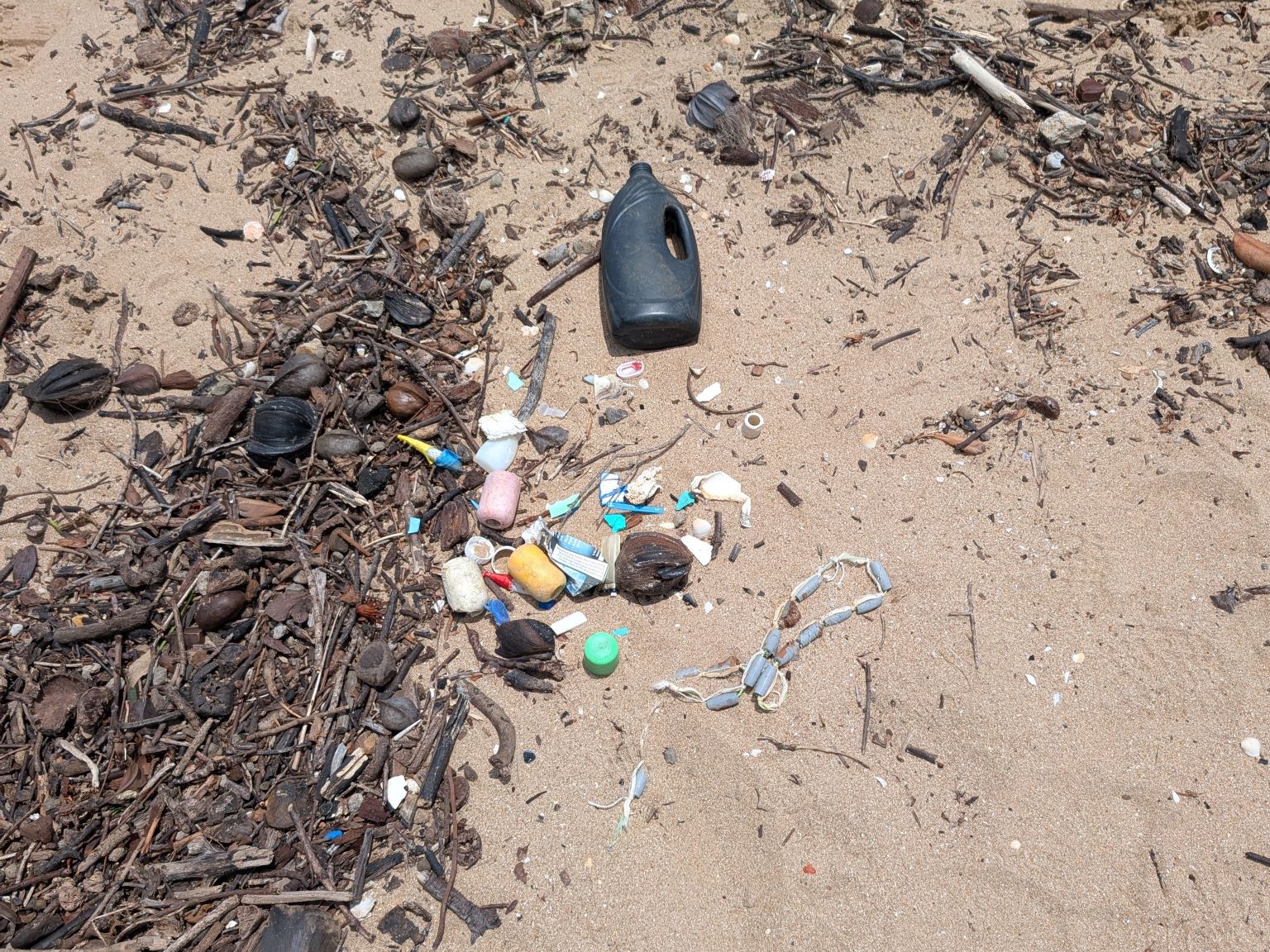
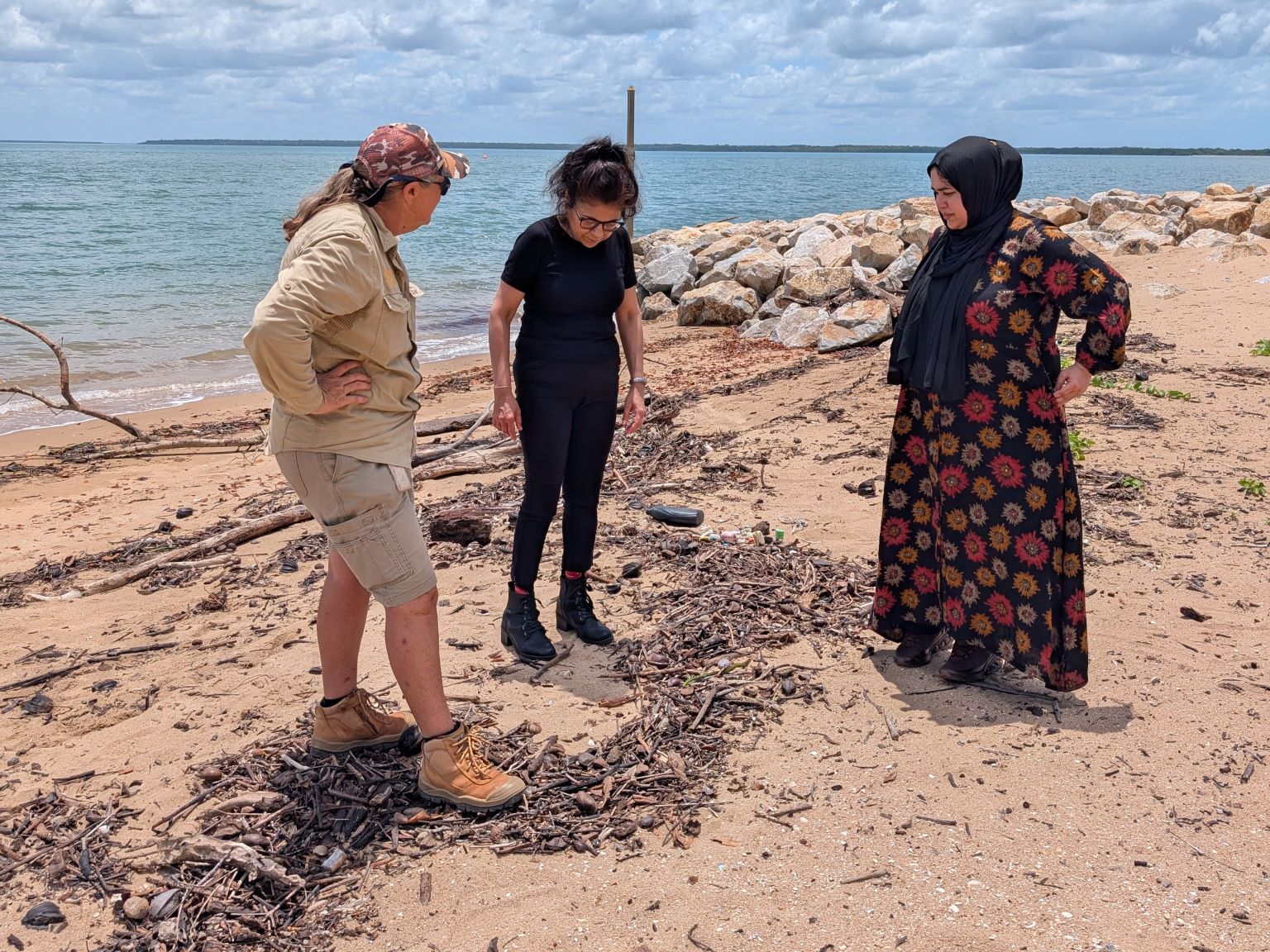
As part of her visit, Professor Sahajwalla travelled to Napranum and Mapoon Aboriginal Shires to meet with council members, rangers and local business owners. In Mapoon, Professor Sahajwalla and her colleague, Dr Rumana Hossain, witnessed firsthand the significant impact of marine debris on the community and surrounding environment. The SMaRT Centre team also gained insight into regional challenges associated with mine closures during a tour of Rio Tinto operations.
Professor Sahajwalla interest in the region was sparked by her attendance of the Western Cape Futures Symposium of which the TNQ Hub is a partner and is off the back of her National Press Club address in late October where she talked about her vision for a sustainable future using waste as a resource via innovative technologies.
By brining Professor Sahajwalla and her team to the region, we hope to offer real sustainable economic opportunities for people living in remote locations and work towards solving waste issues that can sometimes feel insurmountable.
Find out more: