


Research Questions/Objectives:
Objectives:
Brief Description of the Project:
METHOD
Experimental Design
Treatment groups
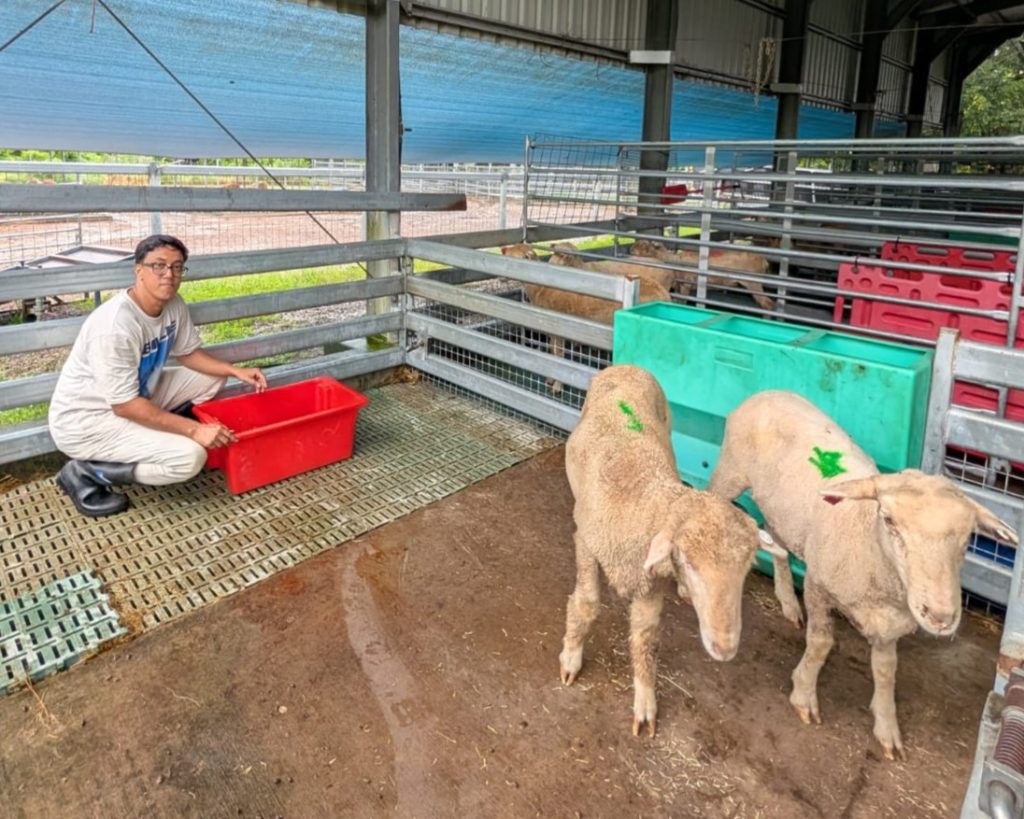
Housing and Animal Care
Methodologies for achieving Objective 1: Examine physiological responses under heat stress (rectal/rumen temperature, panting score, respiration rate, feed intake, body weight gain).
1.1 Approach and Justification
This objective will be addressed by continuously monitoring core physiological indicators (rectal temperature, ruminal temperature, respiration rate, daily feed intake, and body weight gain). These measures are widely accepted and allow real-time tracking of animal well-being under thermal stress. Feed intake and live weight gain will offer insight into how dietary interventions affect animal productivity.
1.2 Data Collection and analysis
Rectal temperature will be measured once daily at 15:00 h using a digital thermometer, while respiration rate will be determined by counting flank movements per minute at the same time of day. Rumen temperature will be continuously monitored through temperature sensors embedded in wax boluses, which will be administered orally, as described by Vesterdorf et al. (2022). Daily feed intake will be assessed by weighing the feed offered and the corresponding refusals. Body weight will be recorded on a weekly basis using an electronic livestock scale to monitor growth performance over time.
Physiological and intake data will be analysed using repeated measures ANOVA to assess treatment effects over time. Post hoc comparisons will be conducted using Tukey’s test, with significance set at p < 0.05. All analyses will be performed using R software.
Methodologies for achieving objective 2: Evaluate the impact of dietary treatments on oxidative stress indicators
2.2 Approach and Justification
To understand the internal physiological stress response, blood samples will be collected and analysed for key biomarkers of oxidative stress and heat response. These include enzymatic antioxidants, oxidative damage biomarkers, serum concentrations of cortisol, HSP70 and HSP90, which together reflect the animal’s resilience under stress.
2.3 Data Collection
Each week, 10 mL of blood will be collected from the jugular vein in the late afternoon, when the animals are expected to be under maximum heat load. Centrifugation and cold storage will be used, respectively for plasma separation and preservation. Various physiological and oxidative stress biomarkers will be analysed, including total antioxidant capacity, malondialdehyde, superoxide dismutase, catalase, glutathione peroxidase, reactive oxygen species, cortisol, HSP70 and HSP90. These biomarkers will be quantified using a combination of commercially available enzyme-linked immunosorbent assay (ELISA) kits and spectrophotometric techniques.
2.3.1 Instrumentation and Laboratory Analysis
A spectrophotometer will be used to perform colorimetric assays, including the determination of total antioxidant capacity, malondialdehyde, catalase, glutathione peroxidase, and superoxide dismutase. An ELISA reader will be employed for the quantification of cortisol and heat shock proteins, specifically HSP70 and HSP90.
2.4 Data Analysis
A two-way repeated measures ANOVA will be used to evaluate the effects of treatment, time (weeks), and their interaction on biomarker levels across the study period. This approach allows assessment of both between-group differences and within-subject variations over time. Where significant effects are detected, Tukey’s post hoc test will be applied for pairwise comparisons. All statistical analyses will be performed using R software, and results will be visualized using the ggplot2.
Methodologies for achieving objective 3: Investigate the influence of Acid Buf and Desmanthus supplementation on rumen fermentation parameters
3.1 Approach and Justification
To investigate how dietary supplementation with Acid Buf and Desmanthus influences rumen fermentation, an in vitro fermentation model will be employed using an ANKOM RF gas production system. This method allows for the controlled simulation of rumen conditions in the laboratory, enabling precise measurement of fermentation dynamics such as gas production, nutrient digestibility, and VFA profiles.
3.2 Data Collection
3.2.1 Rumen fluid collection and fermentation procedure
To evaluate the effects of dietary treatments on rumen fermentation characteristics, an in vitro fermentation system will be used using standardized ANKOM RF gas production protocols. Rumen fluid will be collected via a stomach tubing technique to avoid surgical procedures and ensure animal welfare. Approximately 200 mL of ruminal fluid will be collected per replication (pooled from three animals) at three critical time points: week 2 (post-acclimatization), week 5, and the final week of the experimental period. Sampling will occur four hours after the morning feeding using a 150-cm stomach tube with a 6-mm internal diameter. To reduce salivary contamination, the first 50 mL of rumen fluid will be discarded. Each sampling session will take approximately 10 minutes per animal.
3.2.2 AKKOM F57 bag processing
Feed samples (~0.5 g on a DM basis) will be weighed and sealed in F57 filter bags. The DM content of each sample will be determined by drying at 90°C overnight, followed by cooling in a desiccator and reweighing.
3.2.3 Processing of buffer solutions
Buffer solutions, including macromineral, micromineral, and bicarbonate buffers, as well as the redox indicator resazurin, will be prepared two days prior to fermentation following the method described by Goering (1970). A reducing solution (consisting of cysteine hydrochloride, sodium sulphide, and NaOH) will be freshly prepared on the day of rumen fluid collection. Prepared buffers will be placed on an orbital shaker at 85 rotation per minute overnight to ensure thorough mixing.
3.2.4 In vitro experiment setup
On the day of fermentation, the laboratory setup will commence between 7:30 and 9:00 AM. A water bath will be preheated and maintained at 41°C to warm buffer solutions and activate magnetic stirrers. Shaking incubators will also be set to 41°C. The ANKOM RF modules will be calibrated and configured with the following settings: load interval at 5 seconds, read interval at 5 minutes, and gas release pressure at 3 psi.
Once the buffer reaches 40°C, the reducing solution will be added, and the pH will be adjusted to 6.8. Freshly collected rumen fluid will be filtered, thoroughly mixed, and combined with the buffer solution at a 1:4 ratio (1 L rumen fluid to 4 L buffer) to create the fermentation inoculum. The inoculum will be dispensed into fermentation bottles (125 mL per bottle) using a calibrated Dose-it pump. Each bottle will be flushed with nitrogen gas to maintain anaerobic conditions, sealed, and incubated at 41°C with continuous shaking at 85 rotation per minute for 48 hours. The ANKOM system will continuously monitor and record pressure data during incubation, with automatic venting activated if internal pressure exceeds 3 psi. After one hour of fermentation, laptop setting will be adjusted, LI: 60 sec and RI:20 min.
After 48 hours, the following measurements will be analysed:
Initial substrate mass (mg)×DM content of substrate−Residue mass after fermentation (mg)×DM content of residue
Initial substrate mass (mg) × DM content substrate
iii. VFA profiling: Fermentation fluid will be mixed with 20% metaphosphoric acid in 4:1 ratio, stored at −20°C, centrifuged (13,500g for 15 min at 4°C), filtered (0.2 µm PTFE), and analysed using gas chromatography, following the method of Kinley et al. (2016).
3.3 Data Analysis
Data will be analysed using ANOVA to test treatment effects, with time and interaction terms included where relevant. Post hoc Tukey’s tests will determine differences between specific groups (p < 0.05). Associations between digestibility, gas output, and VFA profiles will be explored using Pearson correlation analysis or multivariate regression models.
Methodologies for achieving Objective 4: Characterization of microbial diversity and community shifts in rumen and faeces using molecular techniques to elucidate microbial responses to dietary interventions.
4.1 Approach and Justification
This study explores whether dietary supplementation with Acid Buf and Desmanthus alters microbial ecology in the rumen and large intestine. The gut microbial community plays a crucial role in digestion, fermentation, and host health. Therefore, identifying shifts in bacterial composition offers insight into functional responses to dietary interventions. A combination of 16S rRNA gene sequencing and bioinformatics analysis will be used to track changes in microbial diversity and structure in both rumen and faecal samples.
A similar approach has been used in studies exploring how different sheep breeds vary in rumen function, where microbial profiles were examined together with fermentation traits. This kind of combined analysis helps reveal the role of gut microbes in improving feed efficiency and managing stress in ruminants.
4.2 Data Collection
Rumen samples will be collected at baseline and at specific intervals during the feeding trial (week 2, week 5, and the final experimental week), while faecal samples will be obtained weekly directly from the rectum. Immediately after collection, all samples will be transferred into sterile 50 mL Falcon tubes, placed on dry ice in a cooler, and stored at –20 °C until further processing. Genomic DNA will be extracted from representative subsamples of both faecal and rumen liquor using a modified QIAamp® DNA Stool Mini Kit (Qiagen, Valencia, CA, USA). The V3–V4 hypervariable regions of the 16S rRNA gene will then be amplified using universal bacterial primers, and the resulting amplicons will be sequenced on the Illumina MiSeq platform to achieve high-throughput coverage and robust taxonomic resolution.
4.3 Data Analysis
High-throughput sequencing data will be processed based on operational taxonomic units and their relative abundance. Bioinformatic analyses, including alpha diversity (within-sample variation) and beta diversity (between-sample dissimilarity), will be conducted using the QIIME2 platform. Visualization of diversity metrics and Principal Component Analysis will be performed in R software. To evaluate statistical significance, independent sample t-tests will be conducted using R program.
Methodologies for achieving Objective 5: Assess the effects on carcass and meat quality traits post-slaughter
5.1 Approach and Justification
To evaluate the commercial relevance of the dietary strategies, post-slaughter carcass characteristics and meat quality traits will be examined. These traits are essential indicators of product acceptability and include pH, colour, tenderness, cooking loss, and eye muscle area.
5.2 Data Collection
Meat quality parameters will be systematically evaluated to capture the key attributes that affect consumer preference and carcass value. Meat pH will be measured at two critical time points; approximately 45 minutes (pH45) and 24 hours (pH₂₄) post-slaughter, using a calibrated portable pH meter with a meat probe, as monitoring pH decline is crucial for understanding protein denaturation, water-holding capacity, and tenderness. The colour of the Longissimus dorsi muscle will be assessed following a 30-minute blooming period using a Minolta chromameter to record L* (lightness), a* (redness), and b* (yellowness) values, providing an objective and reproducible evaluation of visual quality. Tenderness will be determined via Warner-Bratzler shear force analysis, where uniform cooked meat cores are sheared perpendicular to muscle fibres, with lower force values indicating greater tenderness. Cooking loss will be calculated by comparing the weight of standardized meat samples before and after cooking, expressed as a percentage, to reflect water-holding capacity, an important determinant of juiciness and yield. Additionally, the eye muscle area of the Longissimus dorsi at the 12th rib will be measured using either a transparent grid or digital imaging software, serving as an indicator of muscle development and overall carcass yield.
5.3 Data Analysis
Meat quality traits will be analysed using R software. Descriptive statistics (mean ± SE) will be used to summarize each parameter. To assess the effects of treatment and time on meat pH (measured at 45 min and 24 h postmortem), a two-way repeated measures ANOVA will be performed with treatment and time as fixed factors and their interaction included in the model. This approach allows for the evaluation of within-group changes over time as well as between-treatment differences. For other meat quality parameters measured once, one-way ANOVA will be used to determine differences among treatment groups.When significant effects are detected (p < 0.05), Tukey’s Honestly Significant Difference (HSD) test will be used for pairwise mean comparisons. Although Tukey’s HSD is mathematically related to the t-test, it incorporates an adjustment for multiple comparisons, thereby controlling the family-wise error rate and ensuring more reliable post hoc differentiation among group means. Data will be visualized using boxplots and line graphs to aid in interpretation and presentation.
Ethical Considerations
All animal procedures will adhere to ethical guidelines and have been submitted for approval through the JCU Animal Ethics Committee. Welfare considerations during handling, sampling, transport, and slaughter will be prioritized to minimize stress and ensure compliance with best practices.
Background and Significance of the Research Question to drought risk, vulnerability, preparedness, or resilience:
Background
Livestock contribute ~21% of global protein, providing 18.2 g per capita per day in 2022 (FAO, 2024). However, rising temperatures increasingly expose livestock in production systems, particularly in arid and semi-arid regions like Australia, to heat stress. In ruminants, exposure to elevated temperatures disrupts thermoregulatory mechanisms, resulting in increased body temperature, accelerated respiration, heightened oxidative stress, and systemic inflammation (Chauhan et al., 2021; Habeeb et al., 2023; Most & Yates, 2021). These changes compromise growth, metabolism, and overall productivity (Dada et al., 2023; Kim et al., 2022; Pantoja et al., 2024; Swanson et al., 2020). In ruminants, heat stress reduces feed intake, lowers rumen pH (<6), suppresses fibre digestion and volatile fatty acid (VFA) production, and reduces milk yield by up to 0.27 kg per day for every unit increase in the temperature-humidity index (THI) above 68 (Phosphea, 2025; Zhao et al., 2019). Meat quality is also affected, with acute or chronic heat stress producing pale, soft, exudative or dark, firm, dry meat through altered pH, water-holding capacity, and oxidative damage (Bejaoui et al., 2023; Mia et al., 2023). Building on these impacts, heat stress in Australian sheep flocks is estimated to cause reproductive losses of ~2.1 million lambs annually under current climatic conditions, with projected increases to ~2.5 million and ~3.3 million lambs under +1°C and +3°C warming scenarios, respectively (Van Wettere et al., 2024).
Australia’s sheep flock is projected to decline by 7% to 73.2 million head in 2025, with only 57.9 million sheep expected to be shorn, yielding 251.5 million kilograms of greasy wool, the lowest national output since 1904 (Meat & Livestock Australia, 2025a; Sheep Central, 2025). Rising temperatures intensify these production challenges by disrupting antioxidant defence (glutathione peroxidase, superoxide dismutase, total antioxidant capacity), immunity (immunoglobulin G and immunoglobulin M, interleukin-2). Rising temperature also modulates gene expression, leading to upregulation of antioxidant enzymes (superoxide dismutase-1, glutathione peroxidase, catalase) and downregulation of pro-inflammatory cytokines (interleukin-1β, tumor necrosis factor-α), while increasing oxidative stress biomarkers such as malondialdehyde and catalase activity (Shi et al., 2020). Short-term heat exposure (28-40°C) alters muscle fatty acid composition, increases omega-6 content and promotes proinflammatory oxidative stress (Chauhan et al., 2020). Collectively, these effects impair growth, reduce productivity, and compromise animal welfare, causing ~2.1 million lamb deaths annually in Australia, a figure projected to increase with climate warming (Brown., 2024; Caroprese et al., 2022; Tüfekci & Sejian, 2023).
Western Queensland, a major sheep-producing region within Australia, already experiences summer temperatures exceeding 35°C, with projections of a further 1.3-2.5°C rise by mid-century, thereby intensifying extreme heat events (Climate Change in Australia, 2021). Ruminants, particularly sheep, are particularly vulnerable to prolonged high temperatures due to their reliance on rumen fermentation, which generates substantial metabolic heat. Although sheep, especially Merinos, possess a relatively efficient capacity for evaporative heat loss through panting and cutaneous mechanisms compared with many other mammals, their overall thermoregulatory capacity can still be challenged under sustained high temperature–humidity conditions, particularly when wool length, high metabolic activity, or limited shade and water availability constrain heat dissipation. Consequently, heat stress disrupts rumen fermentation by reducing feed intake and causing respiratory alkalosis, which decreases ruminal pH (typically <6), impairs fibre degradation, suppresses VFA production, and alters microbial populations. These changes reduce energy availability, increase the risk of ruminal acidosis, and may elevate methane emissions (Hyder et al., 2017). At the production level, high ambient temperatures lower milk yield by up to 0.27 kg per day for every unit increase in THI above 68 in dairy cows (Phosphea., 2025; Zhao et al., 2019) and reduce carcass yield, muscle quality, and nutrient content (Prates, 2025).
Nutritional interventions
Nutritional interventions offer practical, scalable strategies to mitigate heat stress, complementing or replacing costly mechanical cooling and genetic selection approaches including:
Antioxidants and micronutrients (selenium, zinc, vitamins E and C) enhance enzymatic activity (glutathione peroxidase, superoxide dismutase), reduce lipid peroxidation, and strengthen immunity (Alhidary et al., 2015). Functional amino acids (glutamine, arginine) support hormonal balance, suppress cortisol, improve thyroid function, and maintain gut integrity under thermal load (Feyz et al., 2021). Osmolytes such as betaine stabilize cell membranes, maintain hydration, and regulate lipid metabolism and insulin signalling, improving thermotolerance and energy efficiency (DiGiacomo et al., 2023). Marine-derived supplements, particularly brown seaweeds like Sargassum latifolium, provide bioactive compounds (polysaccharides, polyphenols, carotenoids, polyunsaturated fatty acids) that enhance antioxidant capacity, thermoregulation, and growth performance in heat-stressed sheep (Ellamie et al., 2020). Novel approaches, including nano-minerals (e.g., nano-chromium picolinate) and combined amino acid supplementation (folic acid with taurine), further support oxidative stability and rumen microbial balance (Hung et al., 2021; Li et al., 2024).
Despite these advances, limitations remain. The efficacy of several additives (e.g., selenium, vitamin E, glutamine, nano-chromium picolinate) is often short-lived, their optimal dosage is unclear, and long-term field evaluations are limited (Alhidary et al., 2015; Feyz et al., 2021; Hung et al., 2021). Natural supplements can vary in composition and cost, while synthetic or nano-minerals may pose regulatory challenges. These gaps underscore the need for sustainable, cost-effective, and biologically robust nutritional strategies to enhance the resilience and productivity in heat-stressed sheep.
Diet strongly influences meat quality, as nutrient-rich feeds, particularly those enriched with in omega-3 fatty acids and antioxidants, improve flavour, tenderness, and oxidative stability (Mwangi et al., 2019; Rodrigues et al., 2024), thereby complementing production and processing practices that collectively shape consumer perception, purchasing behaviour, and the provision of nutritious, safe, and sustainably produced meat (Rodrigues et al., 2024). Yet, the effects of novel dietary interventions, such as Desmanthus, a forage legume or Acid Buf, on meat quality under heat stress remain insufficiently explored.
Algae-Derived Feed Additives: with a focus on Acid Buf
In this context, to address the growing challenges posed by heat stress in ruminants, nutritional strategies such as algae supplementation might offer a promising, natural, and non-invasive solution, especially within intensive feedlot cattle systems. Algae-based livestock feed is gaining popularity due to its high nutritional value and minimal environmental footprint, requiring no arable land or freshwater for cultivation (González-Meza et al., 2023). Both marine microalgae and macroalgae (seaweed), are rich in a variety of bioactive compounds, including antioxidants, proteins, carotenoids, polyunsaturated fatty acids, essential minerals, vitamins, and prebiotic substances (Camacho et al., 2019). These constituents can enhance ruminant health and productivity by improving fibre degradation, optimising rumen fermentation, and fostering a more beneficial gut microbial community (Choi et al., 2021). Furthermore, algae containing high concentrations of polyphenols, lipids, carotenoids, and polysaccharides exert potent antioxidant activity, thereby mitigating oxidative damage associated with exposure to elevated ambient temperatures (Matin et al., 2024).
One of the main ways that algae help mitigate heat stress is by modulating gut microbial communities (Choi et al., 2021). Under heat stress, microbial diversity is disrupted, populations of lactic acid-producing bacteria increase while acetate-producing species decline, impairing fermentation efficiency and nutrient utilization (Zhao et al., 2019). In sheep, such microbial shifts reduces microbial protein synthesis, elevates ruminal acidosis and methane emissions, and are characterized by increases in Clostridium coccoides and Streptococcus spp., and a decrease in Fibrobacter (Hyder et al., 2017). Algal bioactives such as polyphenols, polysaccharides, and polyunsaturated fatty acids can counteract these disturbances by promoting fibrolytic and acetate-producing bacteria, stabilizing rumen pH, enhancing microbial protein synthesis, and reducing acidogenic and methanogenic activity. Consequently, algae supplementation helps maintain microbial balance, fermentation efficiency, and gut integrity when ruminants are exposed to heat stress.
Algal species like Sargassum latifolium, when included at 4% of the diet, have been shown to alleviate the physiological strain associated with severe thermal load (THI: 28.55±1.62), by improving antioxidant status, thermoregulatory efficiency and respiratory and inflammatory responses, ultimately supporting better weight gain in sheep (Ellamie et al., 2020). Although dietary supplementation does not alter the external heat stress itself, that is, ambient temperature, humidity, wind speed, or solar radiation, it can modulate the animal’s internal physiological and metabolic responses to these environmental challenges. Similarly, supplementation with 3% Nannochloropsis algae has resulted in improved body weight, reduced oxidative stress markers, and strengthened immune function in Barki rams under heat stress (El-Hawy et al., 2022). In addition to these benefits, microalgae stimulate the production of carbohydrate-active enzymes, promoting more effective nutrient digestion and absorption (Mavrommatis et al., 2023).
Among algae-derived feed additives in cattle, Acid Buf (Celtic Sea Minerals, Carrigaline, Ireland), a slow-releasing rumen buffer produced from calcareous marine algae (CMA; Lithothamnium calcareum), through physical purification and micronization, effectively stabilizes rumen pH, mitigates acidosis and subacute ruminal acidosis, enhances herd performance, and optimizes dietary nutrient balance by reducing the need for traditional buffers (AB Vista news, 2025; Celtic Sea Minerals, 2025; Rossi et al., 2019). Furthermore, under heat stress conditions, Acid Buf supplementation has demonstrated significant potential to stabilize rumen pH, improve feed efficiency, and alleviate the adverse effects of heat stress in cattle (Marsh & Reeve, 2006; Sammes et al., 2024). In contrast, studies that used unprocessed CMA, during the transition period reported improved dry matter (DM) intake, milk fat yield, serum phosphorus, and reduces inflammatory markers compared with limestone-based controls in dairy cows (Neville et al., 2022). Similarly, CMA supplementation in sheep enhanced intramuscular omega-3 fatty acid content (Gómez-Cortés et al., 2021). Moreover, Acid Buf and CMA, when used as dietary buffers in cattle, effectively mitigated heat stress effects by improving gastrointestinal integrity and reducing systemic inflammation and liver dysfunction (Sammes et al., 2024).
Research also indicates that Acid Buf, the commercial CMA-derived rumen buffer, supports rumen function and enhances feed intake during heat waves, thereby improving growth performance and lowering the risk of ruminal acidosis in cattle (Celtic Sea Minerals, 2025). Notably, unprocessed CMA supplementation has been shown to consistently reduce enteric methane emissions in high-producing dairy cows by acting as an alternative hydrogen sink in the rumen and offering superior buffering capacity (Garnsworthy et al., 2025). Collectively, these findings emphasize the dual benefit of algae-derived additives, whether as processed Acid Buf or raw CMA, in promoting animal resilience and contributing to sustainable livestock production under climate-induced stress.
Tropical legumes for extensive grazed systems: Desmanthus spp.
Desmanthus spp. are drought-tolerant tropical legumes that are valued for their high biomass yield, adaptability to tropical and subtropical climates, and persistence under environmental stressors, including drought, frost, and grazing (Boschma, 2021; Gardiner, 2016; Queiroz et al., 2021). Their ability to establish on low-fertility, cracking clay soils enhances suitability for marginal and extensive pasture systems in northern Australia (McLachlan et al., 2023; Mwangi et al., 2021). Integration into grass-based pastures improves forage quality and supports sustainable livestock production (Mwangi et al., 2022). Recent research, however, demonstrates that incorporating ~20–25% Desmanthus into Buffel grass pastures can improve liveweight gain and carcass weight while reducing methane emissions during wet seasons, with no measurable effect in the dry season (Charmley et al., 2025). By contrast, although Leucaena improves animal performance and reduces methane yield through tannin-mediated effects (Stifkens et al., 2022), its widespread adoption is constrained by mimosine toxicity (Irawan et al., 2025), the need for specific rumen microbes for detoxification.
A notable feature of Desmanthus is its moderate content of condensed tannins (ranging from 2.09% DM in earlier reports to 7.27% DM in a recent study (Suybeng et al., 2021), which exhibit antioxidant activity, enhance enzymatic defences (e.g., glutathione peroxidase, superoxide dismutase), and may reduce oxidative stress markers such as malondialdehyde (Nuamah et al., 2024; Vandermeulen et al., 2018). Tannins may also modulate pro-inflammatory cytokines in ruminants (Santillo et al., 2022). Despite these benefits, reports on growth performance improvements in cattle are inconsistent, suggesting the need to refine inclusion rates, dietary composition, and animal management to maximize efficacy (Mwangi et al., 2021; Mwangi et al., 2022). Furthermore, the optimal tannin level to balance methane mitigation, nitrogen utilization, and digestibility remains undetermined (Kumar et al., 2014).
Desmanthus supports sustainability via protein supply during deficits, phenolic-driven oxidative resilience, and nitrogen fixation, reducing fertilizer needs (Cox, 2016; Fontenele et al., 2009; Gardiner et al., 2012; Kang et al., 2024). The successful commercialisation of resilient cultivars such as JCU 1–5 and the Progardes blend, now sown over 140,000 hectares, highlights both economic and ecological potential (Gardiner, 2016; Lazier & Ahmad, 2016). Together with Acid Buf, Desmanthus may improve rumen function and methane outcomes under heat stress in small ruminants, supporting profitable and environmentally responsible livestock production.
Significance
This project aims to address the research gaps on the use of tropical legumes and natural buffering agents to mitigate heat stress in sheep. While Desmanthus is recognised for its adaptability and high nutritional value (Gardiner, 2016; Mwangi et al., 2021), in vivo evidence on its effects on rumen fermentation, nutrient digestibility, and methane emissions under thermal stress is limited and the efficacy of Acid Buf in sheep is largely extrapolated from cattle. Most research has focused on physiological or behavioural responses, while often overlooking how diet, rumen microbiota, and productivity interact (Collier et al., 2019; Mishra, 2021). Integrating in vitro and in vivo assessments will help to clarify the effects of Desmanthus and Acid Buf on fermentation, microbial ecology, growth, and meat quality (Suybeng et al., 2020; Vandermeulen et al., 2018). The findings are expected to inform climate-resilient feeding strategies for sheep.
Academic and research experience relevant to the honours project:
I am currently a PhD Candidate (2025) at the College of Sciences and Engineering, James Cook University, Qld, 4811 Australia, with extensive academic and research experience in animal nutrition, oxidative stress physiology, and dietary modulation.
As an Assistant Professor at Khulna Agricultural University, I have published 10 peer-reviewed papers (233 citations, h-index: 9) in reputable journals. My research projects as Principal Investigator have focused on improving animal productivity and resilience through feed additives, including studies on probiotics, acidifiers, amino acids, and vitamins, directly relevant to mitigating heat stress. I have received several awards and fellowships, including the Best Researcher Award (2023), Outstanding Publication Award (2023), and the National Science and Technology Fellowship (2015).
My collaborations with the Max Planck Institute for Biology, Sylhet Agricultural University, and Chungbuk National University have enhanced my expertise in physiological and biochemical assessments. I am proficient in UHPLC, spectrophotometry, PCR, and oxidative stress biomarker assays (BUN, creatinine, SAA, LBP, d-ROMs, AOPP, BAP), which are directly applicable to investigating nutritional strategies for mitigating heat stress in sheep.
Principal Supervisor’s skills and experience in relation to this project topic:
Dr Saranika Talukder is a veterinary scientist and animal nutritionist with over 16 years of academic and research experience across Australia and Bangladesh. Her career reflects a strong commitment to improving sustainable livestock systems, with a focus on ruminant nutrition, methane mitigation, animal health, climate resilience, and biosecurity.
Dr Talukder holds a Doctor of Veterinary Medicine from the University of Chittagong and a Master’s in Animal Nutrition from Chittagong Veterinary and Animal Sciences University (Bangladesh). She began her academic career in 2008 as a Lecturer in Animal Nutrition at Chittagong Veterinary and Animal Sciences University, where she was later promoted to Assistant Professor. In pursuit of advanced research training, she completed a PhD in Animal Science at the University of Sydney under a prestigious International Postgraduate Research Scholarship and FutureDairy funding.
Following her PhD, she held an Endeavour Research Fellowship (Australian Govt.) at Charles Sturt University and later taught at Box Hill Institute in Victoria. From 2017 to 2023, she served as a Lecturer and Research Fellow at the University of Melbourne, contributing to teaching and multidisciplinary projects on animal production, nutrition and climate adaptation in dairy and beef cattle systems.
In 2023, Dr Talukder joined James Cook University as a Lecturer in Animal Nutrition. She coordinates the fifth-year intensive clinical rotations in the Bachelor of Veterinary Science program and teaches animal nutrition into second- and third-year veterinary science subjects. Dr Talukder has led or co-led several competitive research projects funded by AgriFutures Australia, Dairy Australia, Murray Dairy, and North Queensland producers. Her recent work includes evaluating tropical legumes and by-products for methane mitigation, assessing heat stress in sheep using sensor technology, exploring feed solutions for heat stressed animal and developing banana-based feed supplements in collaboration with Qld graziers and industry partners.
She has authored over 45 peer-reviewed publications and three books, with research featured in journals such as Animal Production Science, Virology, Theriogenology, and Animal Reproduction Science. Her research has been presented at national and international conferences (USA, Thailand, and China). With a strong commitment to regional collaboration and industry engagement, Dr Talukder’s work builds critical connections between academic research and practical solutions for the livestock sector in Northern Australia and beyond.
I am currently undertaking my PhD at James Cook University, where my research focuses on strengthening the resilience of sheep production systems under conditions of heat stress and drought. With climate variability intensifying across northern Australia, my work investigates nutritional strategies that can mitigate the adverse effects of prolonged high temperatures on livestock health, productivity, and welfare.
I chose to pursue this field because livestock production is fundamental to regional economies, food security, and sustainable agricultural systems. However, increasing heatwaves and extended dry periods significantly disrupt thermoregulation, rumen function, feed intake, growth performance, and meat quality in sheep. Addressing these challenges requires practical, evidence-based interventions that producers can readily adopt. Nutrition offers a promising pathway to enhance thermotolerance and maintain productivity during periods of environmental stress.
My current research evaluates the physiological and metabolic responses of sheep to chronic heat exposure and examines the potential of marine algae and the tropical legume Desmanthus spp. as functional feed additives. By improving rumen stability and supporting metabolic adaptation under heat stress, this research aims to reduce productivity losses and promote more drought-resilient livestock enterprises in tropical and subtropical production systems.
Future Career Goals:
My long-term career goal is to contribute to livestock nutrition and climate adaptation research that bridges academia and industry, delivering innovative, science-driven solutions that enhance productivity, animal welfare, and environmental sustainability in challenging climatic environments.
To be completed.
To be completed.