Supporting NRM Staff to Build Understanding of Land Tenure
Key takeaways
The workshop helped build a stronger understanding of the complex land tenure systems across Cape York, including Deed of Grant in Trust lands, Aboriginal Freehold and Cape York Peninsula Aboriginal Land. For producers and organisations working in the region, understanding these systems is critical for successful land management, partnerships and project delivery.
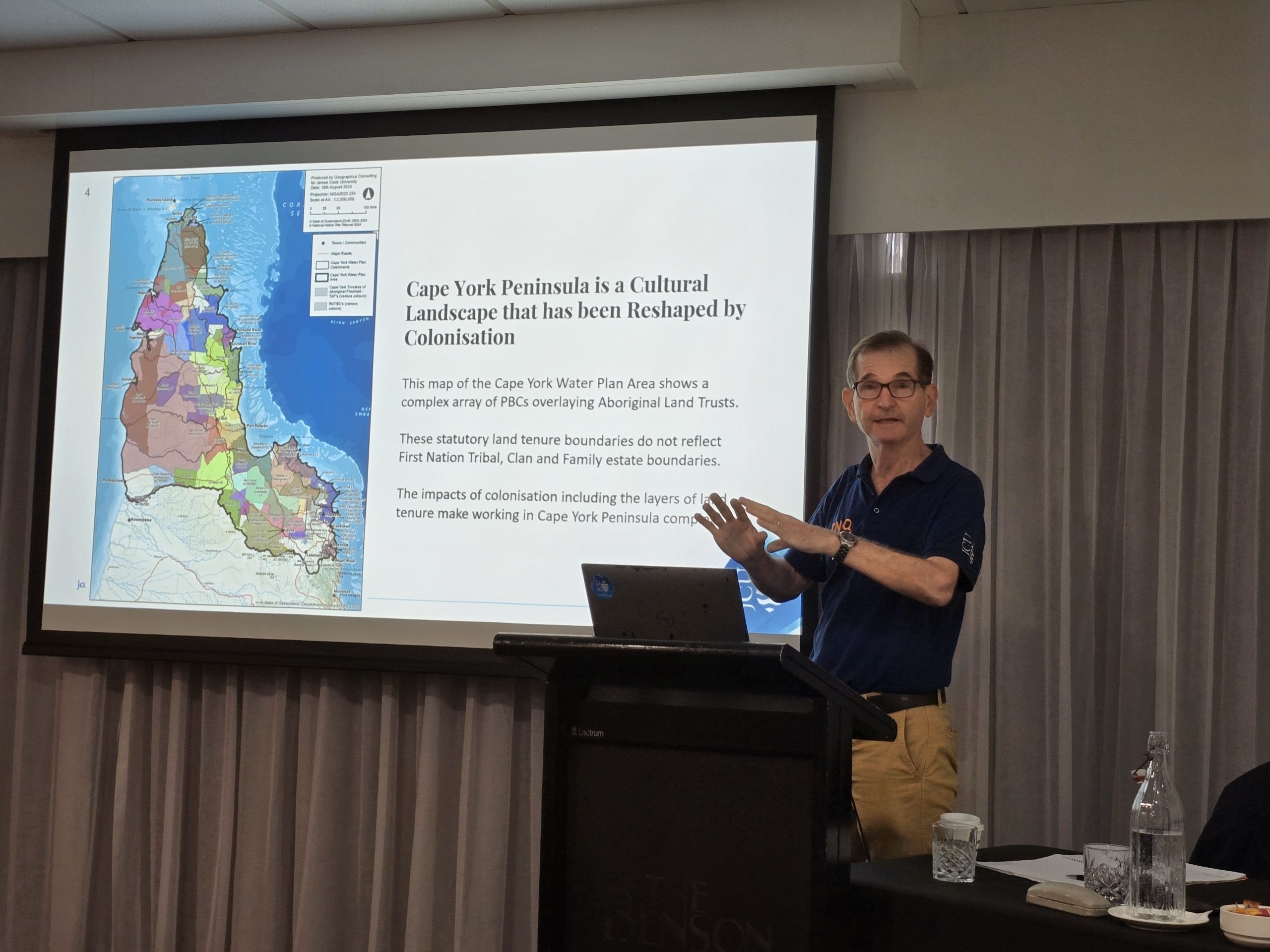
Participants explored how colonisation has shaped today’s land tenure arrangements and why First Nations cultural authority, LAW/LORE and connection to Country remain central to decision-making on land and water management.
The session highlighted that First Nations boundaries do not always align with colonial land tenure boundaries, reinforcing the importance of engaging with the right Traditional Owner groups early and respectfully when planning projects or on-ground activities.
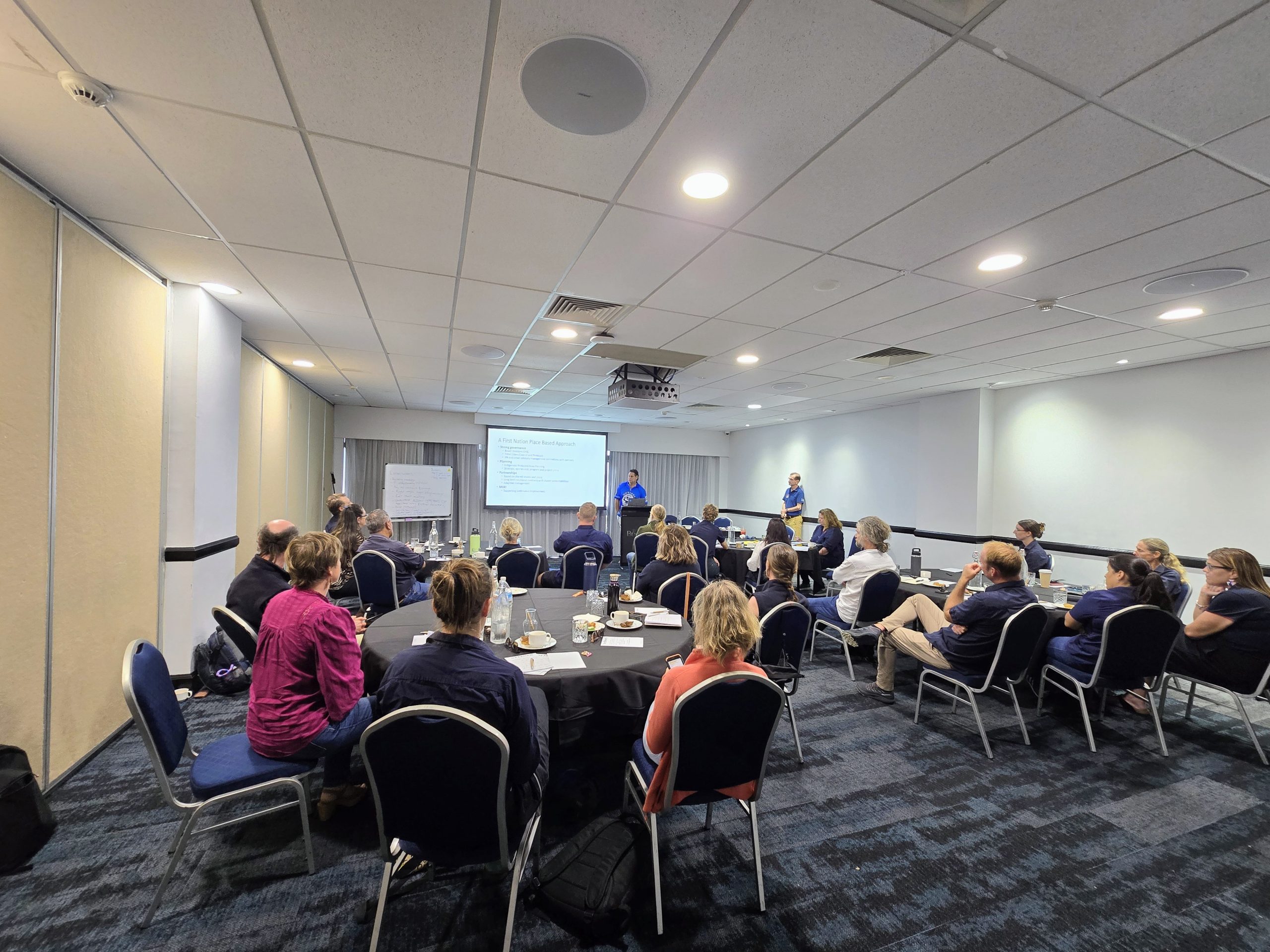
SATSIE Lead, Dr Jim Turnour, facilitated a Cape York Land Tenure Workshop for staff of Cape York NRM on Monday 20 April, with more than 20 staff in attendance. The workshop focused on building understanding of land tenure across Cape York Peninsula, including Deed of Grant in Trust (DOGIT) lands, Aboriginal Freehold, and Cape York Peninsula Aboriginal Land (CYPAL) under the Aboriginal Land Act 1991 (Qld).
The session explored Cape York as a cultural landscape reshaped by colonisation, increasing understanding of the First Nations historical context and how it has influenced current land tenure arrangements. It highlighted the importance of Aboriginal LAW/LORE and the role of Traditional Owners in determining connection to Country and cultural authority. Participants also examined the complexities of land tenure, including differences between the Aboriginal Land Act and the Native Title Act, and the fact that First Nations boundaries often do not align with colonial tenure boundaries.
Cape York Land Tenure Workshop
Keron Murray, Chairman of the Wuthathi Aboriginal Corporation RNTBC, co-facilitated the workshop and shared a Wuthathi case study that highlighted the real-world complexities of land tenure and engagement. The workshop also provided practical guidance to support staff in engaging respectfully and effectively with First Nations groups across Cape York.
The SATSIE Program aims to support regional knowledge around First Nation land and water governance and to support stronger decision-making.