Key takeaway
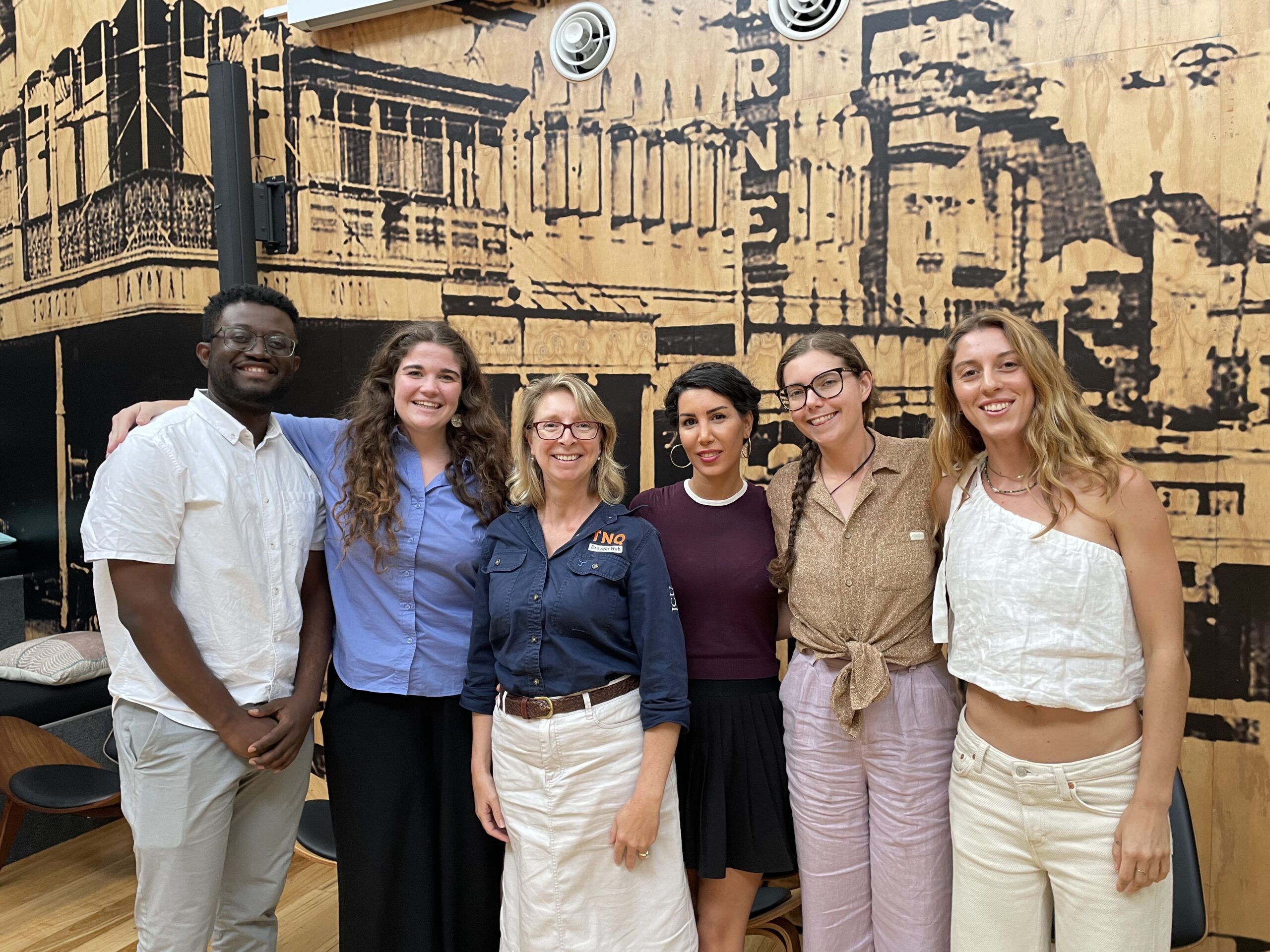
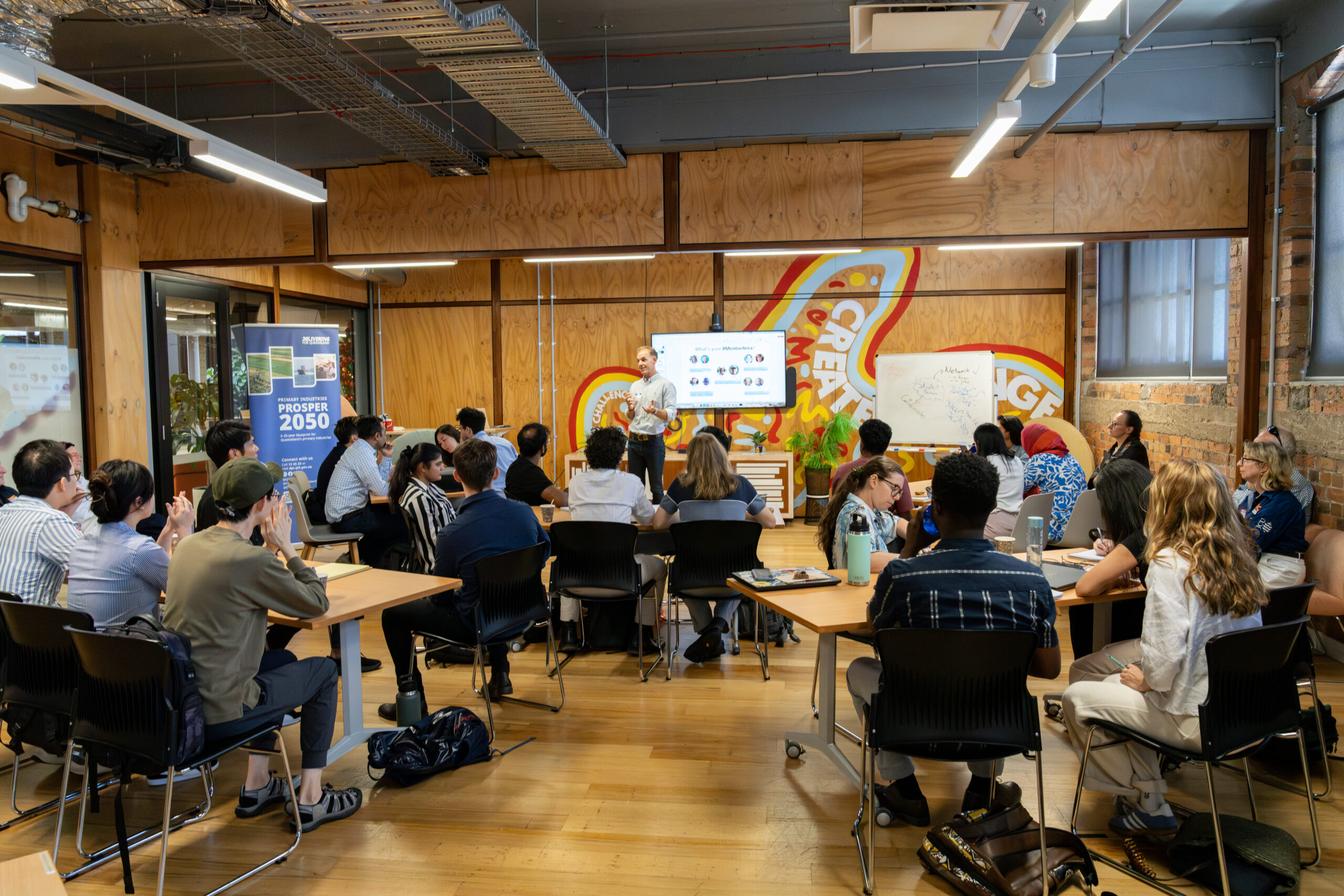
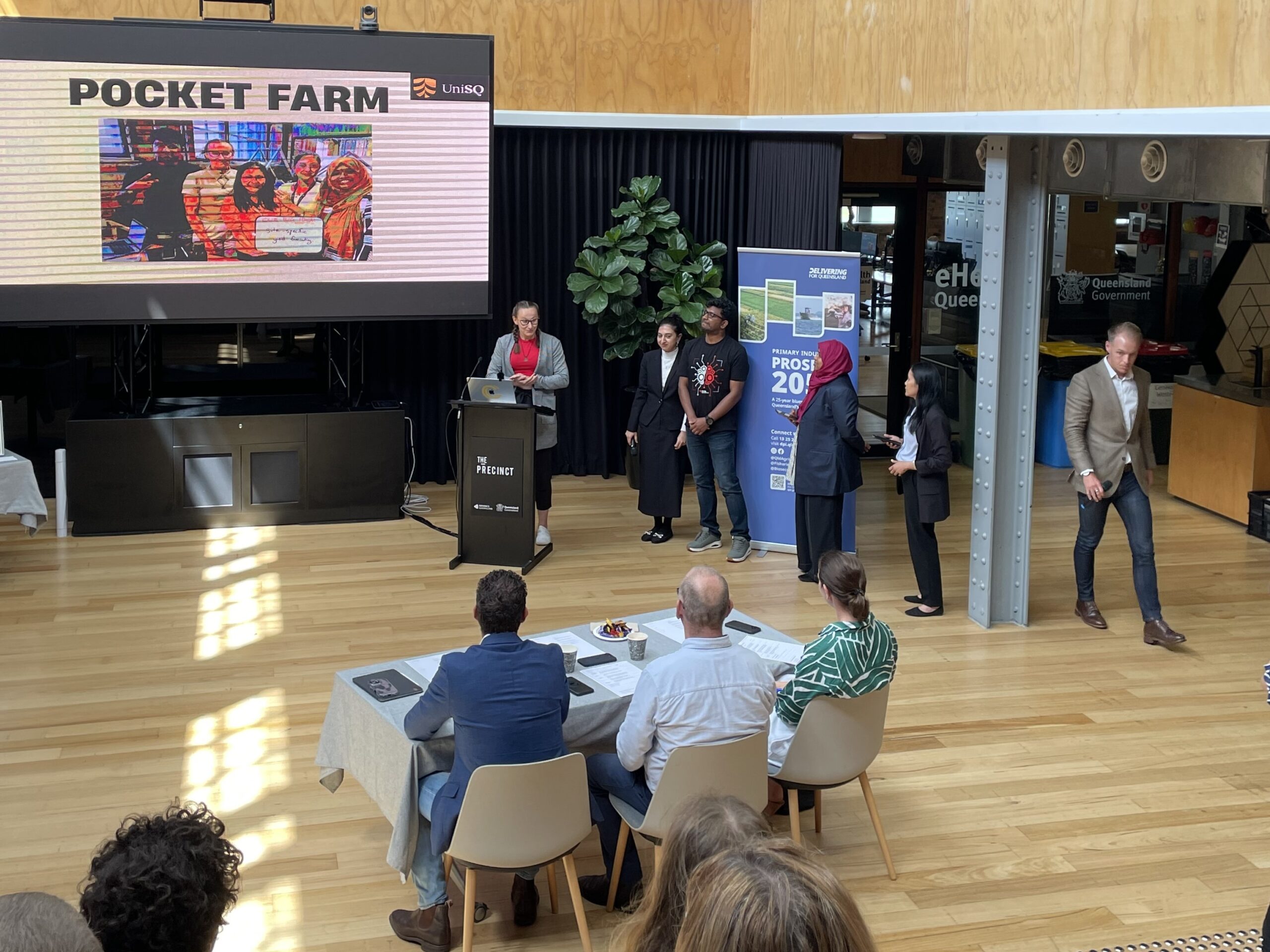
Knowledge Broker Karen George recently represented the TNQ Drought Hub as a mentor at the Queensland Department of Primary Industries Climate AgTech Hackathon, held at The Precinct Innovation Hub in Brisbane from 10 to 12 December. The three-day event brought together emerging talent, industry experience and practical problem solving, all focused on one question that matters to producers now and into the future: how to design climate adaptation solutions that actually work on farm.
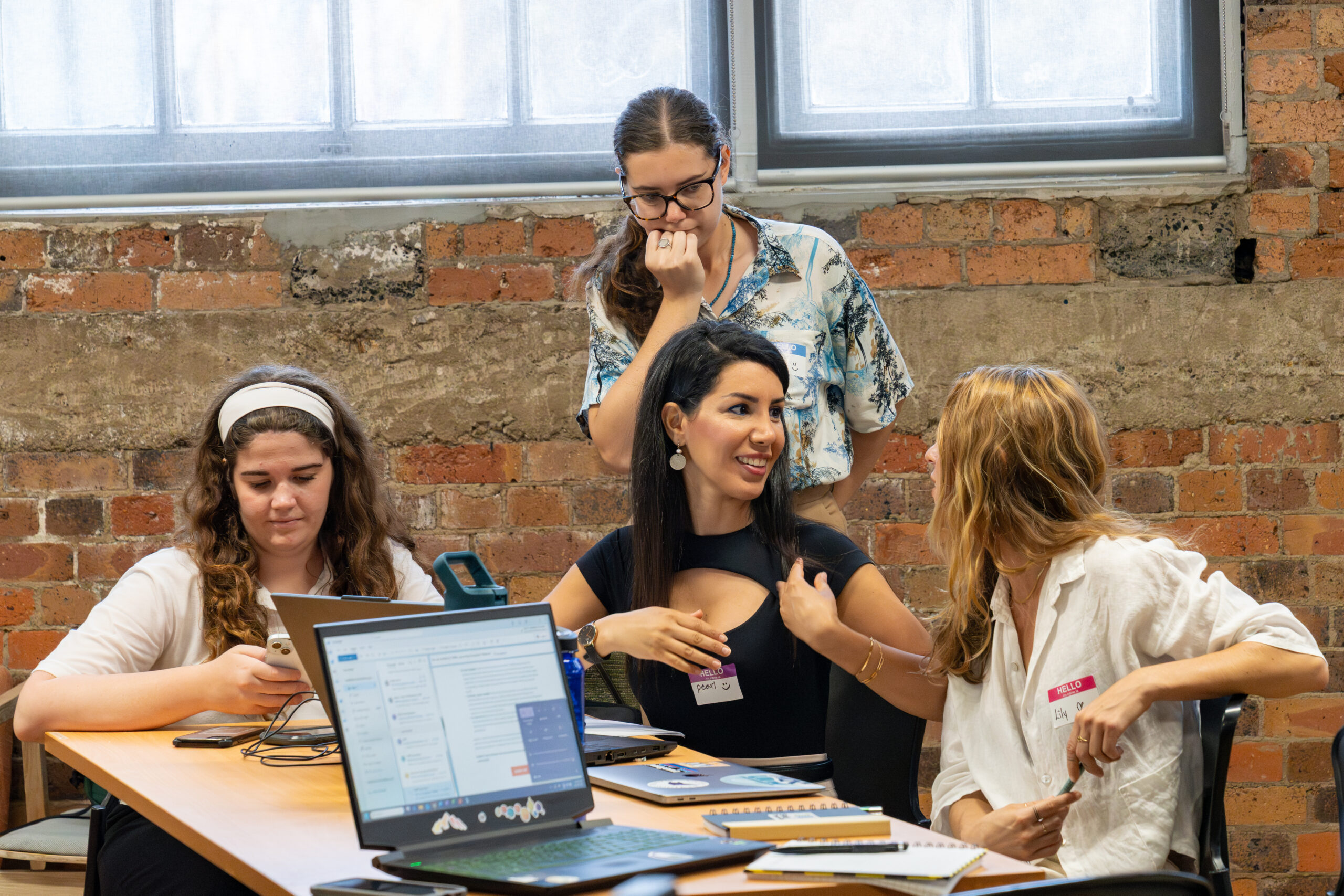
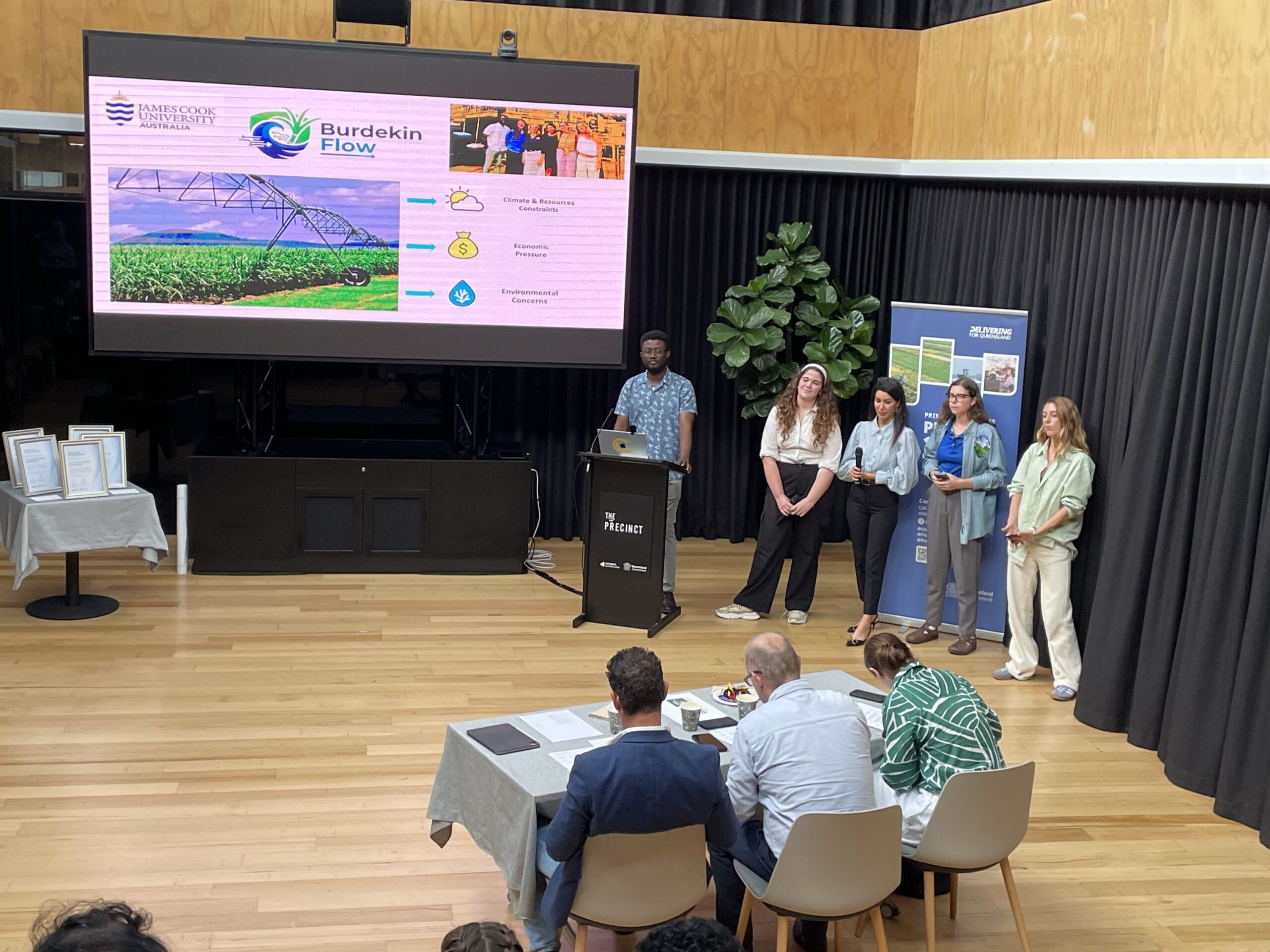
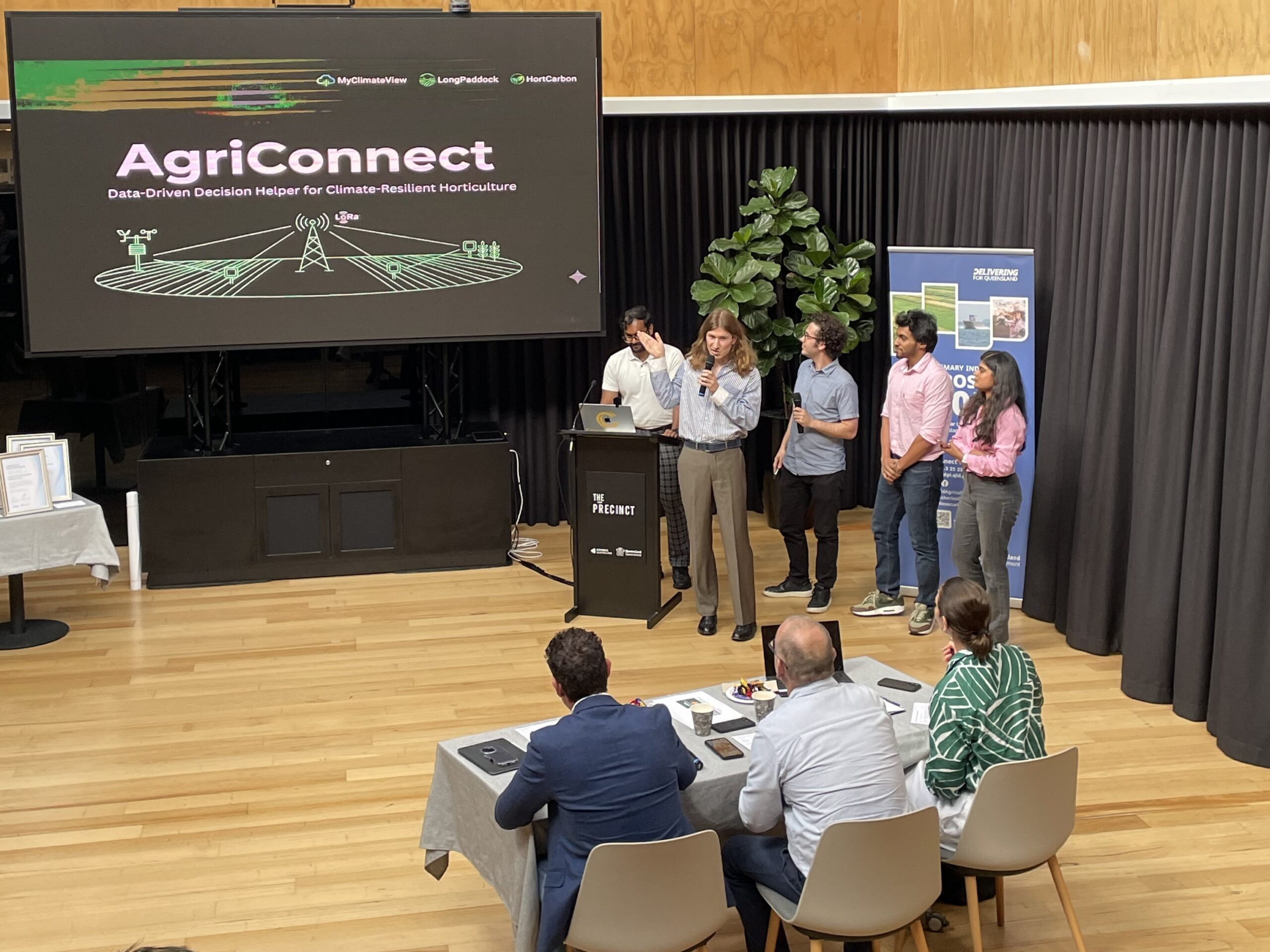
The hackathon involved five student teams from Queensland universities, including James Cook University. Each team was deliberately cross-disciplinary, combining students from agriculture or environmental science with IT or engineering, business or economics, and communications or behavioural science.
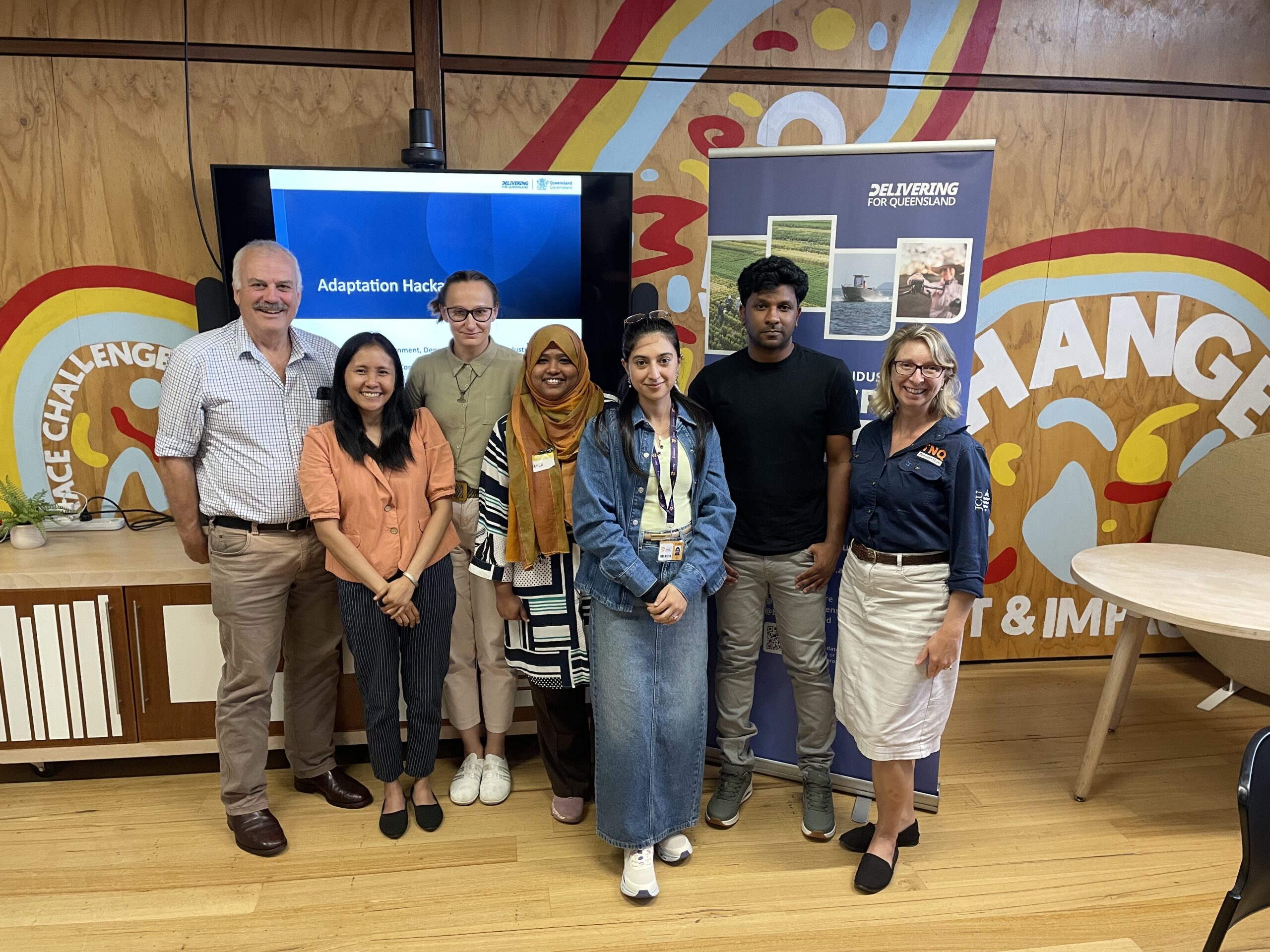
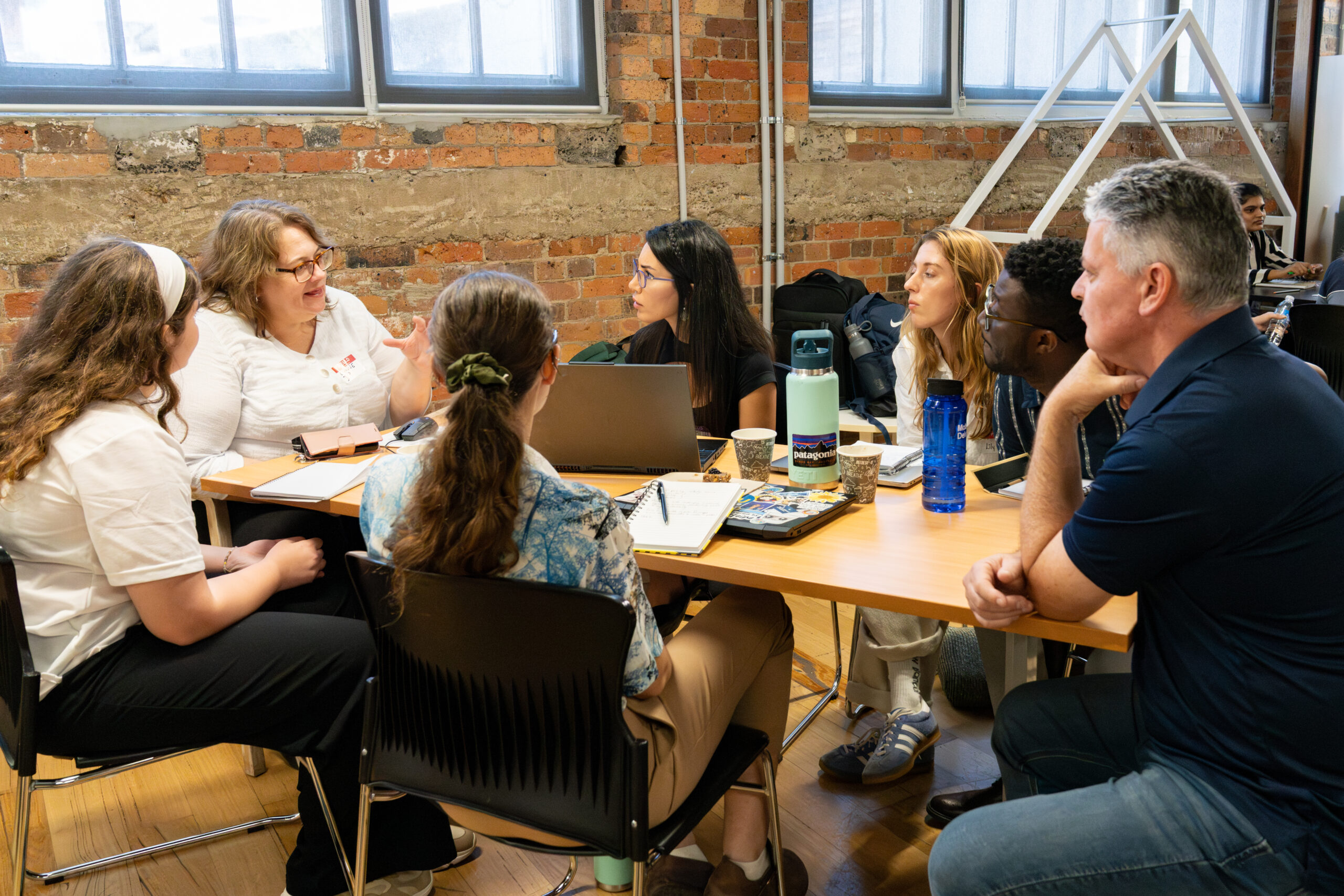
Across the three days, students worked closely with industry and government mentors. The challenge pushed teams to look beyond clever ideas alone and focus on adoption. Solutions needed to generate useful tools and knowledge, while also helping producers overcome real-world barriers to adoption, encouraging practice change, peer-to-peer learning and genuine on-farm impact.
James Cook University student Keleisha Moore said the challenge was broad but highly relevant. “The question was really straight to the point, and we had a lot of different boxes to tick. We wanted to make sure our idea was sustainable, profitable and more productive. These things are all interconnected. For example, our idea was if you are optimising irrigation, you are reducing costs and saving money while also being more sustainable.”
Karen said that while some students initially struggled to see how their discipline could contribute to climate adaptation, the transformation was clear by the end of the event. “By the final day, what they presented was absolutely marvellous. And with the use of AI they were able to make it look like some products were already developed.”
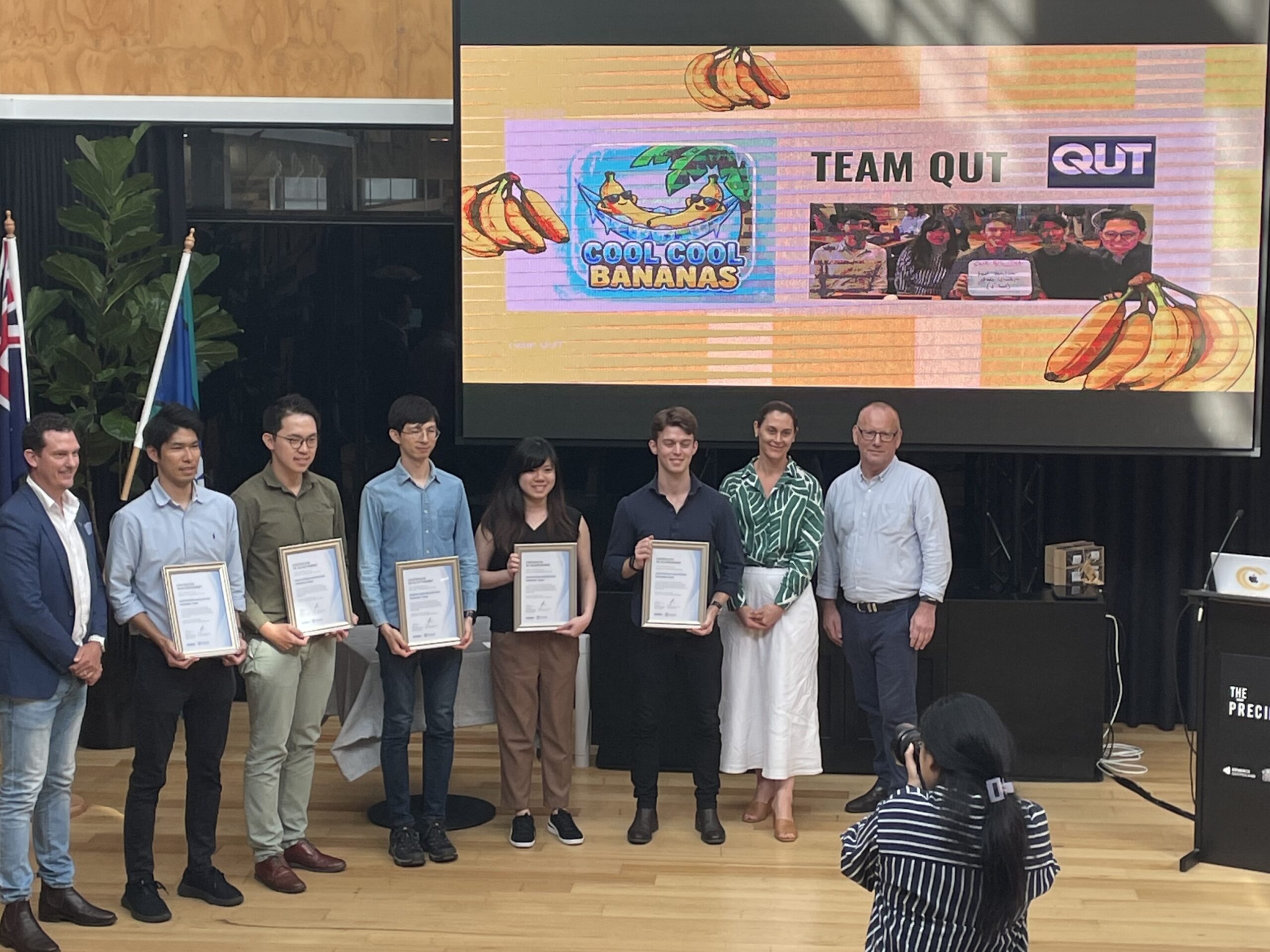
The winning team received the $5,000 prize for their concept supporting banana growers to manage rising temperatures using misting systems and app-based controls to reduce crop heat stress.
Overall, the hackathon highlighted how bringing together fresh thinking, industry insight and real agricultural challenges can generate practical, adoption-ready ideas that support better decision making in a changing climate.