Key takeaways
In early September, the TNQ Drought Hub, joined fellow climate leaders, researchers, and producers at the Northern Australian Climate Program (NACP) Annual Meeting in Darwin. The four-day event focused on strengthening drought resilience and climate preparedness across northern Australia.
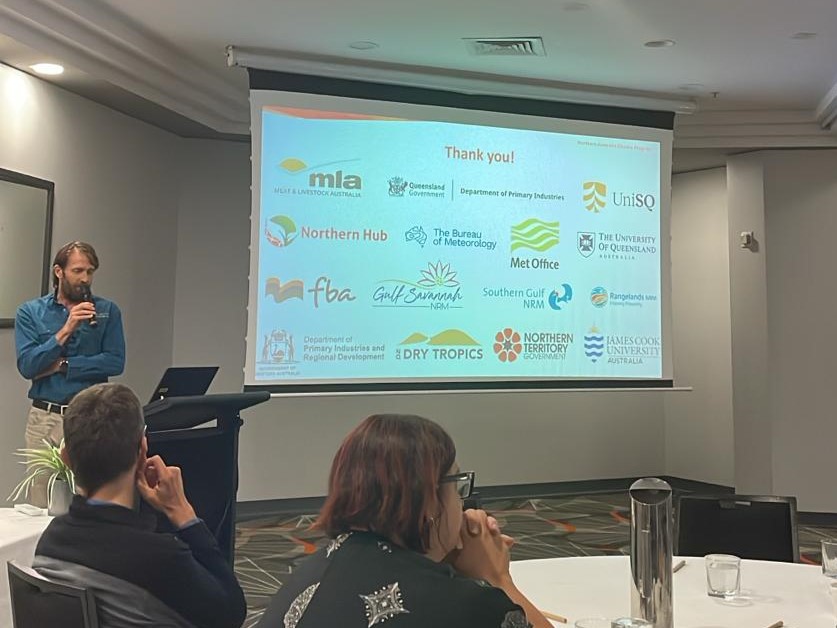
Karen George, Knowledge Broker for the TNQ Drought Hub, represented the region and shared insights into how collaborative, place-based approaches are helping producers adapt to a changing climate.
“Resilience is not just about bouncing back,” Karen said. “It’s about continuous improvement and being stronger, sooner.”
Representatives from Research and Development Corporation, DCAP, Climate Mates, Universities, Natural Resource Management Groups and other Drought Hubs shared insights, strengthened partnerships, and explored the latest developments in climate science and drought preparedness.
From Forecasts to Farm Decisions
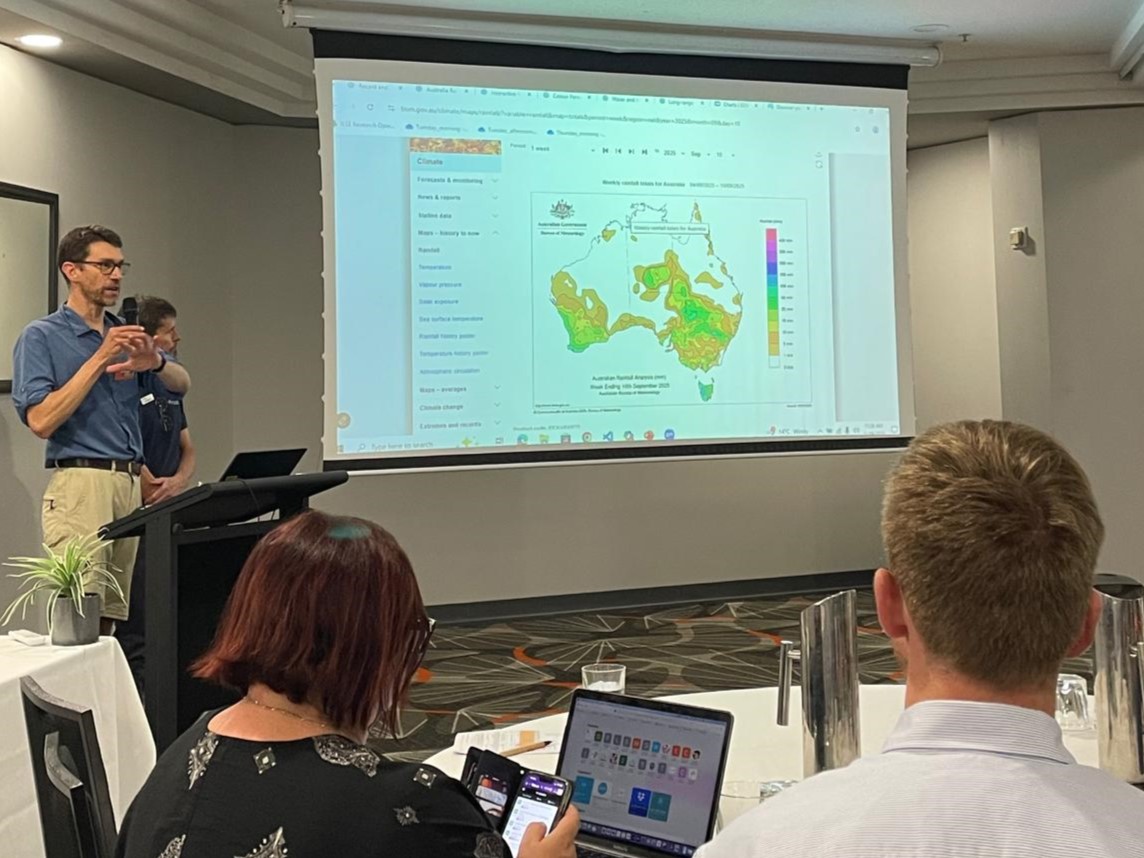
The Bureau of Meteorology (BoM) unveiled several key updates, including the introduction of “relative Niño indices” to better reflect background warming, and a new website launching in October to improve access to climate data. Machine learning models are now being trialled to enhance forecast accuracy beyond seven days, offering producers more timely and reliable information for decision-making. These tools promise faster, more reliable insights to guide grazing, cropping, and drought planning.
Impactful Outcomes
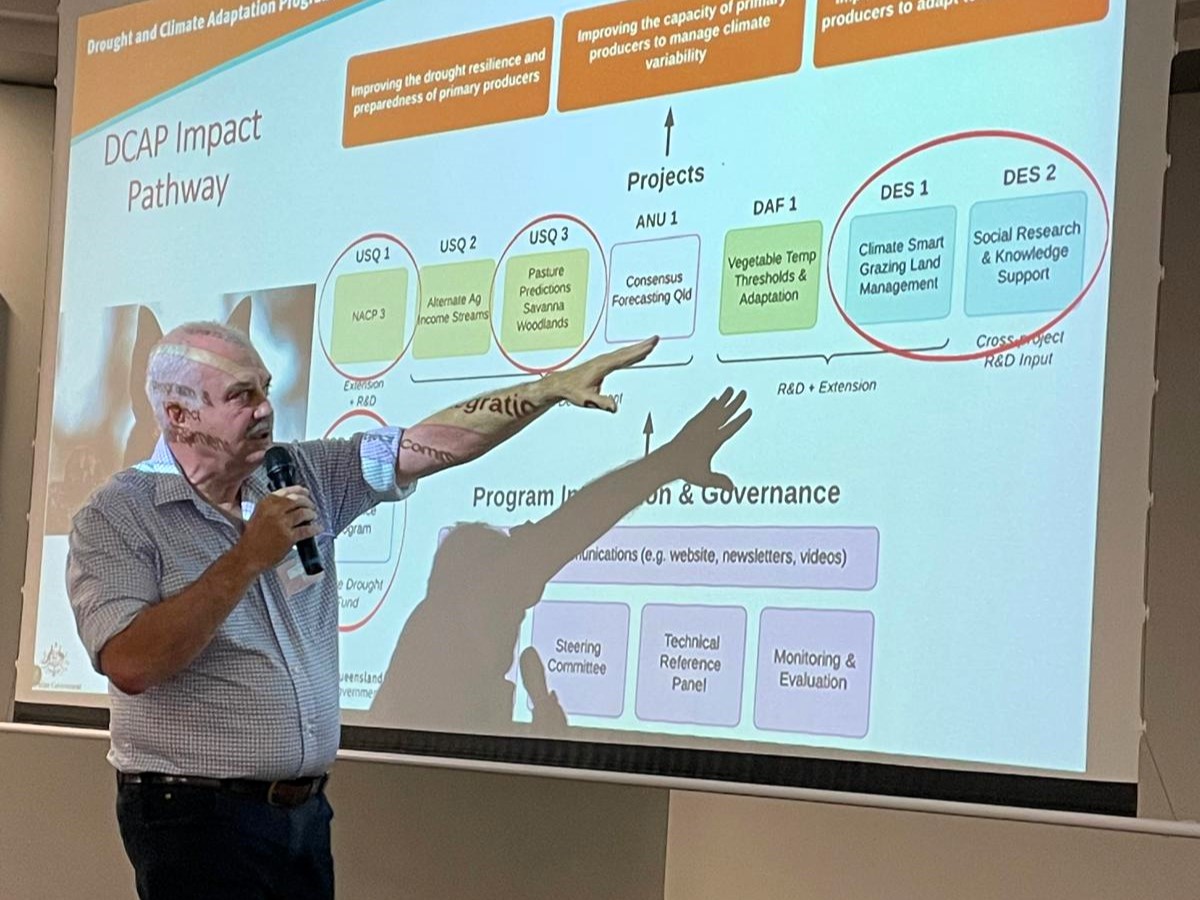
The Drought and Climate Adaptation Program (DCAP) continues to deliver high-impact outcomes, with over 440 projects funded since 2016. A strong focus on extension and applied research has led to tools like The Long Paddocks MyFORAGE mapping tool for pasture planning, the Queensland Drought Preparedness Grant and the Farm Business Resilience Program (FBRP), which has engaged more than 3,000 participants and supported over 1,200 resilience plans, helping producers assess risks and plan for climate, biosecurity, and market challenges.
Collaboration at the Core
A core focus of the meeting was collaboration, The Drought Resilience Adoption and Innovation Hub’s collaborative session showcased how Australia’s Drought Hubs are working together to deliver locally led, data-driven solutions. Karen George emphasised the importance of trusted regional networks partnering, co-investing and working with businesses, towns and on-the-ground groups to deliver targeted resilience support.
Innovation was front and centre, with new remote sensing platforms offering paddock-scale insights into heat stress, pasture cover, and soil moisture. These tools, co-designed with landholders, are helping producers adapt to shorter wet seasons and plan grazing more effectively.
On-Farm Learning at Old Cameron Downs
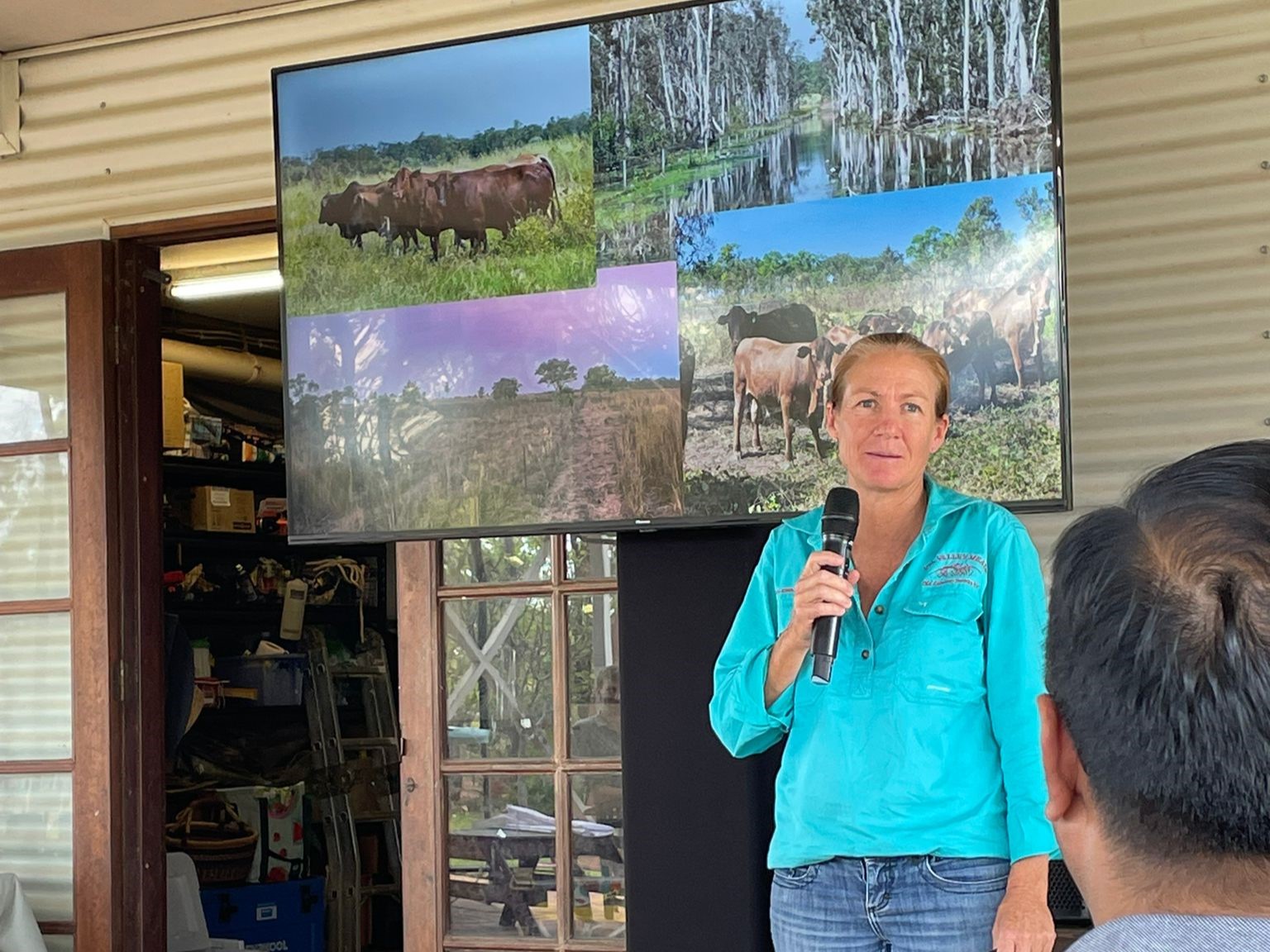
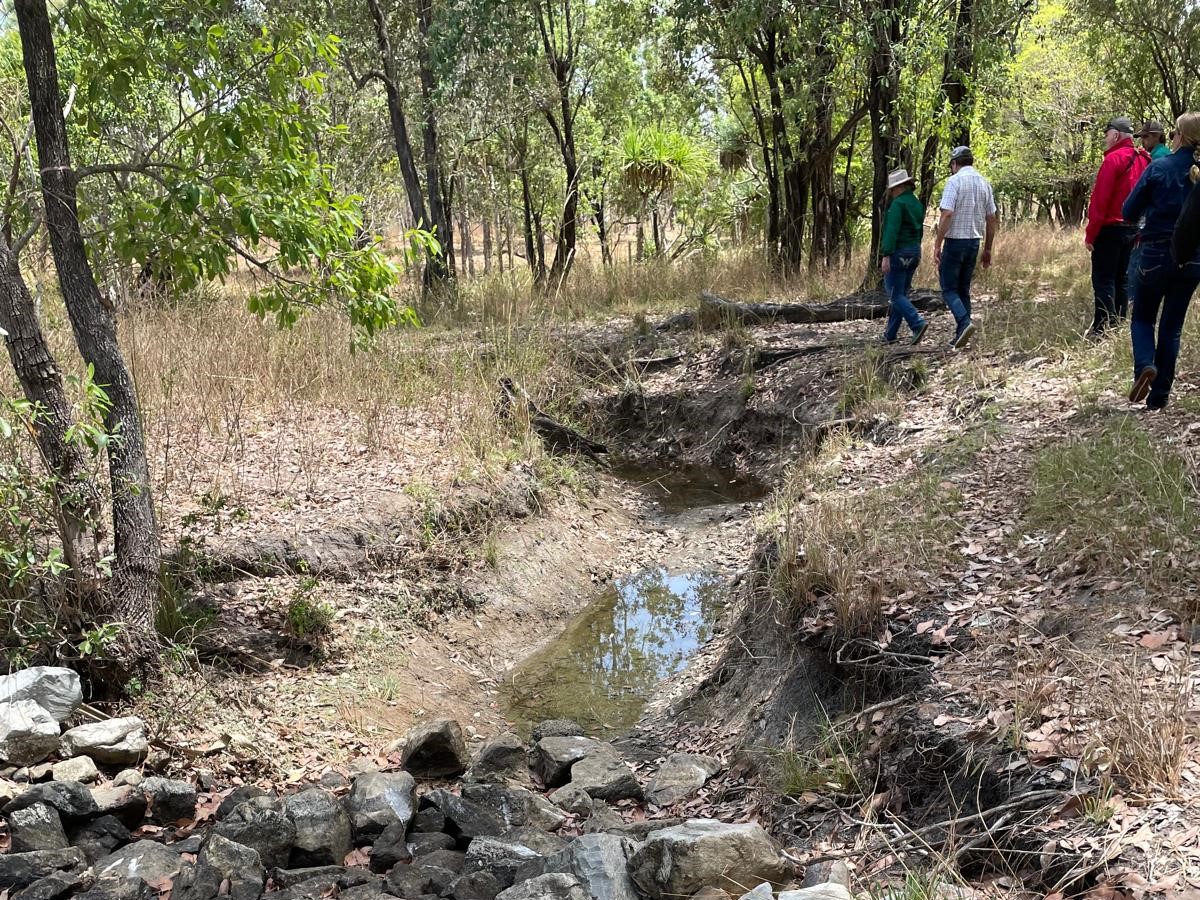
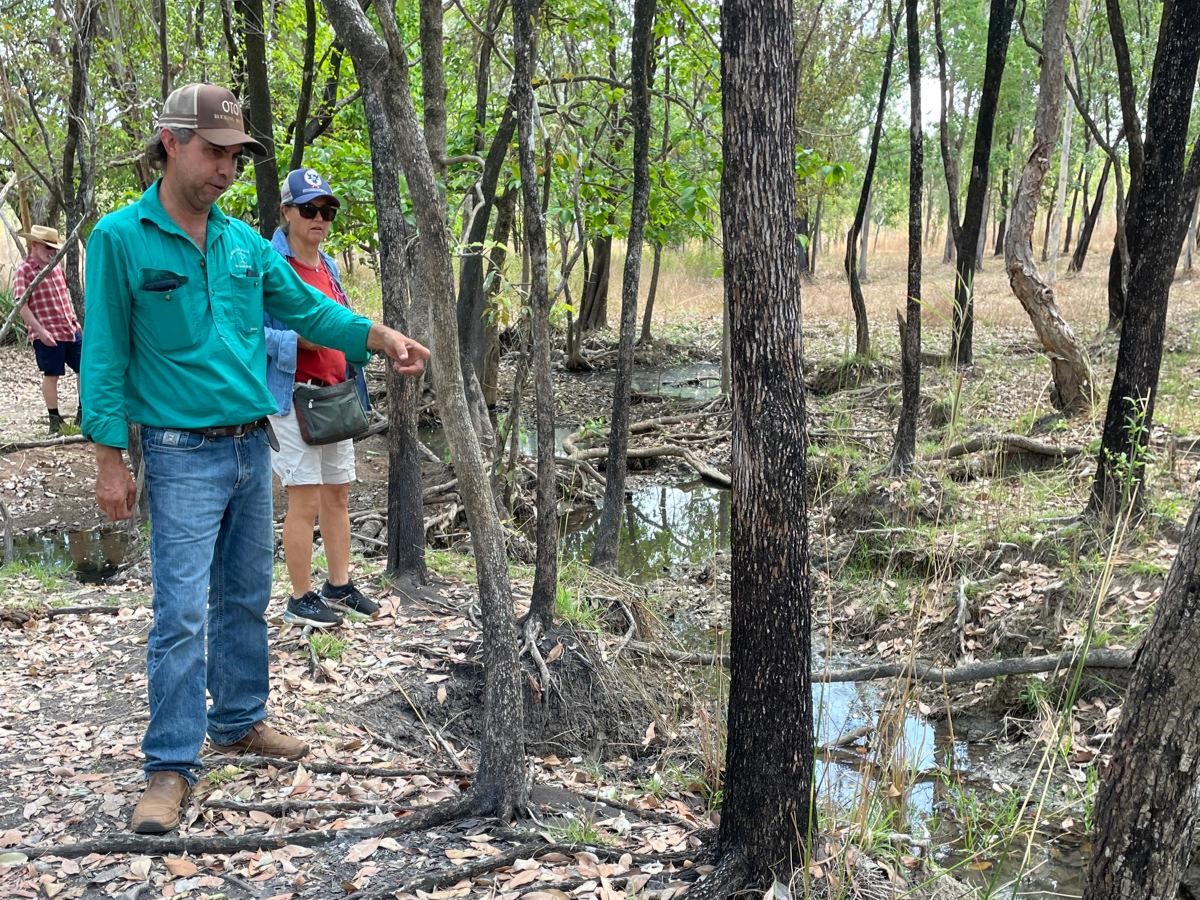
A highlight of the week was the station tour at Old Cameron Downs (Eva Valley Meats), hosted by Pete and Fiona McBean. The property demonstrated how regenerative grazing can support both productivity and ecosystem health. Karen, interviewed by ABC Darwin on the station, praised the operation’s ability to maintain green pasture and wildlife while running over 450 head of cattle across 600 hectares.
Looking Ahead
The NACP Annual Meeting reinforced the TNQ Drought Hub’s role as a connector between national science and regional action. With new climate tools, stronger partnerships, and a clear focus on producer-led solutions, the Hub is well-positioned to help northern communities plan, adapt and thrive in a hotter, more variable future.