

Background
Across Tropical North Queensland (TNQ), First Nations businesses and communities are developing new ideas and enterprises that bring together culture, country and economy. Many of these initiatives sit within the food value chain or land-based livelihoods, areas deeply shaped by climate conditions and local environmental knowledge. Yet despite strong ambition and innovation, Indigenous entrepreneurs continue to face major barriers to growth, particularly in remote regions.
Lower rates of self-employment, limited access to capital, geographic isolation and complex land and governance systems all make it harder for businesses to start, grow and remain viable. A changing climate adds further pressure. Hotter temperatures, shifting rainfall and longer dry periods threaten food systems, cultural land management and emerging enterprises.
Despite these hurdles, Indigenous leaders and entrepreneurs are forging opportunities in agriculture, food value chains and other land-based industries. What many of them need most is not technical or financial support, but stronger networks – connections with peers for shared learning, and pathways into broader industry, research and government circles. Building these connections is critical to share knowledge, spark innovation and create pathways to long-term drought and climate resilience.

Why This Matters
Resilience is more than surviving the next drought. It’s about creating sustainable livelihoods and strong communities that can adapt to change and thrive for generations. For Indigenous businesses in TNQ, resilience begins with relationships. Social capital—the networks of trust, collaboration and shared knowledge—provides the foundation for innovation and growth.
Strengthening internal networks (bonding social capital) helps remote businesses feel less isolated and more supported. Building external connections (bridging social capital) opens access to new markets, expertise, funding and climate information. Together, these networks help business owners make informed decisions, incorporate climate projections into planning, and build strategies that withstand drought and other shocks.
This matters not only for individual businesses but for entire communities. When Indigenous enterprises grow, they create jobs, strengthen cultural practices, support food security and build local economies rooted in country. By embedding climate awareness into business development, communities are also better prepared for the future and able to respond to extreme weather, maintain land-based livelihoods and protect cultural knowledge.
What We Are Doing
The activity is focused on fostering innovation and connection among Indigenous businesses and communities. Through the TNQ Drought Hub, the SATSIE program is building trusted relationships with Indigenous entrepreneurs, listening to their needs and responding with tailored support. The program prioritises businesses involved in the food value chain or land-based livelihoods, where understanding climate risks is vital for long-term success.
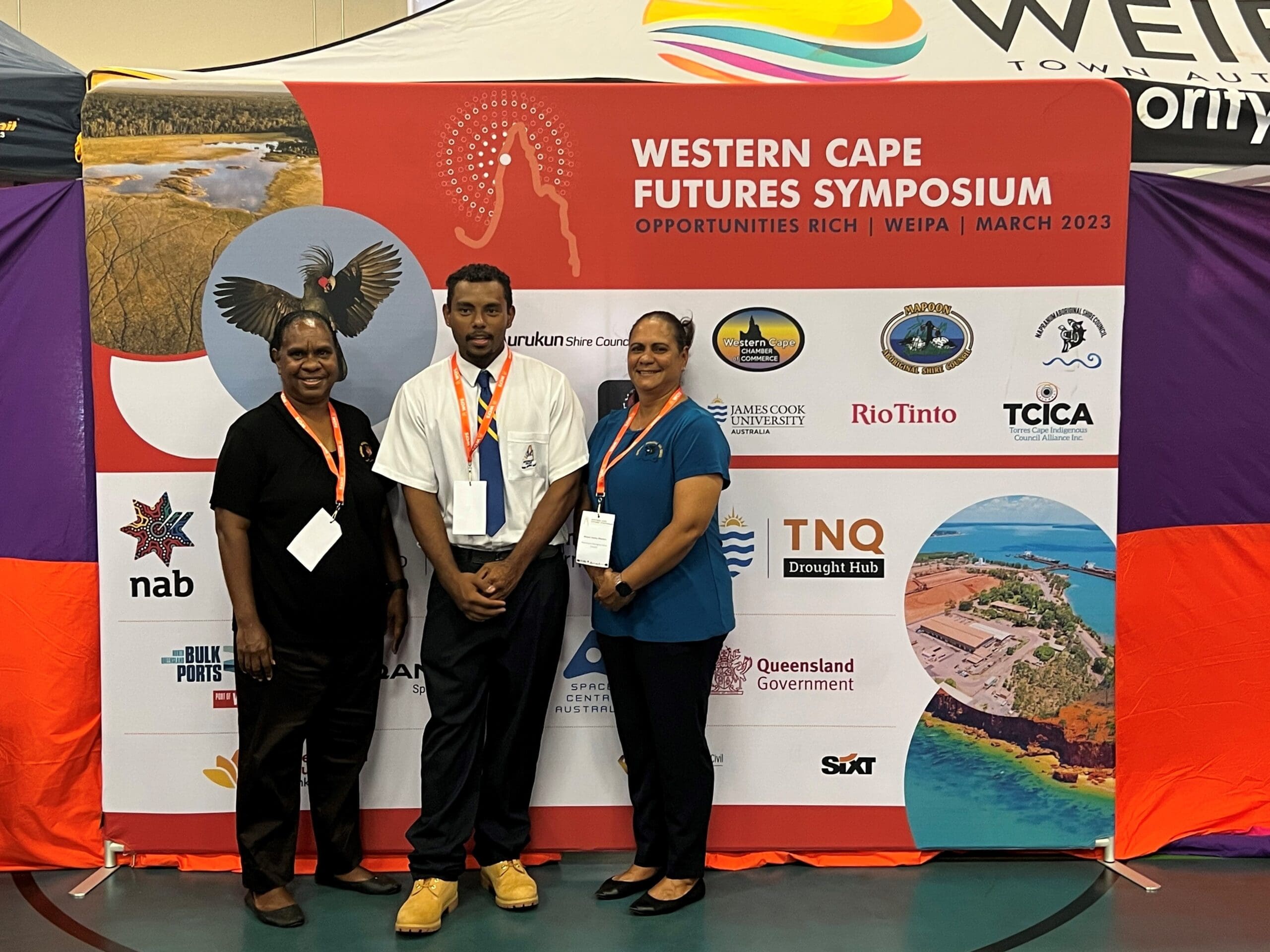
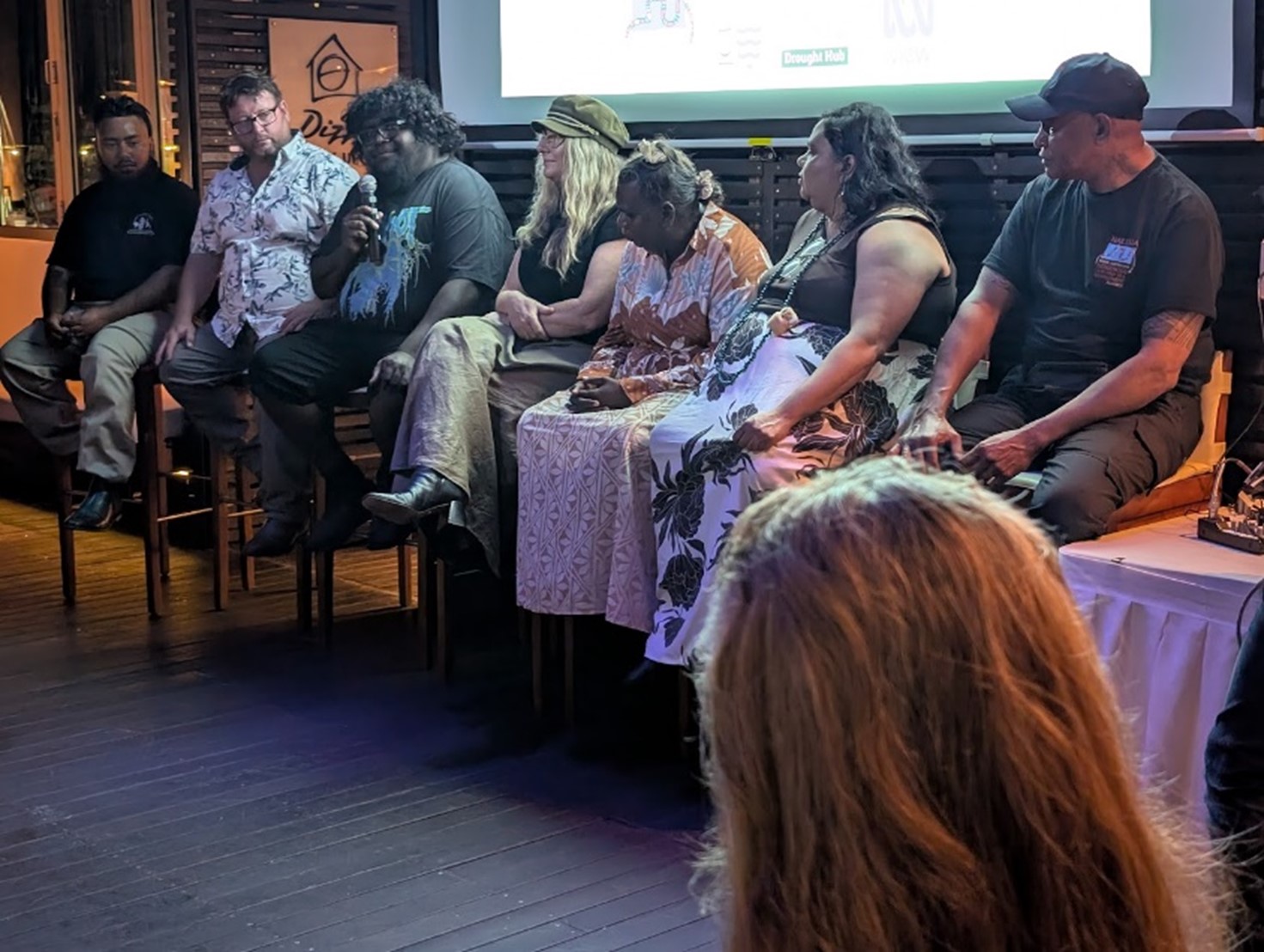
This activity supports both established and emerging networks, including the Queensland Indigenous Business Network (QIBN) and the Western Cape Futures Symposium, which the SATSIE program helped to establish. These forums create opportunities for peer-to-peer learning, enabling Indigenous business owners to share experiences, explore climate information and strengthen their capacity to manage drought impacts.
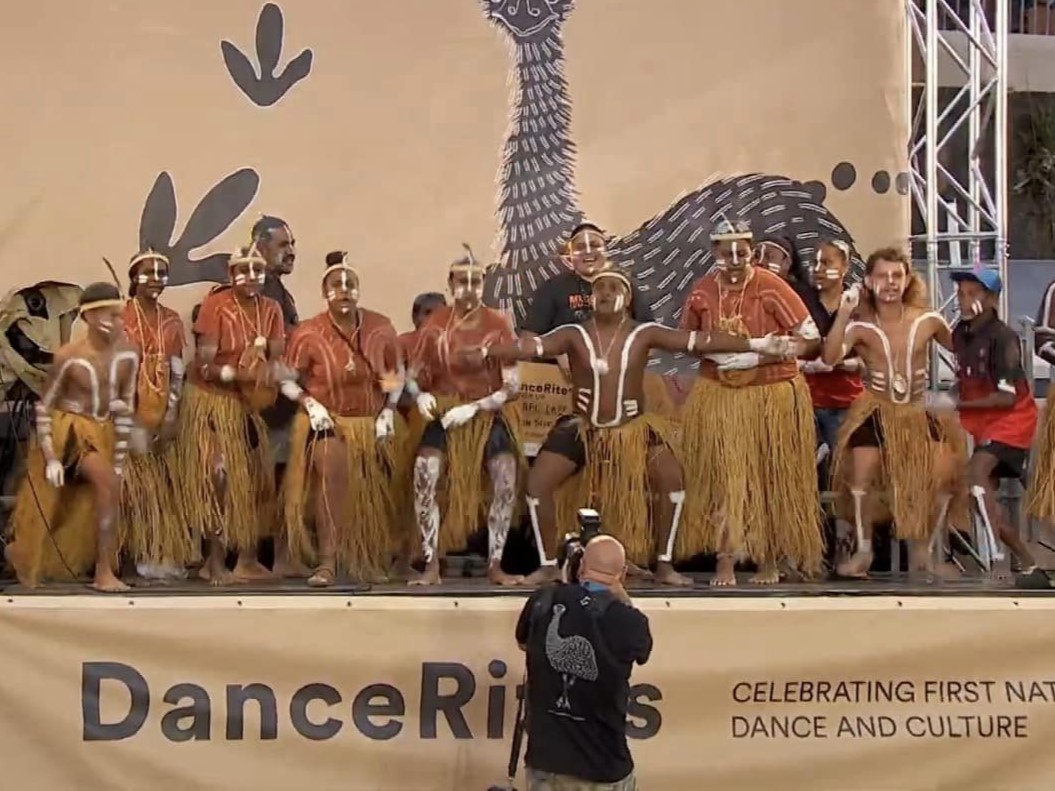
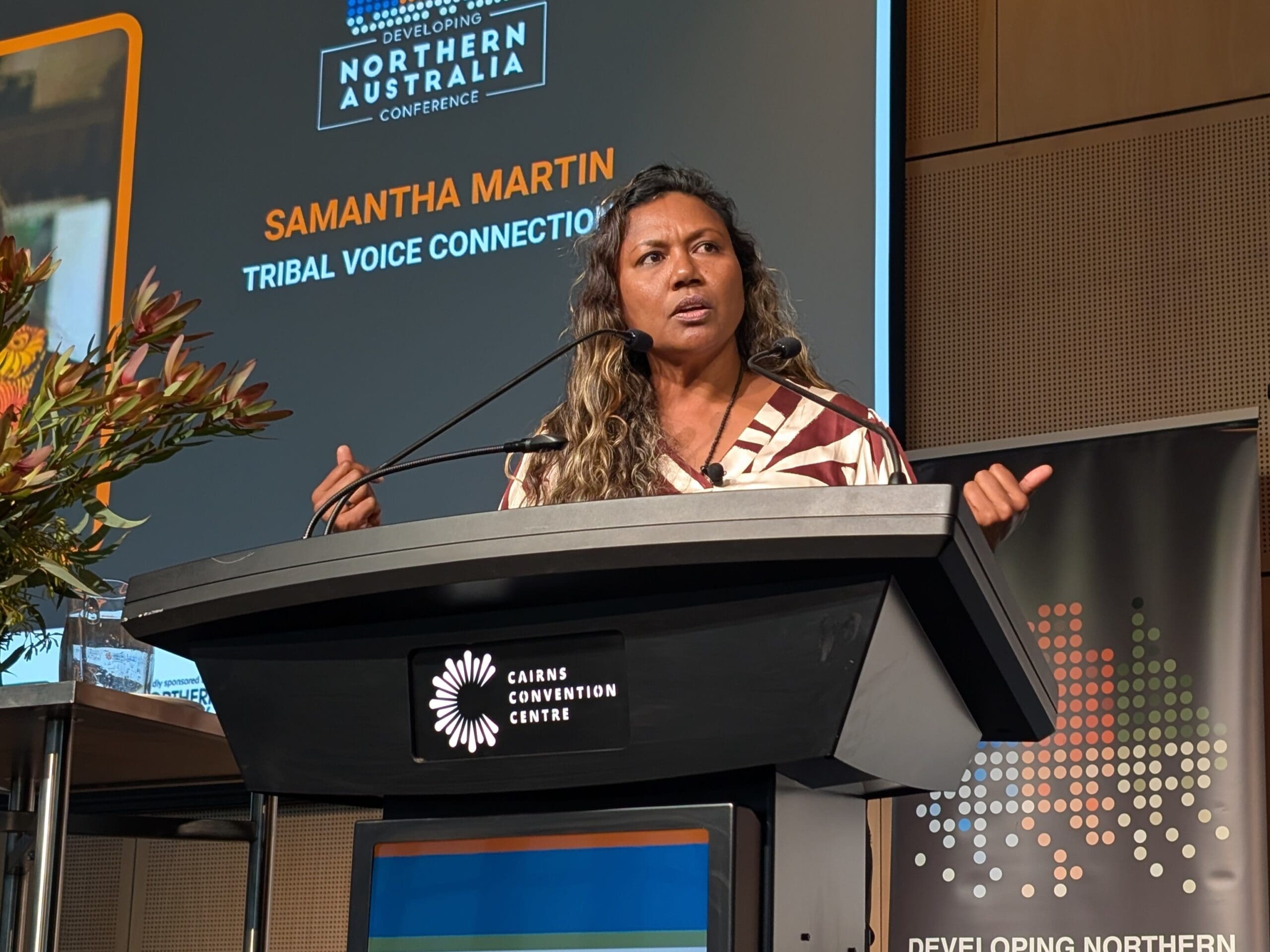
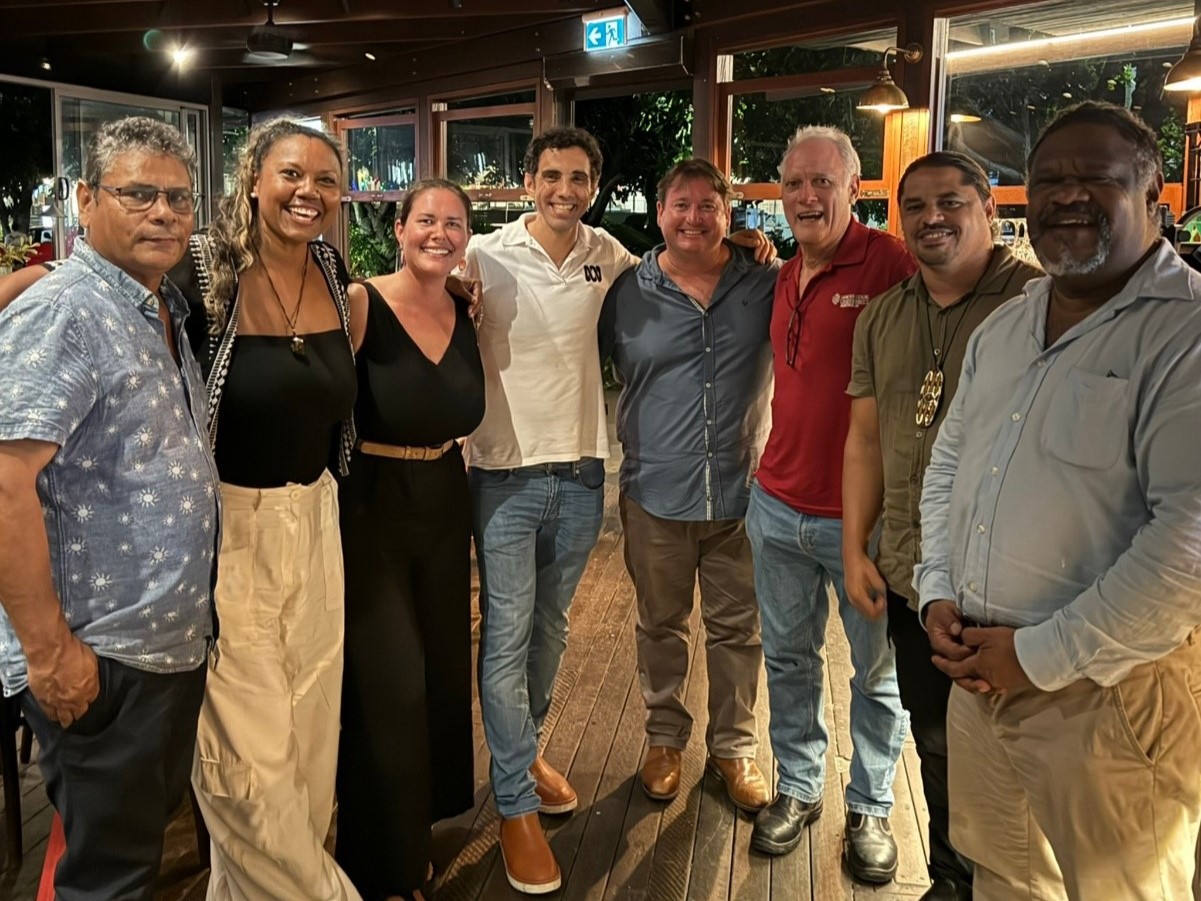
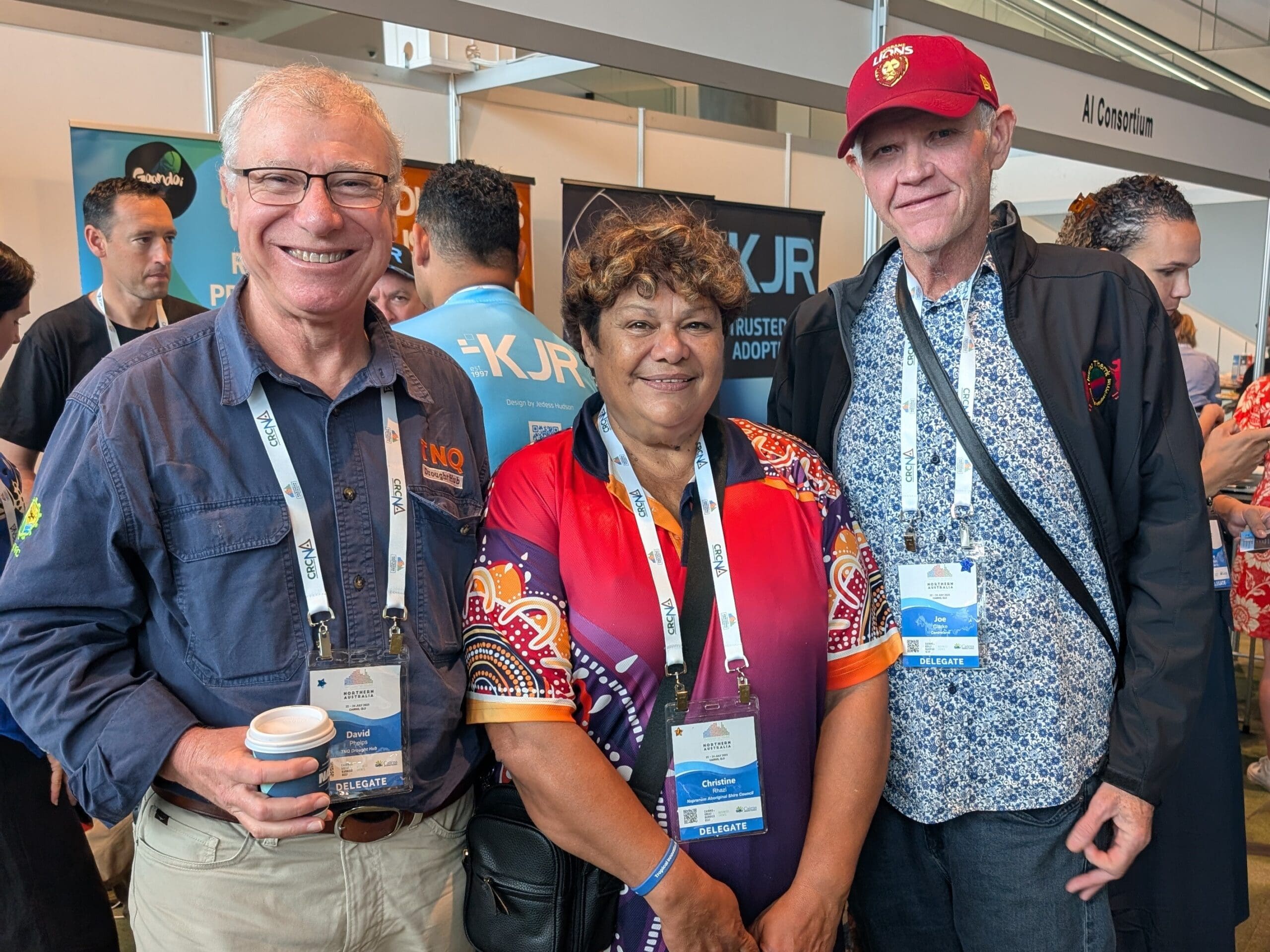
It also supports a wide range of events and workshops that help Indigenous businesses build skills, share experiences and create partnerships. These include activities such as Blak Coffee networking events, NAILSMA’s “Eat the Invaders” initiative, Indigenous food and business expos, water forums, and national gatherings like the Developing Northern Australia Conference and the National NRM Conference.
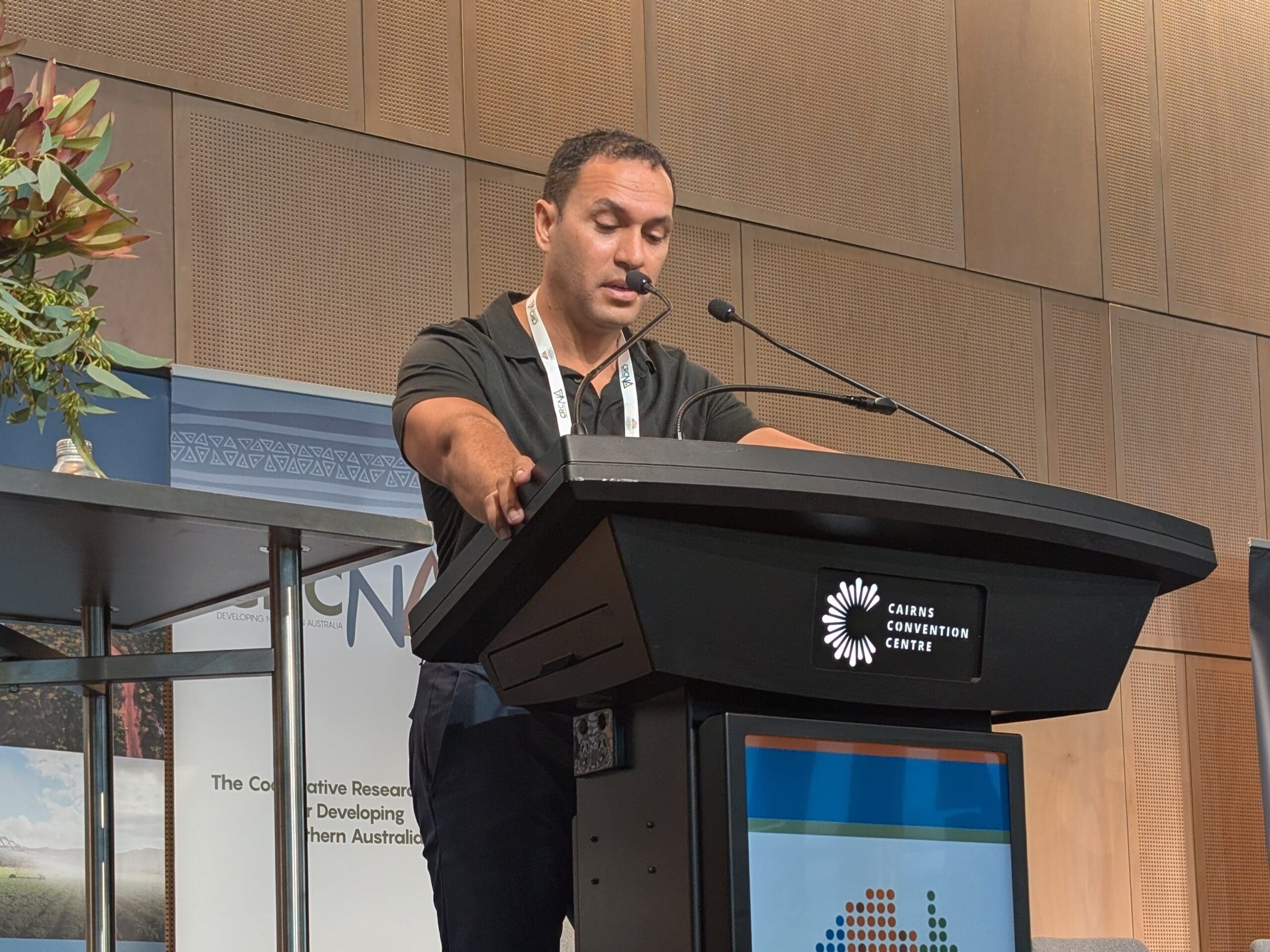
Importantly, the program elevates Indigenous voices by supporting leaders and entrepreneurs to attend and present at major forums. Their contributions highlight local innovation, share practical insights on drought and climate resilience, and inspire others across the region.
Young people are also supported through programs such as AFL Cape York House, to achieve improved educational outcomes for students from across Cape York and the Torres Strait who desire a future in the food value chain or land-based livelihoods.
Through these efforts, this activity is helping Indigenous businesses and communities access the connections, climate knowledge and confidence they need to grow. By investing in people and relationships, the project is laying the groundwork for resilient economies and stronger communities. Ones that can adapt to a changing climate while staying firmly rooted in culture and country.