Key takeaways
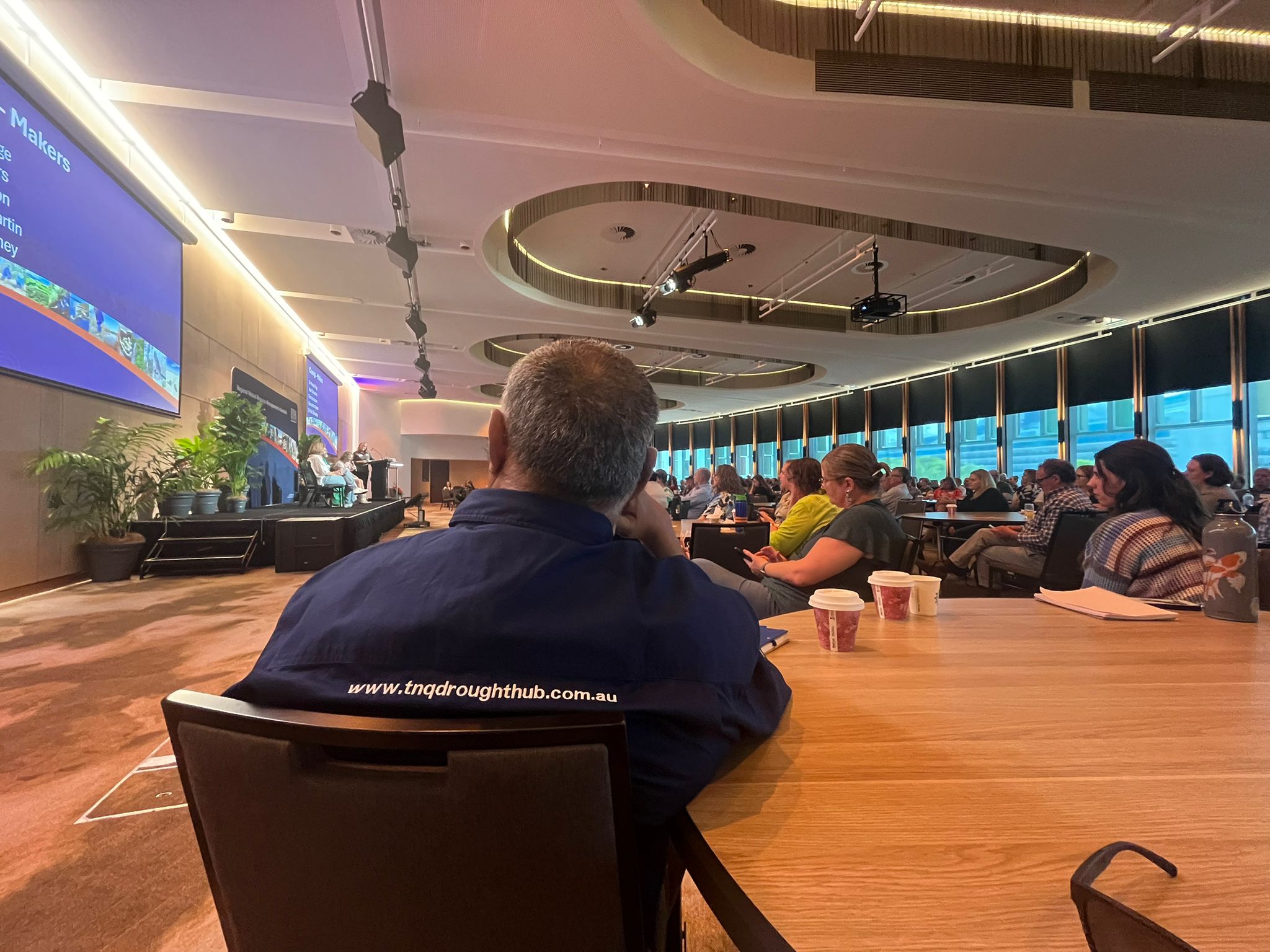
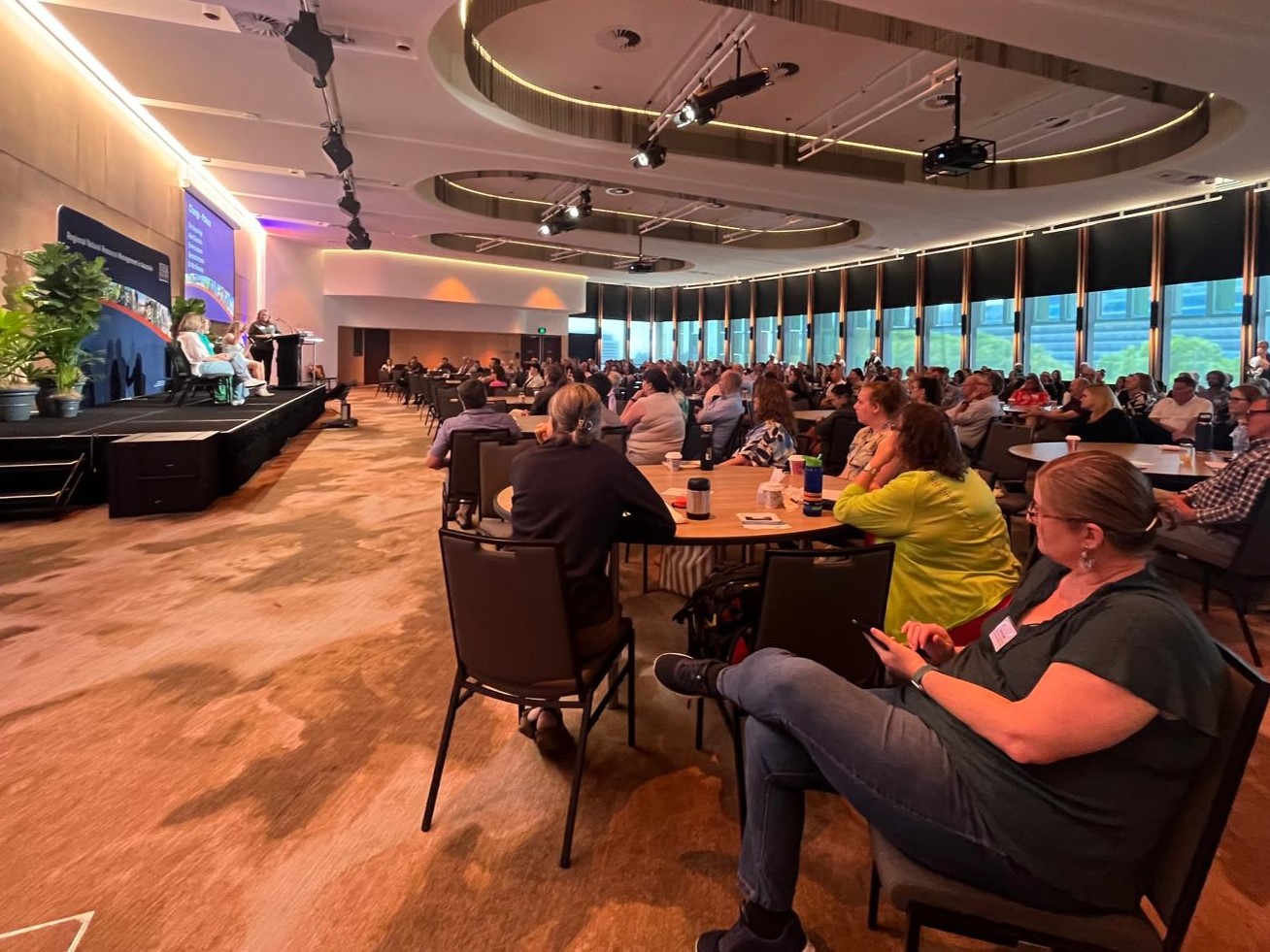
The 9th National NRM Knowledge Conference, held in Cairns from 8–12 September, celebrated 25 years of Australia’s regional natural resource management (NRM) model. With the theme Changing Landscapes and New Horizons, the event brought together practitioners, researchers, policymakers and community leaders to reflect on achievements and plan for the next 25 years of caring for country.
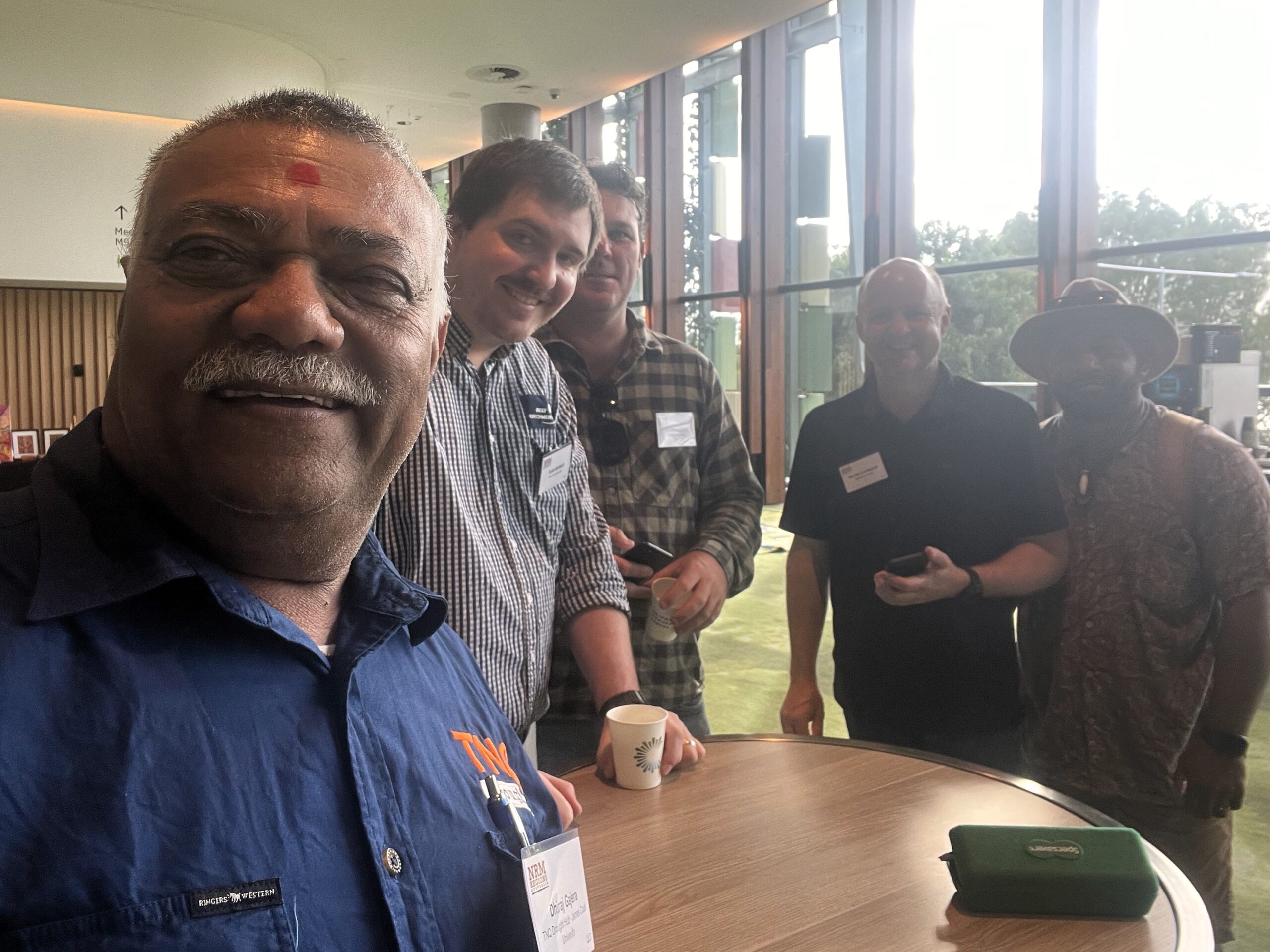
The conference highlighted innovation, resilience, cultural knowledge, ingenuity and the importance of collaboration to address complex environmental challenges. Delegates explored topics ranging from artificial intelligence and ecosystem services to Indigenous enterprise and nature-based climate solutions. Workshops, field trips and poster sessions showcased cutting-edge projects while creating space for sharing lessons and building partnerships.
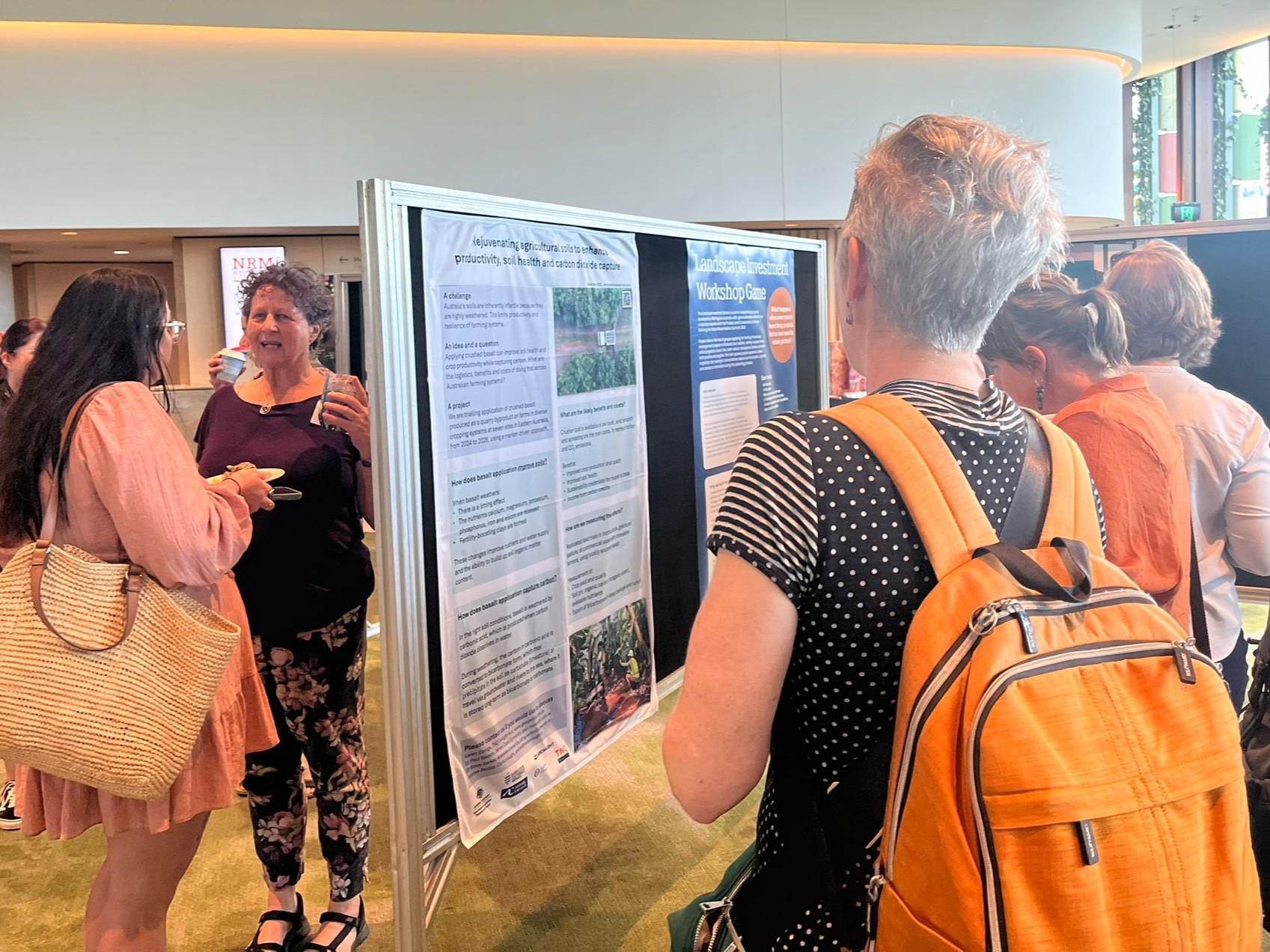
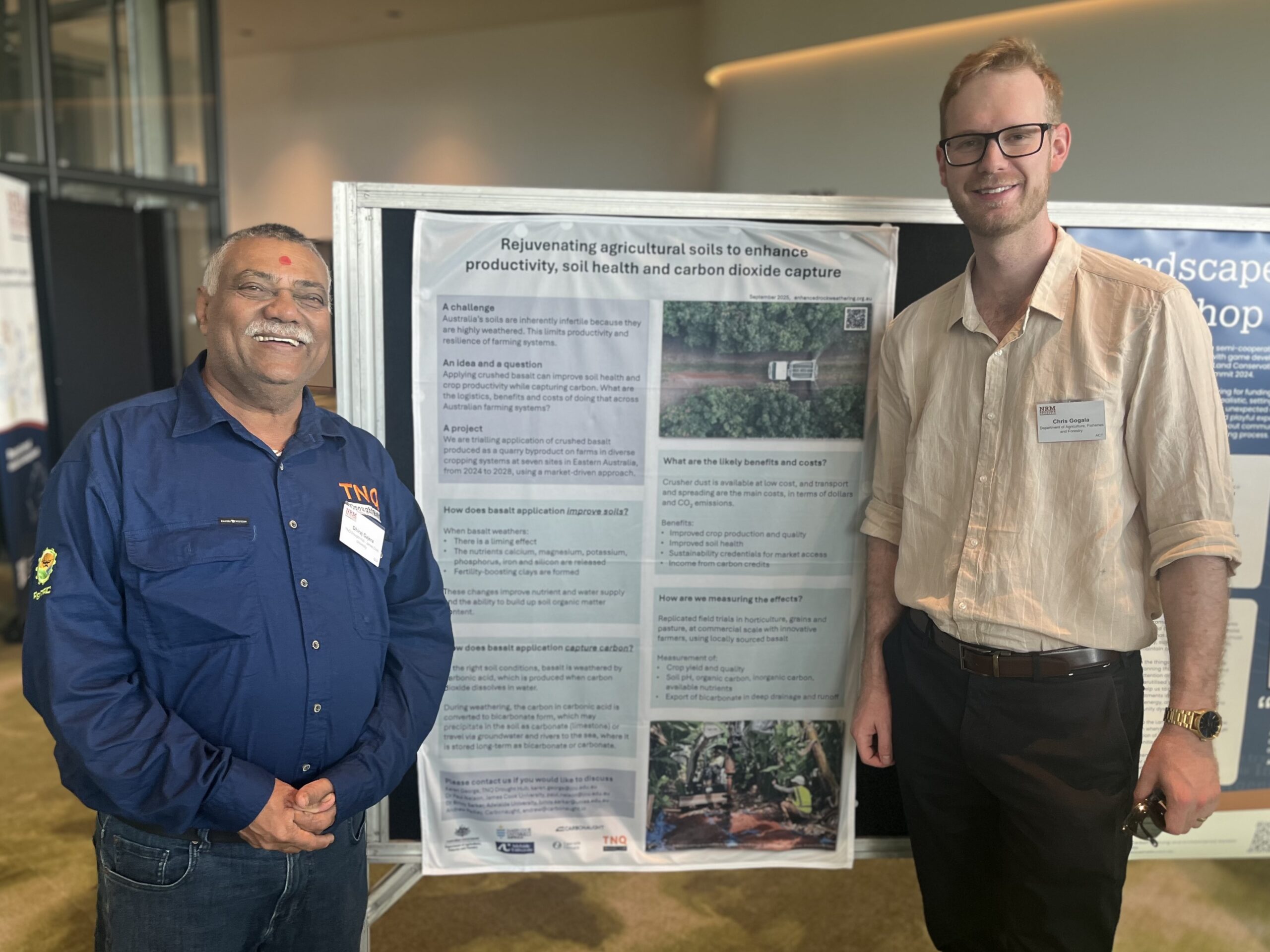
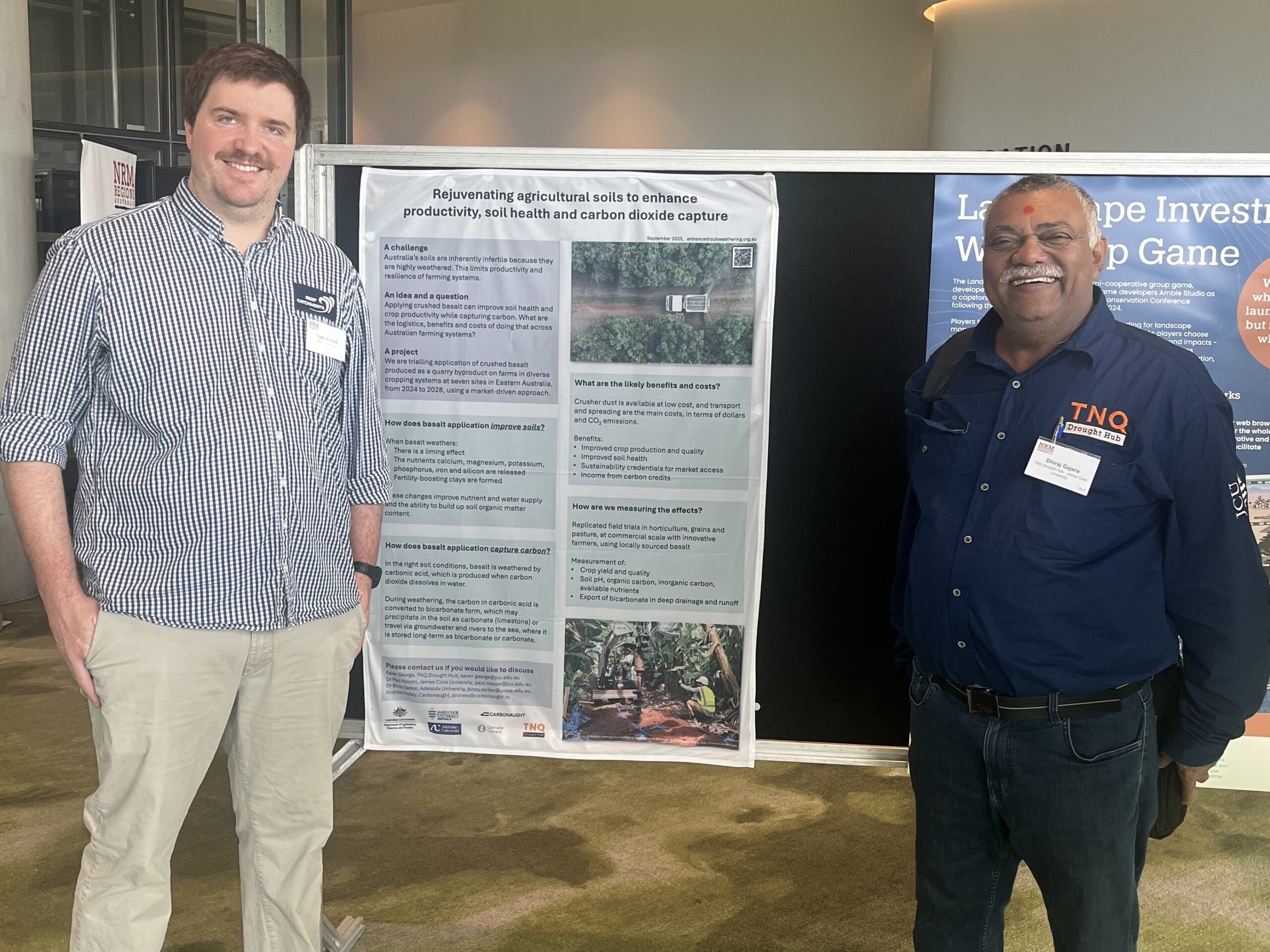
Regional Soils Coordinator, Dhiraj Gajera, attended the conference to strengthen national networks for soil health and advance the goals of the National Soil Strategy and the National Soil Monitoring Program, which is collecting soil health data to guide sustainable agriculture and policy. He also presented a poster on the collaborative Enhanced Rock Weathering project, which attracted strong interest from delegates keen to learn about its potential to cut emissions and boost productivity.
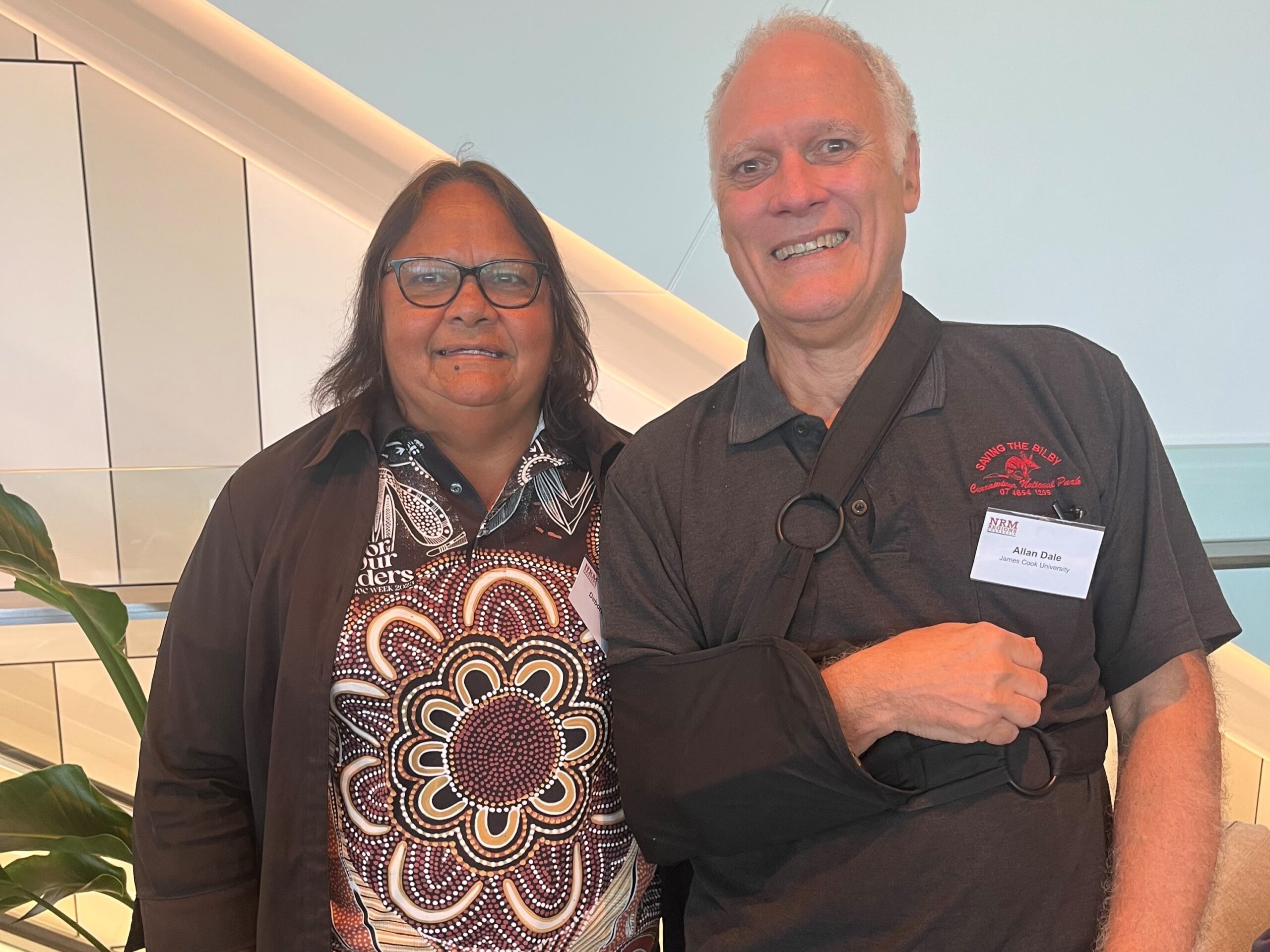
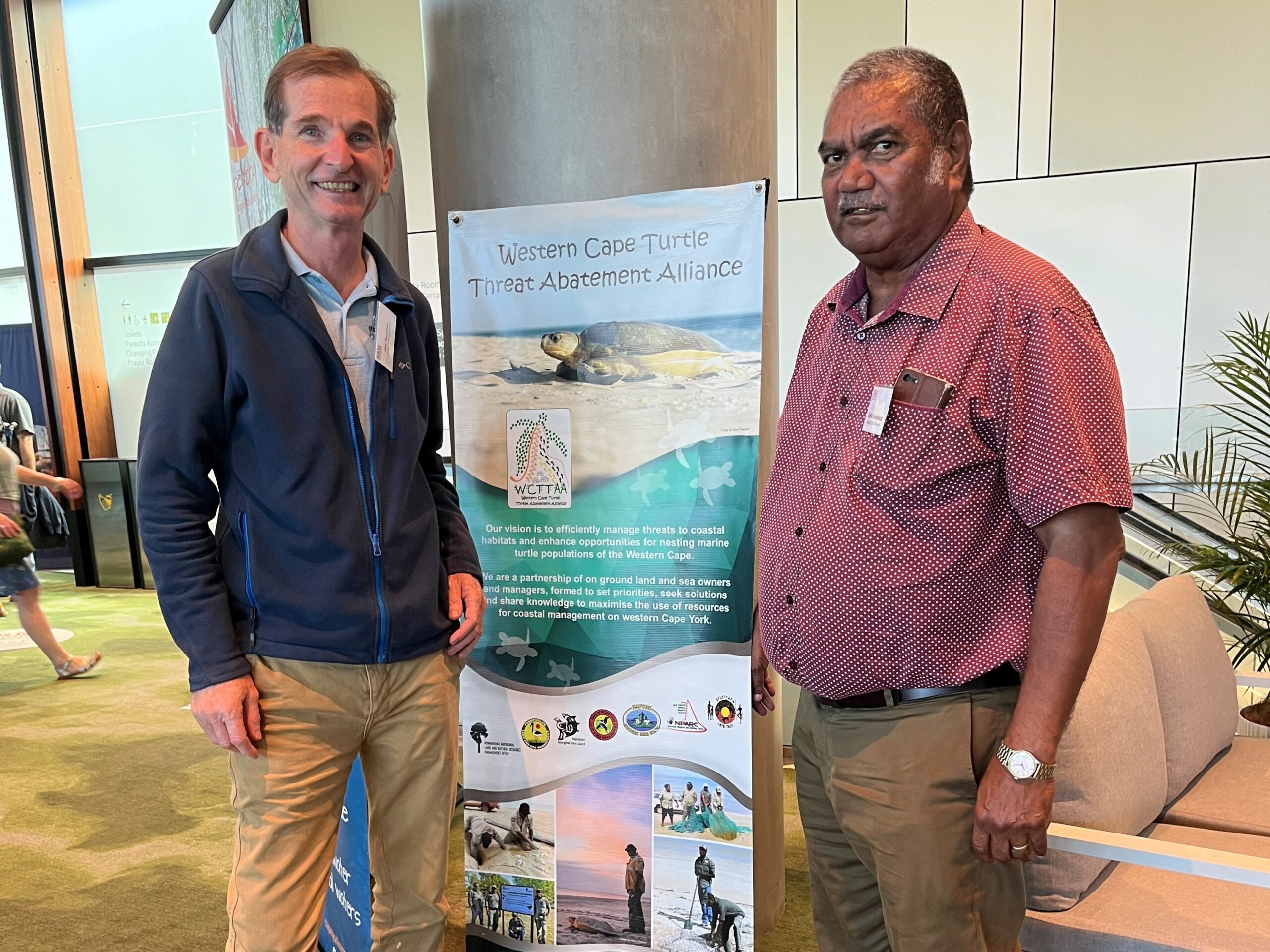
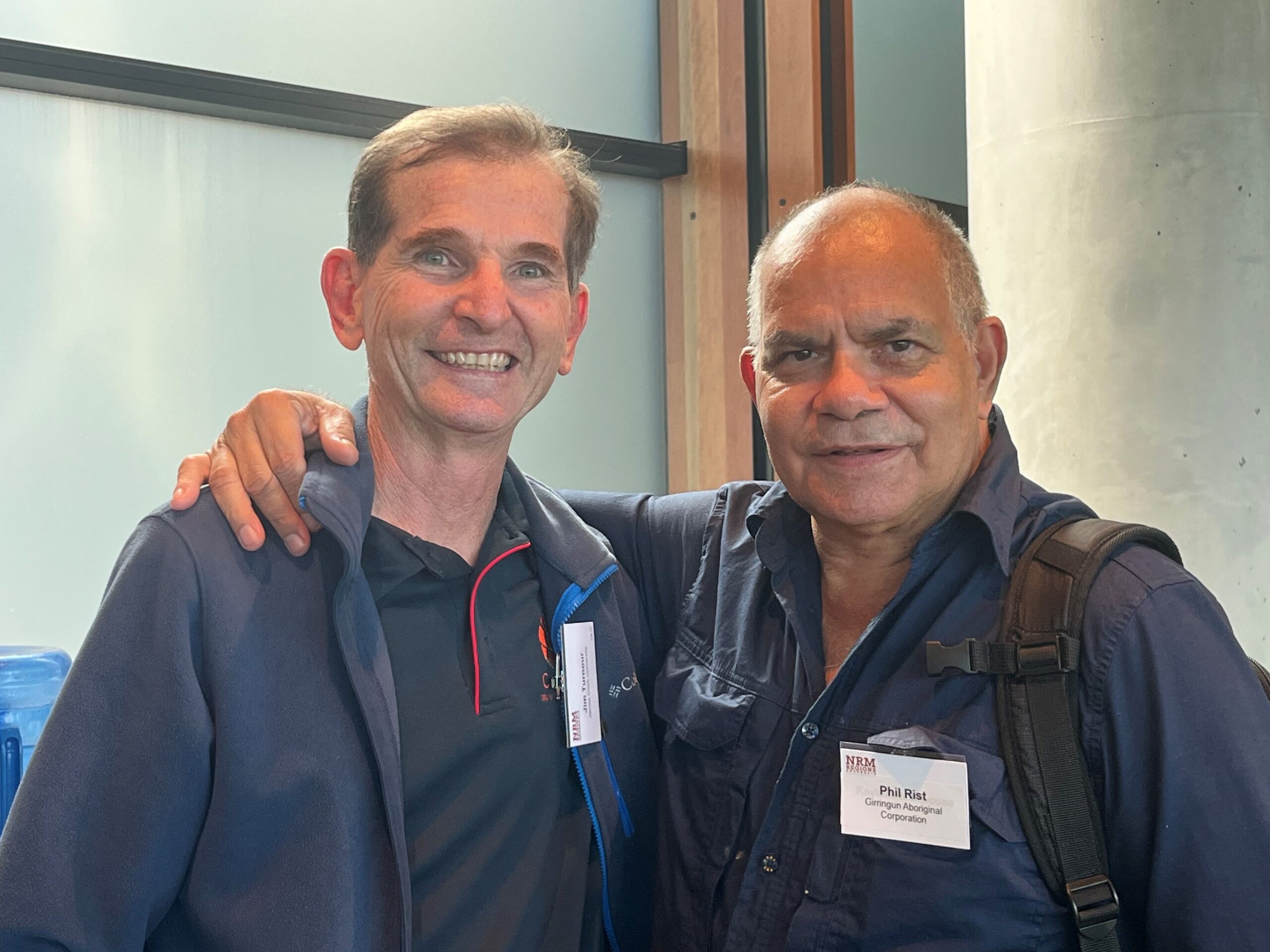
The TNQ Drought Hub’s Sustainable Aboriginal and Torres Strait Islander Enterprise (SATSIE) program also played a key role, sponsoring First Nations representatives from Cape York Peninsula, the Wet Tropics, Burdekin Dry Tropics and Fitzroy Basin regions to attend. SATSIE Program Lead, Dr Jim Turnour, who also serves as the Chair of the Cape York NRM Board, said supporting Indigenous participation is vital to building long-term community and climate resilience.
“By combining cultural knowledge, innovation and collaborative governance, the natural resource management sector is well-positioned to continue shaping resilient landscapes and thriving communities across Australia.”
With field trips showcasing wetlands restoration, rainforest management and innovative farming practices, the conference reinforced that building resilient landscapes requires more than science, it relies on collaboration across governments, industries and cultures. By bringing people together and supporting innovation, the TNQ Drought Hub continues its commitment to helping shape a stronger, more climate-ready future for northern Australia and beyond.