TNQ Drought Hub
James Cook University Australia
Search

Help shape future ESG on-farm work, tools and support

Key takeaway

  • Help shape the future of ESG and take part in the survey: https://jcu.syd1.qualtrics.com/jfe/form/SV_cY2cvNY8edyyv0G
  • Input from producers, growers, agribusiness and supply chains across Queensland will directly shape future ESG on-farm work, tools and support. Taking part helps ensure this work reflects real priorities on the ground.
  • Recent ESG materiality work with sugarcane growers in the Burdekin and Mackay shows the biggest concerns are reducing greenhouse gas emissions, managing energy use, and supporting health and wellbeing.
  • Social and governance issues, such as workforce wellbeing, fair employment practices and good farm management, also ranked highly and are seen as critical to long term resilience.

Over the last 3 years, the TNQ Drought Hub has been developing educational materials to help farmers, land-managers and producers understand the ESG framework and integrate it into their business.

With an ESG Rapid Assessment tool, “ESG on Farm: Are you Ready?” workbook, explanatory videos, workshops and outreach and several publications, the hub has been encouraging farmers to use ESG as a pathway to improve sustainability and build resilience.

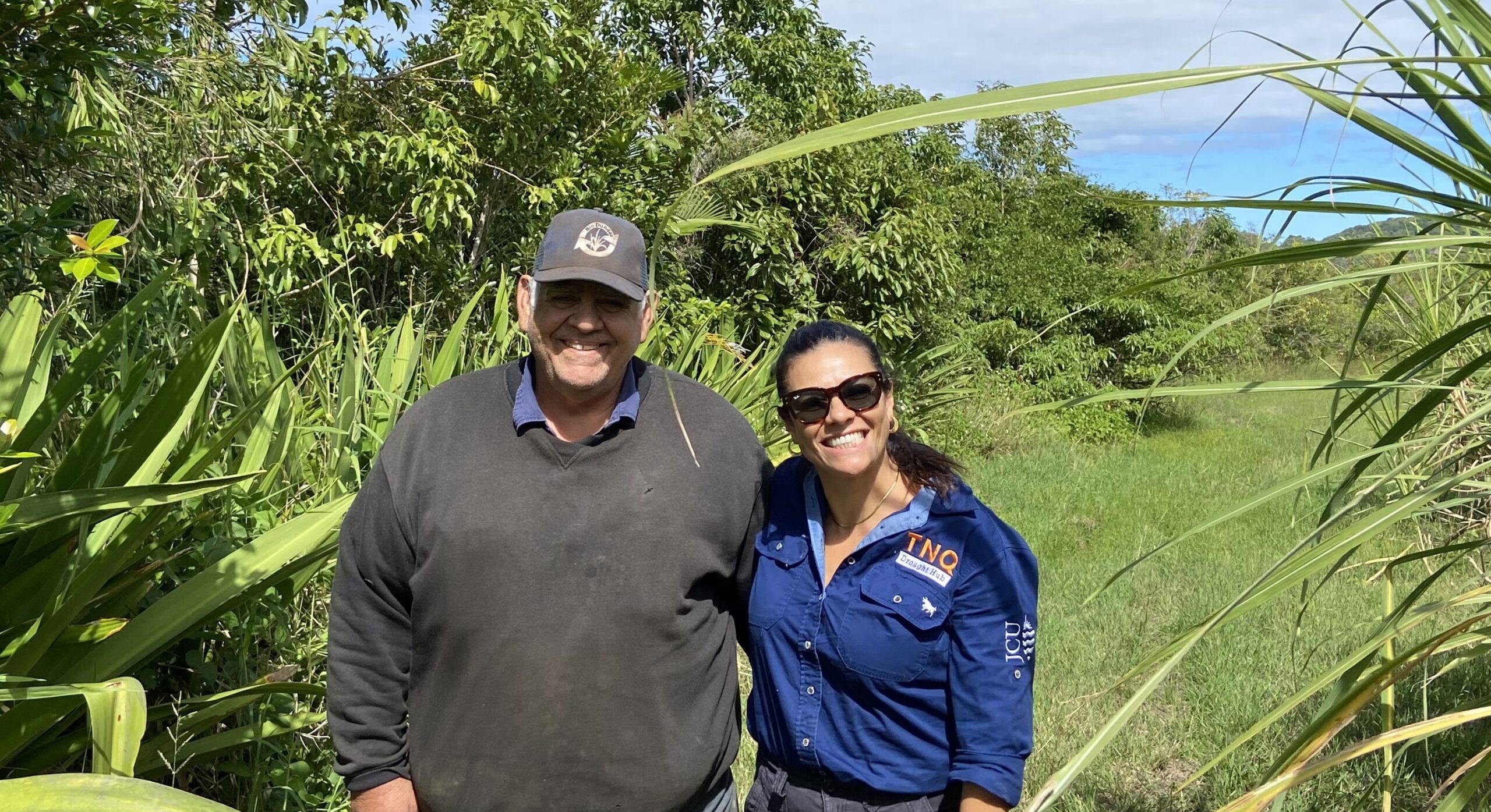
For over 20 years, ESG expert Dr Ana Leite De Almeida has been working farmers in South America, Germany and Australia promoting sustainability, sustainable land management and regenerative agroecosystems.

“Over the last few years I have developed an ESG materiality assessment with sugar cane farmers in the Burdekin and Mackay regions which has been very successful. When I first started with the hub back in 2023, ESG wasn’t something you heard much about because people didn’t understand it and thought it was something only large corporations would do.”
“Now, it’s everywhere. It’s been implemented by small family run businesses, horticulture gowers, sugar mills, AgTech startups and regional banks.”

Ana has been working to update the ESG materiality assessment (a business analysis framework), to ensure ESG on-farm work continues to reflect the realities and priorities of farmers.

“The previous assessment for sugarcane production in the Burdekin and Mackay regions, identified that the region is mostly concerned about issues directly linked to environmental management.”

“The highest priorities identified include reduce greenhouse gas emissions, energy management and general health and wellbeing. Social and governance factors also scored highly, particularly around workforce wellbeing, employment practices and good farm management.”

“Growers are already embedding good ESG practices but still need clearer pathways to measure and demonstrate them. This new round of consultation will help inform the latest assessment update so I encourage anyone involved in sugarcane production in Queensland to take part and help guide the future of this work.”

Producers, growers, industry, agribusiness and supply chains are invited to help shape the future of ESG and take part in the survey: https://jcu.syd1.qualtrics.com/jfe/form/SV_cY2cvNY8edyyv0G

ESG stands for Environmental, Social, and Governance, three key factors used to address sustainability issues, enhance sustainability performance, increase resilience, reduce risks and create opportunities.

  • Environmental focuses on how a business impacts the planet
  • Social looks at how the business treats people internally and externally
  • Governance covers how a business is managed and held accountable

Find out more about ESG on farm https://www.tnqdroughthub.com.au/esg-on-farm/