Hands-On Learning at Bush Tukka Gardens Strengthens Skills for Cape York Students
Key takeaway
Learning about bush foods and culturally informed growing methods highlights the value of combining traditional knowledge with modern land management.
Students gained hands-on experience in growing, harvesting and preparing food, building real-world skills that strengthen local capability and self-sufficiency.
The visit was supported through the TNQ Drought Hub’s Sustainable Aboriginal and Torres Strait Islander Enterprise (SATSIE) Program, strengthening partnerships and building capacity in remote communities.
Building on the success of last year’s AFL Cape York House for Girls visit, students from AFL Cape York House for Boys travelled to the Bush Tukka Gardens on the 10 February for a hands-on learning experience, supported by the TNQ Drought Hub’s Sustainable Aboriginal and Torres Strait Islander Enterprise Program.
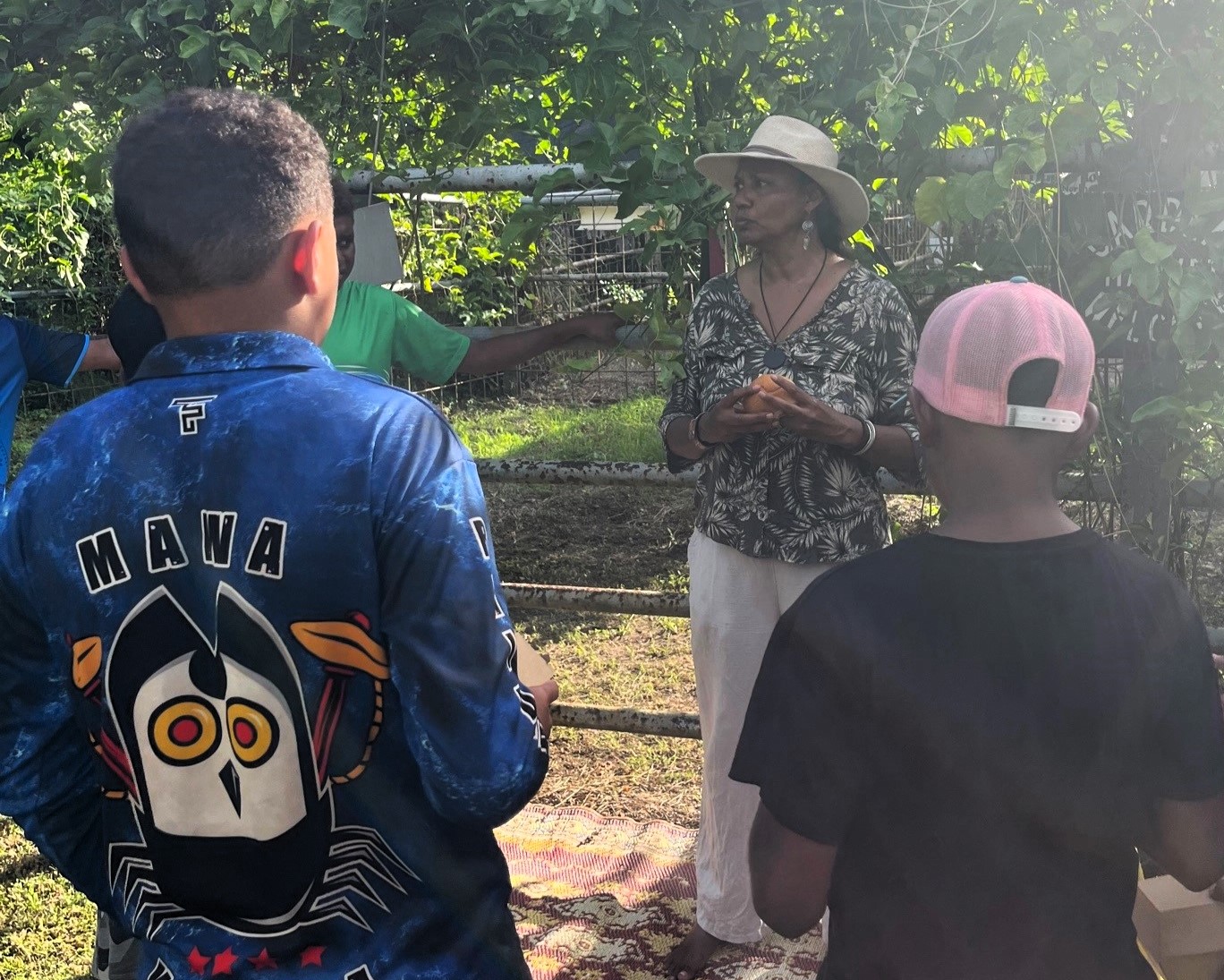
Guided by Bush Tukka Woman and founder of Tribal Voice Connections, Samantha Martin, the students explored the gardens and learned about traditional bush foods, sustainable growing practices and the importance of local food systems. AFL Cape York for Boys provides educational and leadership opportunities for young men from remote and vulnerable communities, supporting their development both on and off the field.
During the visit, students gained firsthand insight into how food is grown, harvested and prepared. They were also treated to a cooking demonstration by Samantha, who prepared kangaroo burgers while sharing knowledge about native ingredients and their cultural significance.
Students at the Bush Tukka Park with Samantha Martin
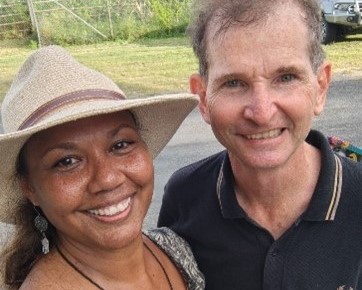
SATSIE Lead Dr Jim Turnour, who attended the visit, said, “Initiatives like this are critical to building practical skills, resilience and long-term food security in remote communities. Giving young people hands-on experience in food production helps strengthen knowledge, confidence and community wellbeing.”
For many of the students, who come from remote Cape communities, opportunities to engage directly with food production are limited. Experiences like this help build practical skills, strengthen cultural connections and deepen understanding of where food comes from. They also align with the Hub’s focus on preparedness and informed decision making by building foundational knowledge around local food production and self-sufficiency.