Key takeaway
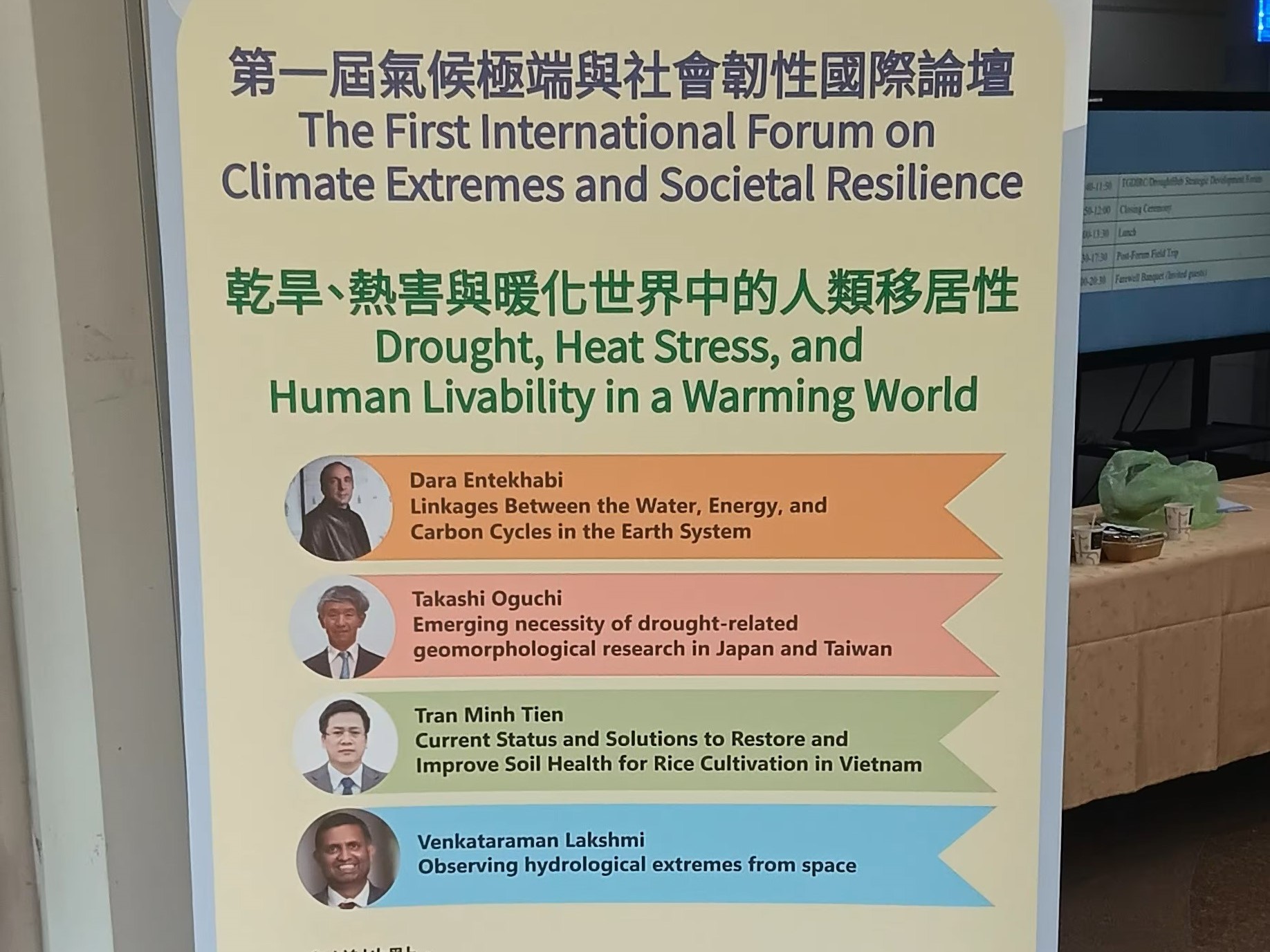
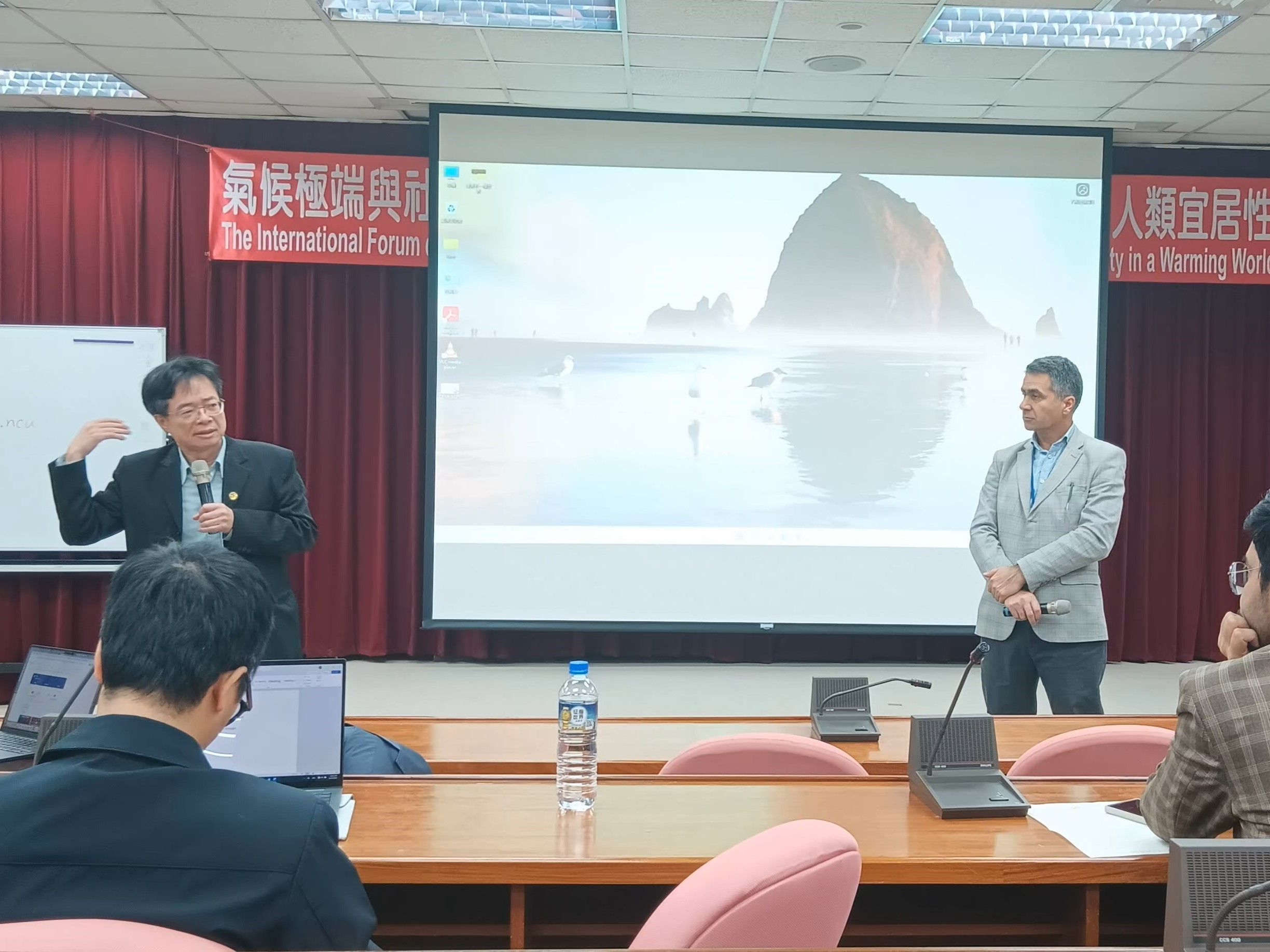
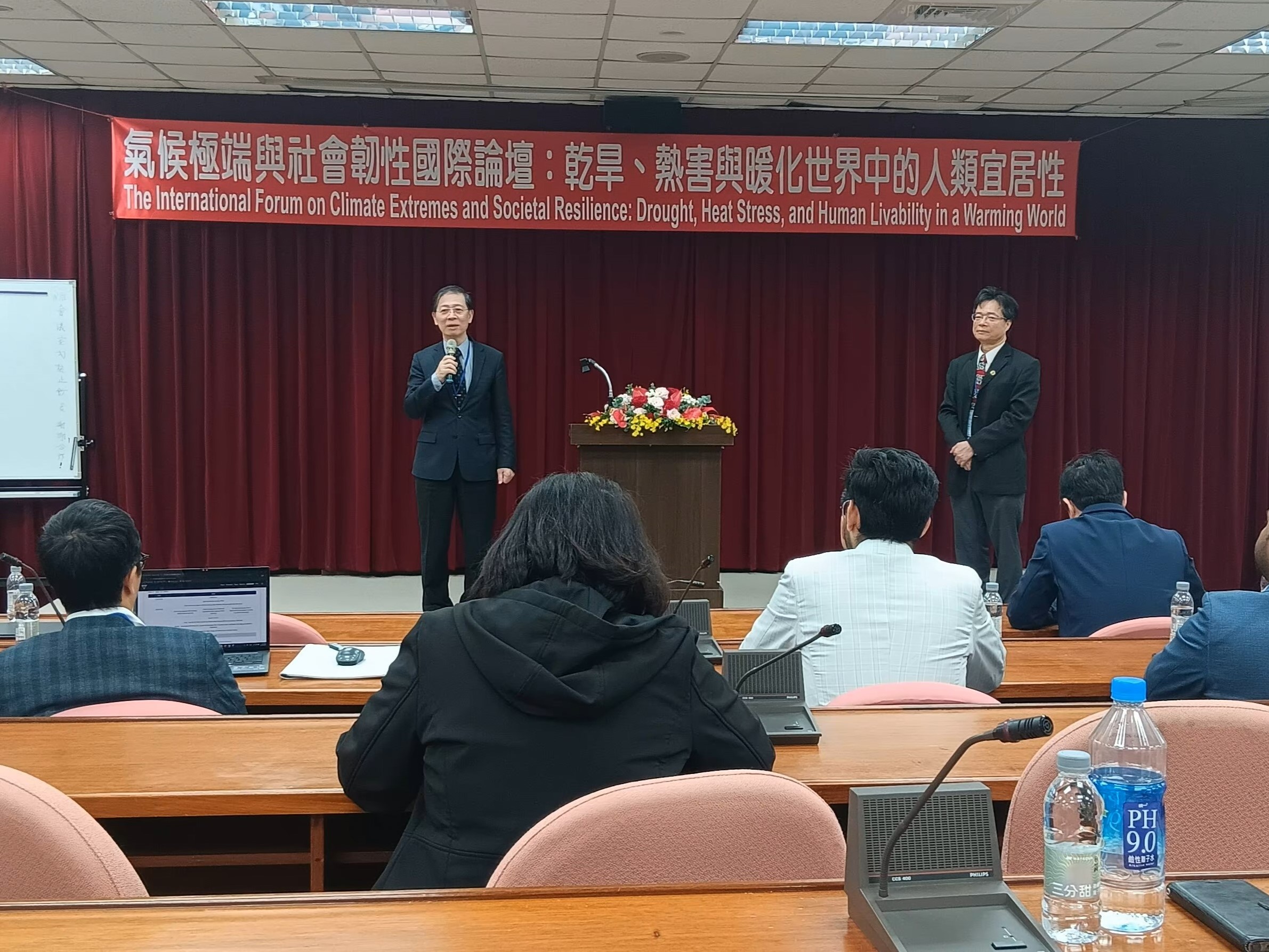
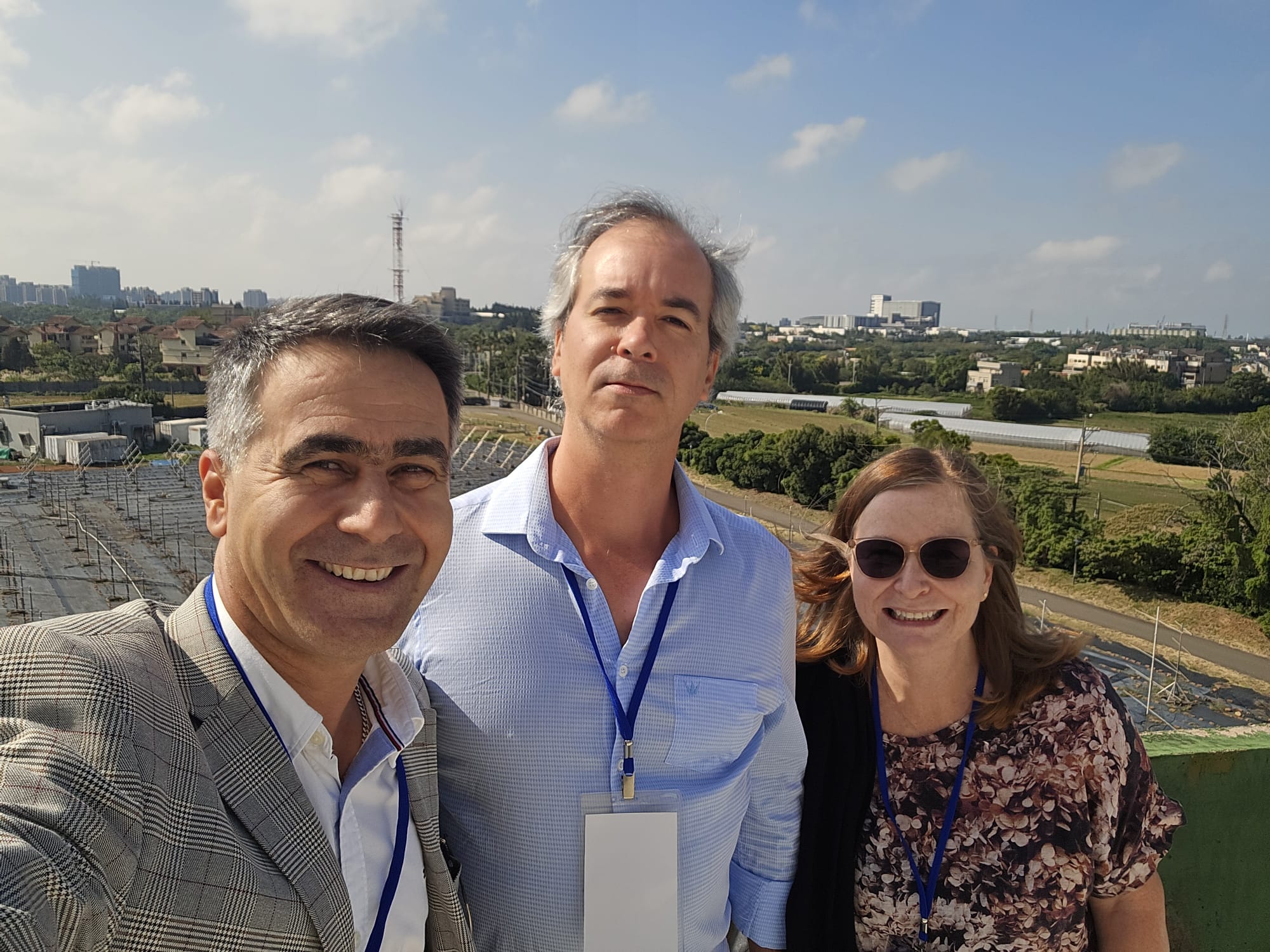
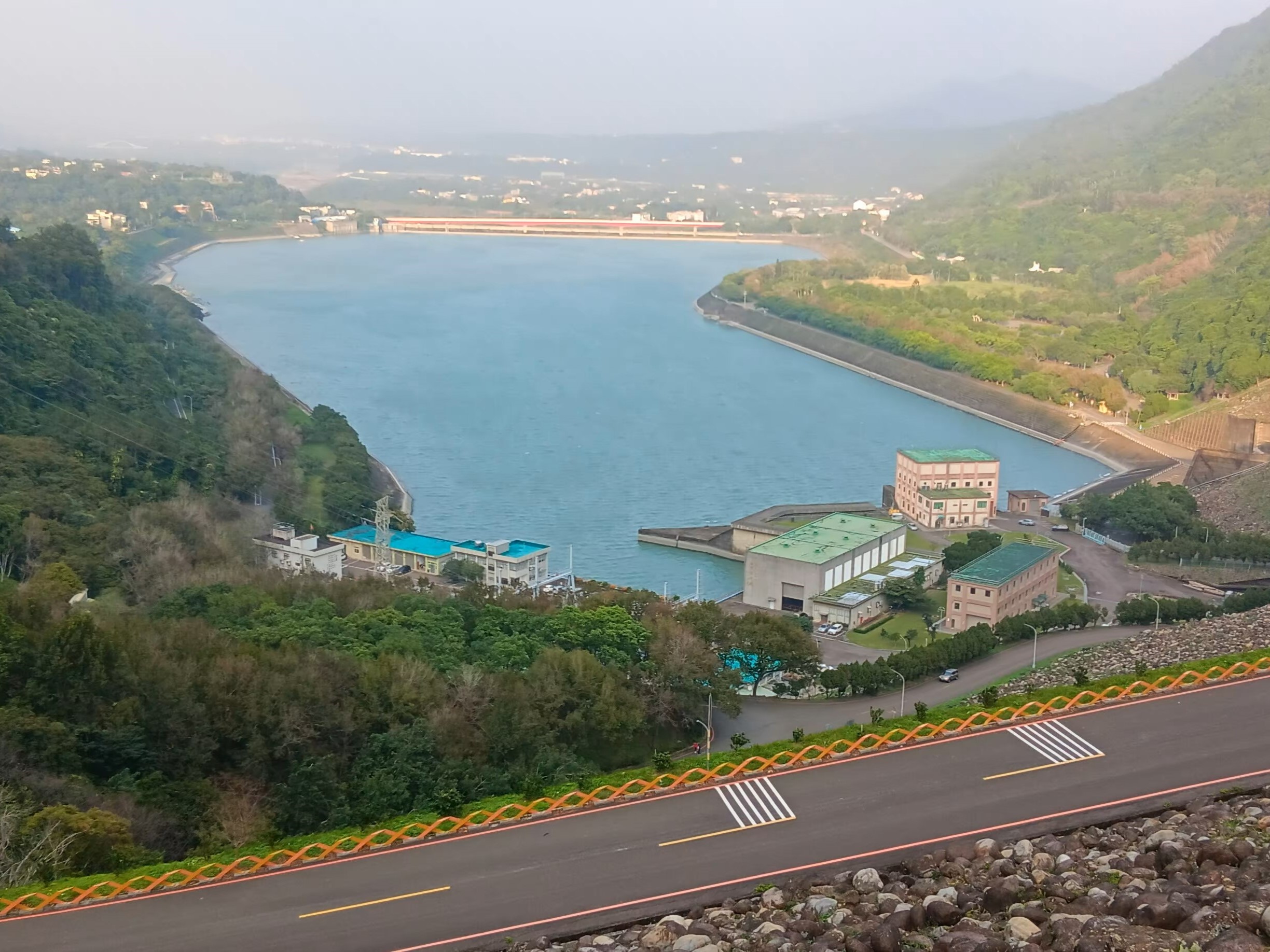
Dr Ben Jarihani, Chair of the TNQ Drought Hub’s, Scientific and Technical Advisory Committee recently represented Australia at The First International Forum on Climate Extremes and Societal Resilience: Drought, Heat Stress, and Human Liveability in a Warming World. Held from 23–25 November at the National Central University’s Research Center for Space and Remote Sensing in Taiwan, the forum brought together world-leading researchers to discuss how communities can better prepare for the growing risks of climate extremes.
Dr Jarihani, alongside fellow James Cook University Earth and Environmental Science colleagues Dr Rafael Carvalho and Lisa Law, was invited to present in a dedicated session titled “Bridging Hubs for Drought Resilience: TGI & TNQ Drought Hubs Joint Workshop.” This session formed part of Taiwan’s effort to establish a new Taiwan and Global Drought Information and Research Center. The new centre aims to tackle the escalating impacts of climate change, particularly the intensifying effects of droughts and heat stress on livelihoods, landscapes and economies.
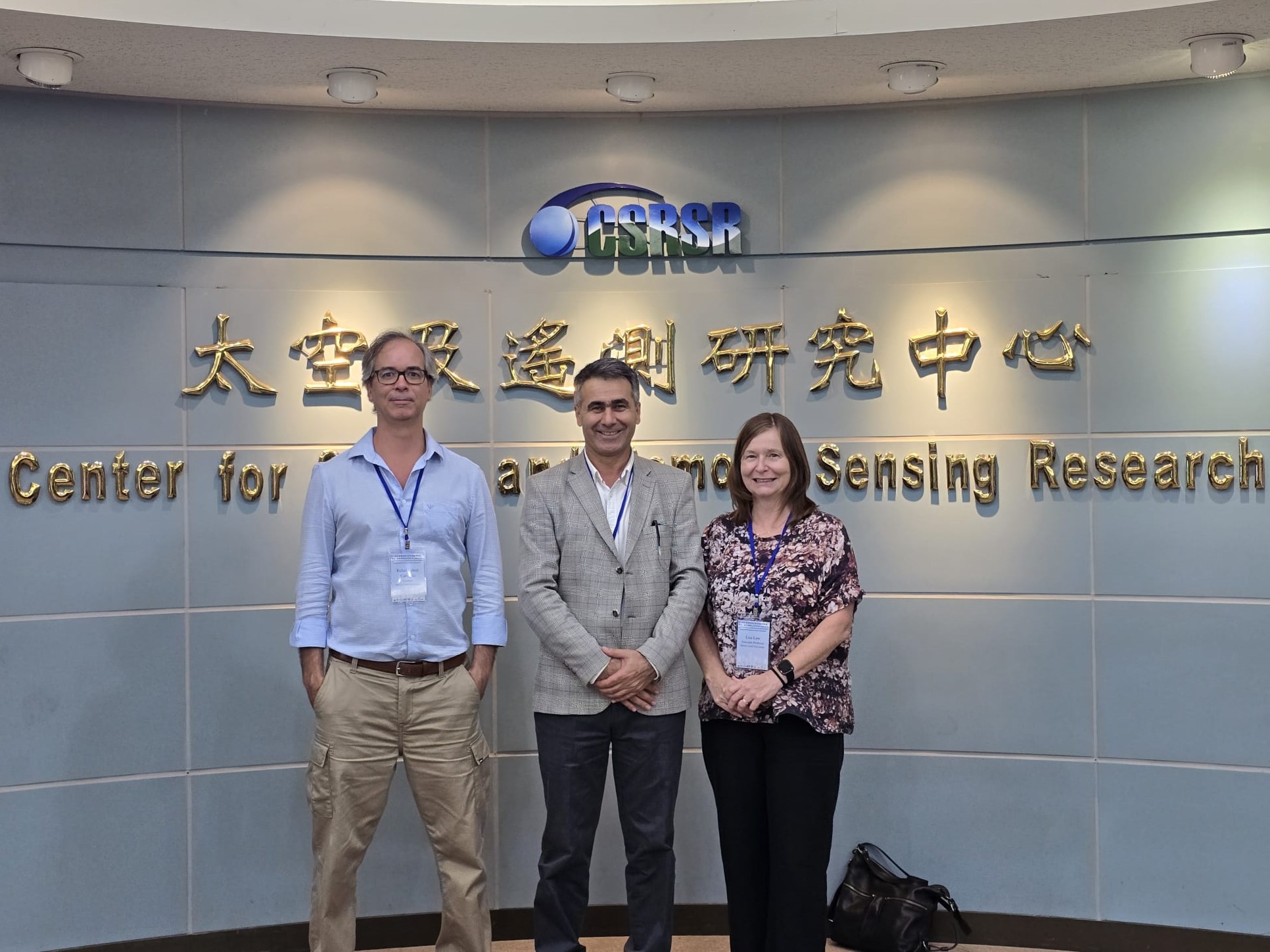
JCU team shared practical insights from the TNQ Drought Hub’s work across Queensland, highlighting how data-driven decision making, innovation and regional collaboration support producers to prepare for future drought and climate variability.
Ben presented his research focusing on satellite-based water mapping, monitoring and modelling, tools that are increasingly valuable for producers managing variable rainfall, changing water availability and rising heat extremes. These technologies provide clearer visibility of water movement and storage across a landscape, helping landholders plan ahead, mitigate risk and make more confident decisions during dry periods.
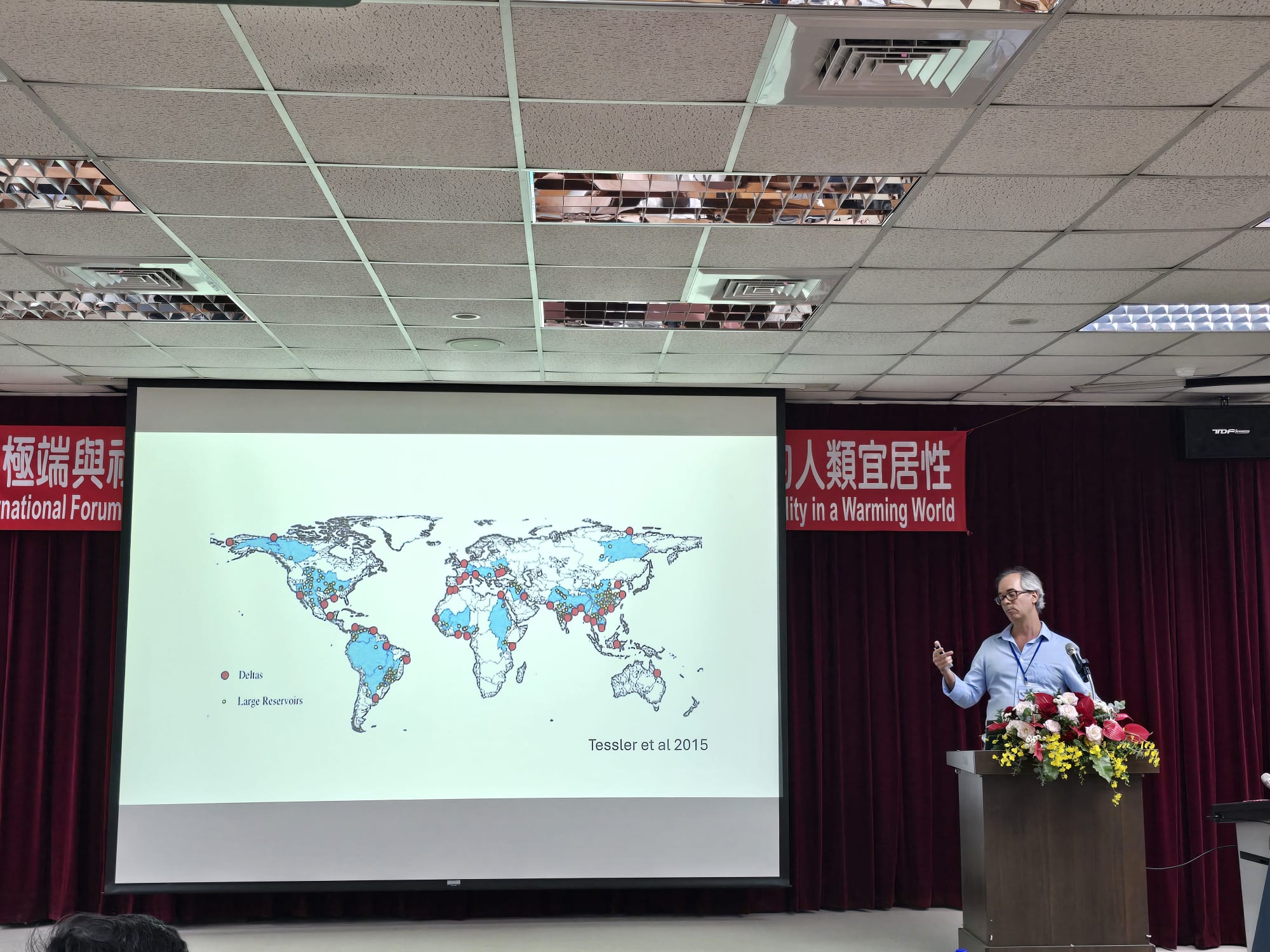
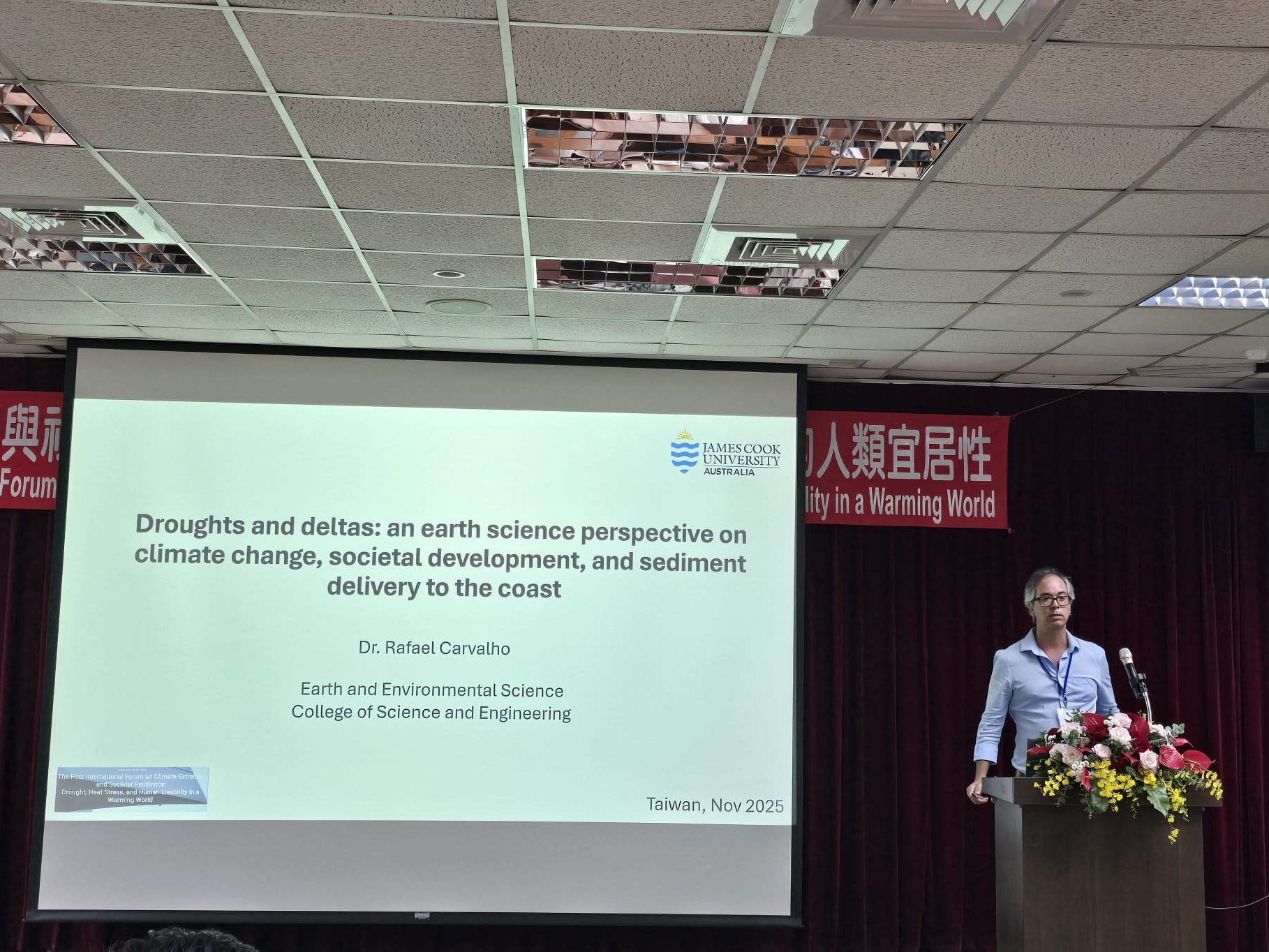
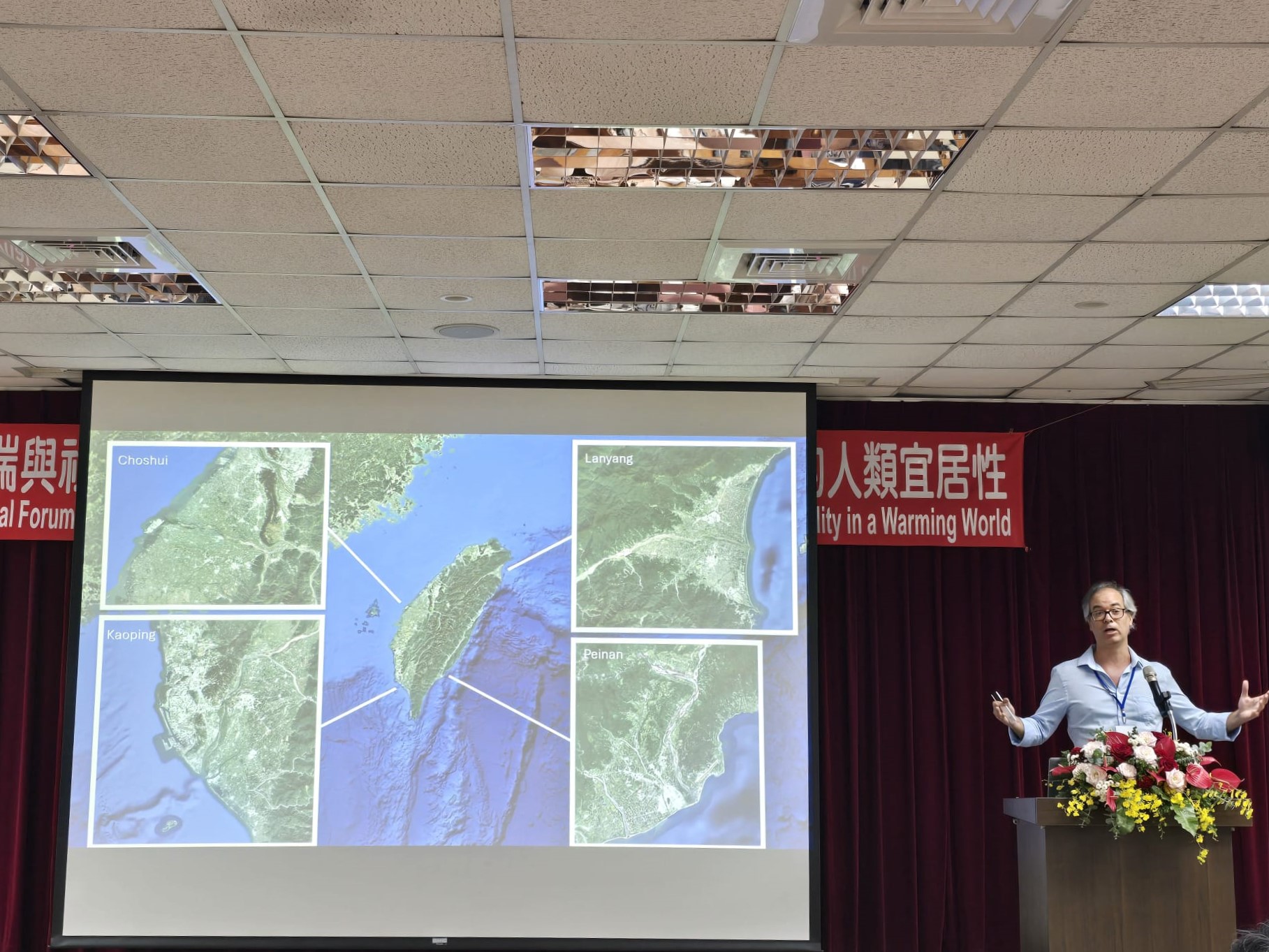
Rafael complemented this with an Earth Science perspective, exploring how drought affects river deltas, coastal systems and the communities that depend on them. His presentation underscored the connection between climate change, land use pressure and long-term societal resilience, issues that resonate strongly with producers across northern Australia.
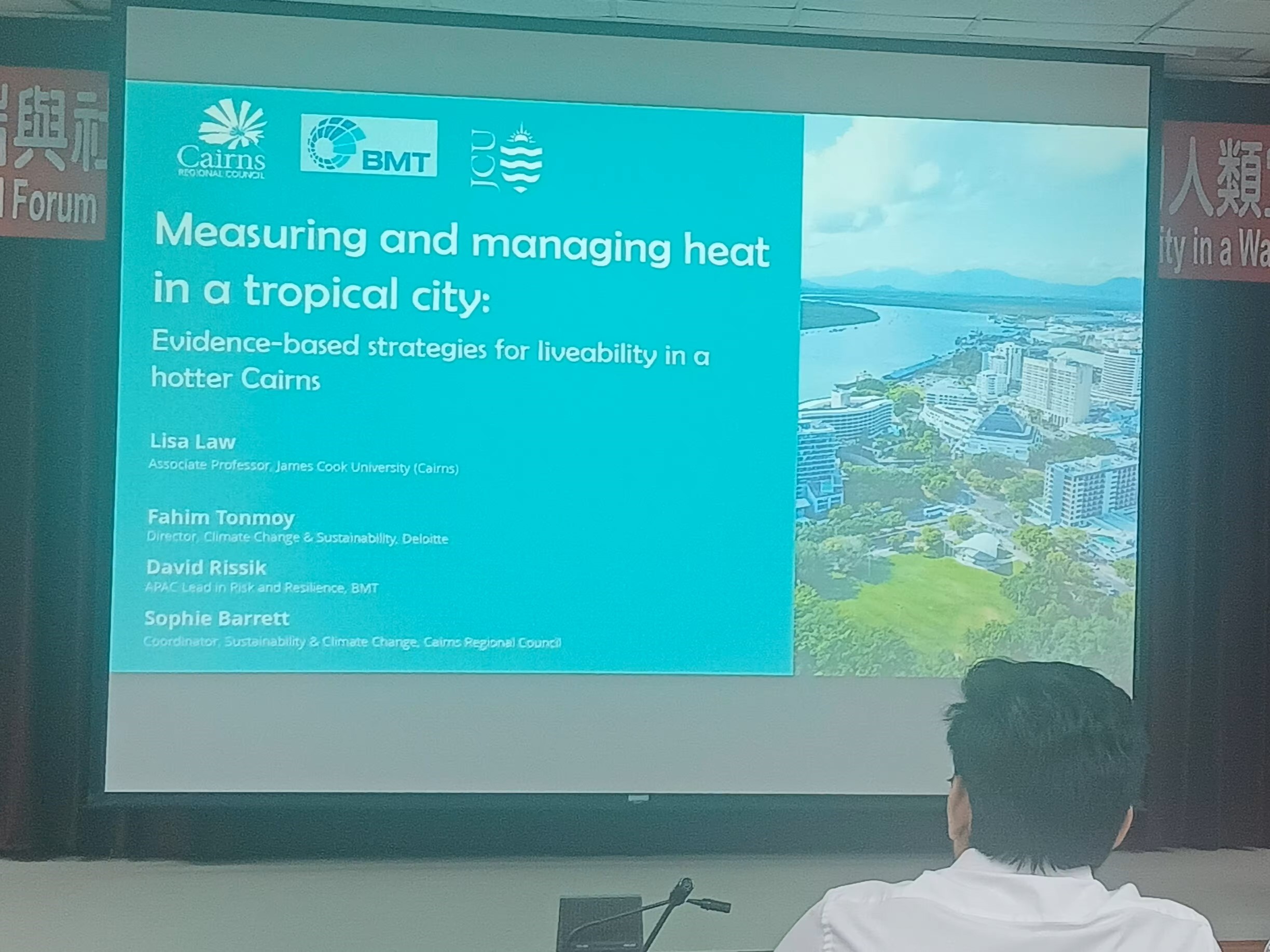
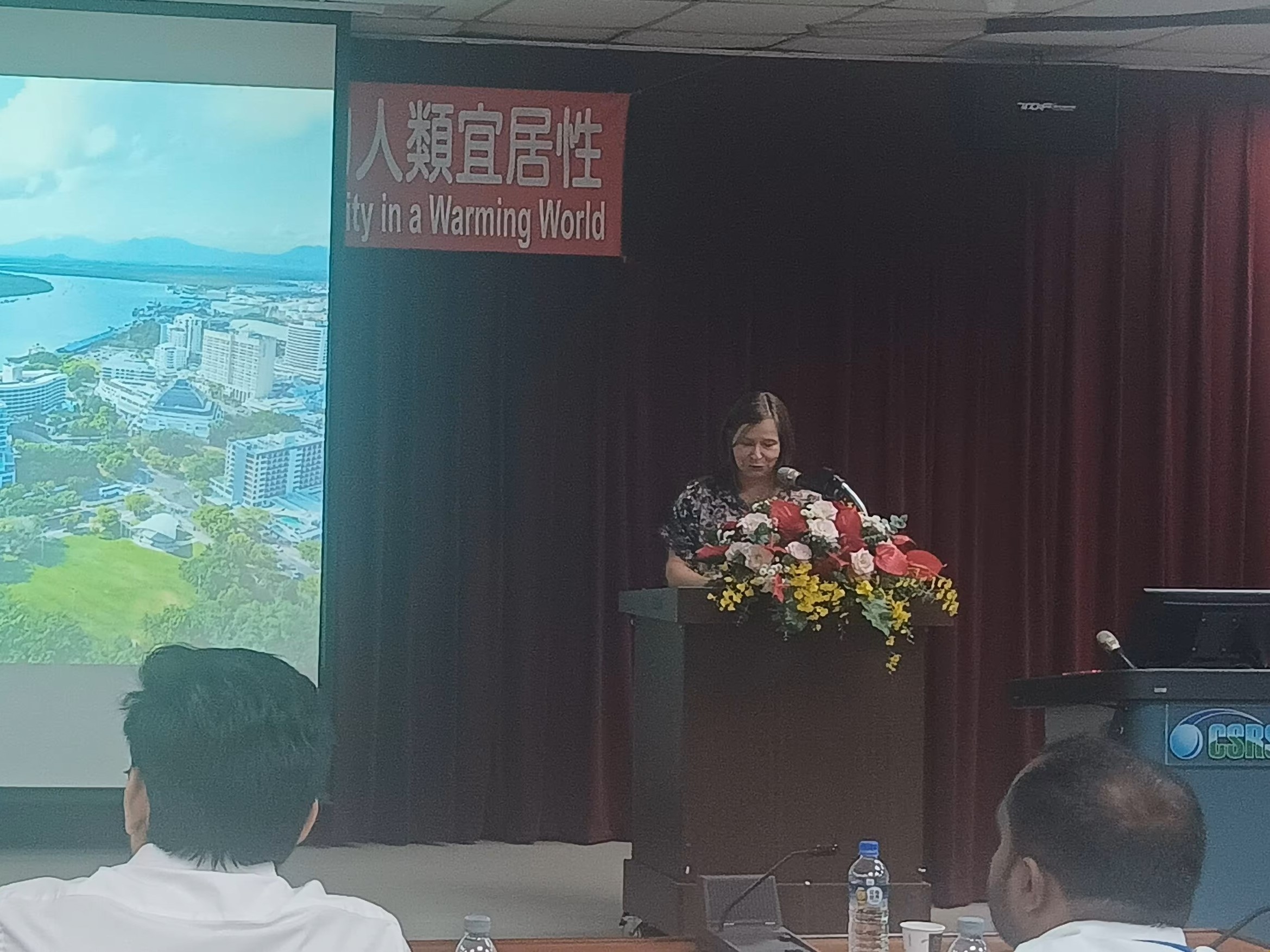
Lisa added to the conversation with her presentation on exploring how Cairns and other tropical cities can stay comfortable and liveable as temperatures rise, using research-backed urban design strategies that improve shade, ventilation, cooling and resilience in a hot, humid climate.
The joint workshop showcased the growing partnership between Taiwan and Australia in drought research and resilience planning. While the landscapes and farming systems differ, both regions face common challenges: more frequent climate extremes, increased competition for water, and greater uncertainty across seasons.
By sharing TNQ’s experience, particularly the Hub’s approach to co-design, regional networks and practical tools for on-farm preparedness, Ben helped lay the groundwork for collaboration that reaches beyond local boundaries. These connections can support better forecasting, improved knowledge sharing, and stronger adaptation strategies across the wider Pacific region.