Key takeaways
Farmers and regional communities know that drought is inevitable. The challenge now is ensuring that policies, programs and on-ground action keep pace with a changing climate so agriculture can adapt, recover and thrive.
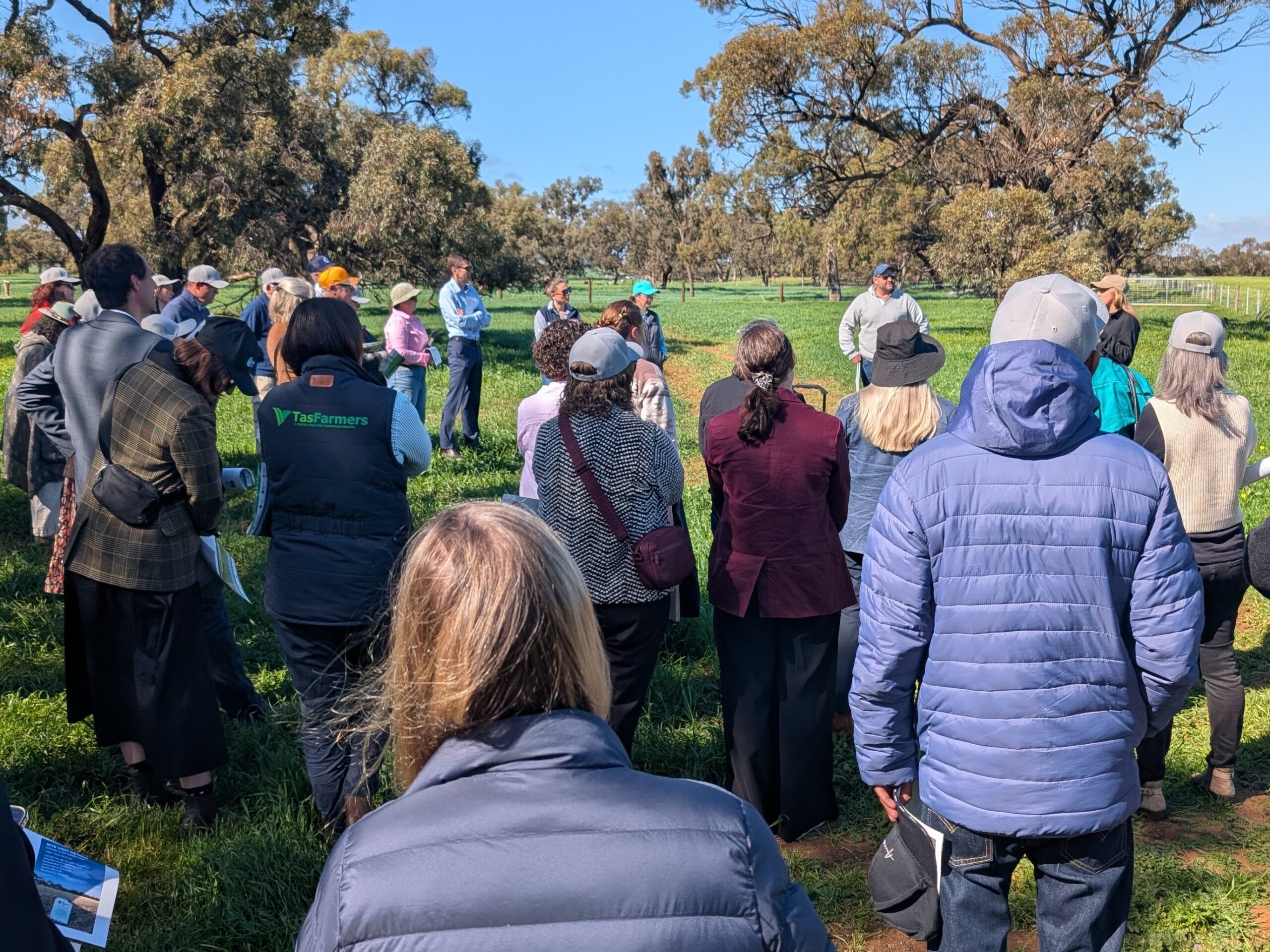
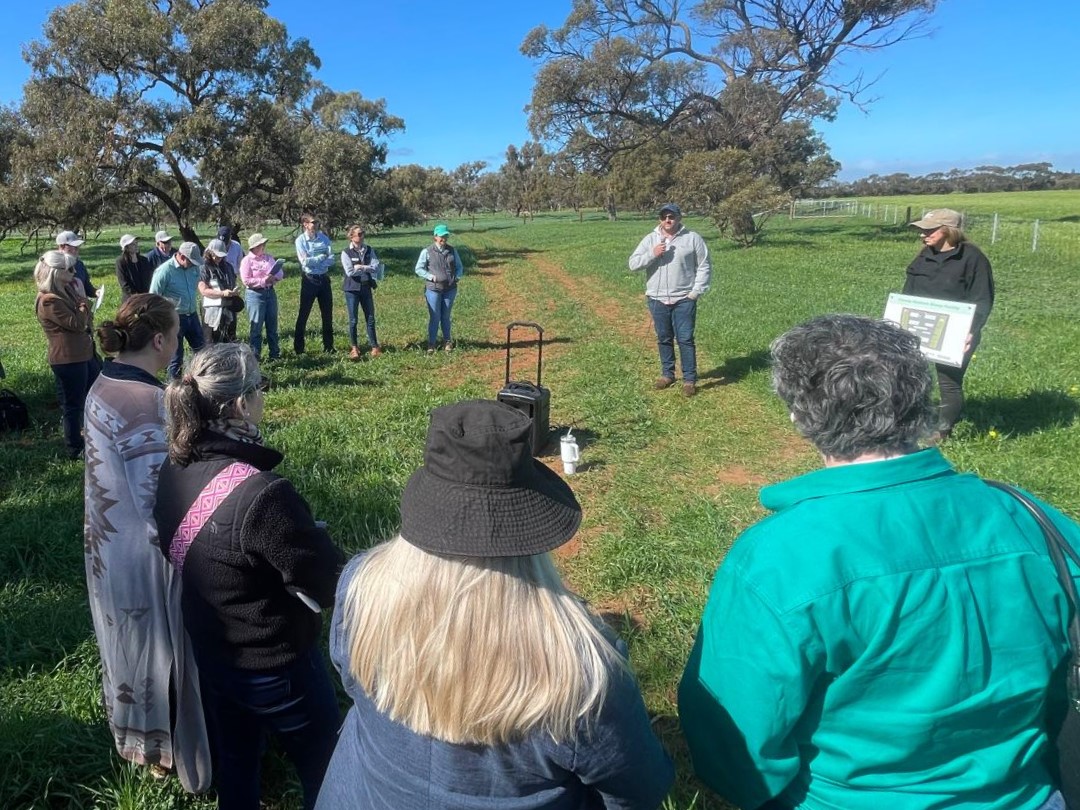
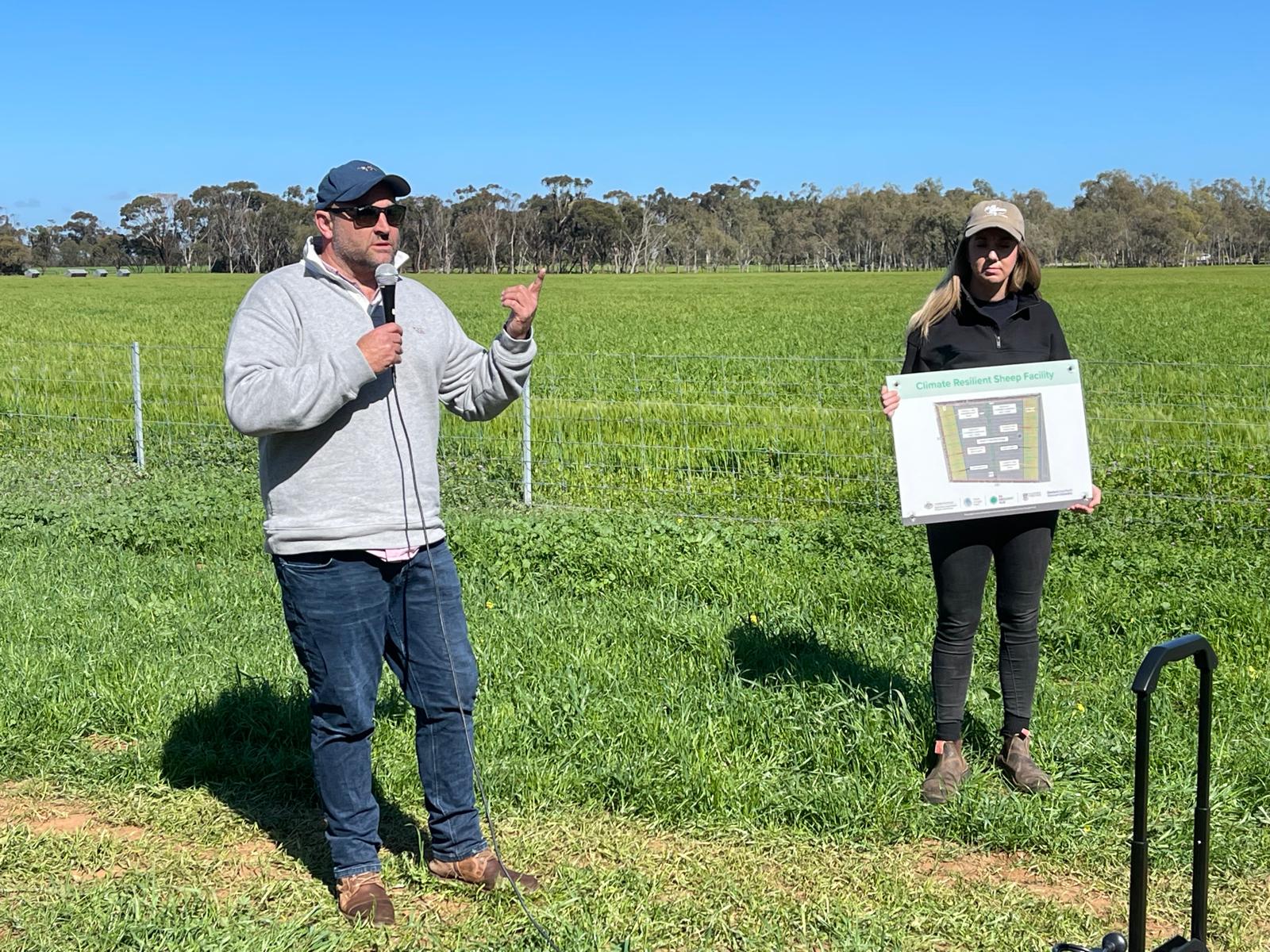
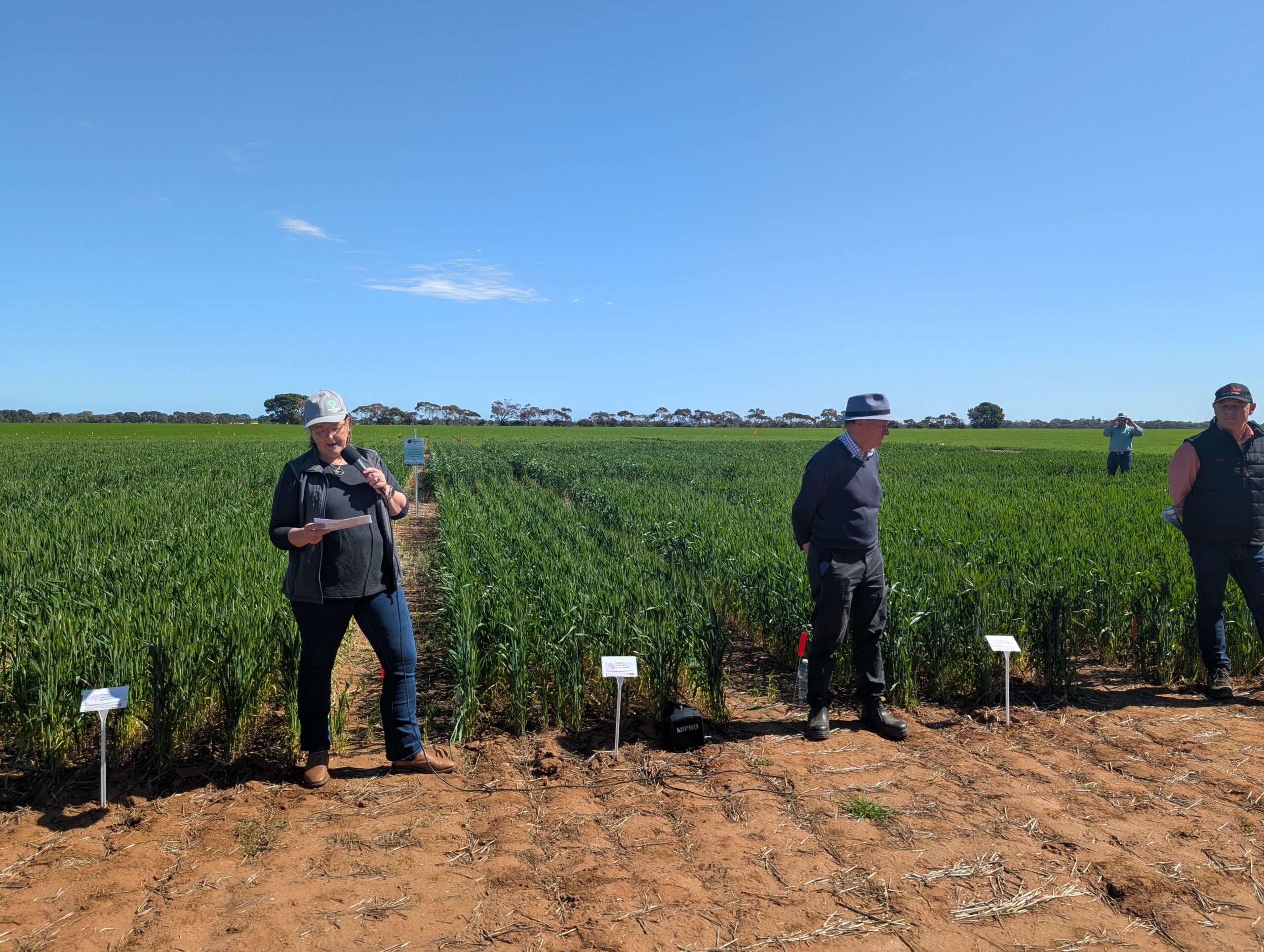
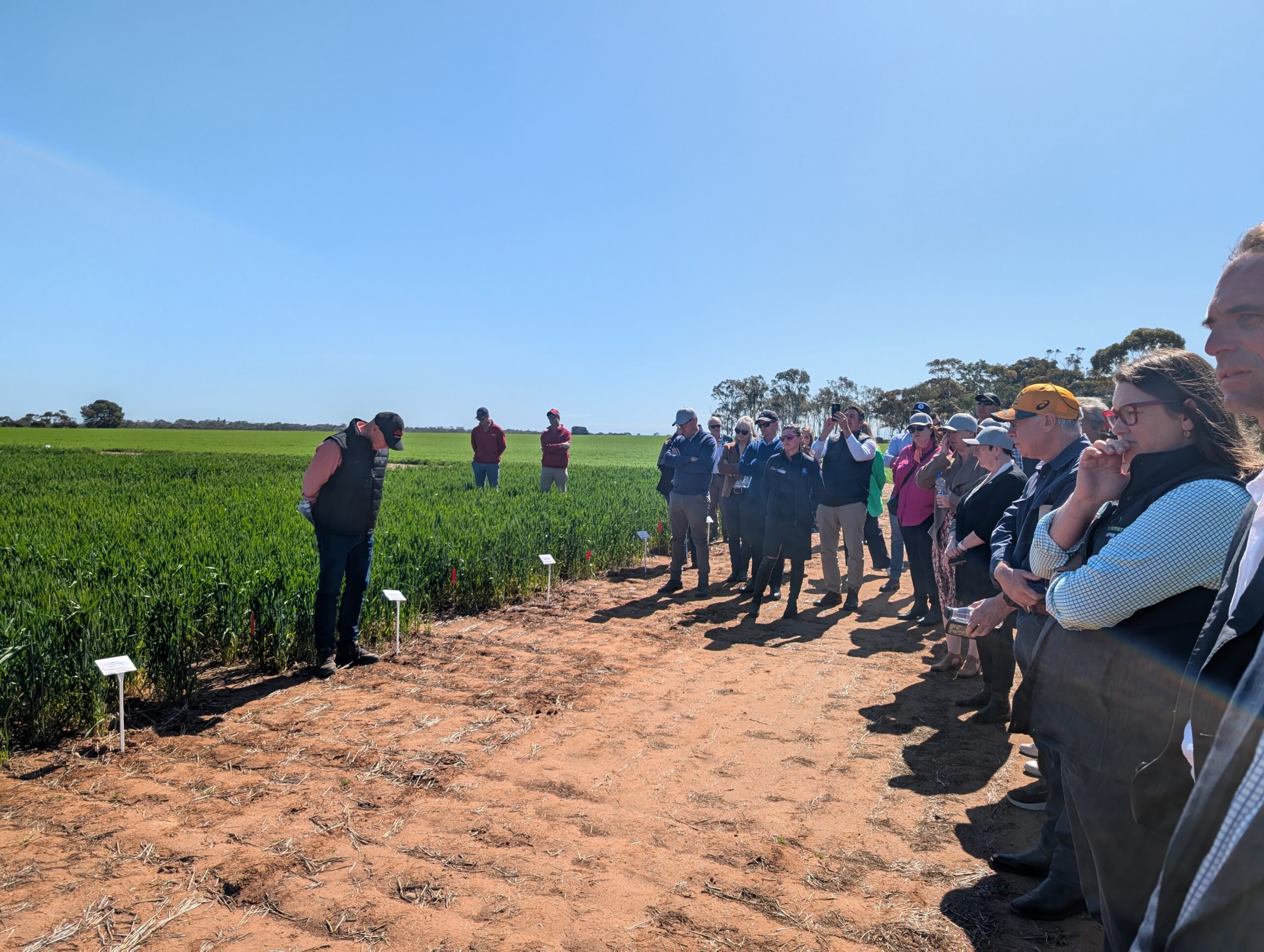
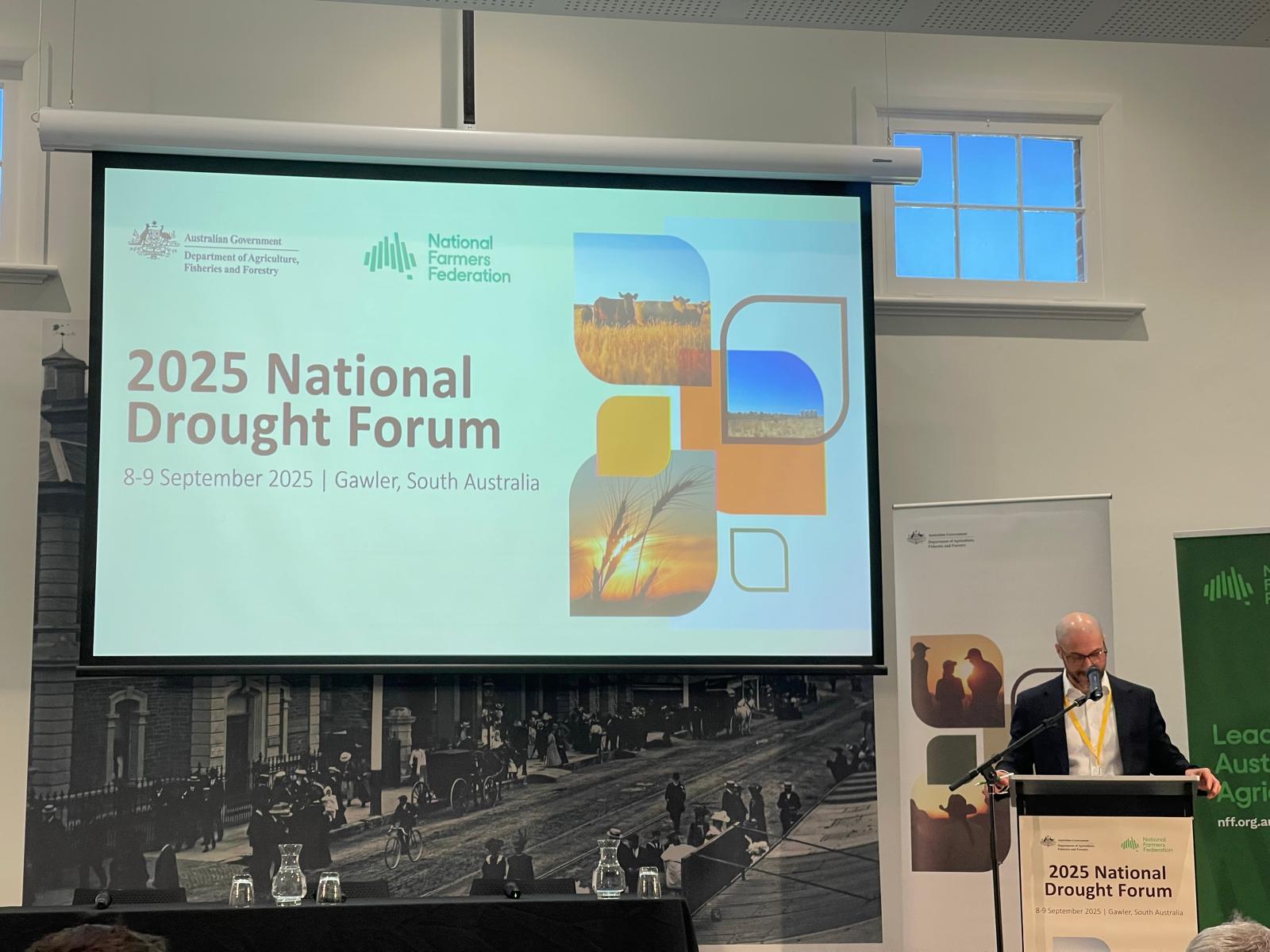
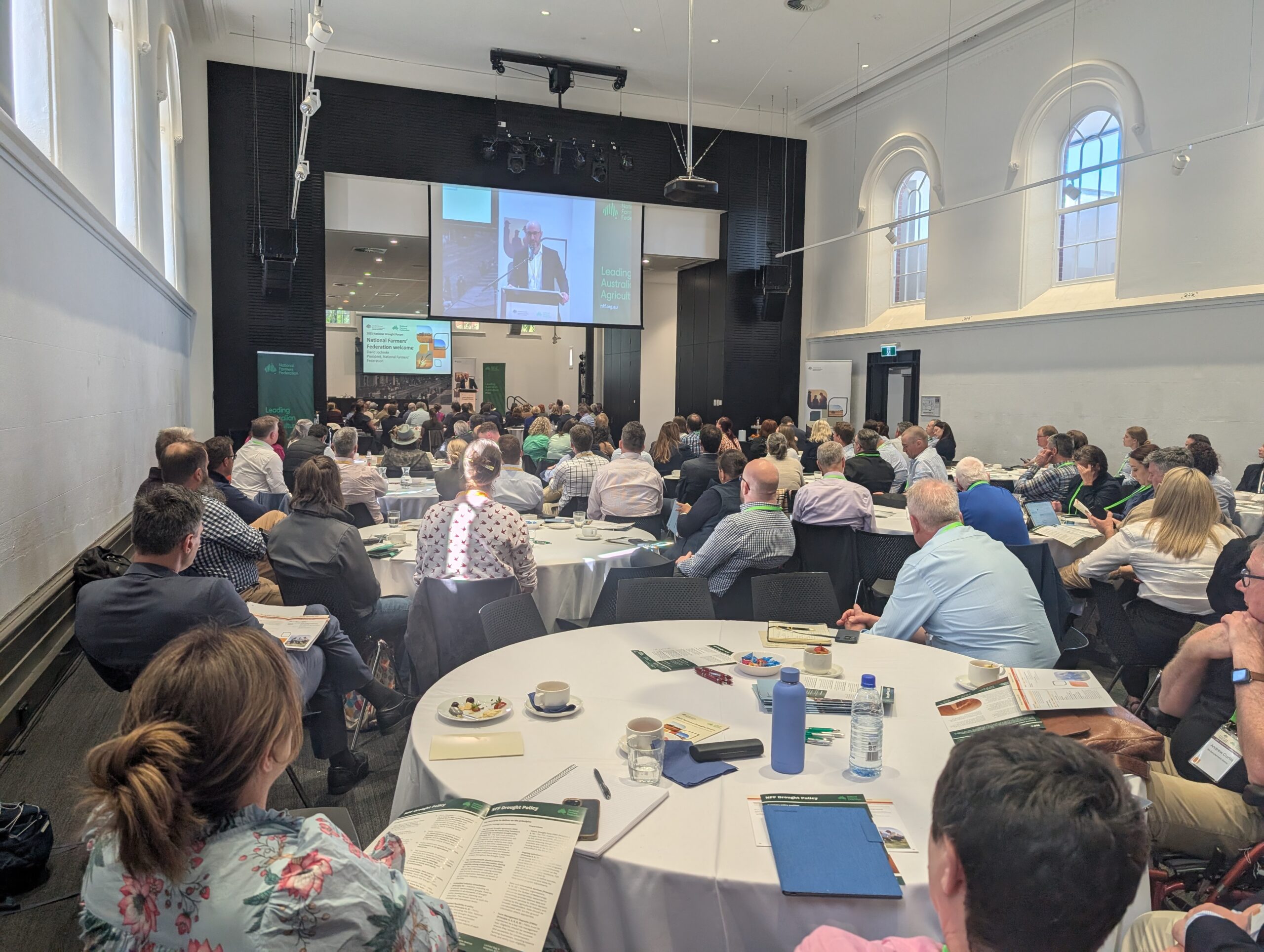
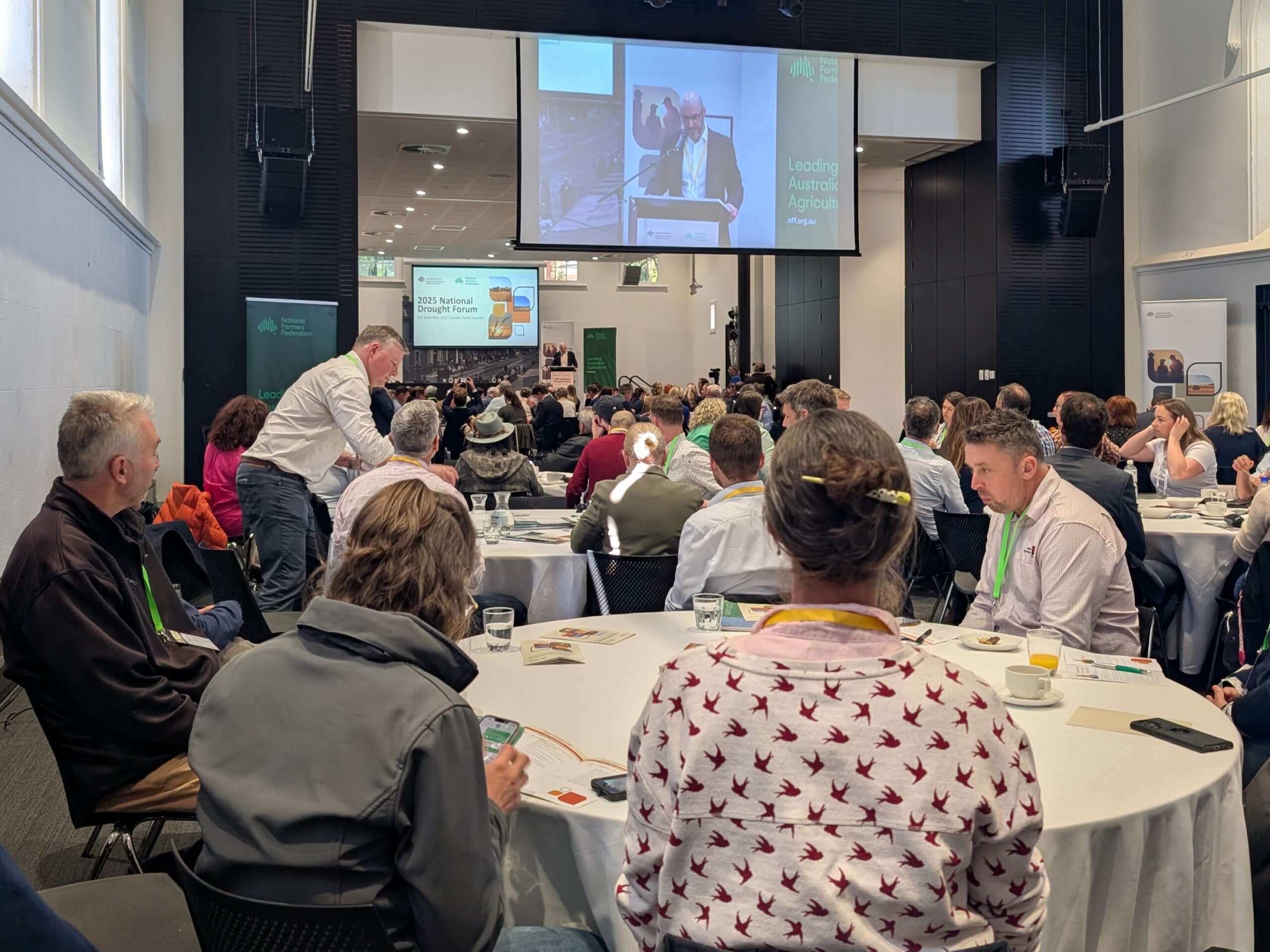
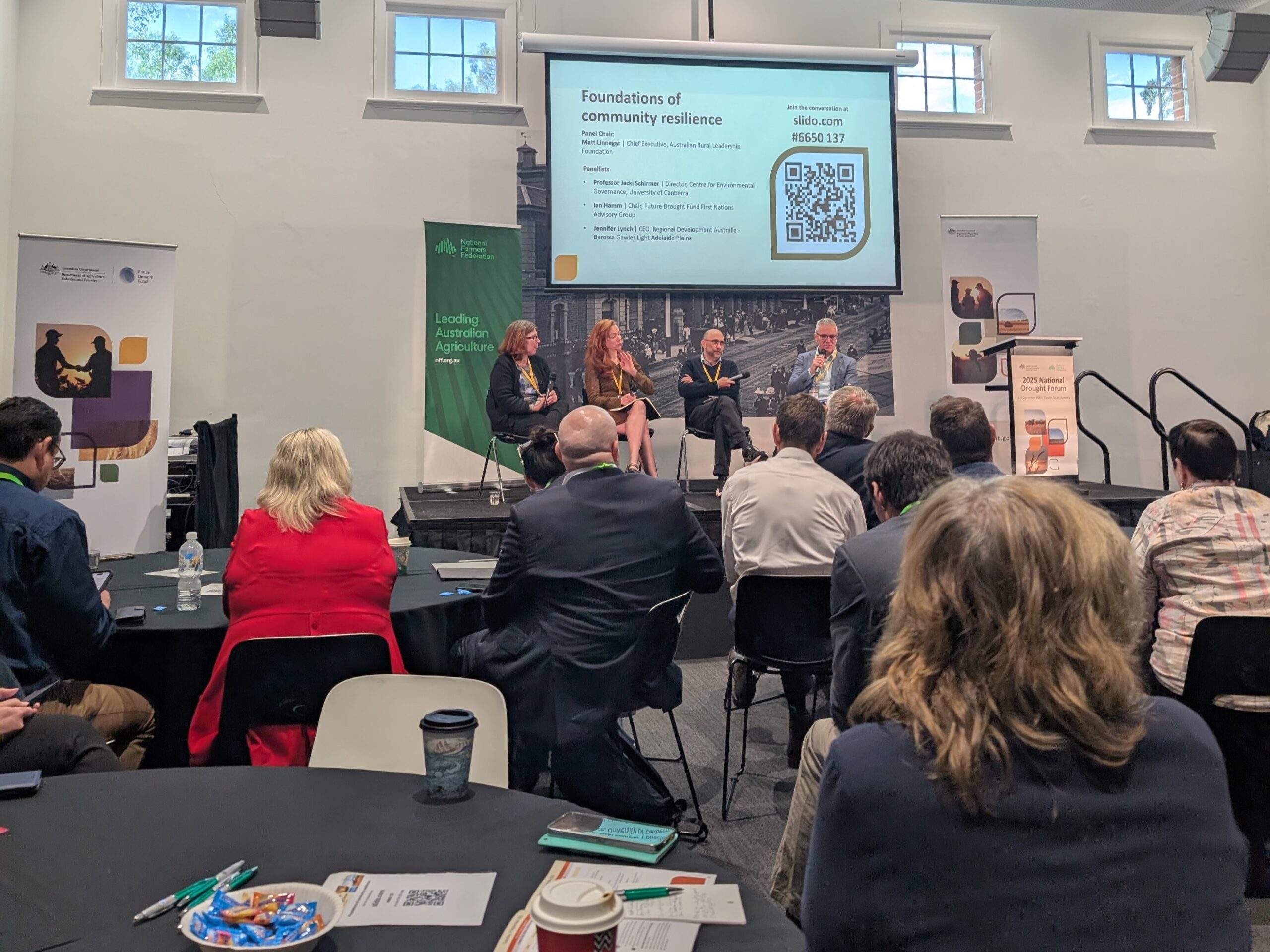
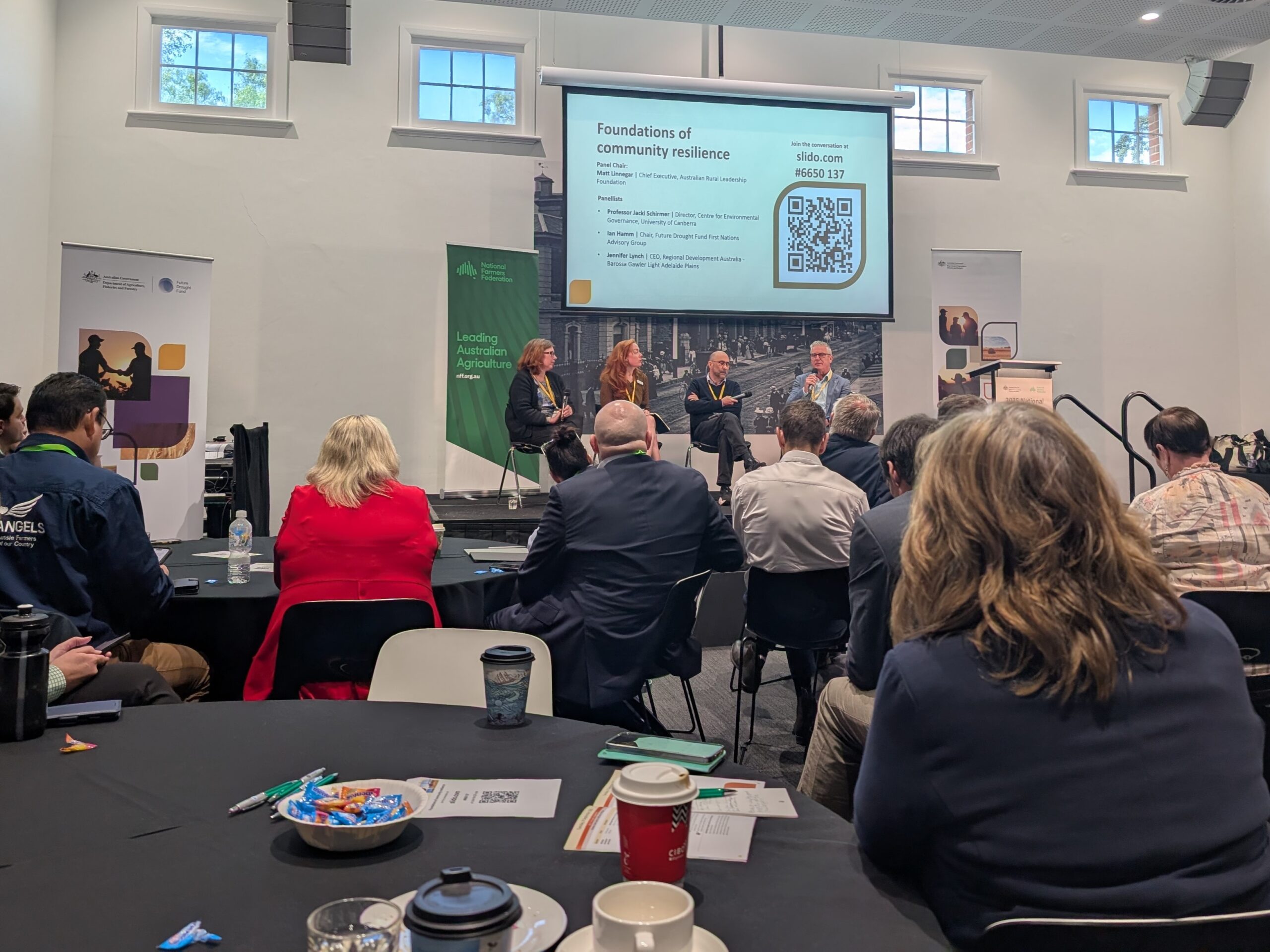
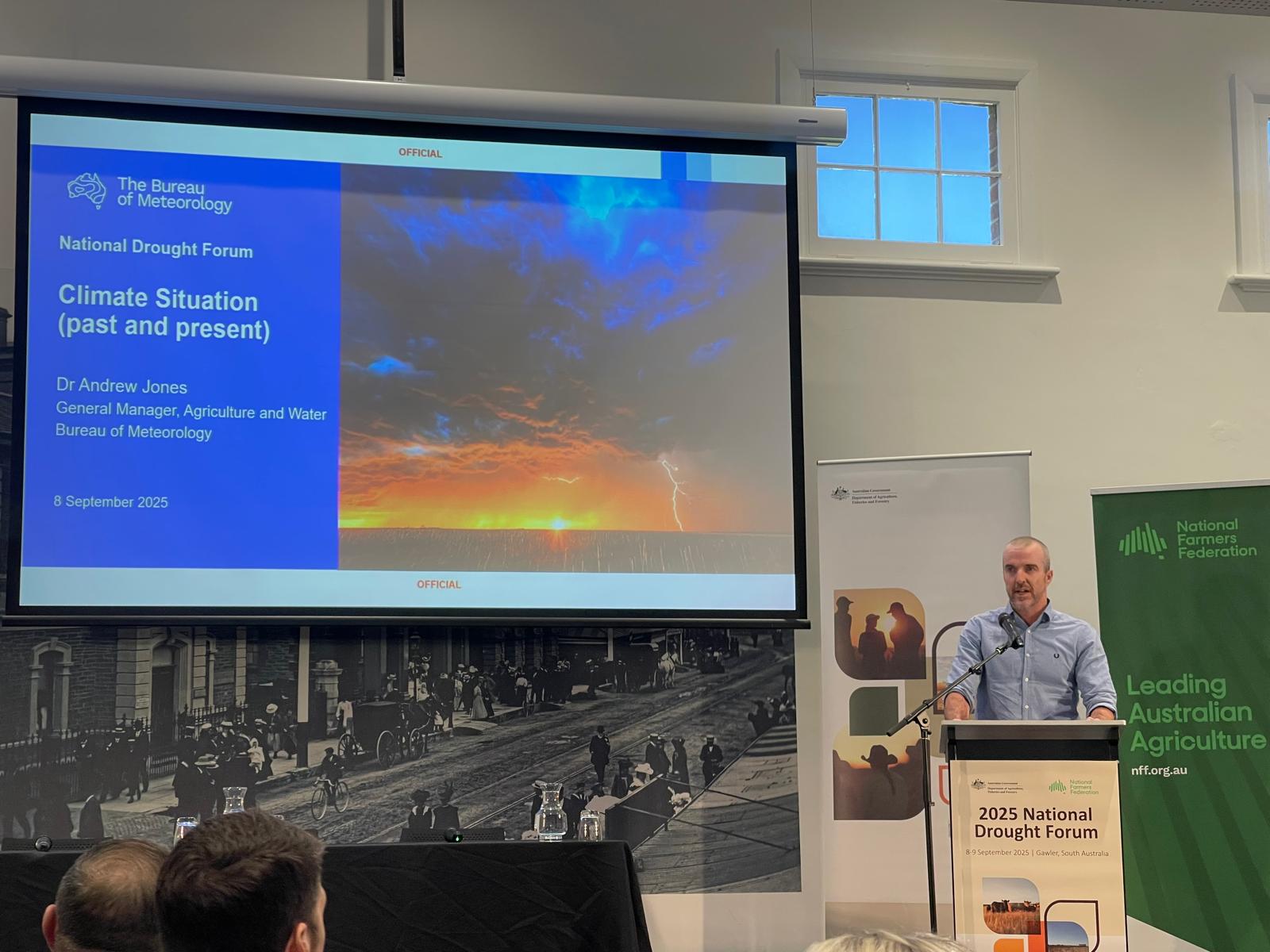
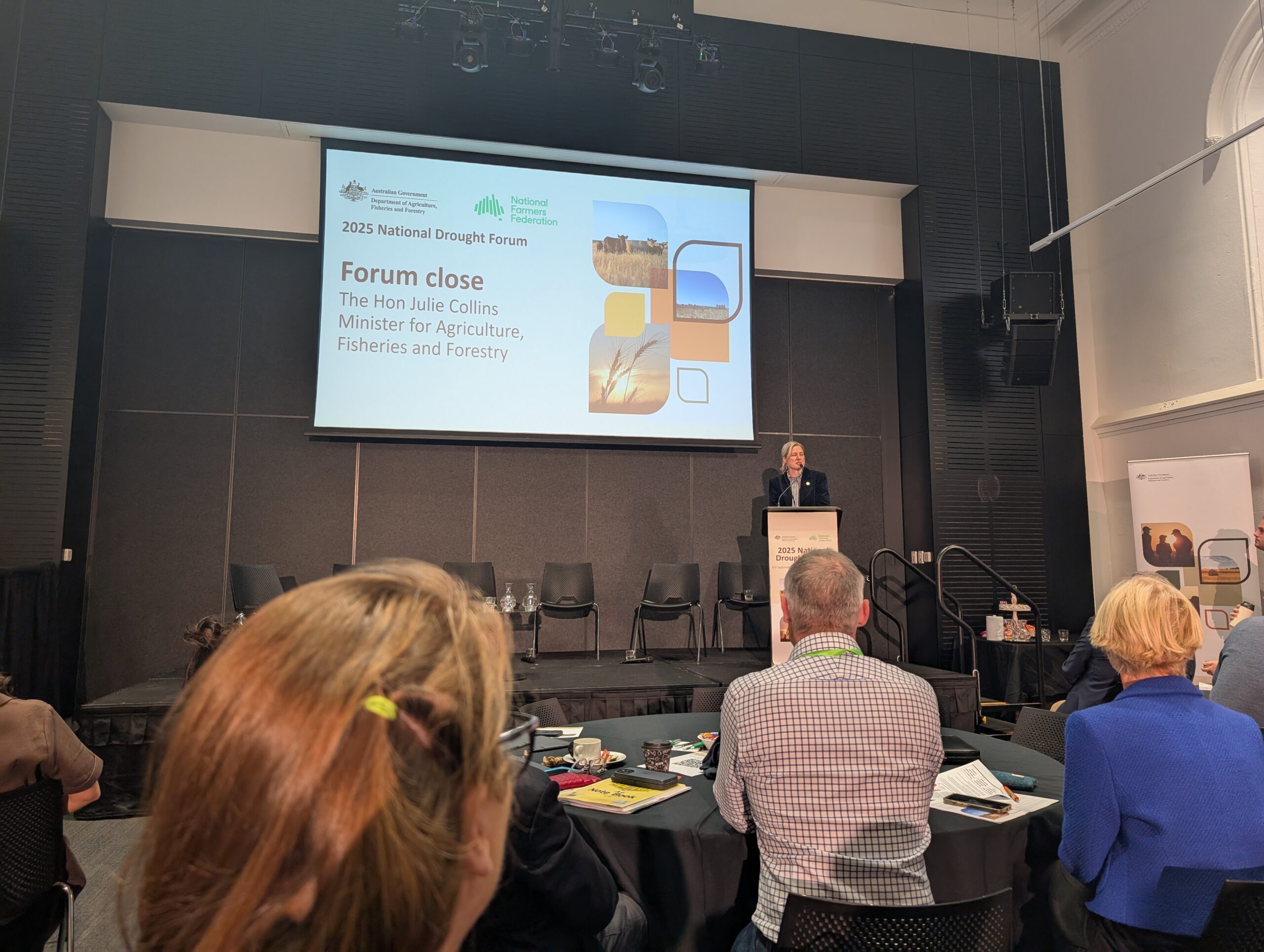
This challenge was front and centre at the 2025 National Drought Forum, held in Gawler, South Australia on 8–9 September. The biannual event brought together government leaders, industry representatives, First Nations voices, scientists, finance sector experts and community organisations to share insights, challenge assumptions and shape the future of Australia’s drought policy.
Representing the TNQ Drought Hub, Director David Phelps and Program Coordinator Jen McHugh from the hub’s Sustainable Aboriginal and Torres Strait Islander Enterprise (SASTIE) program joined the national conversation to ensure the perspectives of northern Australia were heard.
“The forum was a genuine display of bipartisanship from both sides of government about collaborating and cooperating on policy and wanting to genuinely understand the blockages and issues on the ground that make drought policy less effective,” David said.
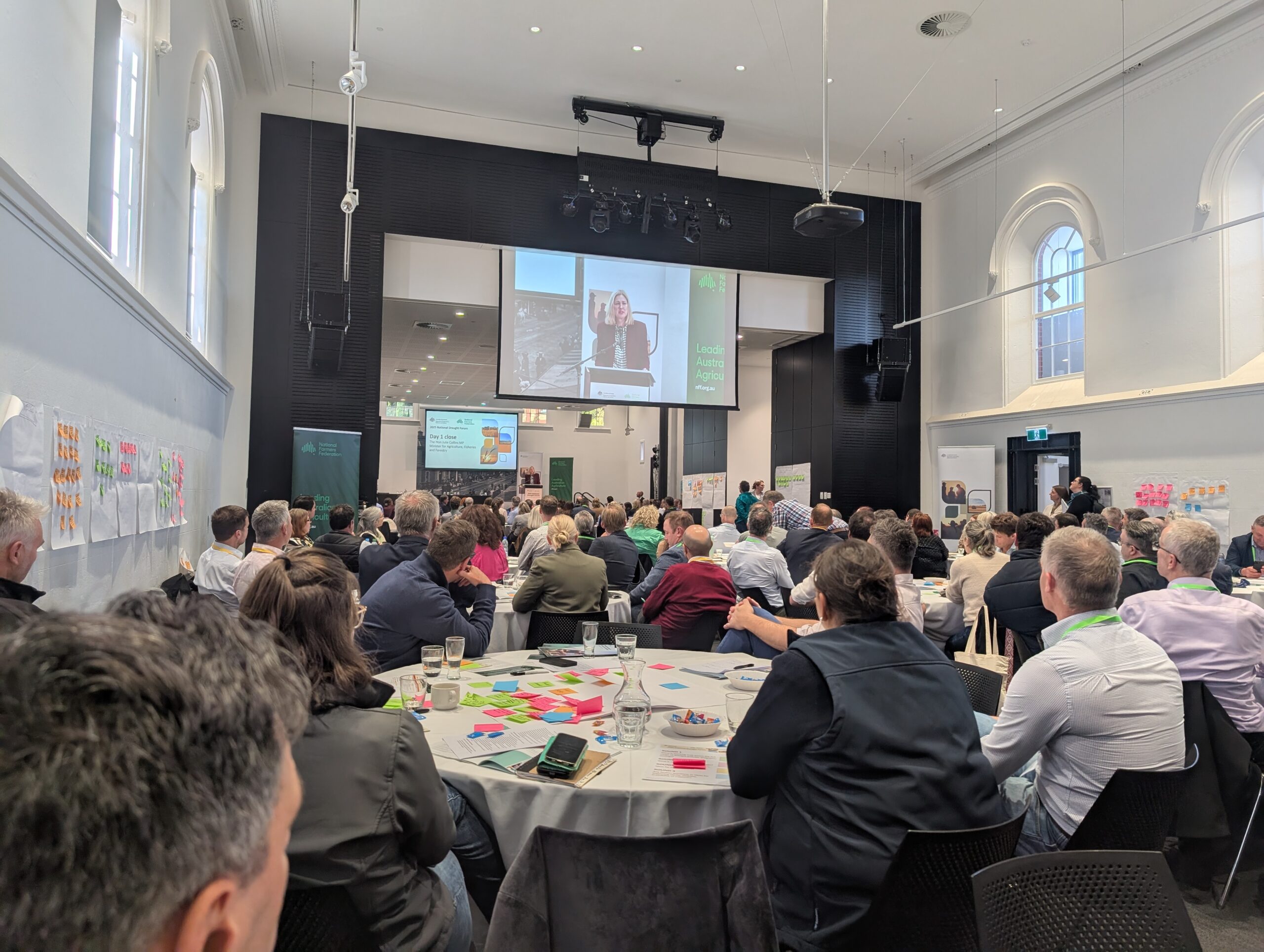
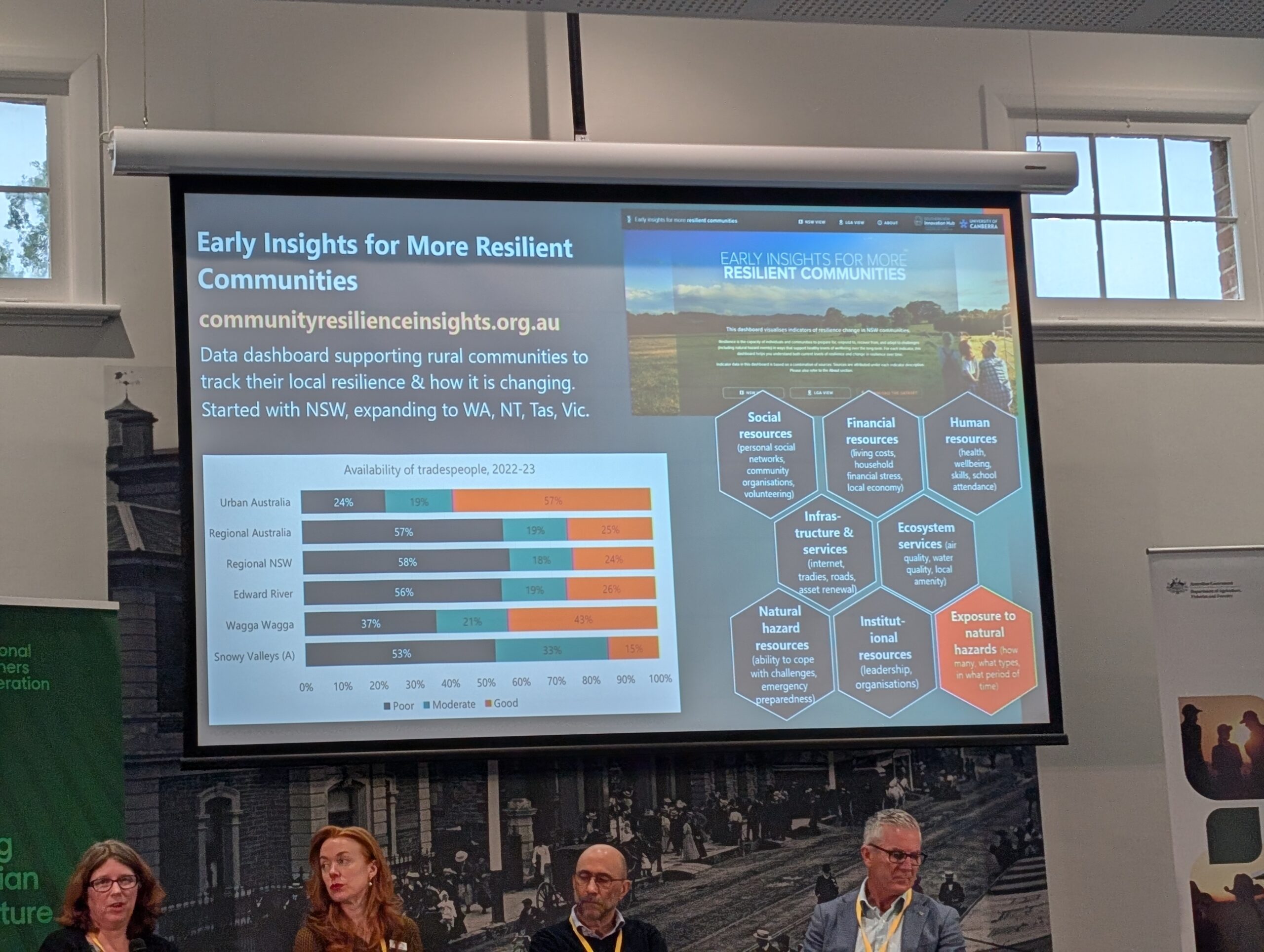
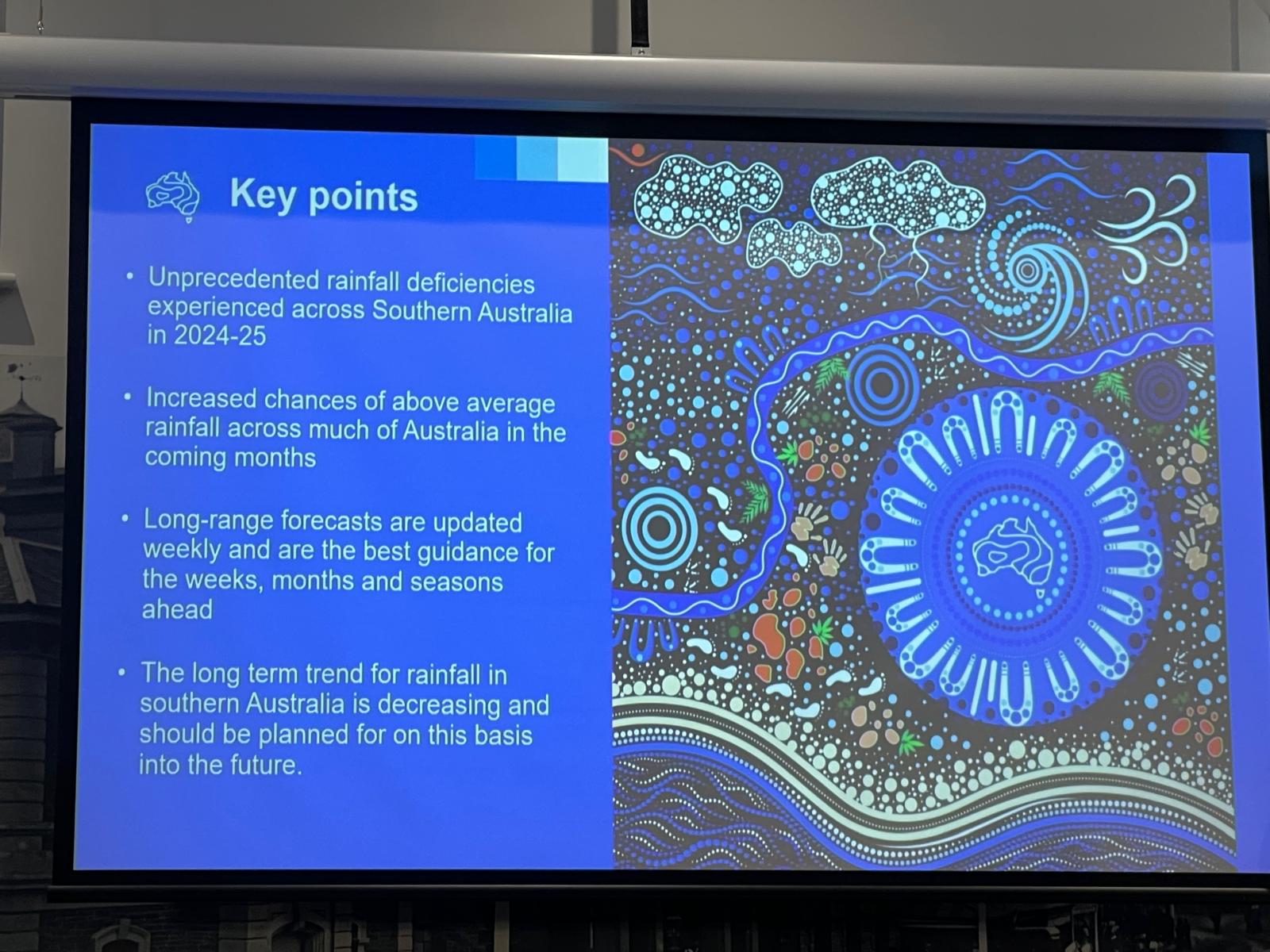
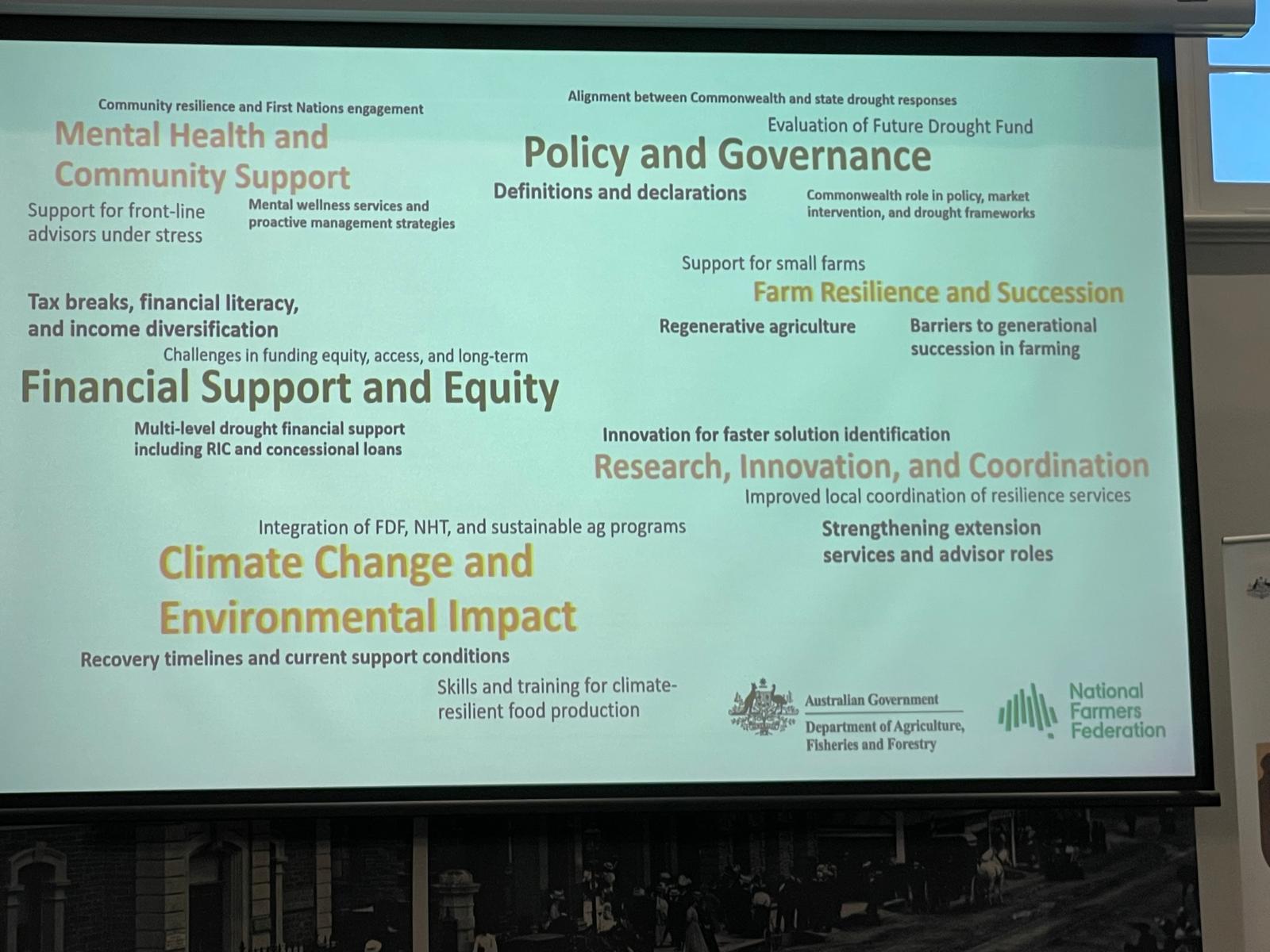
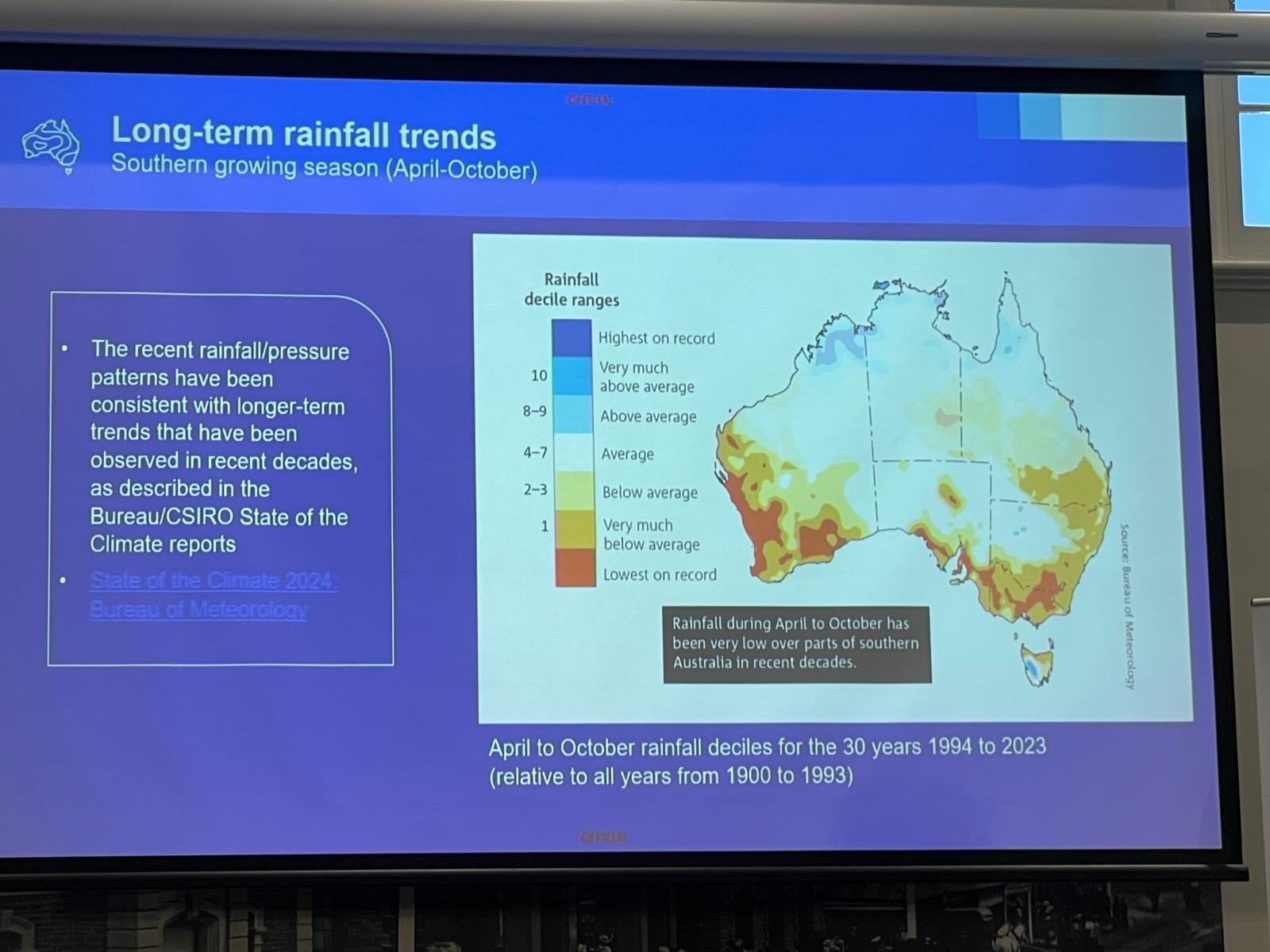
Forum discussions explored the future of farming and the challenge of transition, including family succession and adapting to climate change, while also examining drought as a catalyst for change. Sessions highlighted the need to rethink risk management, strengthen community resilience, shared responsibility, and protect food security for a hotter, drier future.
Roundtable meetings with Agriculture Ministers from every state reinforced a shared commitment to more nationally consistent approaches to drought support, while recognising that each region faces unique challenges and needs tailored solutions.
In her address, Minister for Agriculture, Fisheries and Forestry Julie Collins emphasised the government’s ongoing commitment to supporting farmers before, during and after drought, backed by long-term investments through the $5 billion Future Drought Fund. She also announced the continuation of the Drought Hubs, recognising their critical role in connecting farmers with regional experts and driving innovation.
“For many, drought and drought policy is not a theoretical concept, or just a topic for discussion in workshops,” Minister Collins said. “It is a lived reality they face each day.”
For the TNQ Drought Hub, the take-home message is clear: coming together as a nation is essential to secure the future of farming, protect food security and build stronger, more resilient communities. Drought is unavoidable, but it can also be a driver of positive change, sparking innovation, strengthening networks and shaping smarter policies.
“This forum was about more than policy,” David said. “It was about learning from each other, from on-farm responses to drought through to getting policies right. The hubs have a key role in bringing together that mix of different groups and ideas for place-based solutions.”
To learn more about national drought policy and support programs, visit drought.gov.au.