Citrus Growers Hear Practical Soil Health Strategies at FNQ Workshop
Key takeaways
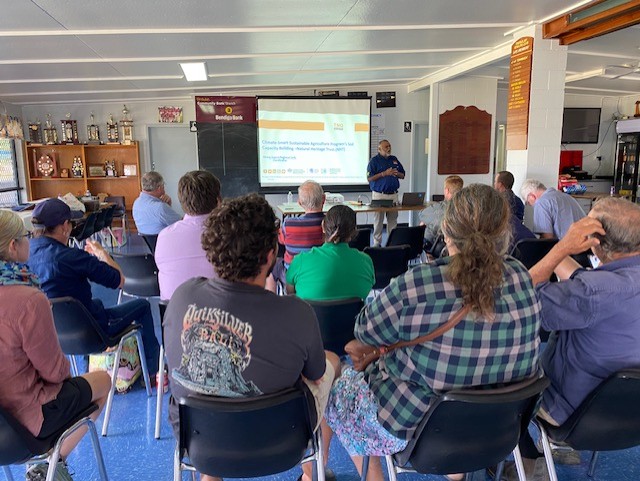
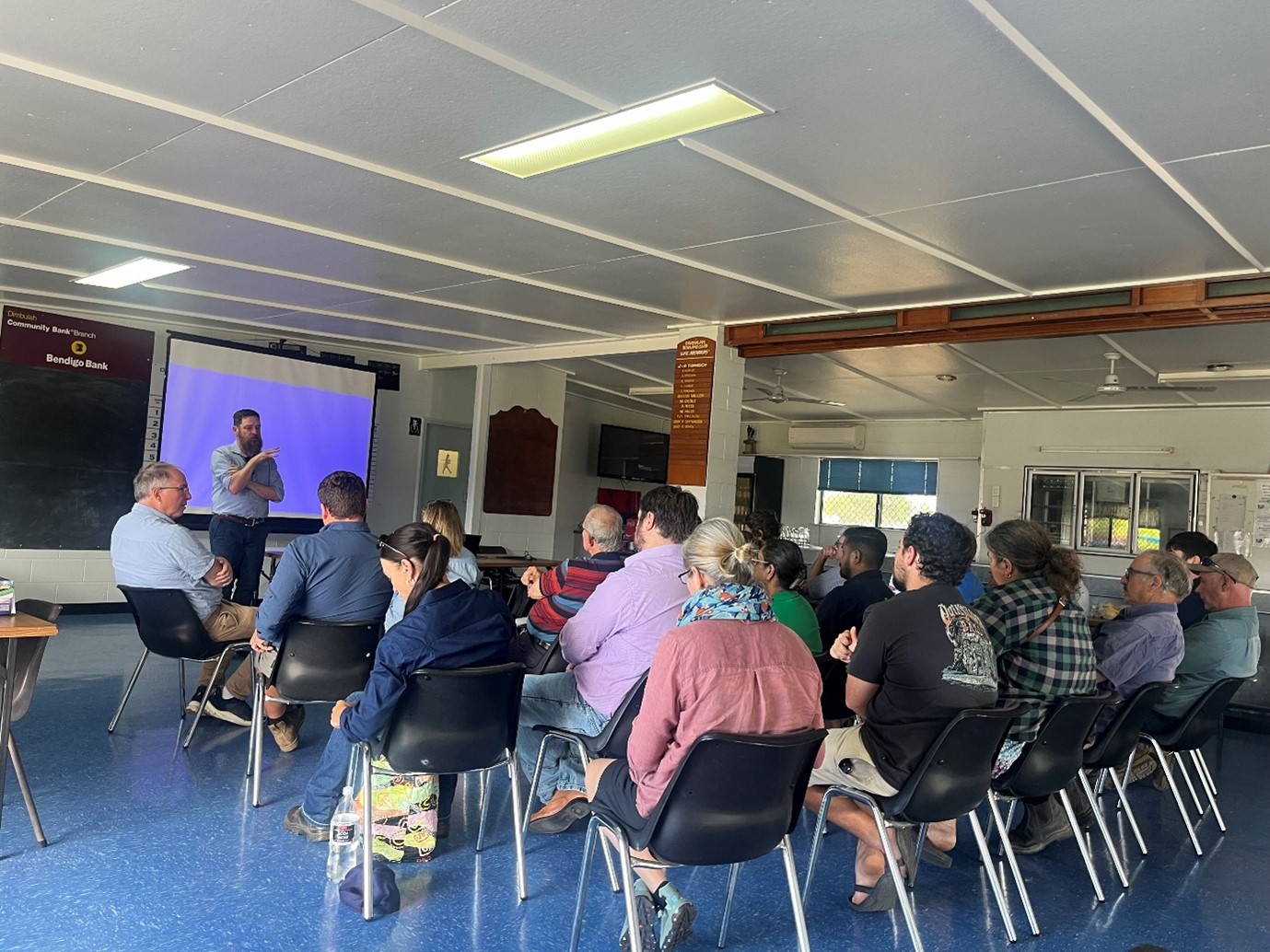
More than 30 citrus growers and industry representatives attended the FNQ workshop in Dimbulah, where discussions focused on practical industry challenges including market access, citrus canker preparedness, post-harvest management and orchard resilience.
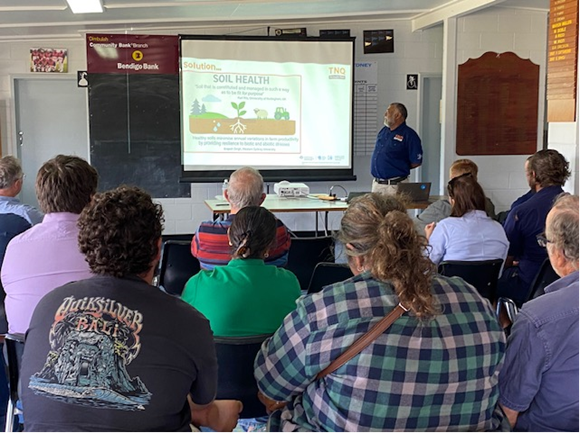
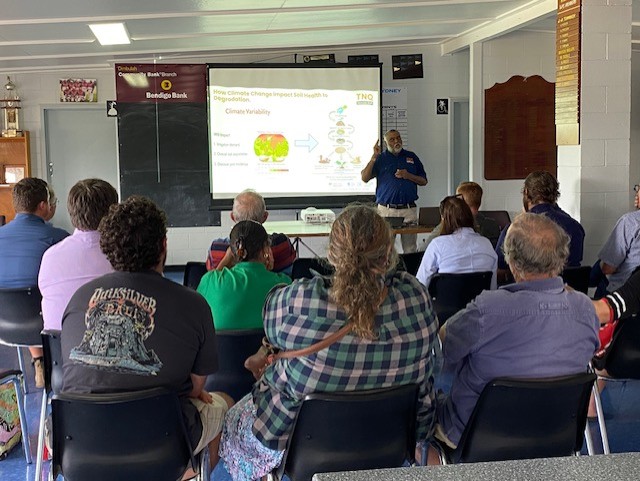
The TNQ Drought Hub contributed to the event through Regional Soil Coordinator Dhiraj Gajera, who presented on managing soils for climate extremes and highlighted practical ways soil health can support more resilient citrus production systems.
Dhiraj emphasised that improving soil health, particularly soil biology, biodiversity and organic matter, can help growers improve nutrient cycling, reduce plant stress and strengthen tree resilience during drought, heat and erratic rainfall.
More than 30 growers and industry representatives gathered in Dimbulah in May for the Citrus Australia FNQ Meeting and Workshop, with discussions focusing on market access, biosecurity, post-harvest management and building resilient citrus production systems.
Held on 13 May, the workshop brought together growers, researchers and industry leaders to discuss current challenges and opportunities facing the citrus sector. Sessions included updates on Citrus Australia advocacy and research and development activities, emergency planning for citrus canker, and international market access issues involving Vietnam, Japan, Korea and the USA.
Regional Soil Coordinator Dhiraj Gajera from the TNQ Drought Hub attended the workshop and delivered a presentation on managing soils for climate extremes. His session focused on the role soil health can play in supporting orchard productivity and helping citrus systems cope with increasingly variable seasonal conditions.
Citrus growers learning about soil biology and biodiversity
Dhiraj highlighted the importance of the National Soil Strategy and National Soil Action Plan in recognising soil health as a practical response to climate challenges affecting Australian agriculture. He explained that climate extremes can have significant impacts on citrus crop production, fruit quality, tree resilience and overall orchard performance.
“The best long-term option for building resilience in citrus systems is to focus on soil health, particularly soil biology and biodiversity,” Dhiraj said.
He also spoke about the importance of improving soil organic matter to support microbial activity, nutrient cycling and nutrient availability within orchards.
“Better soil function helps reduce nutritional stress, which can make citrus trees less susceptible to pest and disease pressure, including black spot,” he said.
The presentation connected healthy soils with stronger tree vigour, improved fruit quality and a greater ability to cope with drought, heat and erratic rainfall. Discussions throughout the session focused on practical soil management approaches growers can use to support long-term orchard performance and sustainability.
The workshop also featured technical presentations from Dr John Golding of NSW DPIRD on chill injury and de-greening lemons, providing growers with practical information on post-harvest quality, fruit handling and market readiness.
The day concluded with FNQ committee discussions and a citrus maturity testing workshop, giving participants the opportunity to share knowledge and discuss current industry priorities.