Building soil capability for stronger farming futures
Key takeaway
This program is actively training early-career soil scientists to strengthen the workforce, meaning better access to practical, informed soil advice in the future.
Graduates are gaining hands-on experience in soil classification, carbon and moisture dynamics, erosion management and field-based soil assessment.
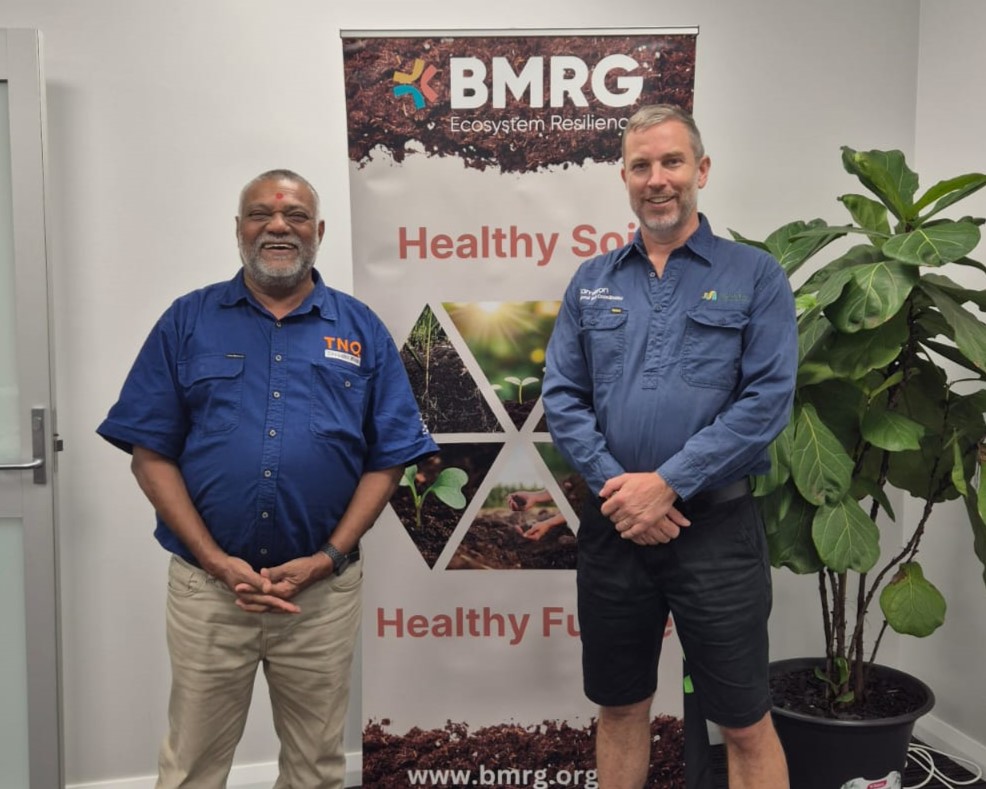
Through Regional Soil Coordinator Dhiraj Gajera’s involvement, the TNQ Drought Hub is connecting graduates with producers, NRM groups and industry. This ensures training is grounded in real farming systems.
Building a skilled soil workforce is essential for producers managing seasonal variability, input costs and long-term land condition. That is why the TNQ Drought Hub’s Regional Soil Coordinator, Dhiraj Gajera, is focused on connecting emerging soil scientists with real farming systems.
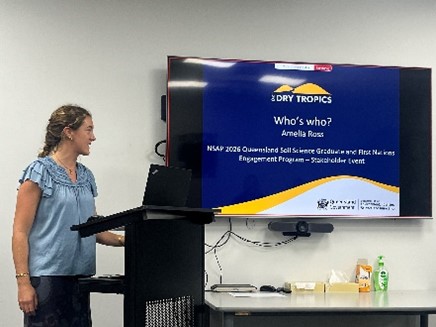
In early February, Dhiraj participated inthe Queensland Soil Science Graduate and First Nations Engagement Program forum, hosted by Burnett Mary Regional Group in Bargara. The two-day event brought together graduate soil scientists, First Nations representatives and regional land managers to strengthen soil conservation knowledge and culturally informed land stewardship.
The program responds to a clear challenge. Recent soil knowledge gap analysis and survey findings show a significant mismatch between how important soils are to agricultural productivity and how many professionals can confidently assess and advise on them independently. Addressing this gap is a priority under the National Soil Action Plan and Australia’s National Soil Strategy.
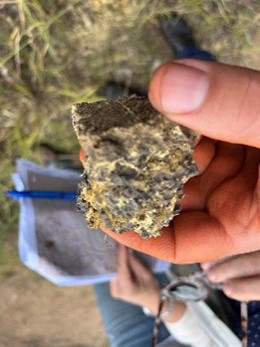
Examining soil formation processes across a range of soil types
“The soil knowledge gap analysis highlights a real mismatch between the importance of soils and the number of professionals who can independently assess and advise on them,” Dhiraj said. “Developing a capable soil workforce is critical. By connecting graduates with growers, NRM groups and industry, we are ensuring soil science is applied in real paddocks and supports better decisions around soil biology, organic matter and drought resilience.”
Through hands-on workshops, field demonstrations and on-farm soil testing, graduates are gaining practical experience in soil classification, erosion risk, soil carbon and moisture dynamics. A regional bus tour during the forum examined soil formation processes across a range of soil types, linking geology to management decisions in coastal farming landscapes.
The program’s 12-month graduate placements, jointly hosted by NRM groups and Queensland Government agencies, are also building capability to support the National Soil Monitoring Program. Graduates are developing skills in pedology, soil chemistry and soil physics, while learning how First Nations knowledge and spiritual conservation practices can strengthen mainstream land management.
For primary producers, this investment in people means stronger local expertise and more accessible, regionally relevant advice. It builds practical capacity across the region, helping growers make informed soil management decisions that support productivity and long-term land condition.