Key takeaways
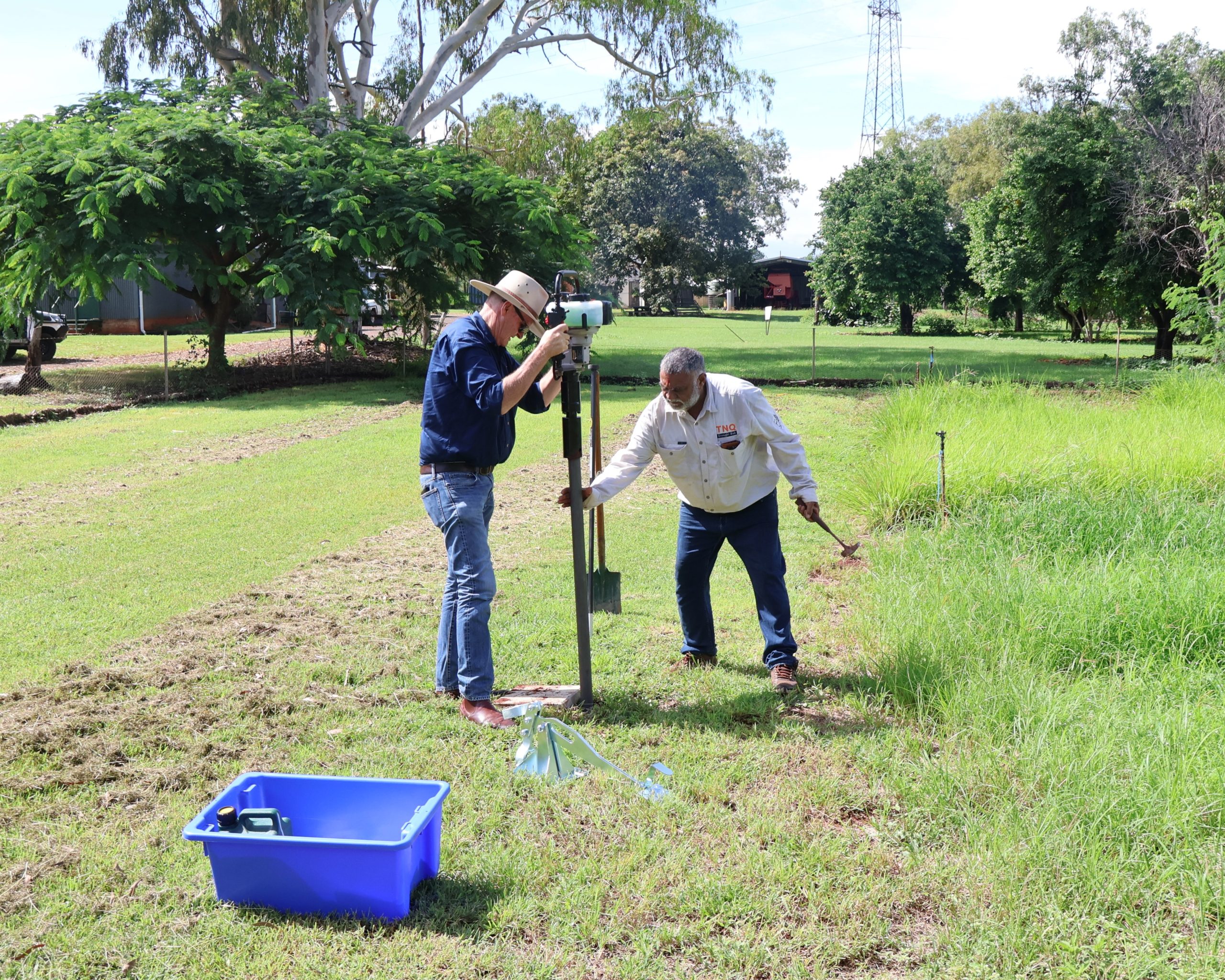
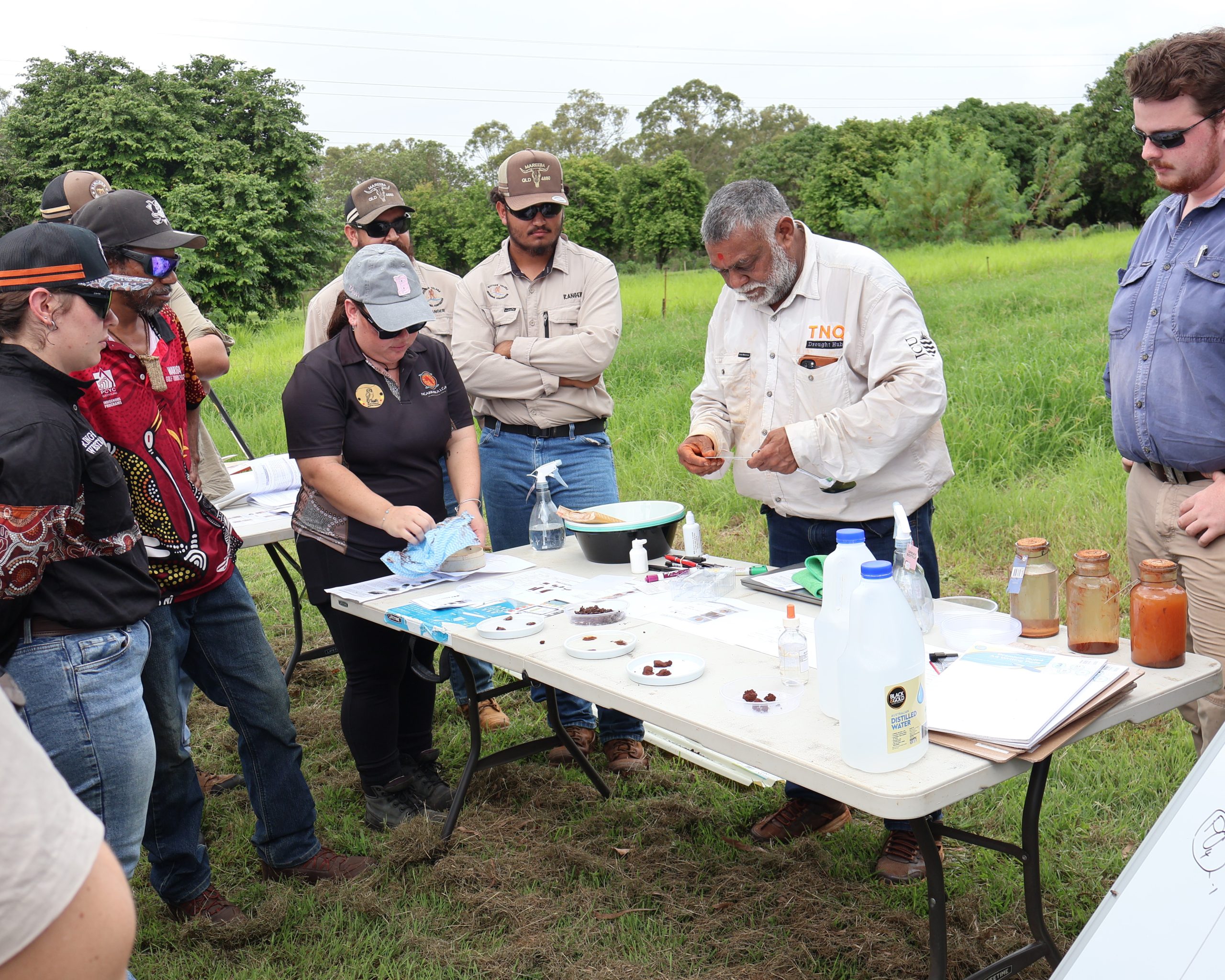
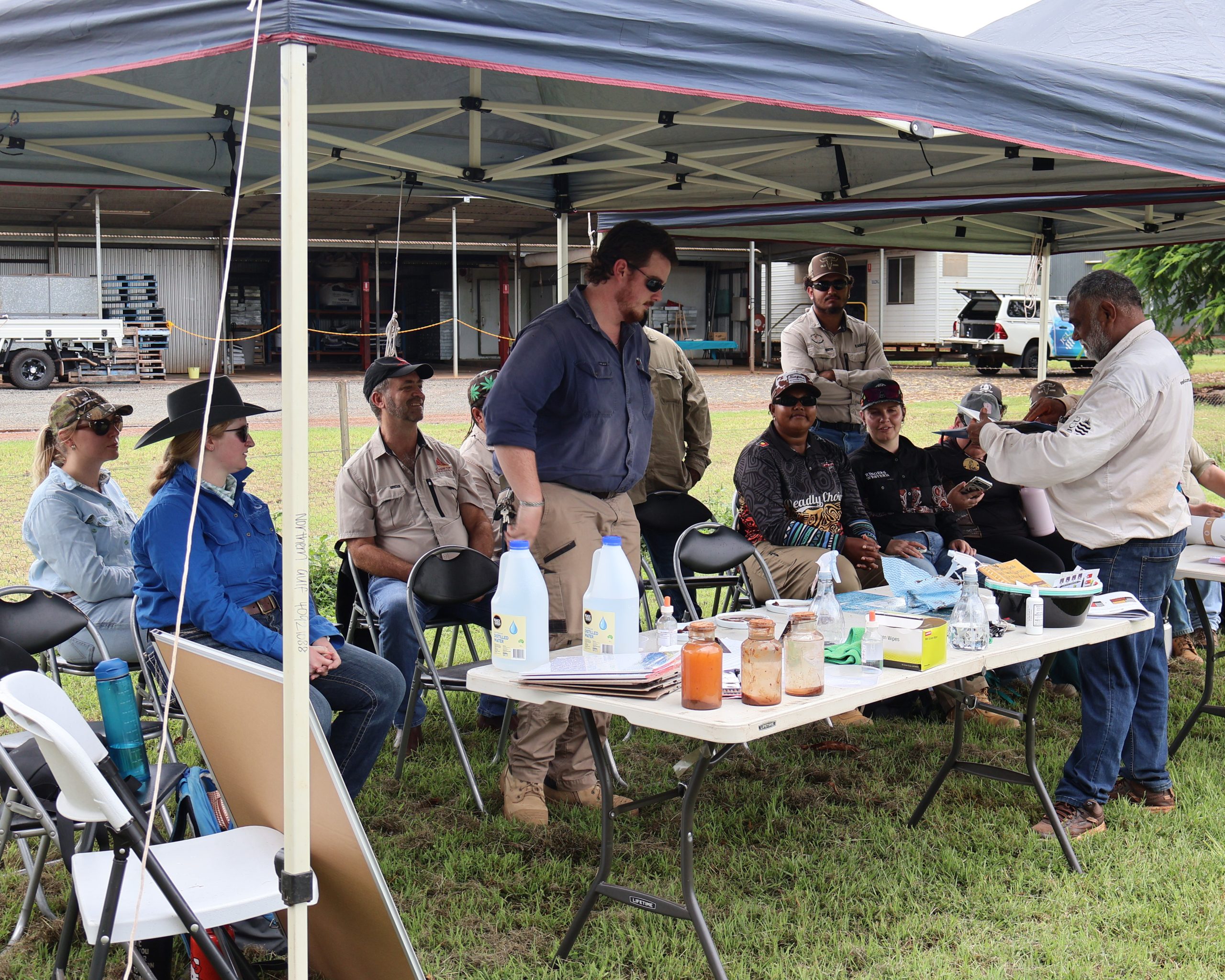
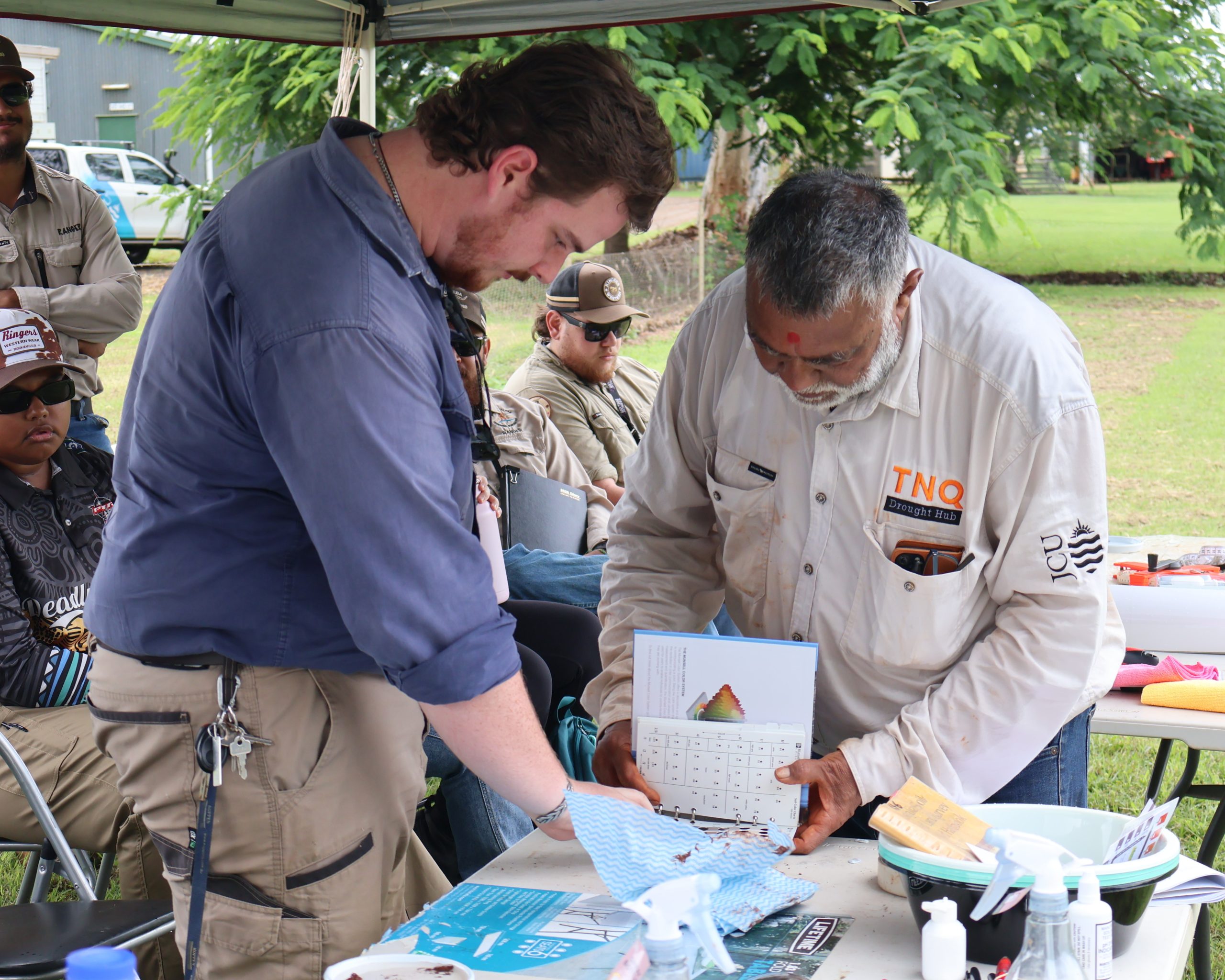
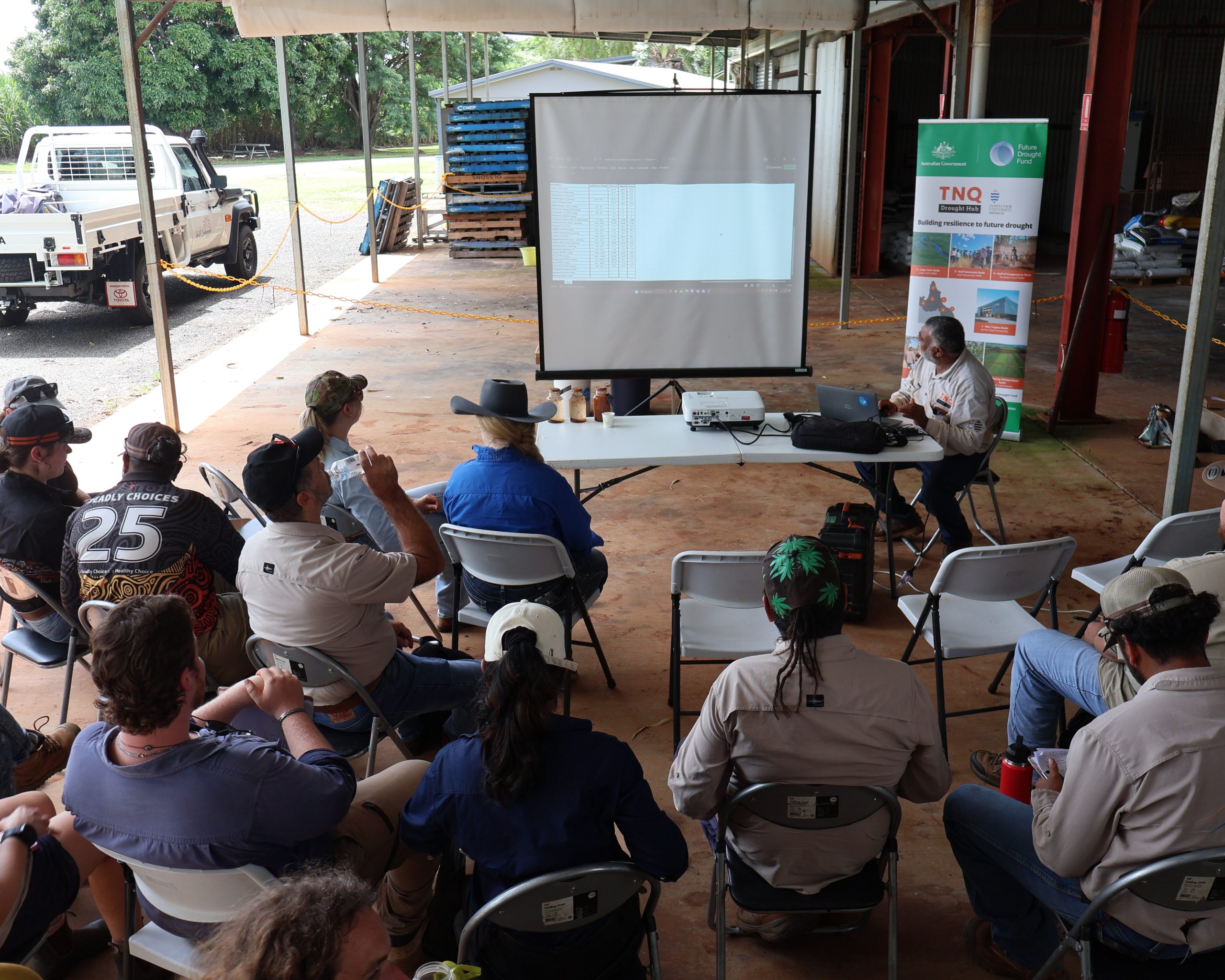
Extension and Project Officers from across the Gulf Savannah region recently took part in a hands-on soil sampling and classification workshop at the Walkamin Research Facility on the Atherton Tablelands.
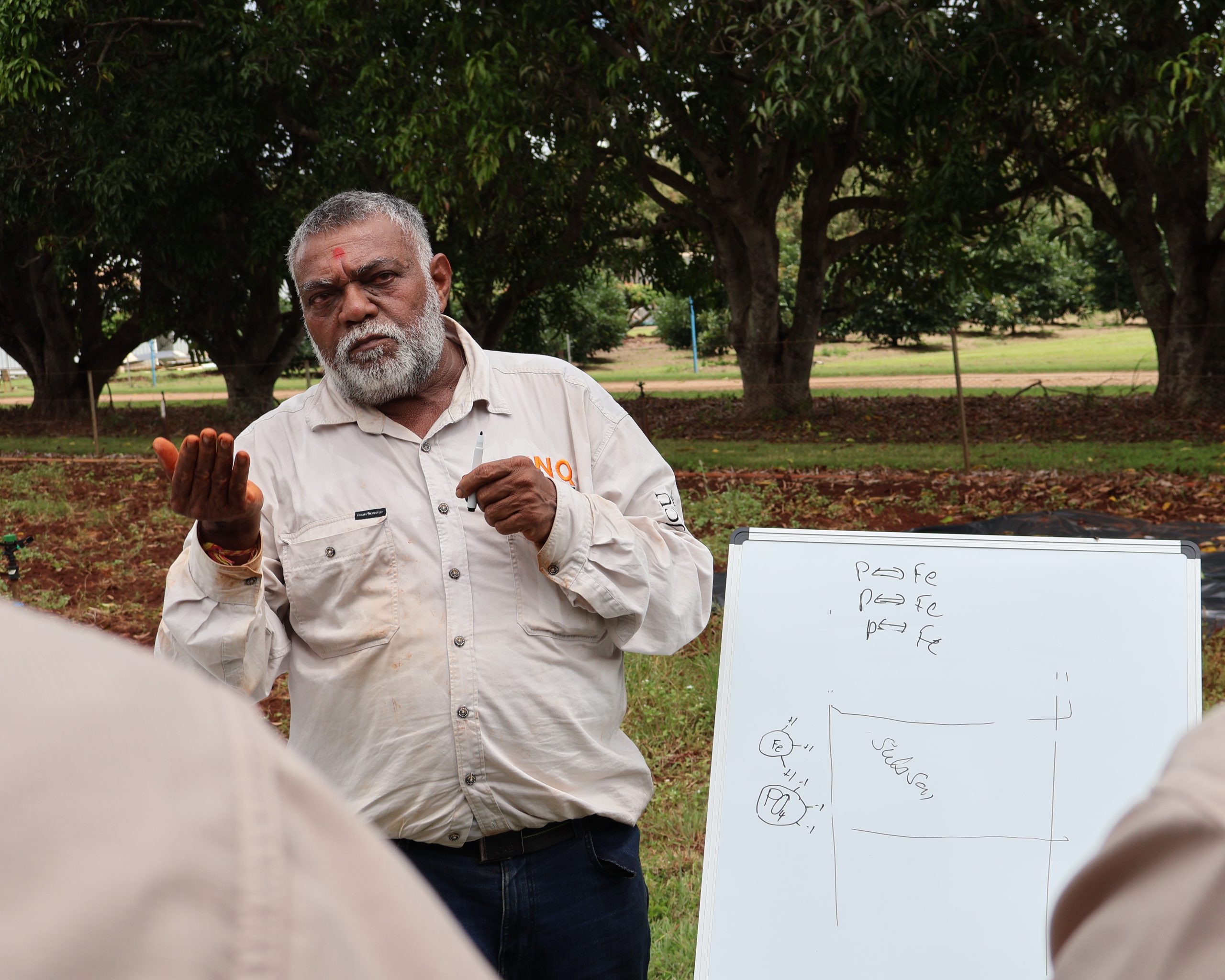
Delivered by the TNQ Drought Hub’s Regional Soil Coordinator, Dhiraj Gajera, in partnership with Gulf Savannah NRM, the training focused on building practical skills to better understand soil health and apply that knowledge on farm.
Set within a Department of Agriculture and Fisheries research site known for its basalt-derived soils and intensive cropping systems, the workshop provided an ideal environment to connect soil science with real-world land management decisions relevant to northern grazing and mixed enterprises.
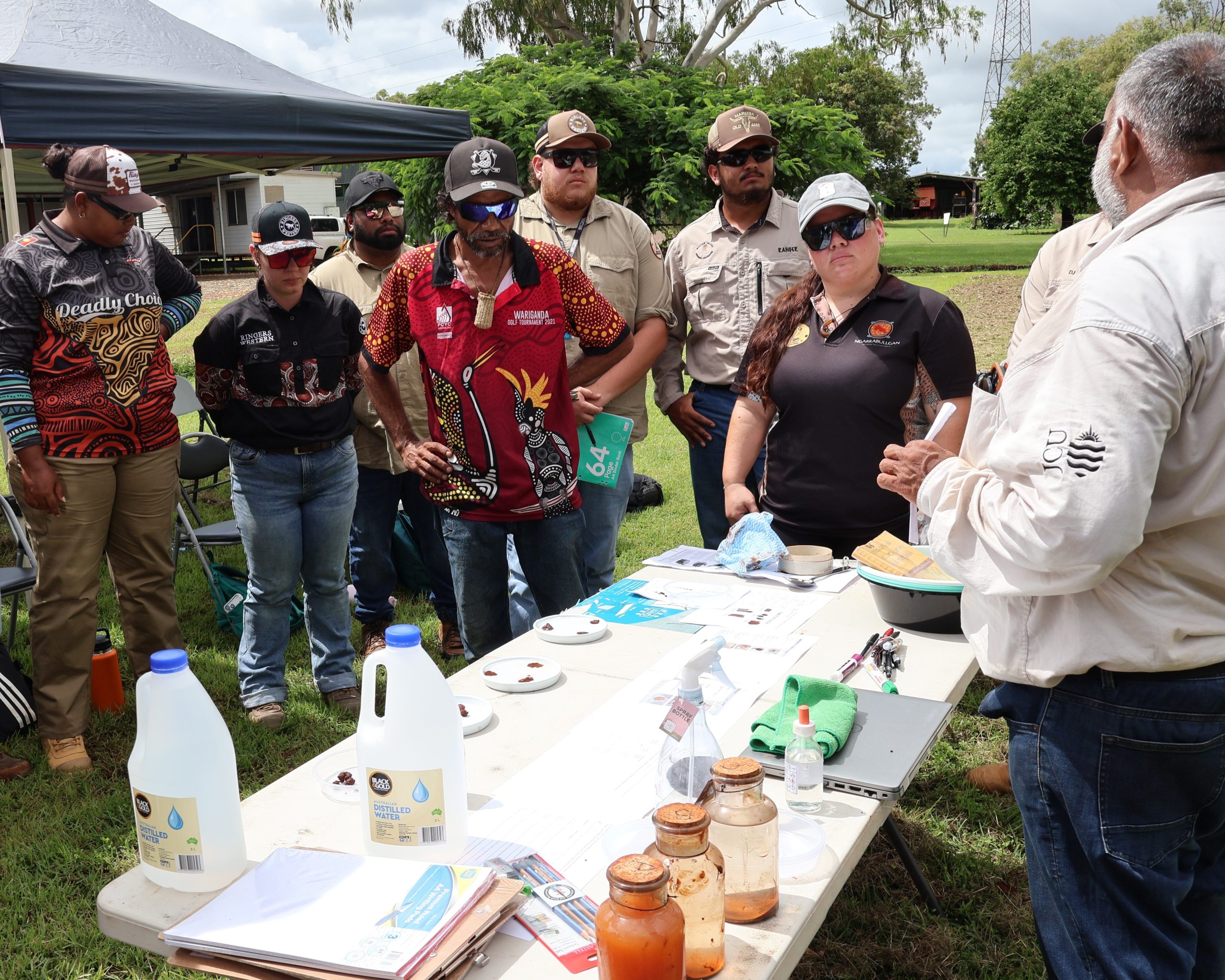
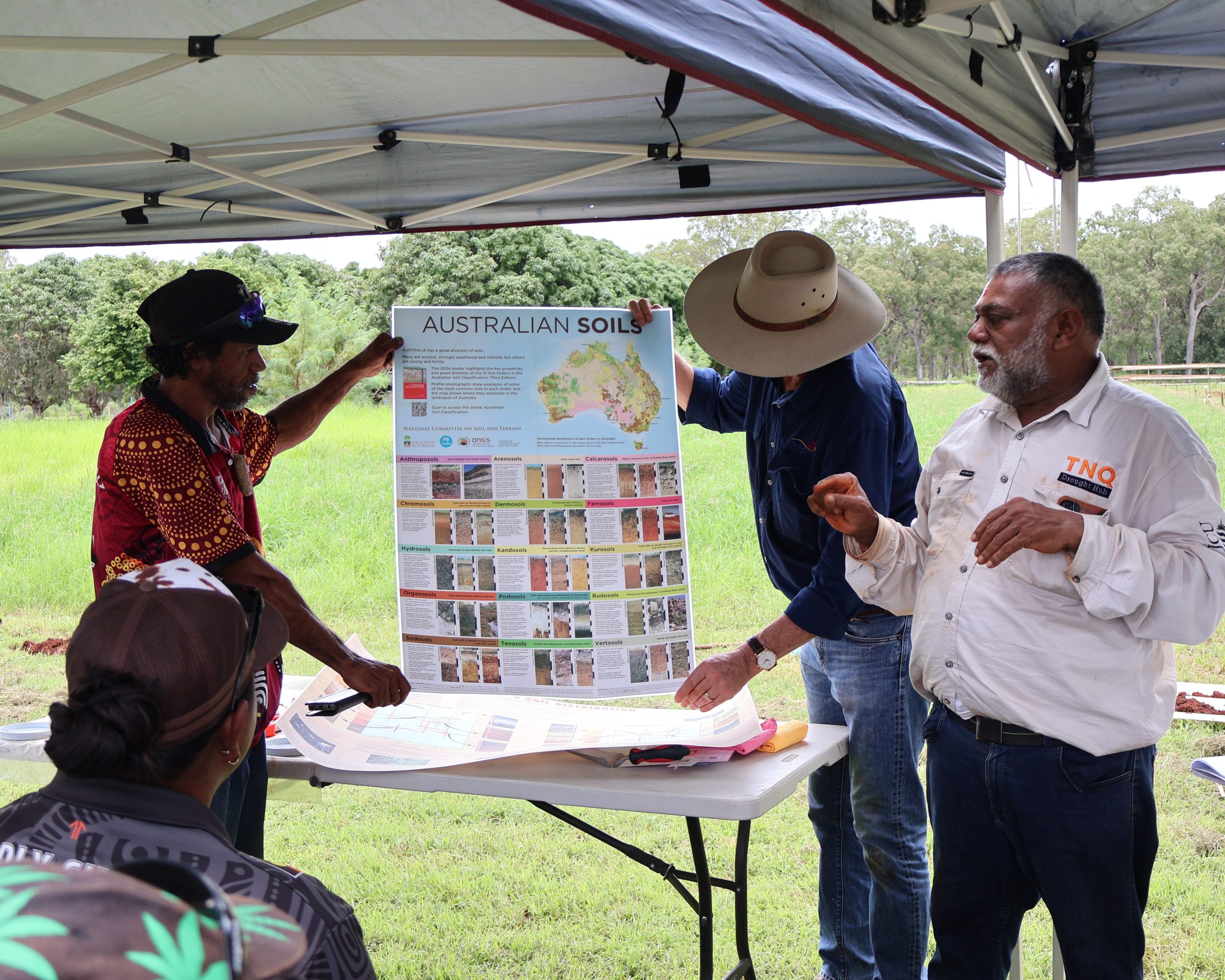
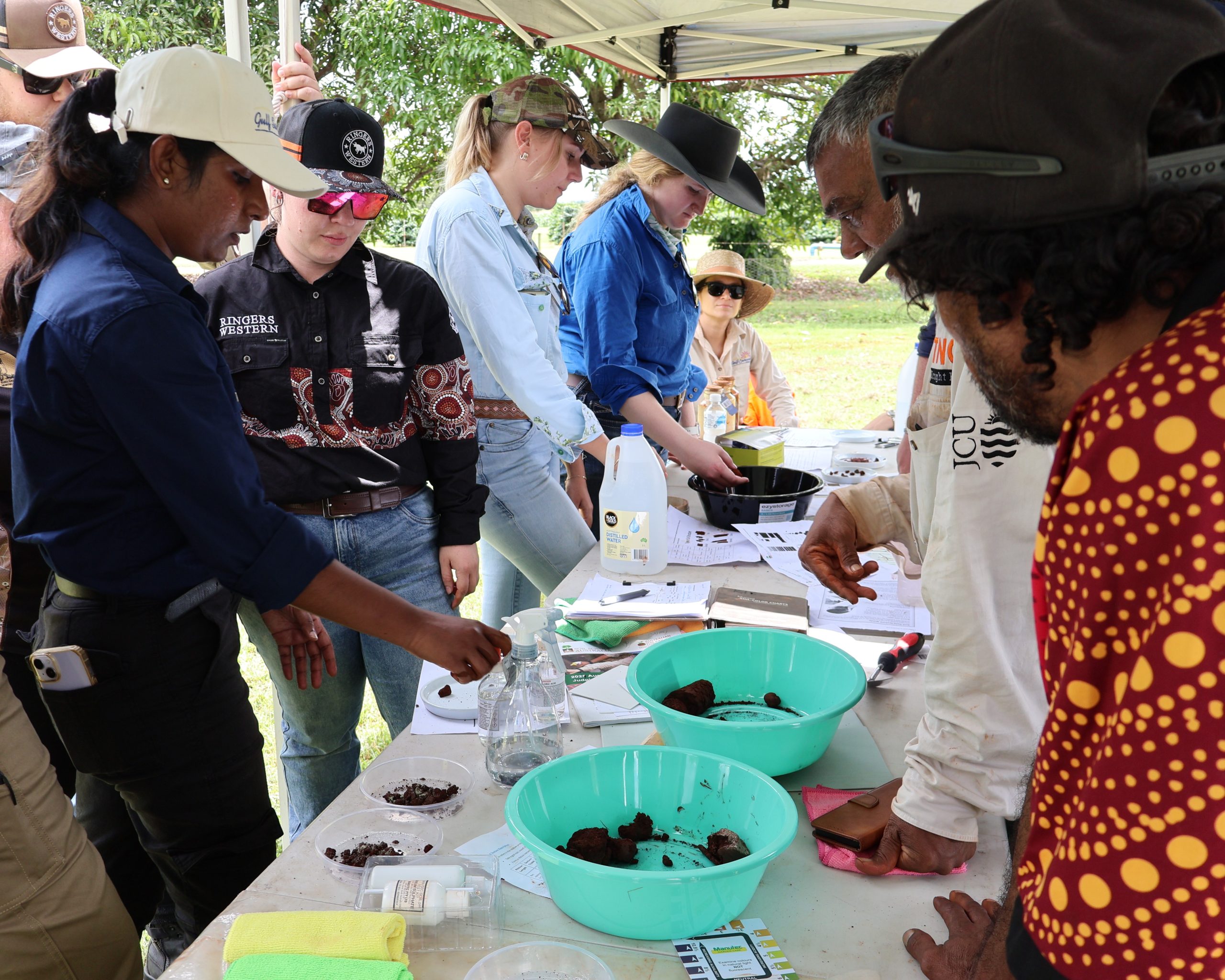
Participants, including First Nations Rangers, NRM staff and regional stakeholders, worked through both foundational concepts and hands-on activities. A strong focus was placed on two-way learning, combining scientific methods with local knowledge and experience of Country.

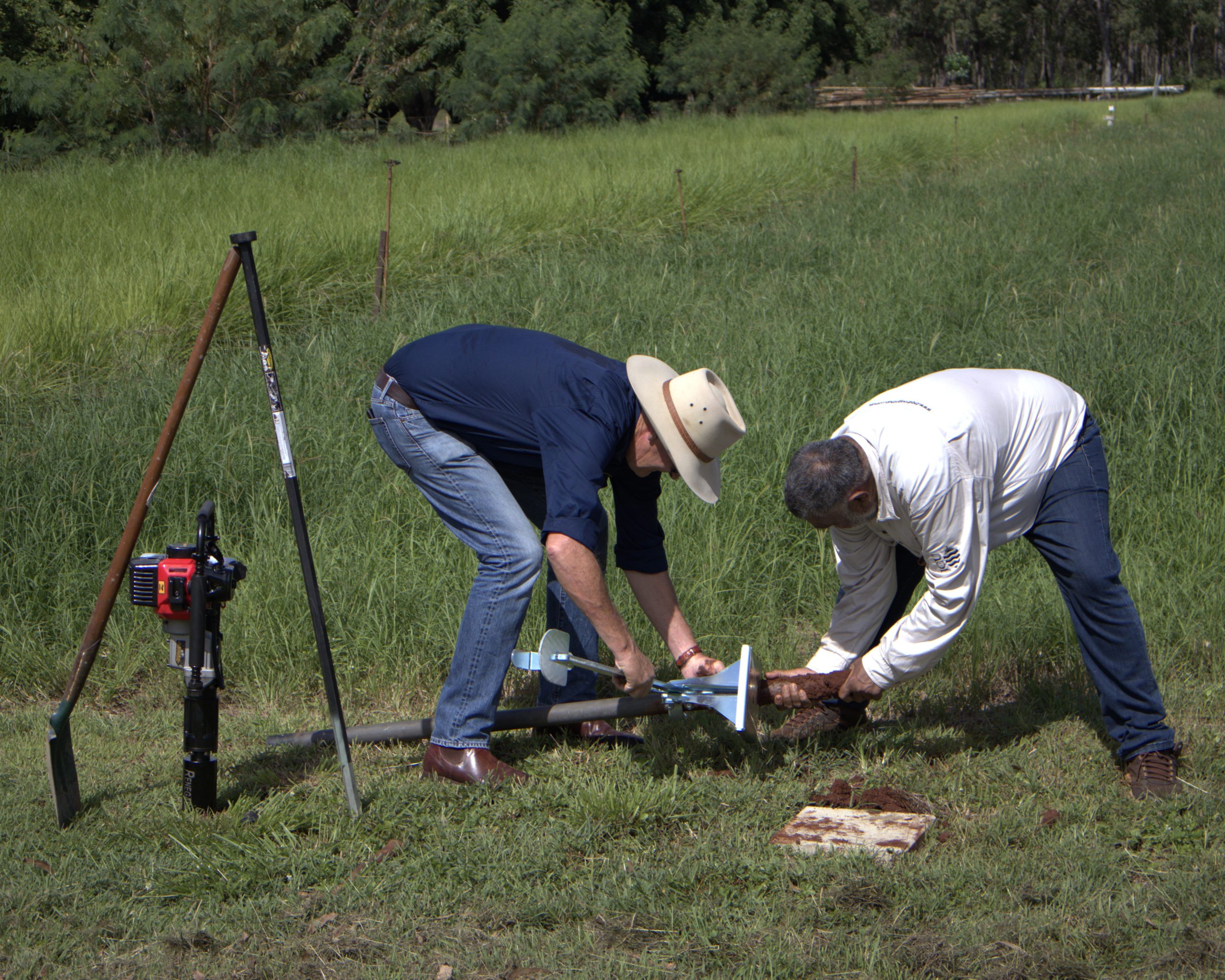
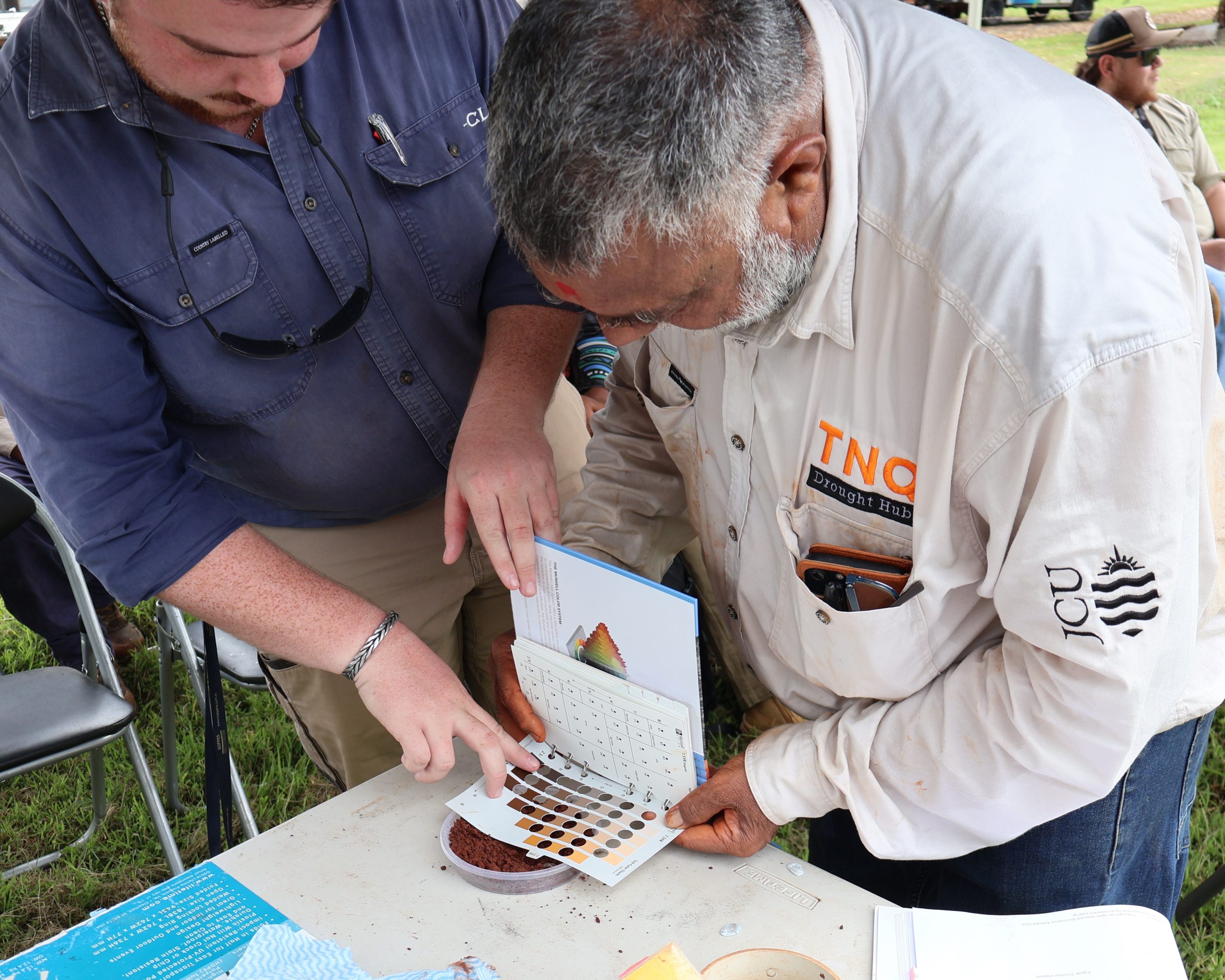
The session began with an introduction to soil sampling techniques, including how to plan and collect consistent samples for monitoring and laboratory testing. Participants then explored soil profile characteristics such as texture, structure, pH and organic matter, alongside an introduction to the Australian Soil Classification system.
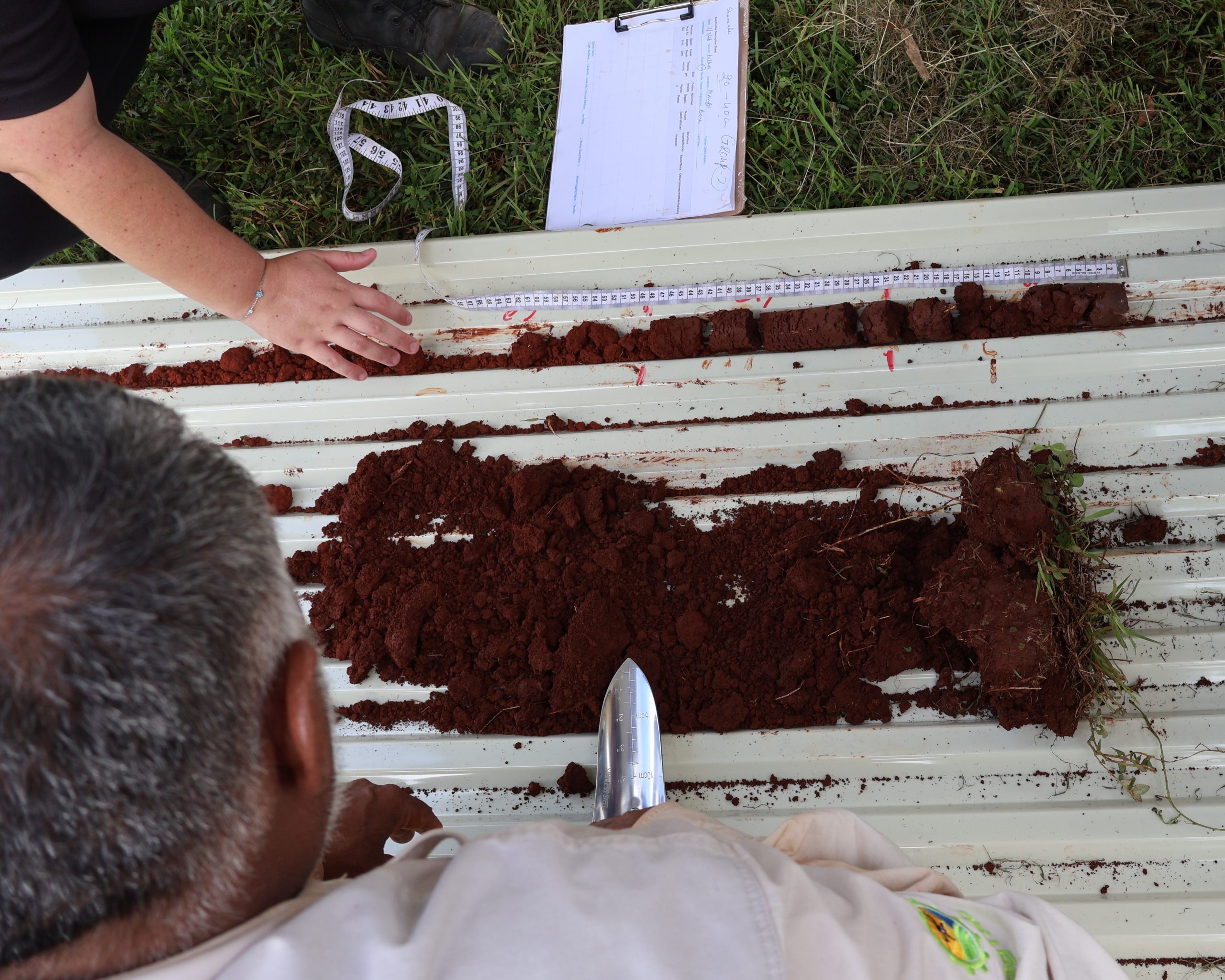
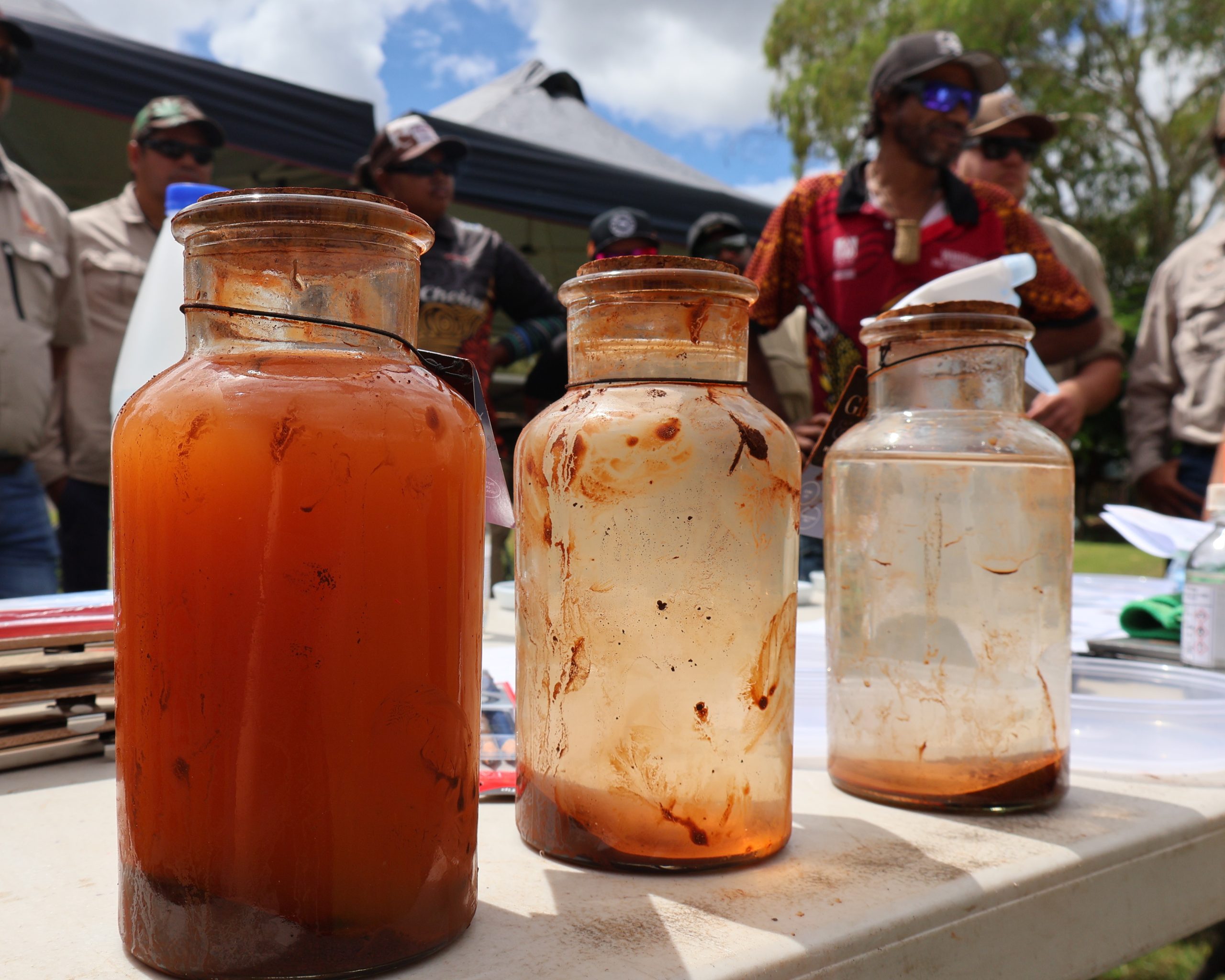
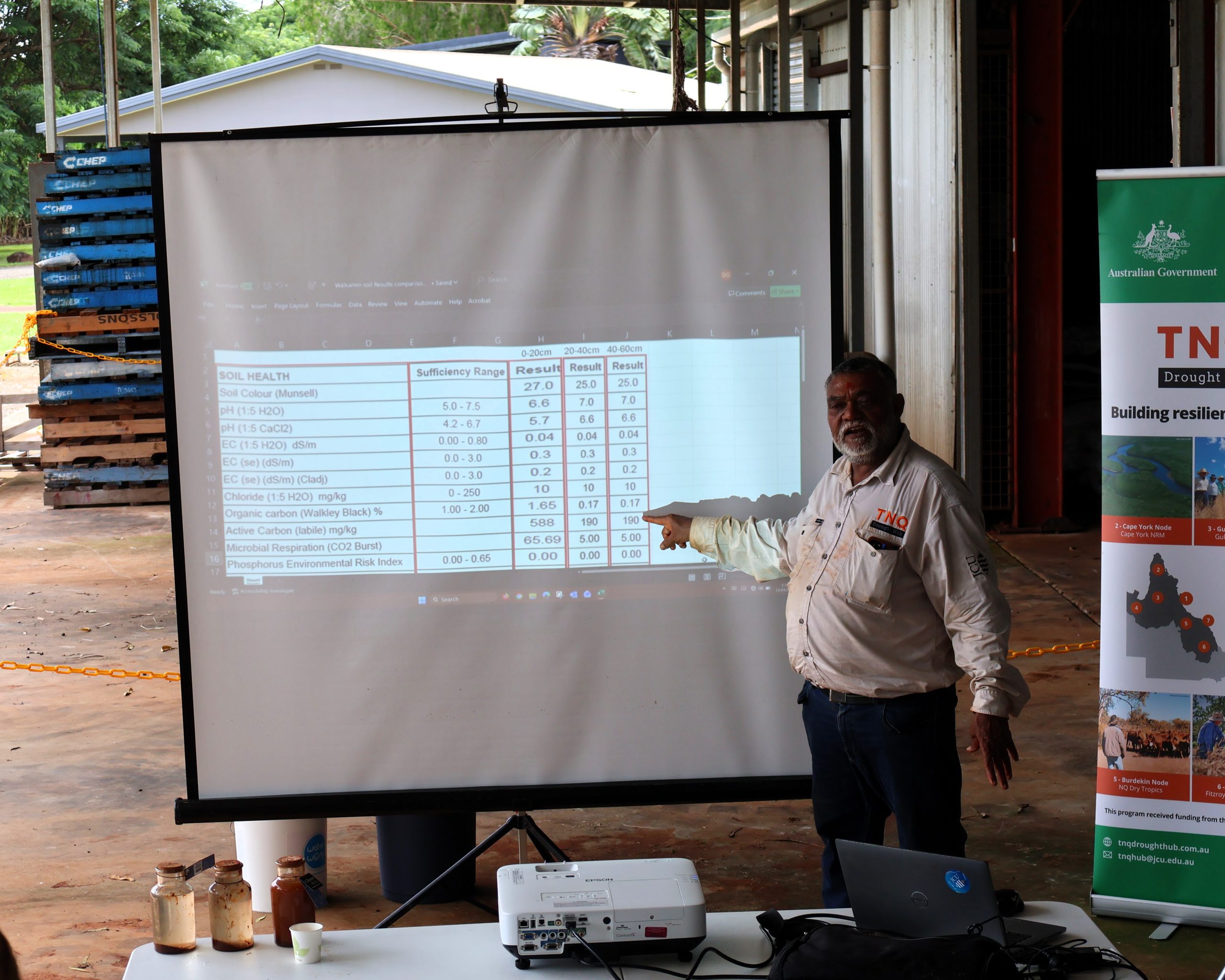
A key component of the training was analysing soil cores taken to 60 cm depth. By breaking samples into topsoil (0–20 cm), subsoil (20–40 cm) and deeper layers (40–60 cm), participants could clearly see how soil properties change with depth.
Results highlighted the importance of topsoil health, with higher organic carbon, stronger biological activity and better structure observed in the surface layer. In contrast, deeper layers showed reduced organic matter and biological function, reinforcing the need to protect and maintain topsoil through good management practices.
Importantly, the workshop focused on translating these insights into practical actions. Discussions covered how soil condition can influence grazing decisions, pasture management, fertiliser use and erosion risk, as well as opportunities to improve soil function through practices such as reduced tillage, ground cover and organic inputs.
Participants also explored how regular soil monitoring can support more informed decision making over time, helping track changes in soil condition and guide management adjustments.
By combining hands-on learning with real data and local context, the workshop provided participants with practical tools to better understand their soils and make more confident, informed decisions for their operations.