Key takeaways
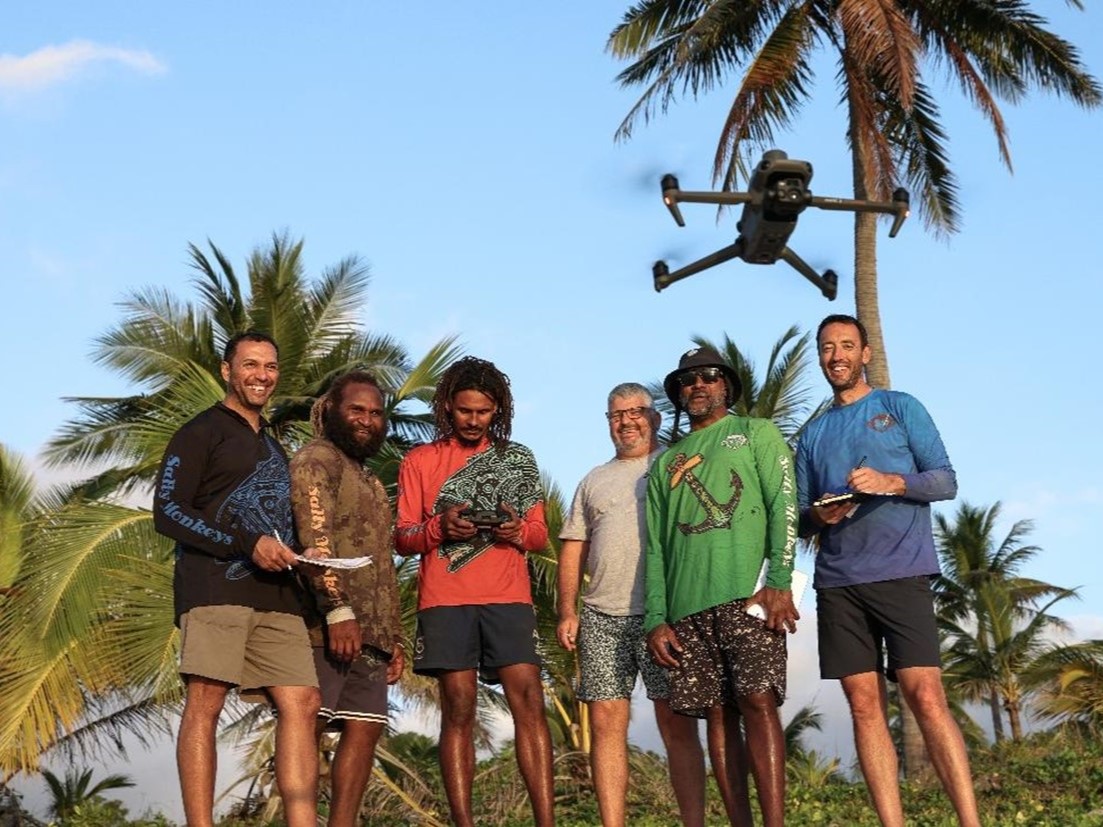
Long-term collaborator of the TNQ Drought Hub and founder of Salty Monkeys, Dennis Fay is helping drive community led solutions to one of the Torres Strait’s most pressing environmental challenges, marine debris.
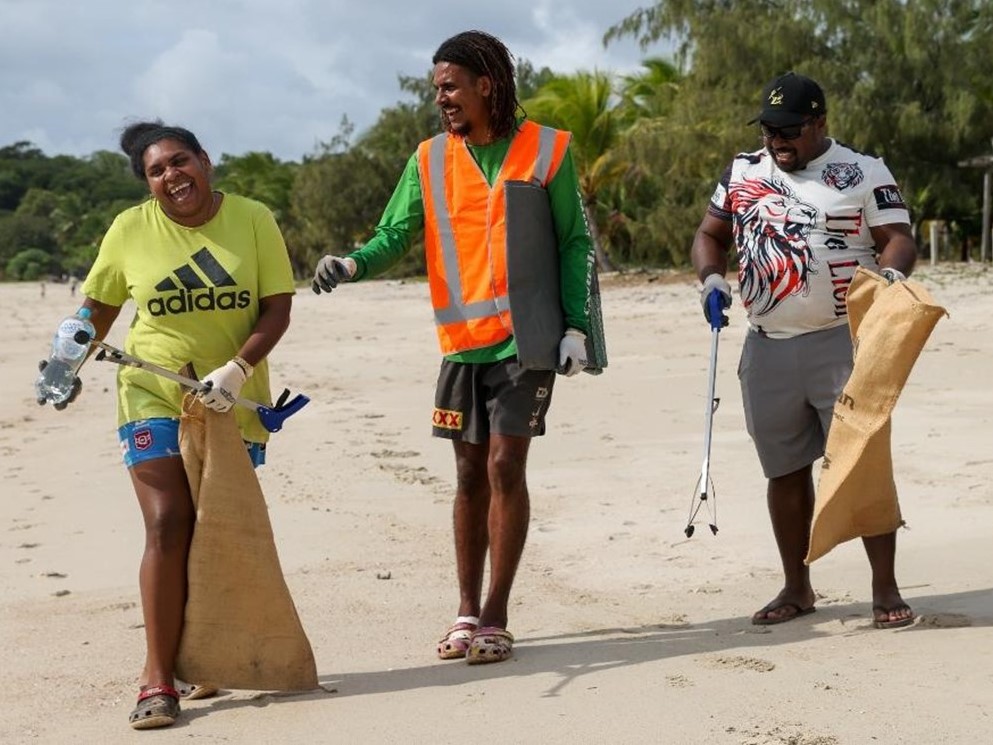
Through his leadership in the Marine Debris Task Force (MDTF), Dennis has become a strong advocate for practical, locally driven approaches that combine environmental stewardship, innovation and economic opportunity. The MDTF, a partnership between Salty Monkeys and the Torres Strait Island Regional Council supported through funding from Australian Marine Parks, is delivering measurable outcomes while strengthening local leadership, skills and community resilience.
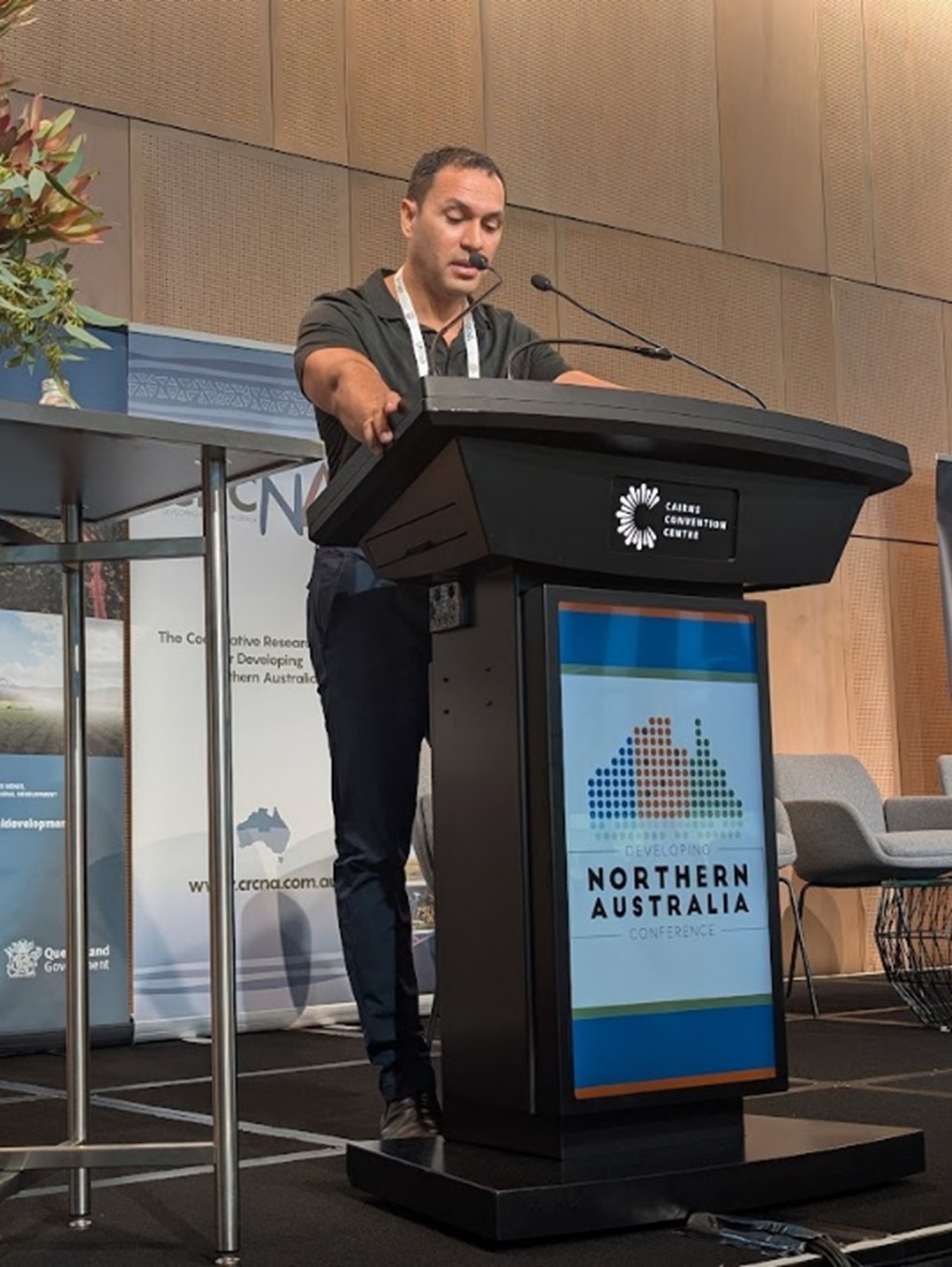
The TNQ Drought Hub has supported Dennis’ leadership journey over several years, helping create opportunities to expand networks, share Torres Strait-led solutions on national stages and deliver holistic learning experiences focusing on individuals and small businesses. Through the SATSIE program, Dennis attended the Developing Northern Australia (DNA) Conference in 2023 and again in 2024, where he connected with leaders, researchers and industry representatives from across northern Australia. Dennis is also bridging the gap between community, industry and science through his regular involvement in events like Western Cape Futures Symposium and Pint of Science.
Those opportunities have helped strengthen Dennis’ profile and leadership confidence, ultimately leading to his invitation as a keynote speaker at the 2025 Developing Northern Australia Conference. His progression from attendee to keynote presenter reflects the growing recognition of Indigenous-led innovation and the value of supporting local leaders to share their knowledge and experience.
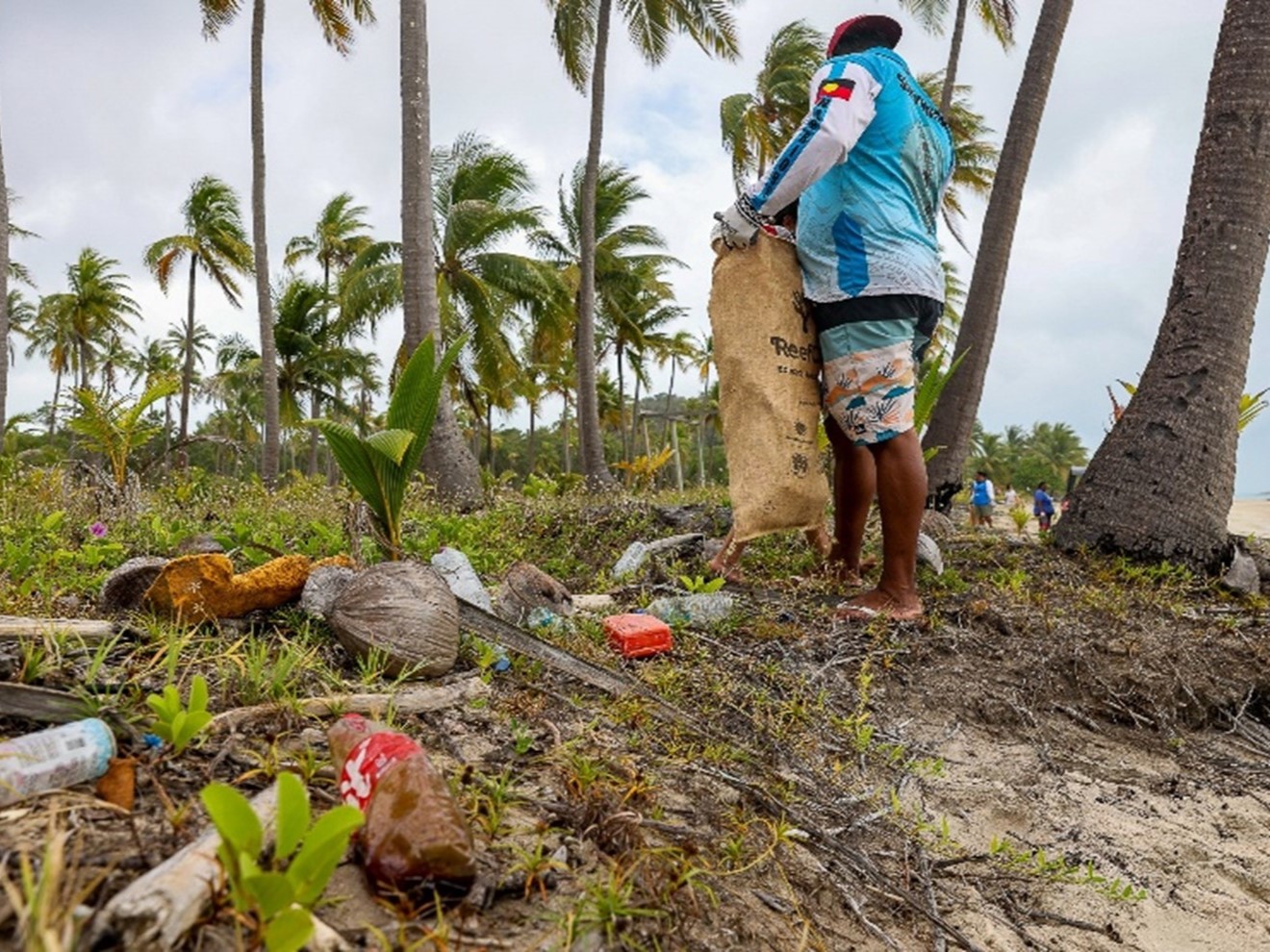
Dennis has also played a central role in supporting MDTF activities on the ground, helping coordinate community engagement and operational delivery across the Torres Strait. Between 2023 and 2025, the MDTF mobilised 488 participants across seven islands, removing more than 2,300 kilograms of debris from more than 214,000 square metres of coastline.
The project highlights the effectiveness of place-based approaches, bringing together communities, ranger groups, councils and research partners to tackle marine debris while building local capability. The MDTF has also pioneered the use of drone and AI technology to map debris hotspots and monitor clean-up progress, positioning the Torres Strait as a leader in Indigenous-led environmental innovation.
Beyond clean-ups, the initiative is exploring circular economy opportunities through partnerships with organisations including Plastics Pirate and the UNSW SMaRT Centre. These collaborations aim to transform collected waste into valuable resources, reducing reliance on costly mainland processing while creating new opportunities for local economic participation.
For the TNQ Drought Hub, supporting leaders like Dennis is an important part of building strong, connected and resilient communities across northern Australia.