TNQ Drought Hub
James Cook University Australia
Search

Regional Food Security Workshop Strengthens Collaboration for Cape York Food Systems

Key takeaways

  • There is growing momentum to support locally driven food systems across Cape York and the Torres Strait, creating opportunities for producers to be involved in supplying fresh, locally grown food and strengthening regional food security.
  • Challenges like access to water, machinery, funding coordination and governance remain significant, but identifying these gaps is helping shape more targeted and practical support for producers.
  • The workshop brought together researchers, government and industry to better coordinate efforts, with strong alignment across organisations helping ensure future projects, partnerships and support are more practical, connected and relevant to producers on the ground.

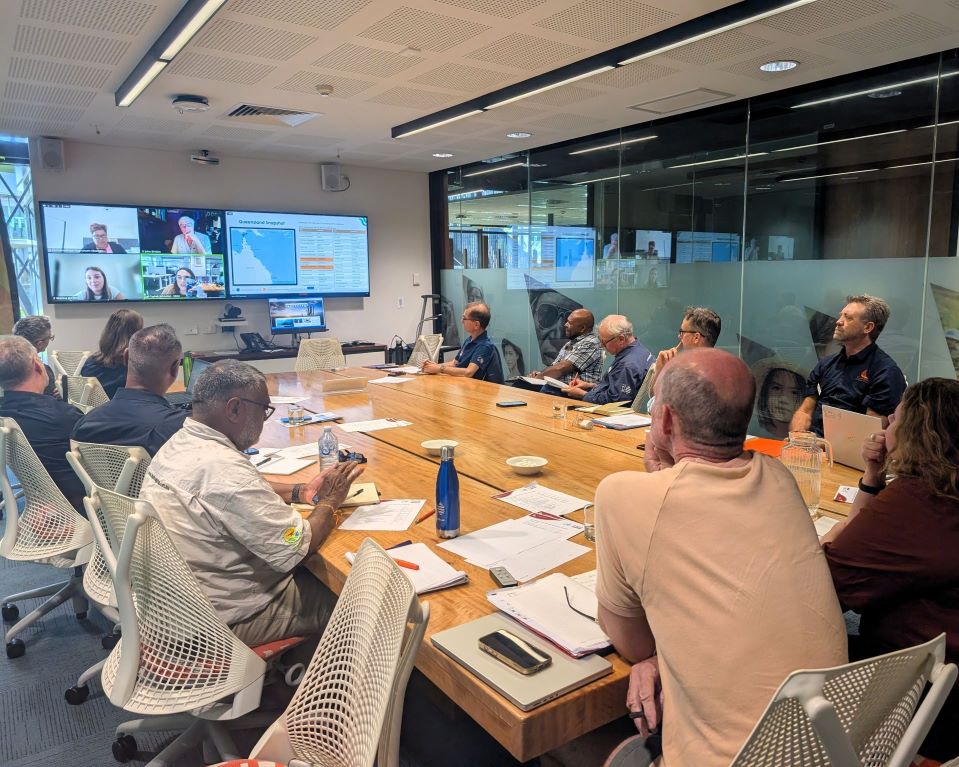
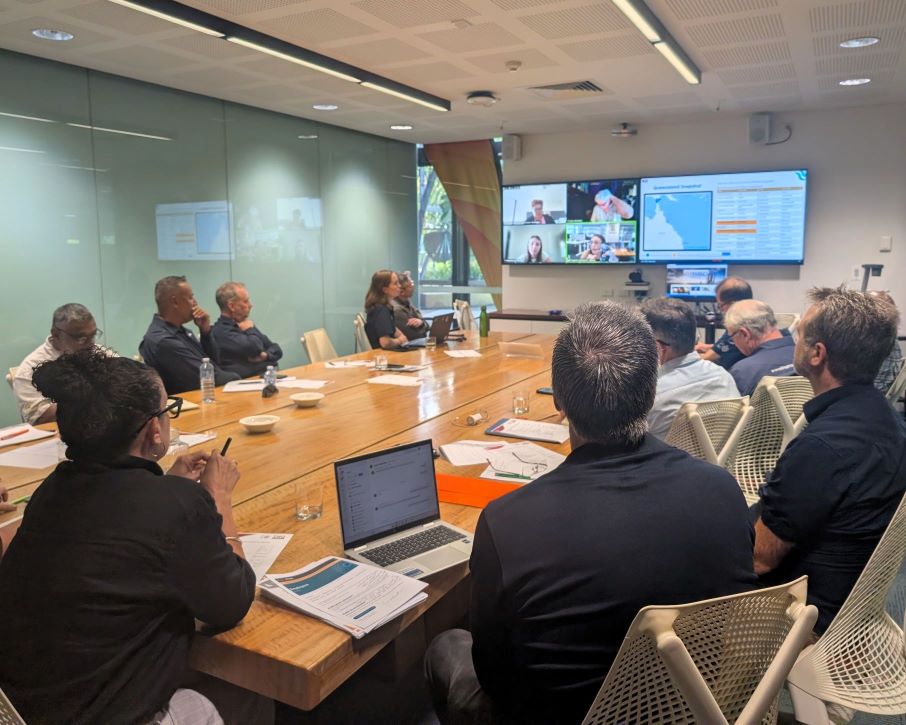
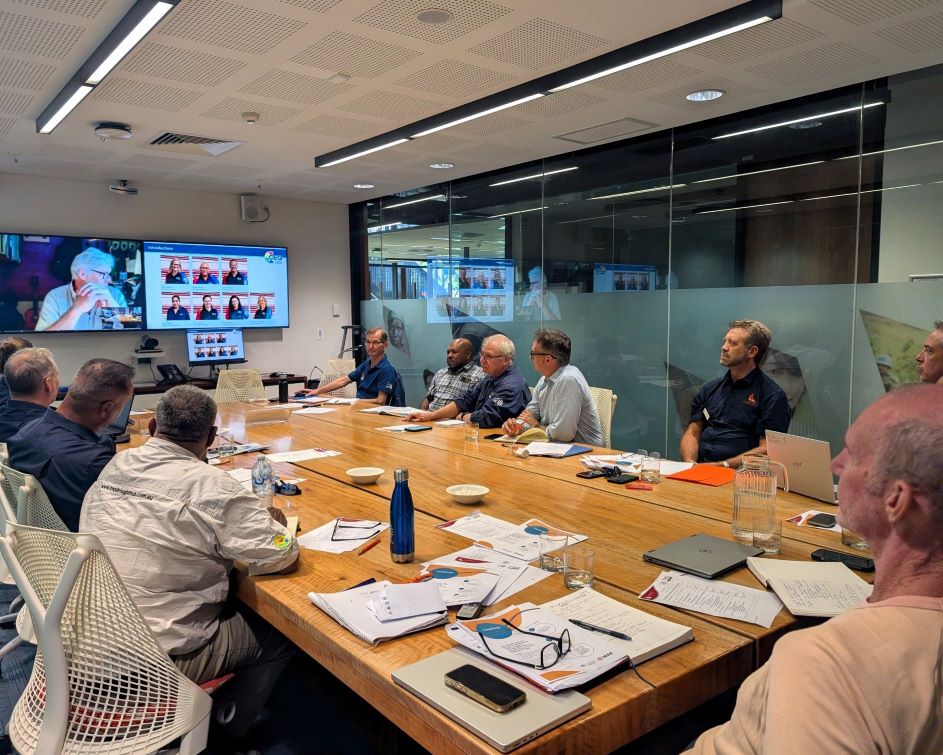
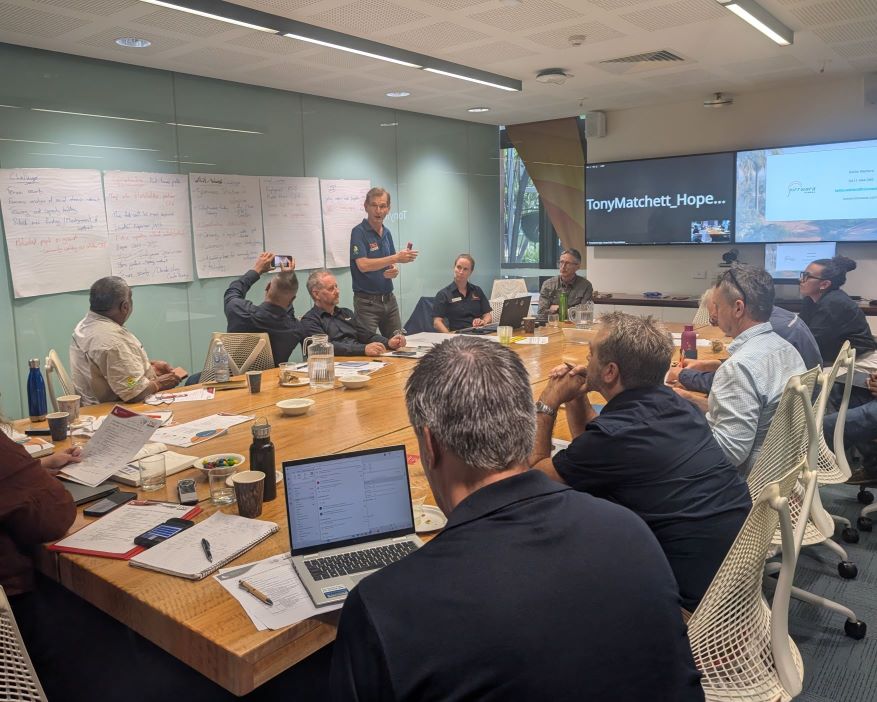
Regional leaders, government agencies, researchers and community organisations met in Cairns on 3 March for the second Regional Food Security Workshop focused on long-term food security. The gathering, which follows on from February’s Food Security Workshop, is the next step in solidifying a Community of Practice to support community‑led food production and improving access to healthy, affordable food across Cape York and the Torres Strait.

Four key presentations guided the day’s discussion.

  • Dr Abner Yalu (James Cook University) opened with a 50‑year grey literature review on food security policy in remote Indigenous communities.
  • Damian Blunden, Tayliah Johnston and Marina Du Toit from the National Indigenous Australians Agency (NIAA) then presented national food security programs, including the Low Cost Essentials Subsidy, governance initiatives and Remote Jobs and Economic Development (RJED) program employment pathways.
  • Michael Dykes, CEO and Fred Gela, General Manager of Community Enterprise Queensland (CEQ) followed with an overview of CEQ’s retail reforms, infrastructure upgrades and plans to increase local produce purchasing.
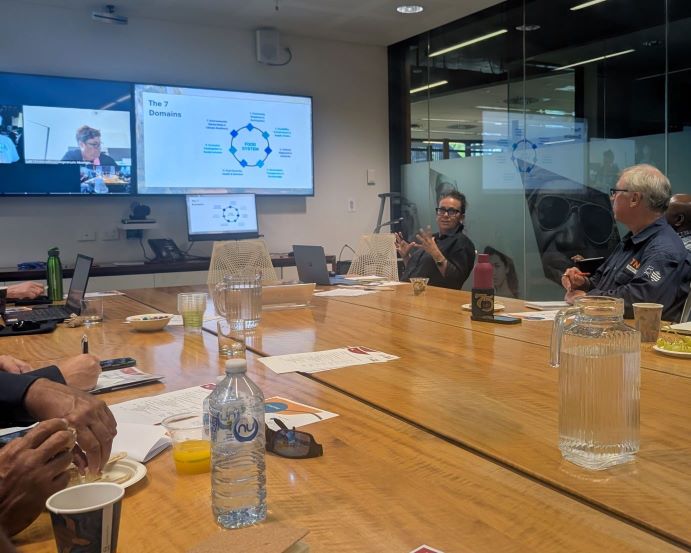
  • Finally, Kellie Walters, Co Founder of Nirrwara Global presented the Food Production Decision Matrix, explaining how it helps communities plan viable food production projects.
Attendees of the Regional Food Security Workshop and Community of Practice

Chair of the workshop, Dr Jim Turnour, highlighted the value of the gathering. “This meeting showed just how much is already happening across the region, but also how much more we can achieve when we coordinate our efforts. Food security is a shared responsibility, and bringing everyone into the same room is how we start building long term, community led solutions.”

“This meeting showed just how much is already happening across the region, but also how much more we can achieve when we coordinate our efforts. Food security is a shared responsibility, and bringing everyone into the same room is how we start building long‑term, community‑led solutions.”

Participants identified several challenges. These included fragmented funding, governance gaps, limited access to machinery and secure water sources. Despite this, communities such as Napranum and the Northern Peninsula Area showed strong progress as farming projects restart.

Cape York NRM’s Geoff Wilson stressed the importance of turning planning into action.

“Communities are ready to act, and the workshop made it clear that targeted support can unlock real progress. That’s why CYNRM is making $20,000 available for a regional demonstration site or to top up an existing project. We want to help create a working example that everyone across the region can learn from.”

Participants agreed to keep using tools like the Food Production Decision Matrix, improve coordination between funders and capacity builders, and explore scalable production models such as aquaponics.

The workshop closed with a shared commitment to building a stronger, more coordinated and community‑driven food system for Cape York.

This project is supported by the Australian Government through funding from the Natural Heritage Trust under the Climate-Smart Agriculture Program.