Key takeaway
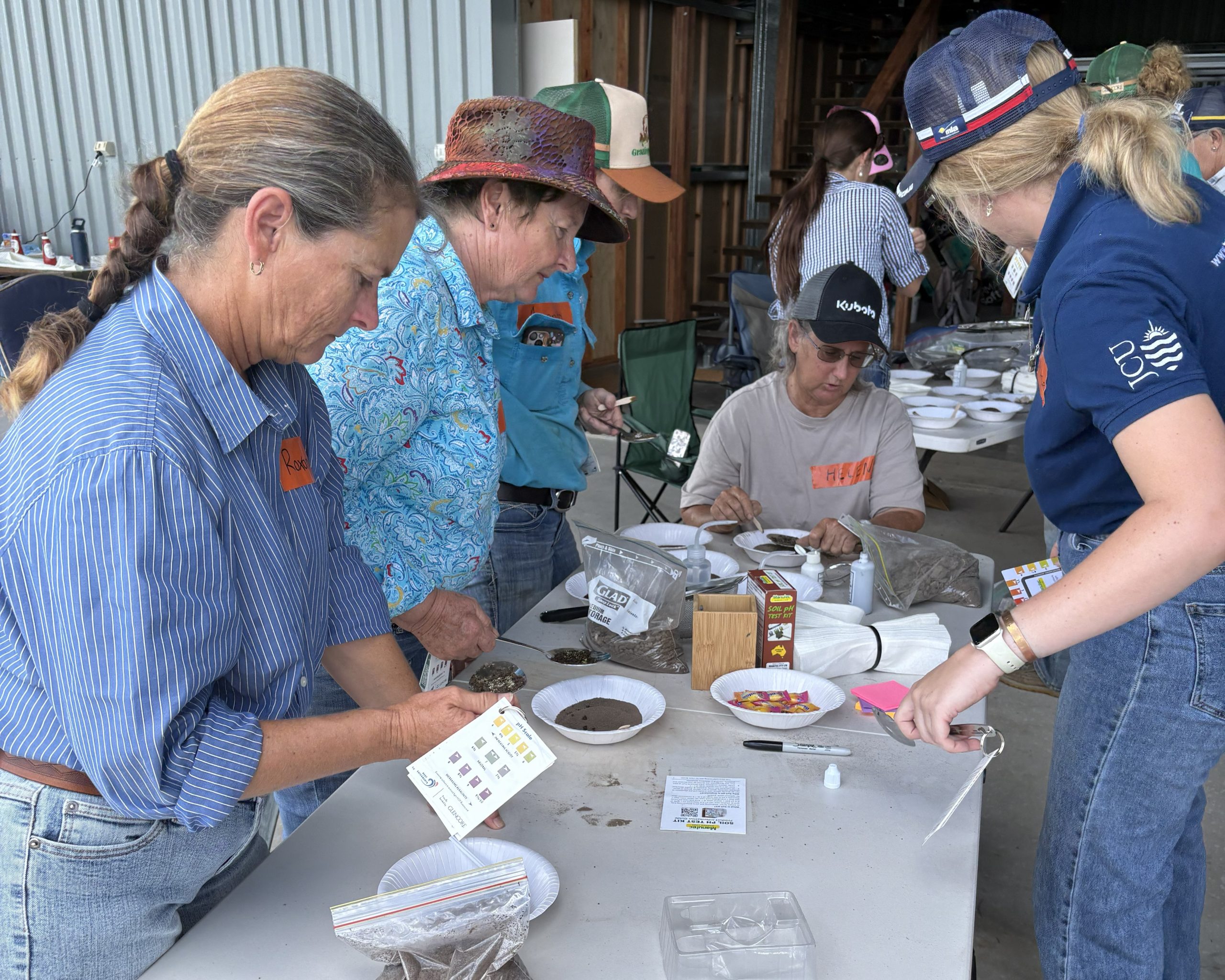
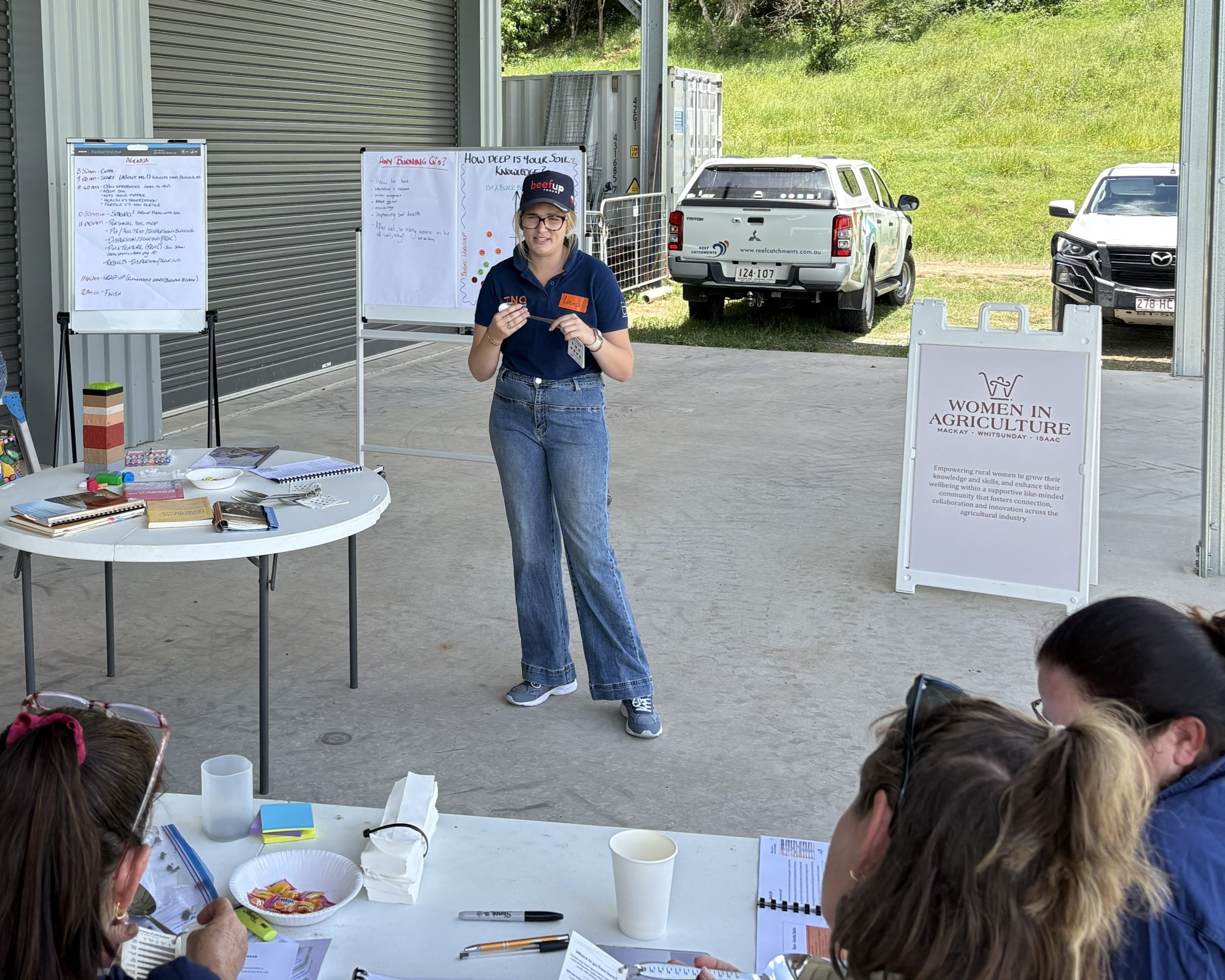
Women from across the Mackay, Whitsunday and Isaac regions rolled up their sleeves in Marian on 31 January for the Women in Agriculture Soil Smart Workshop, a hands-on session designed to build confidence in understanding what is happening beneath the surface.
Supported by the Queensland Government’s Reef Water Quality Program, Reef Catchments and the TNQ Drought Hub, the workshop focused on simple, practical soil testing skills that producers can apply on their own properties.
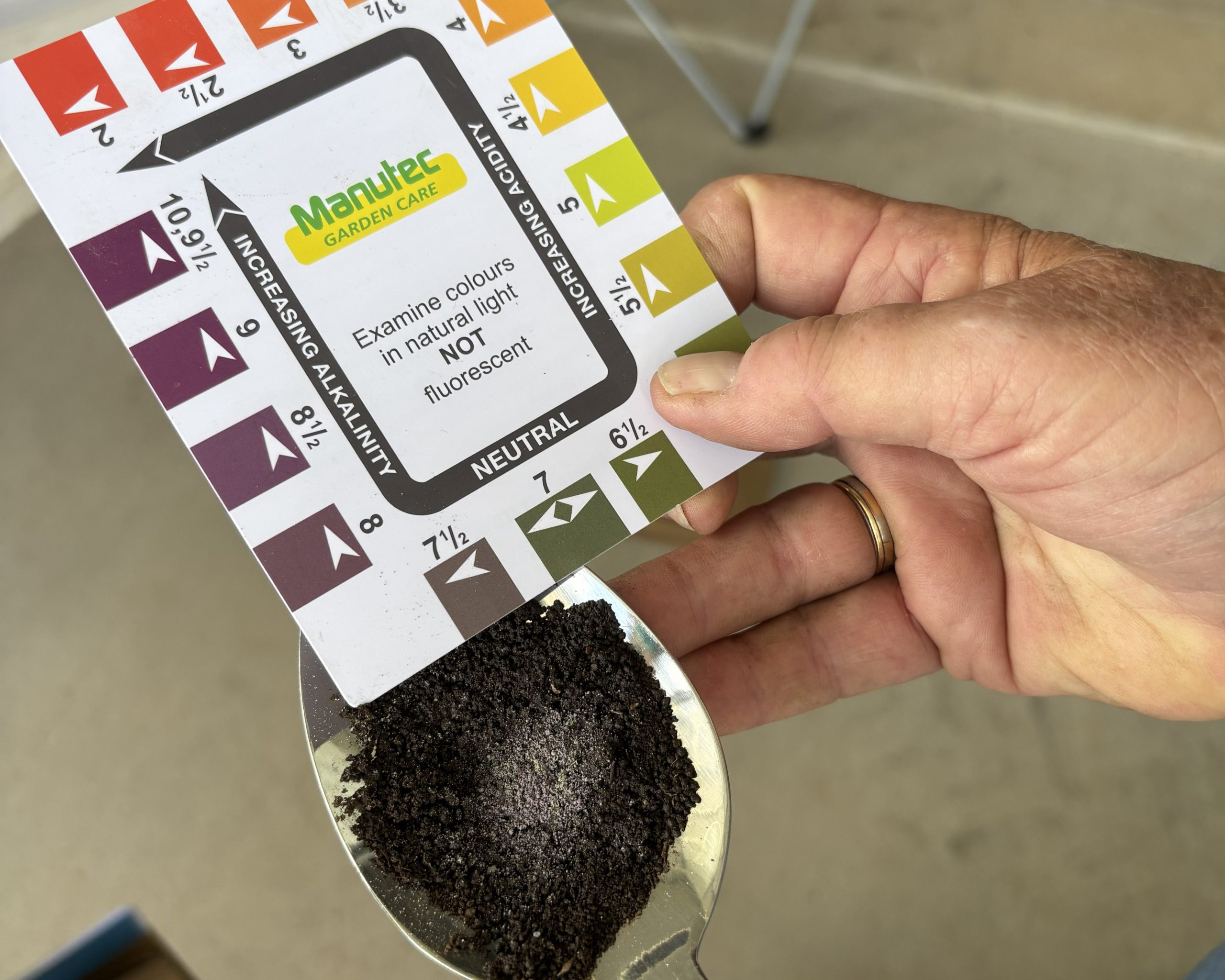
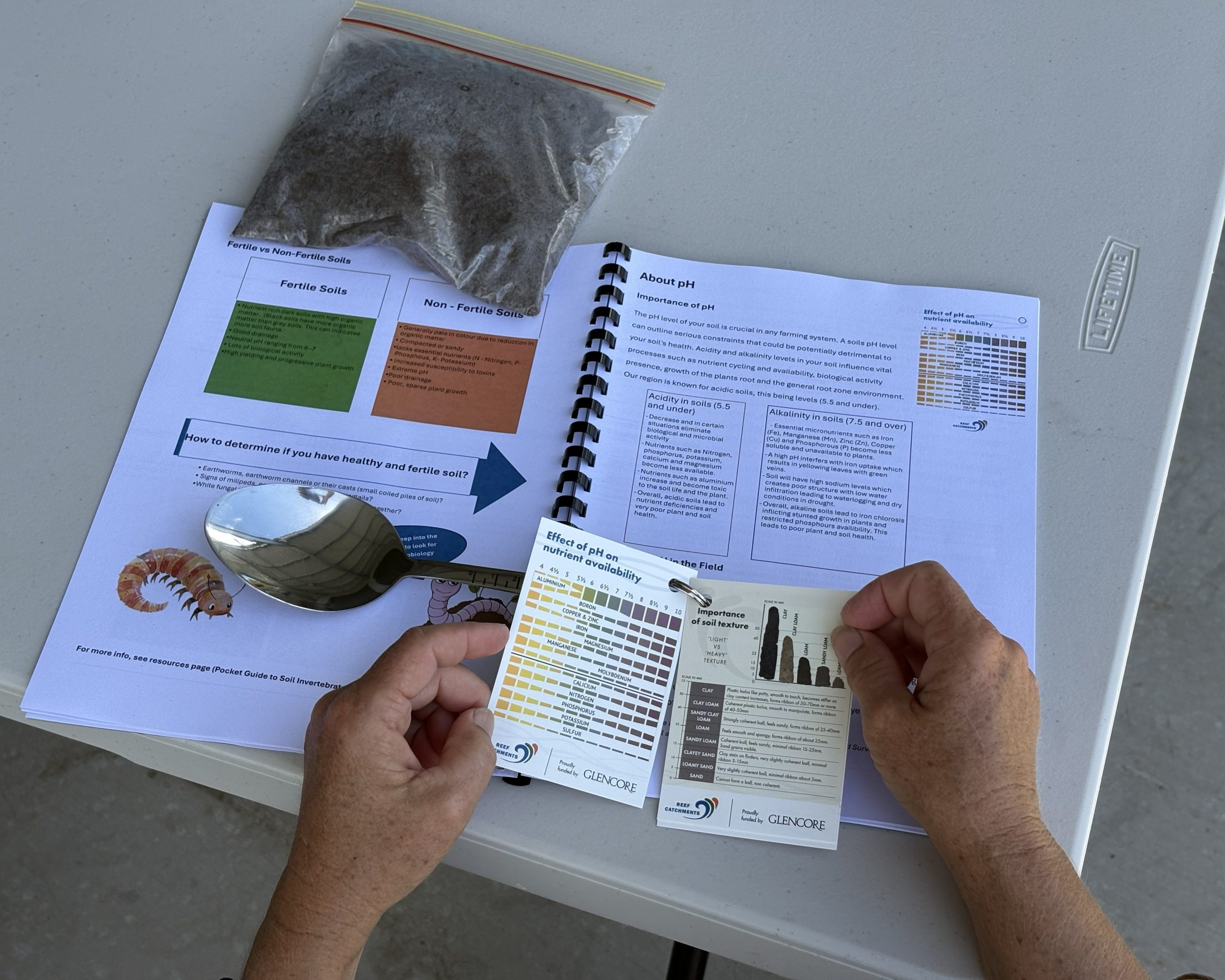
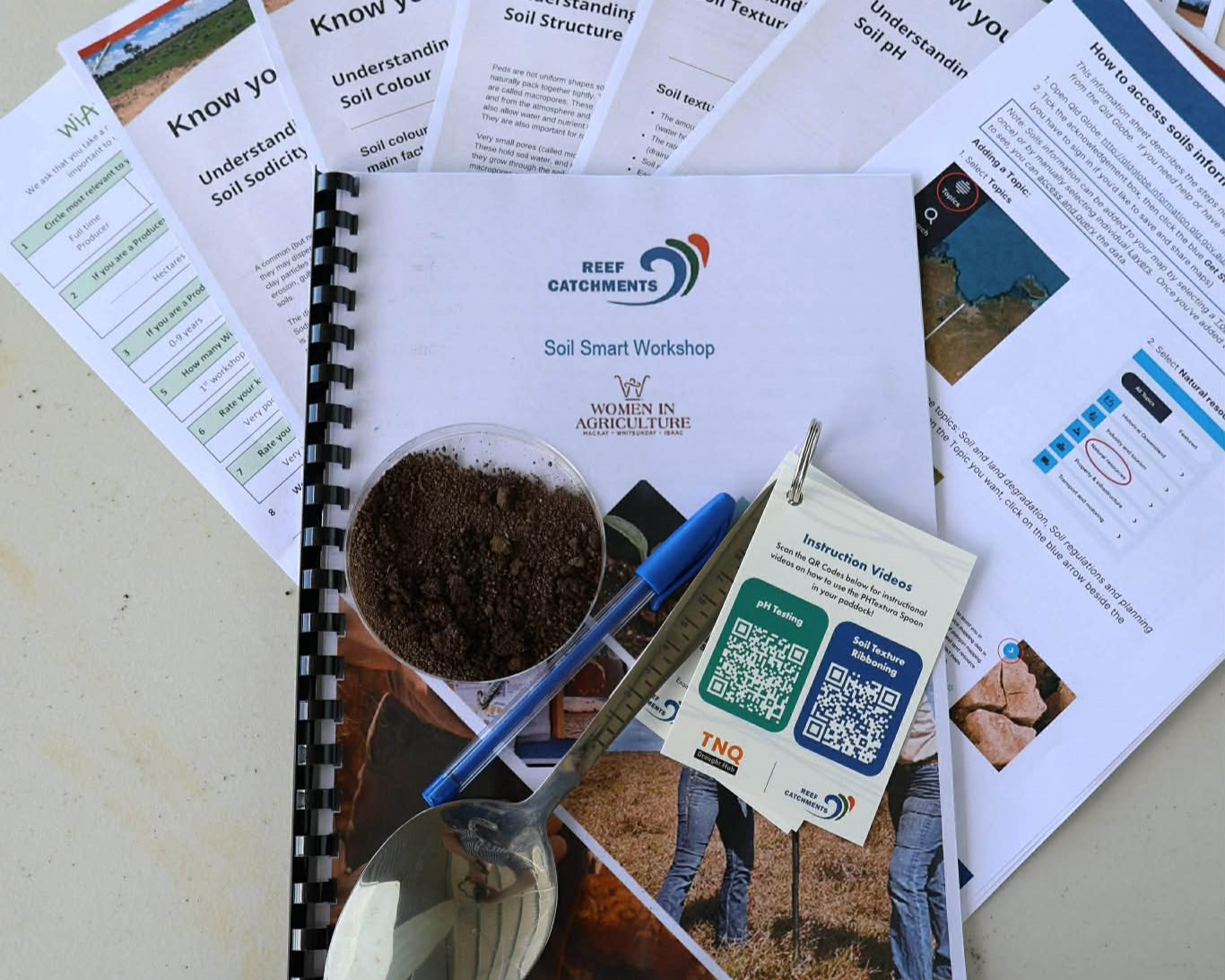
Participants were encouraged to bring along a soil sample collected from 0 to 10 cm depth, roughly a sandwich bag size, to work through a series of hands-on activities. Using the pH Texture Spoon, attendees tested soil pH, explored soil texture and discussed what those results mean for production and land management. Reef Catchments staff also demonstrated how to take soil core samples and distinguish soil layers, helping participants better understand how structure and profile influence water infiltration, root growth and nutrient availability.

The group represented a broad cross section of experience, from first-time workshop attendees to producers with more than 40 years in the industry. One of the biggest wins from the day was hearing that many left with a clearer understanding of their soil condition and how it connects to productivity and land management decisions.
Questions throughout the morning reflected genuine curiosity and practical focus. Among them were why were so many worms appearing at the soil surface? What role does soil microbiology play? How can holistic management approaches influence soil health? Regional Soil Coordinator Dhiraj Gajera developed an information sheet specifically for participants to explain why earthworms may escape from soil and what it can indicate about soil conditions.
For those wanting to take the next step, participants were encouraged to work with their local agronomist or rural merchandise store for more detailed nutrient analysis. Producers can collect and submit samples at common depths such as 0 to 10 cm or 0 to 30 cm, and seek advice to ensure results are interpreted correctly. For deeper sampling or more complex soil constraints, engaging an agronomist can help ensure testing delivers meaningful insights.
Beyond the technical knowledge, the workshop strengthened local networks and encouraged ongoing support for women in agriculture and the next generation coming through the industry.
By equipping producers with practical soil testing skills and clearer pathways to further advice, the TNQ Drought Hub and partners are helping build confidence in day-to-day land management decisions. Understanding soil condition is a foundational step in managing seasonal variability and maintaining productive, resilient farming systems.