TNQ Drought Hub
James Cook University Australia
Search

Cooktown Producers Learn Practical, Sustainable Growing Techniques at Climate Workshop

Key takeaway

  • Participants learned hands-on methods such as aquaponics, worm farming, composting and wicking beds, all using simple, locally available or repurposed materials to improve soil health and boost food security. 
  • The workshop showcased simple, scalable tools that can be readily adopted in Cape York to strengthen food production and climate resilience.
  • Through the involvement of Regional Soil Coordinator Dhiraj Gajera and SATSIE Senior Research Officer Dr Abner Yalu, the TNQ Drought Hub was able to play role in supporting knowledge-sharing, strengthening community capability and connecting with farmers on soil, water and climate resilience.

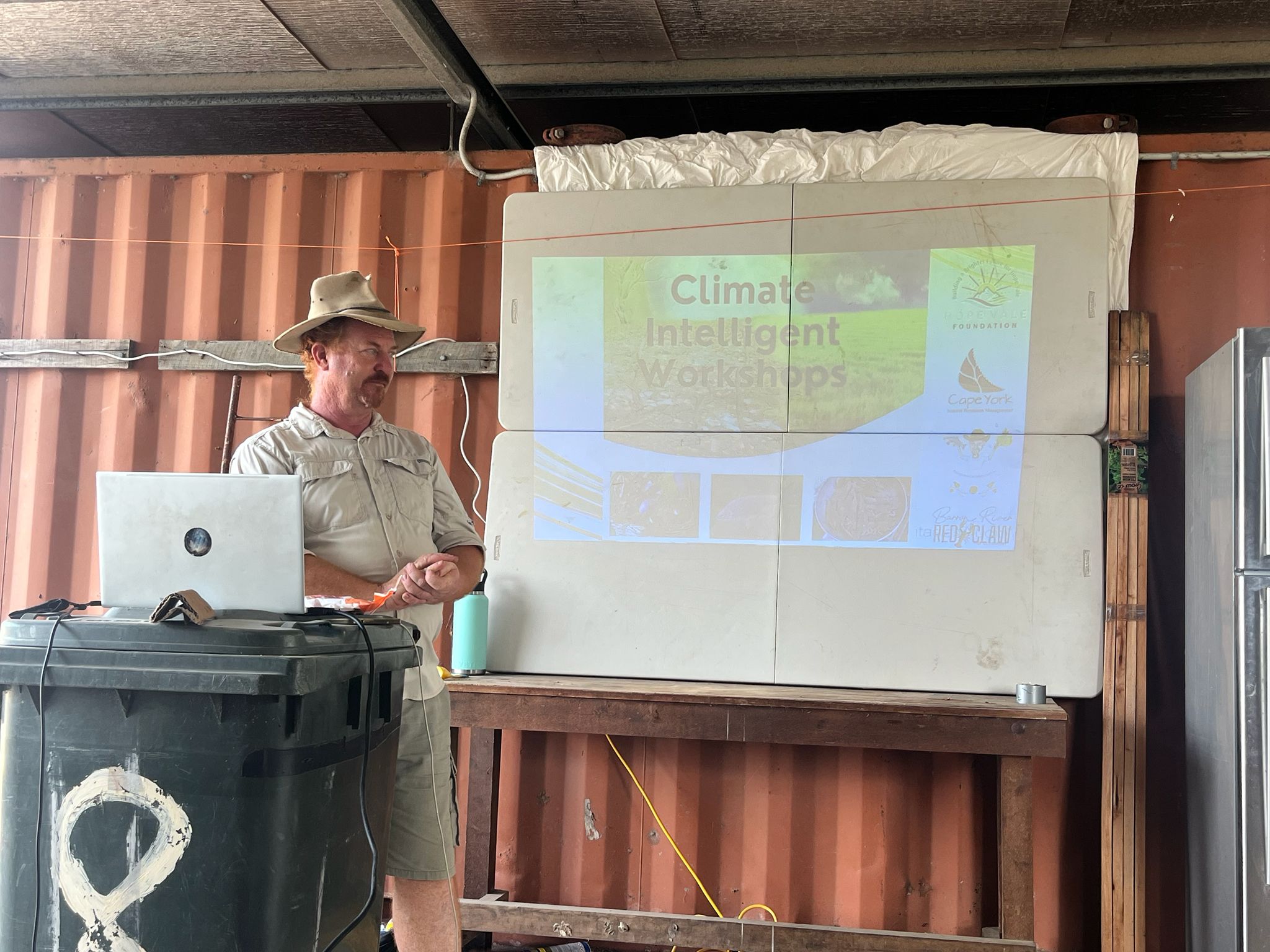
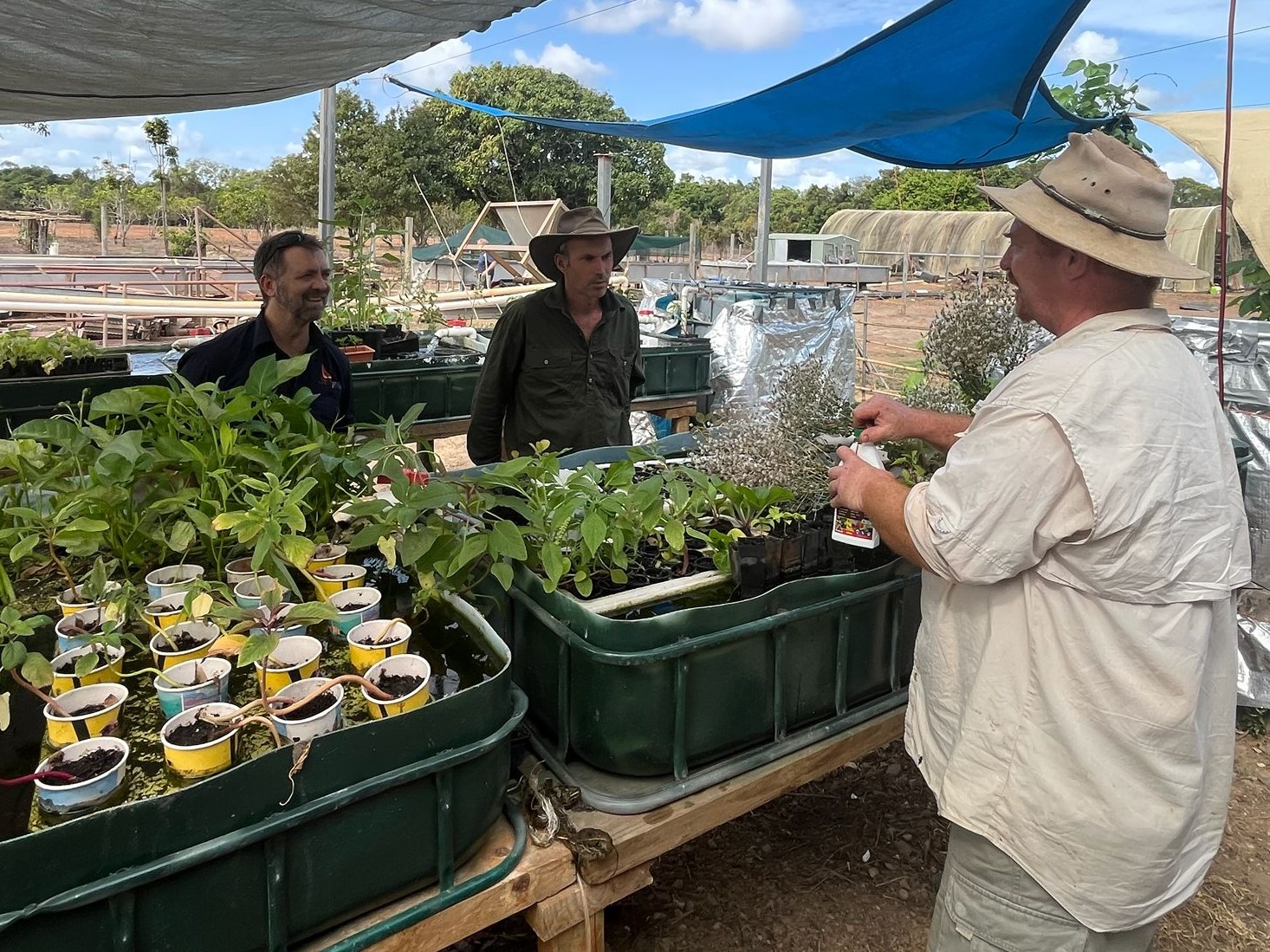
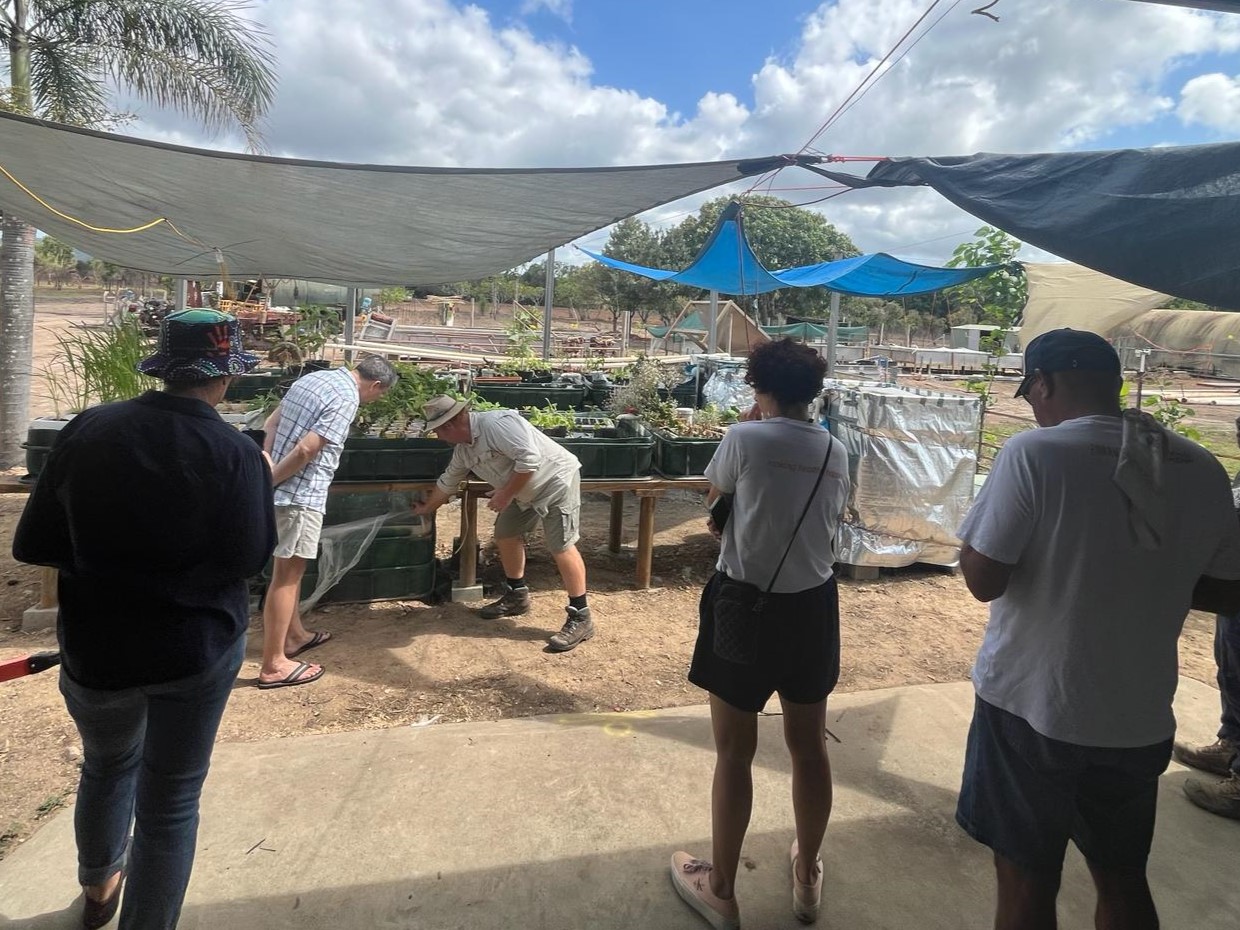
From 14–15 November, Cooktown community members came together for a free Climate Intelligence Workshop hosted by the Hope Vale Foundation. Regional Soil Coordinator Dhiraj Gajera and SATSIE Program Senior Research Officer Dr Abner Yalu attended the hands-on workshop, designed to challenge and expand the way participants think about food production and sustainability.

Across two days, local farmers, students, business owners and industry partners learned innovative techniques for creating resilient food systems, blending the principles of agriculture, aquaculture, hydroponics and syntropic farming.
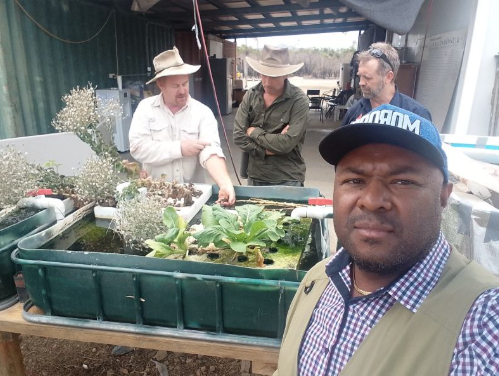
Reflecting on the workshop, Abner said, “I witnessed firsthand how practical, simple and innovative technologies are already helping address food security. Technologies that Indigenous local governments and communities in Cape York can readily adopt.”
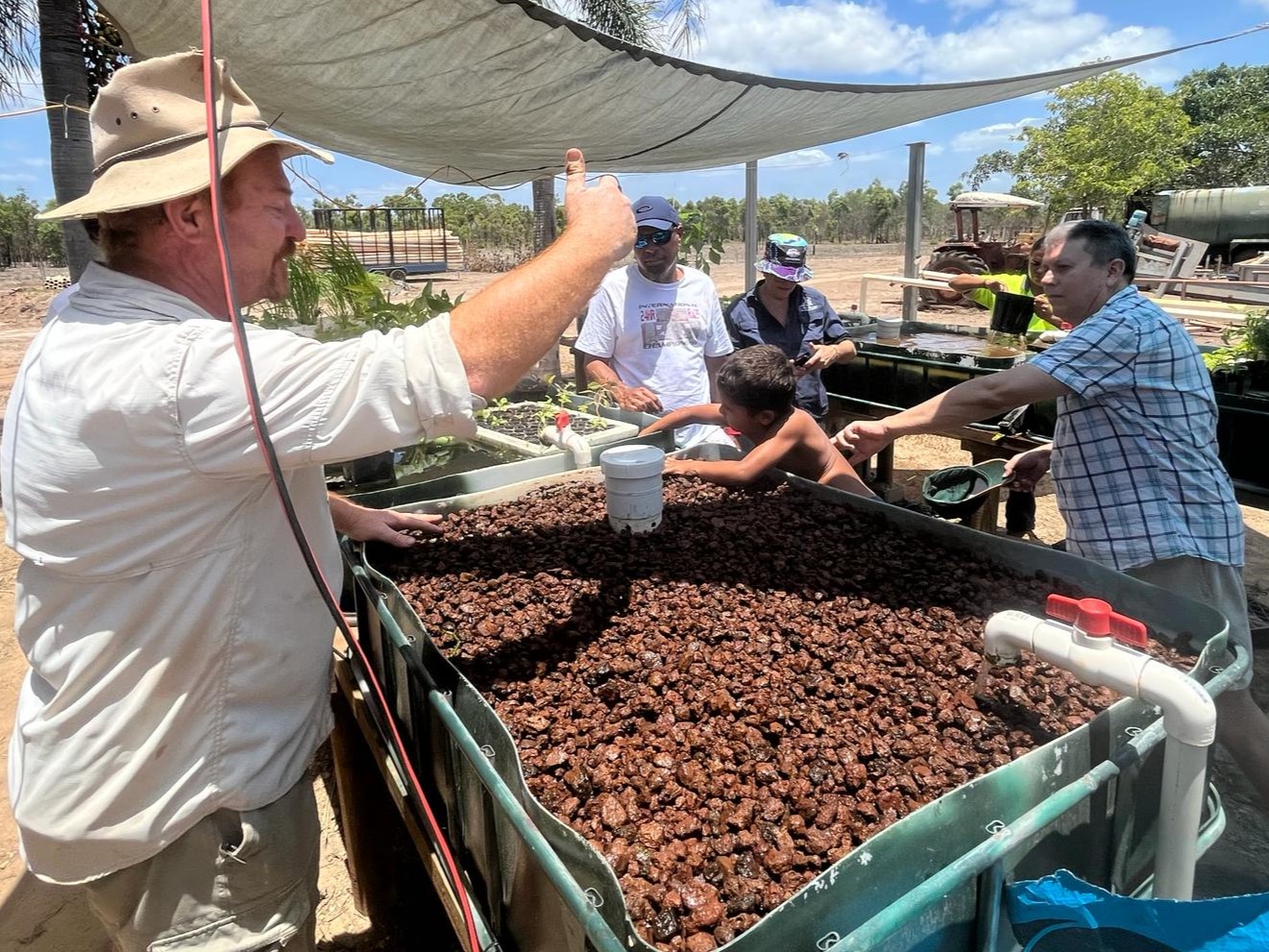
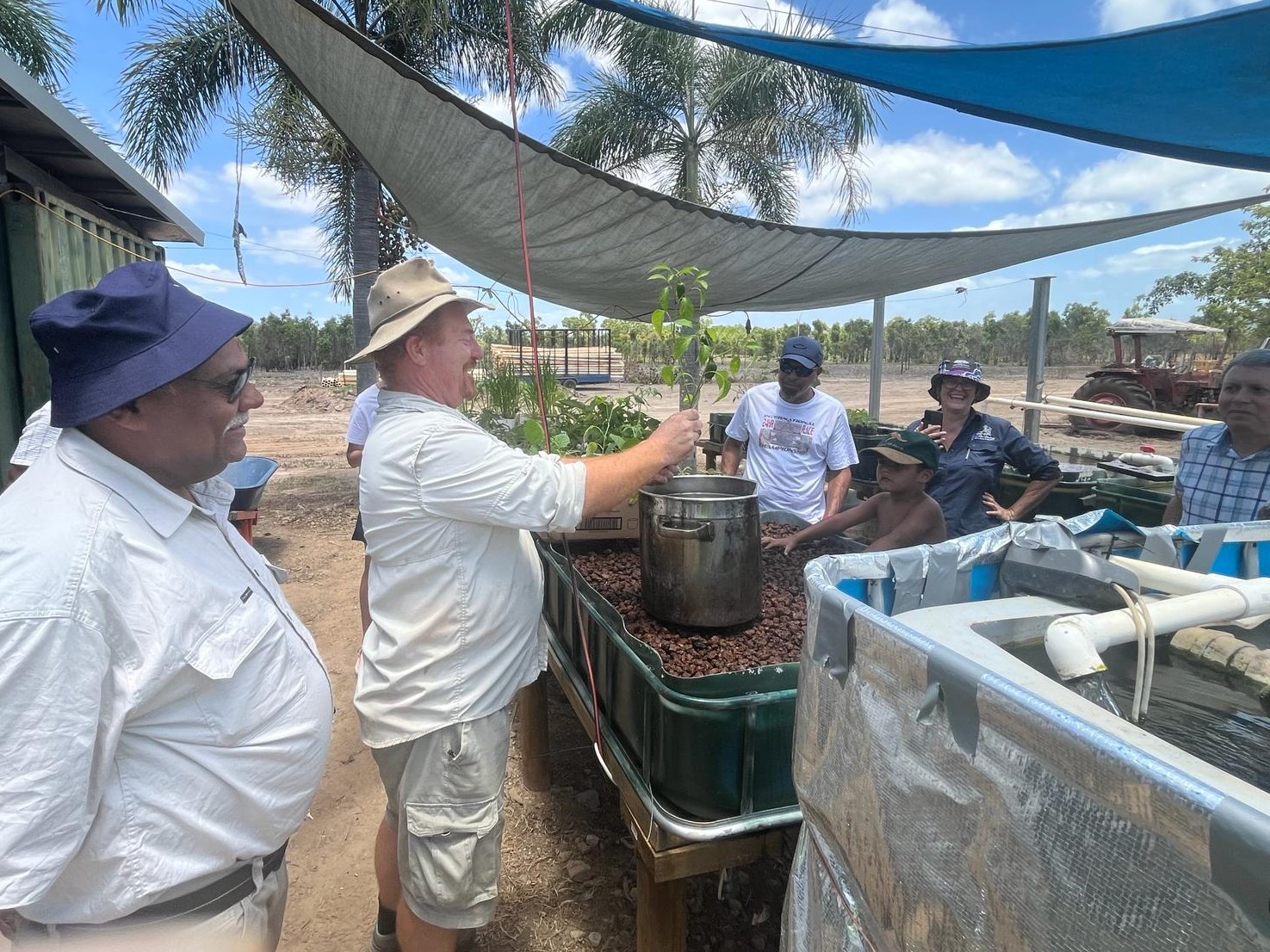
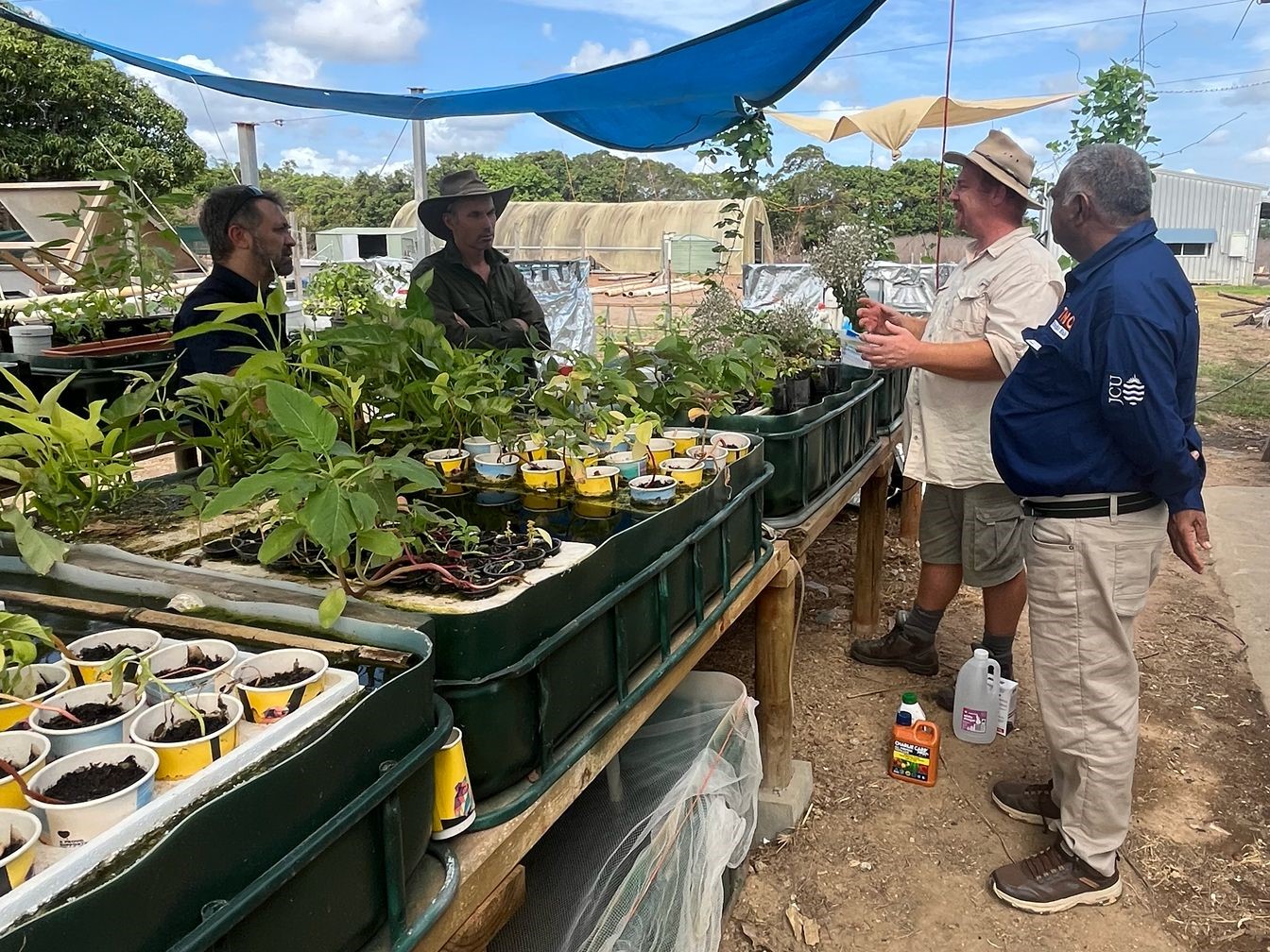
SATSIE Senior Research Worker Dr Abner Yalu with Rodney Ingersoll and attendees at the Climate Intelligence Workshop

Guided by Rodney Ingersoll from Redclaw Consultancy who brings more than 25 years of experience working alongside First Nations communities, participants gained hands-on training in areas such as:

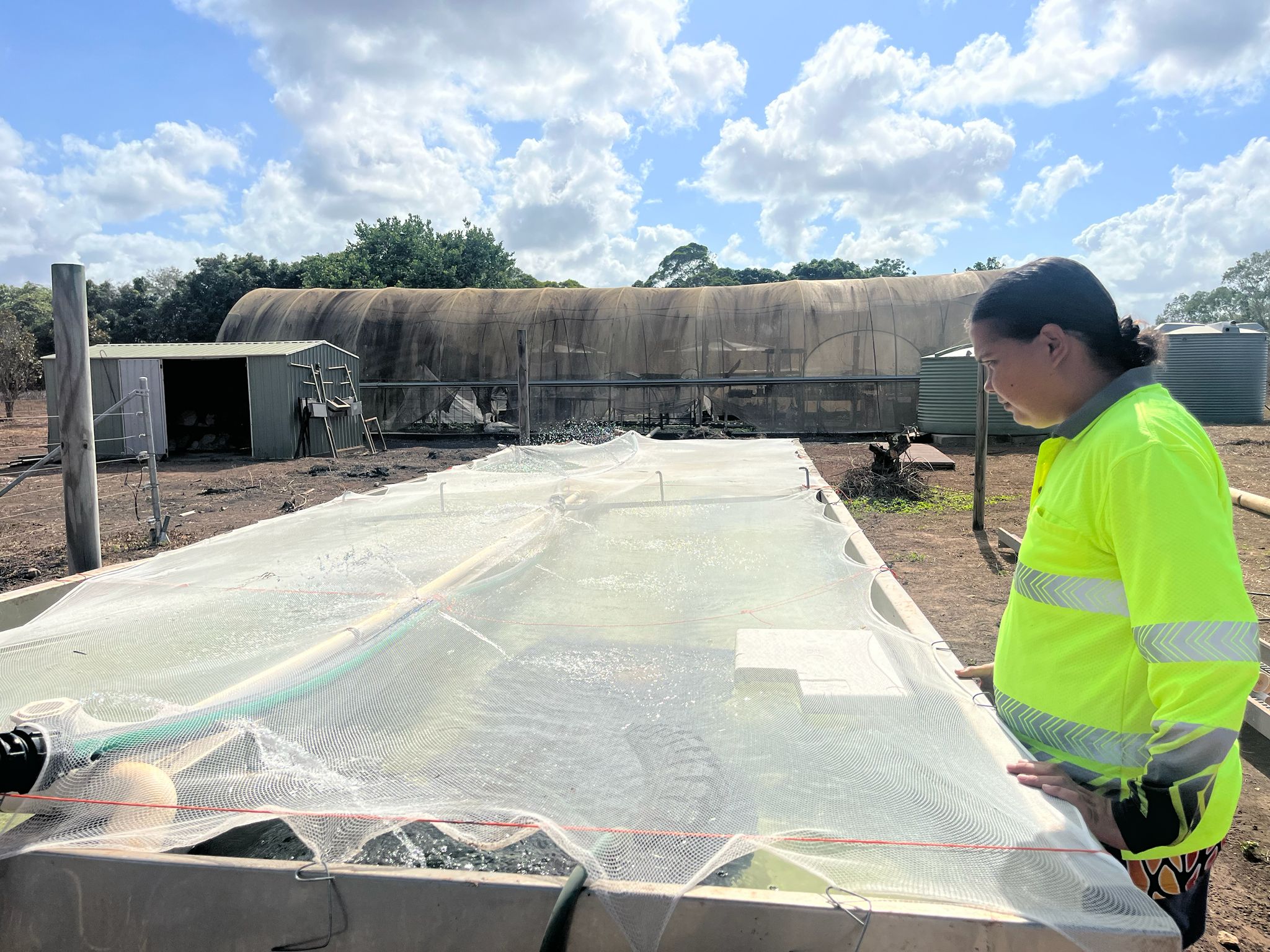
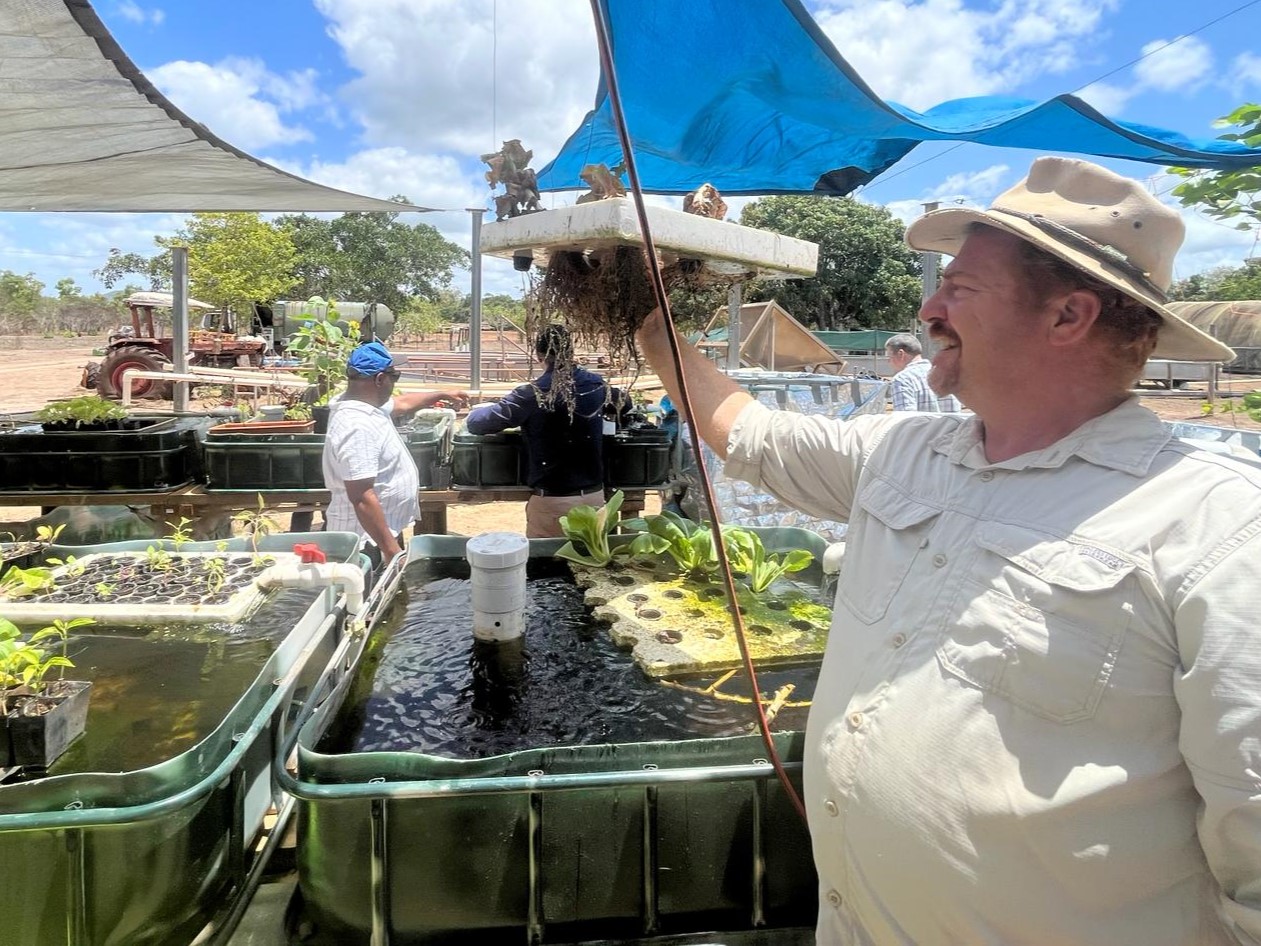
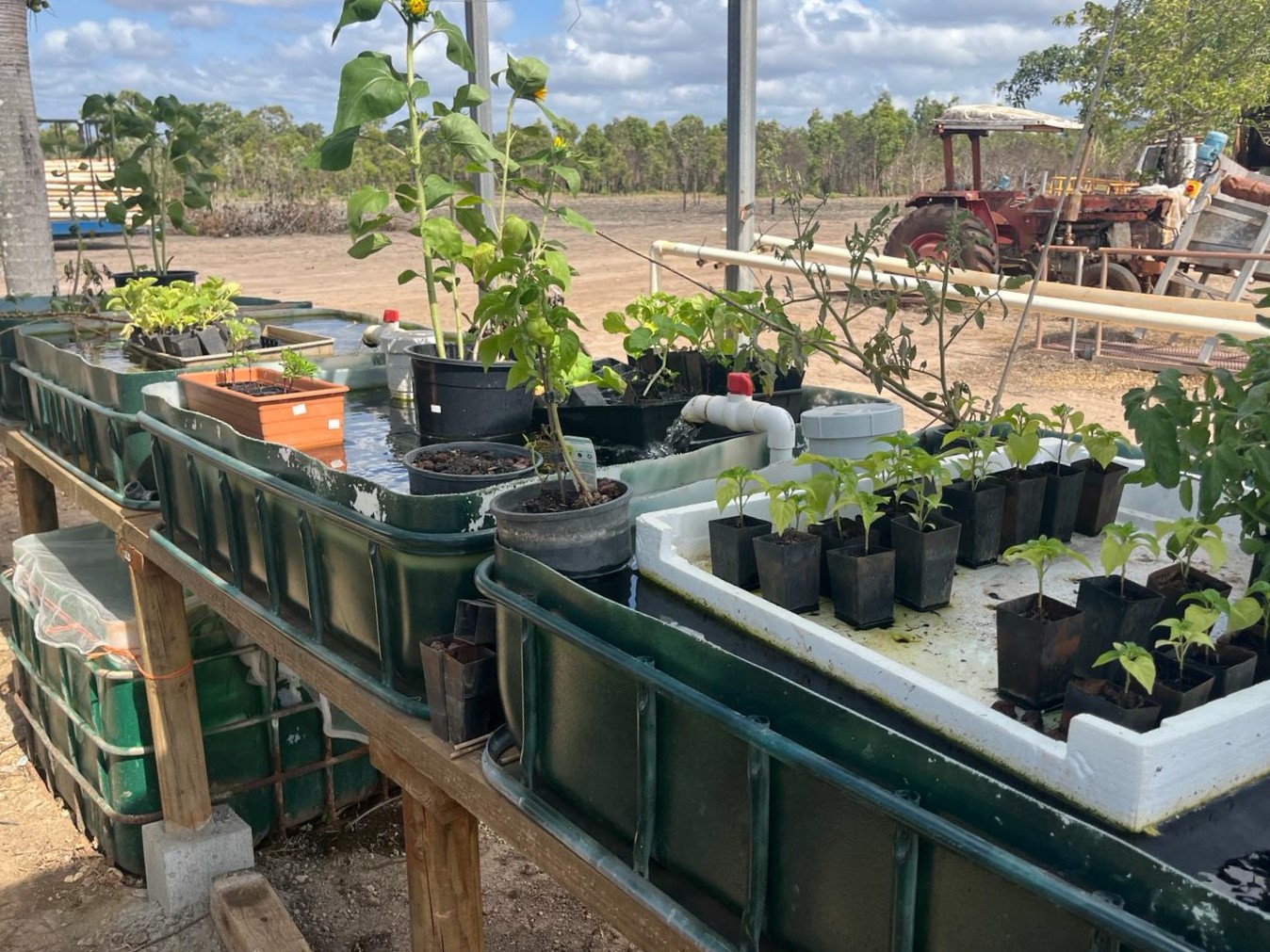
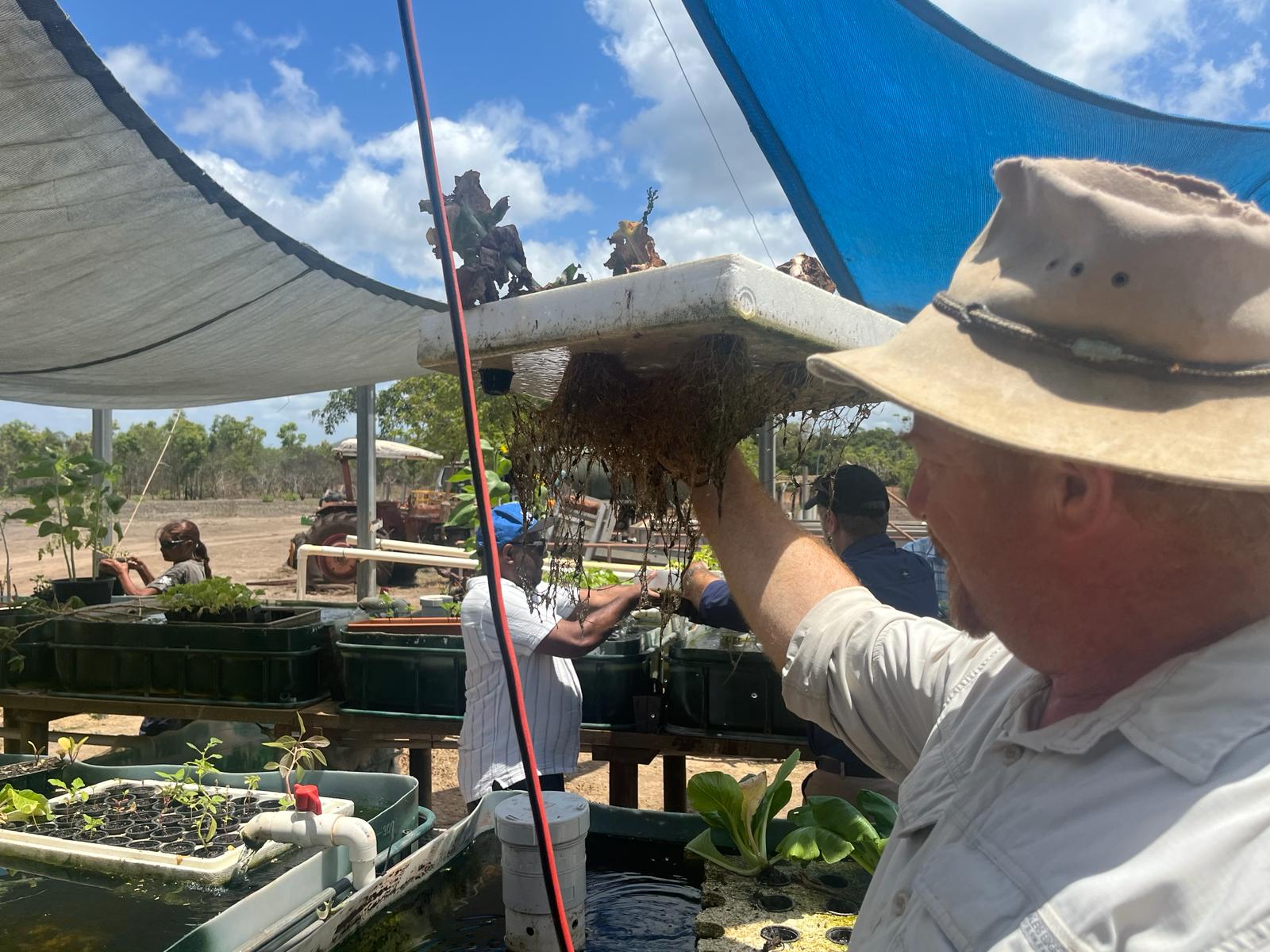
  • Aquaponics integration which combined fish, Redclaw, or Cherabin prawns with leafy greens in a single efficient system, including water requirements, pump capacity, system redundancy during floods, and using pH-neutral rock bases for dry beds.
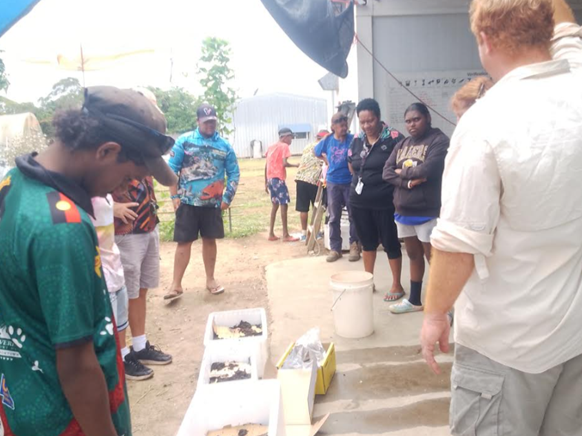
  • Simple composting and worm farming through creating portable compost bins from styrofoam boxes and other accessible materials to build healthy worm habitats and improve soil health.
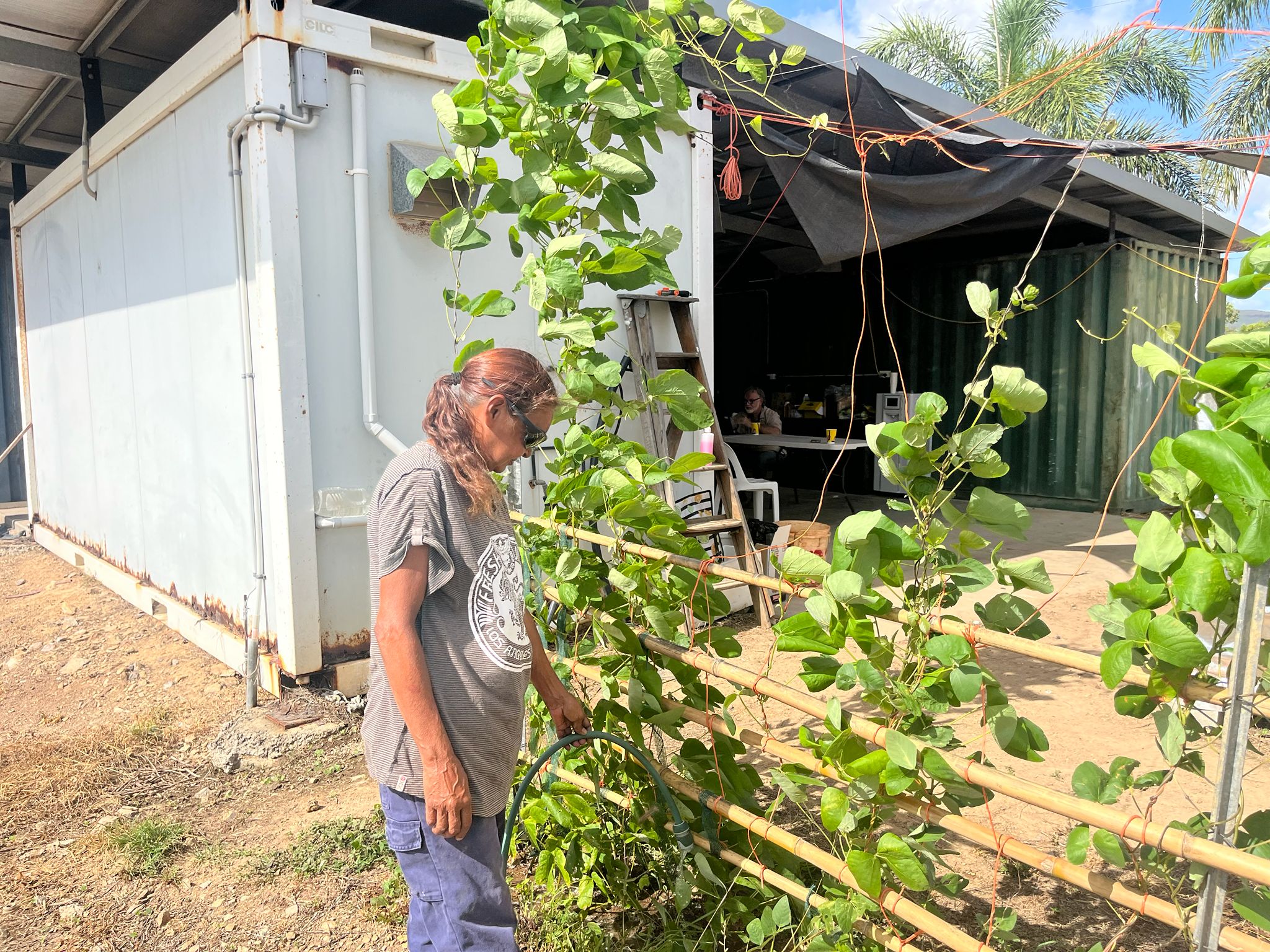
  • Adults built wicking beds using rocks, repurposed plastic tank, old blankets and soil on top, while school children crafted smaller models from recycled soft drink bottles, stones, and pillow cases.

Each presentation and activity emphasised reuse of household materials, showing that sustainability can be affordable, practical and environmentally responsible.

Both Dhiraj and Abner used the workshop as an opportunity to connect with farmers and build local understanding of soil health and water rights across the region.

“Supporting Indigenous communities to understand their rights and access to water is critical to the future of food security in the Cape York Peninsula,” Abner said. “Working with local groups like the Hope Vale Foundation means we are able to help increase local knowledge, which in turn supports new agricultural opportunities in the area.”.

Dhiraj agreed that building regional skills and capability is essential for a sustainable and profitable future. Using soil samples brought in by farmers, he demonstrated simple soil-health tests and provided assessments on soil pH, microbe activity and soil texture.

“By showing how straightforward these tests are and how much information you can gain from a small sample we’re empowering communities with practical knowledge they can use in their long-term planning,” he said.

The workshop’s collaborative, community-driven approach highlighted the power of local solutions in building climate-smart, resilient futures for northern Australia.