Why this matters
Access to secure water and strong food systems is essential for resilient, healthy and thriving communities, especially in remote and discrete Indigenous communities that are already experiencing the impacts of a changing climate. Drought, rising temperatures and variable rainfall are influencing crop production, grazing viability and local food costs.
By improving connections between local councils, Indigenous leaders, scientists and technical experts, this work strengthens the region’s ability to plan ahead, adapt and thrive. Mobilising water resources to create drought-resilient economic opportunities means communities can develop sustainable agriculture projects, reduce reliance on external supplies and protect vital natural assets. In the long run, this strengthens both cultural and economic resilience across the north.
What we are doing
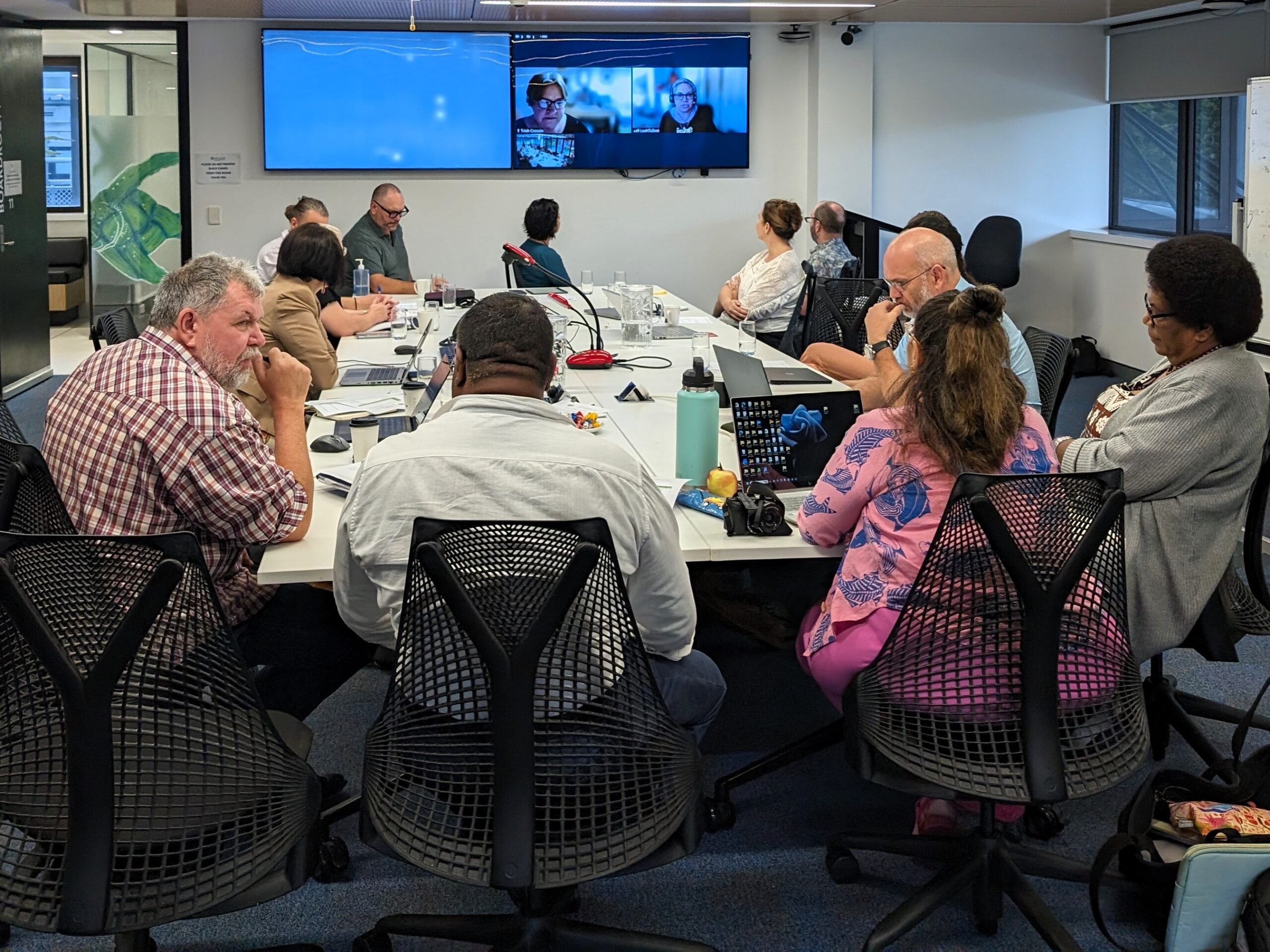
Through this activity, the TNQ Drought Hub is working closely with TCICA and Cape York NRM to provide technical expertise and foster collaboration. The hub is helping to co-design projects, contribute to workshops and bring in experts in soils, water resources and sustainable agriculture. A key goal is to establish two to three Communities of Practice (CoPs)/peer-to-peer learning groups that connect Indigenous councils, community members and technical specialists.
These CoPs will be shaped by local needs and will focus on practical actions such as soils management, food security initiatives and sustainable farming practices. By linking Regional Soils Coordinators and other technical experts to these groups, the hub ensures that knowledge and tools are shared directly with those who can put them into practice.
This approach is more than just delivering information, it’s about creating long-term networks of support and knowledge exchange. By helping communities access the right expertise and build their own capacity, the project is laying the groundwork for stronger, more self-reliant local economies. Over time, these connections and projects will help Cape York and Torres Strait communities secure their water resources, develop sustainable agriculture, and increase their resilience to drought and climate impacts.