Key takeaways
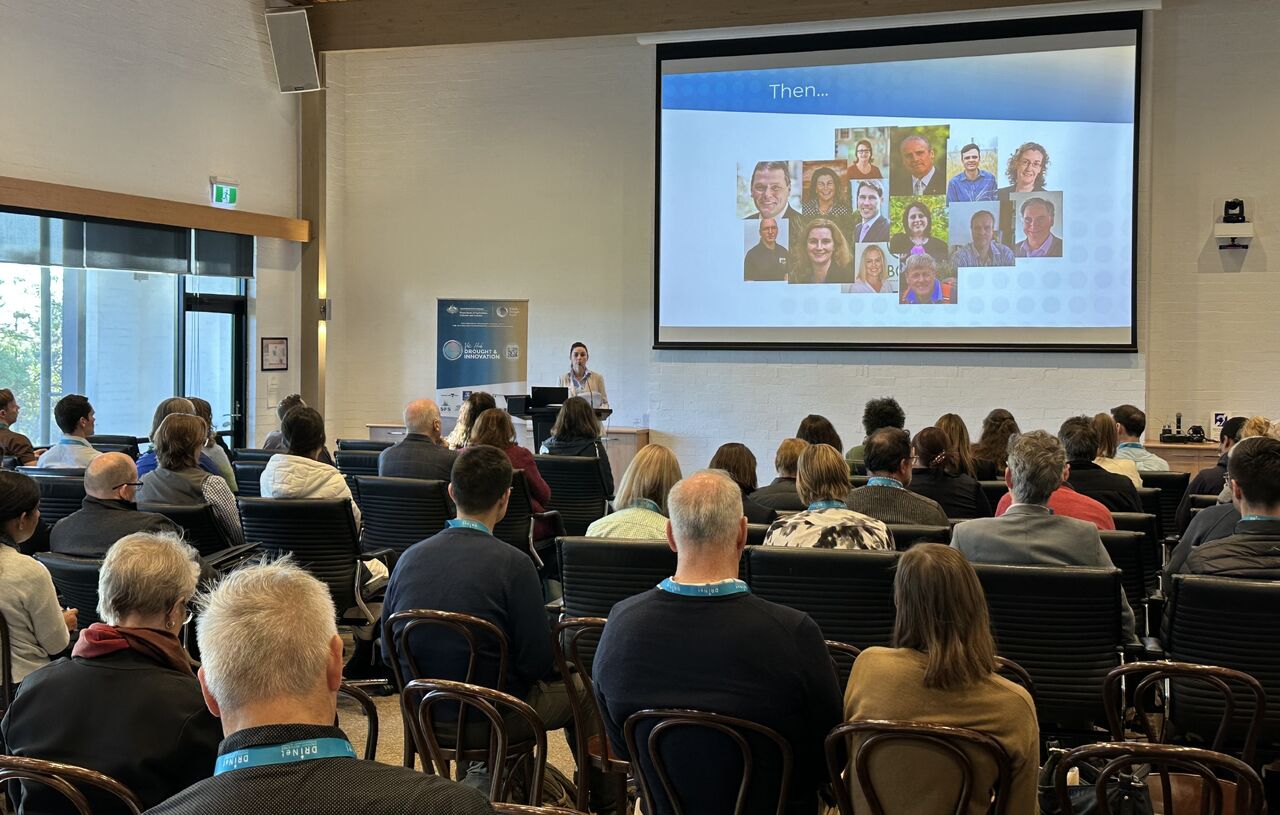
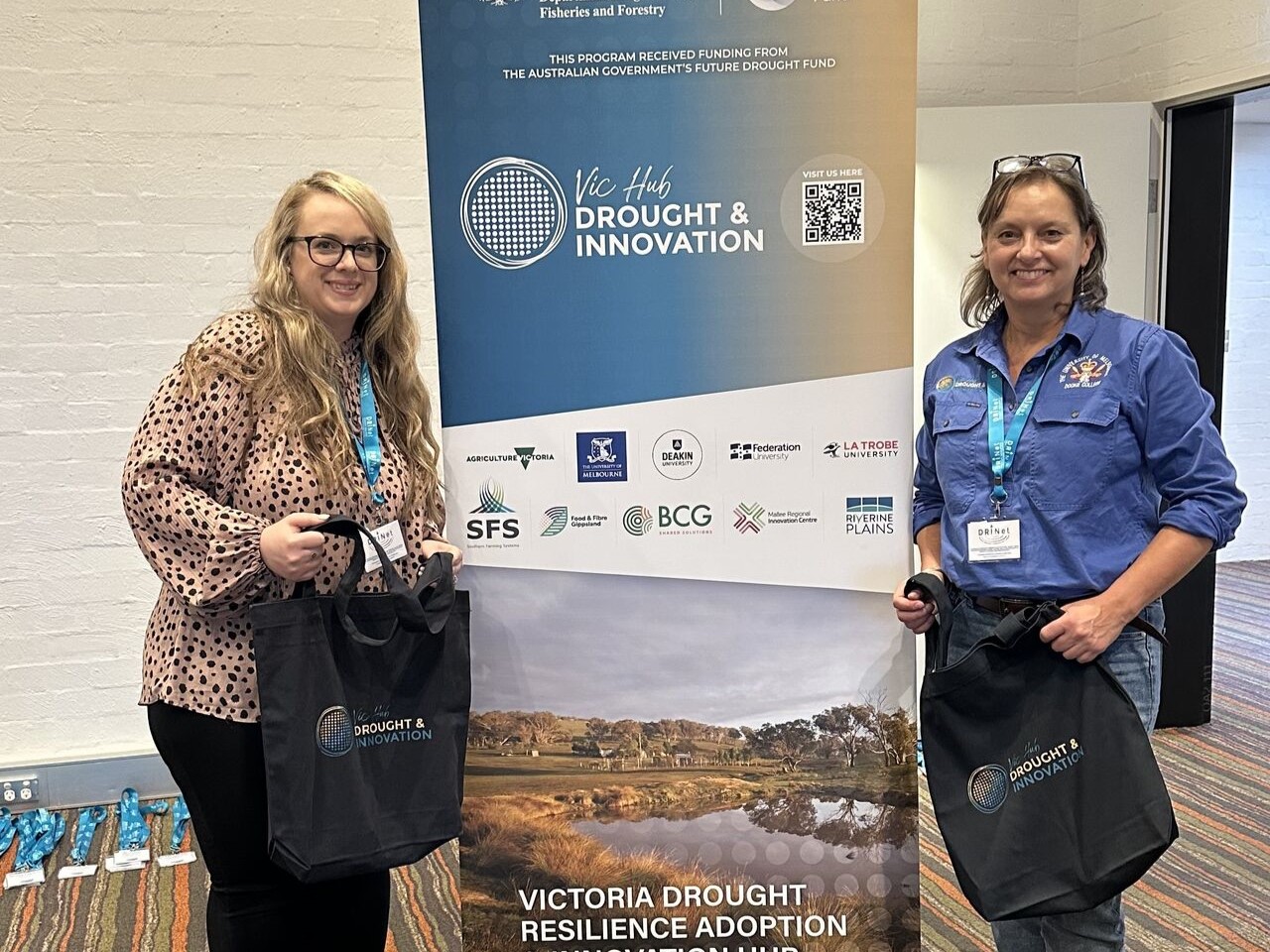
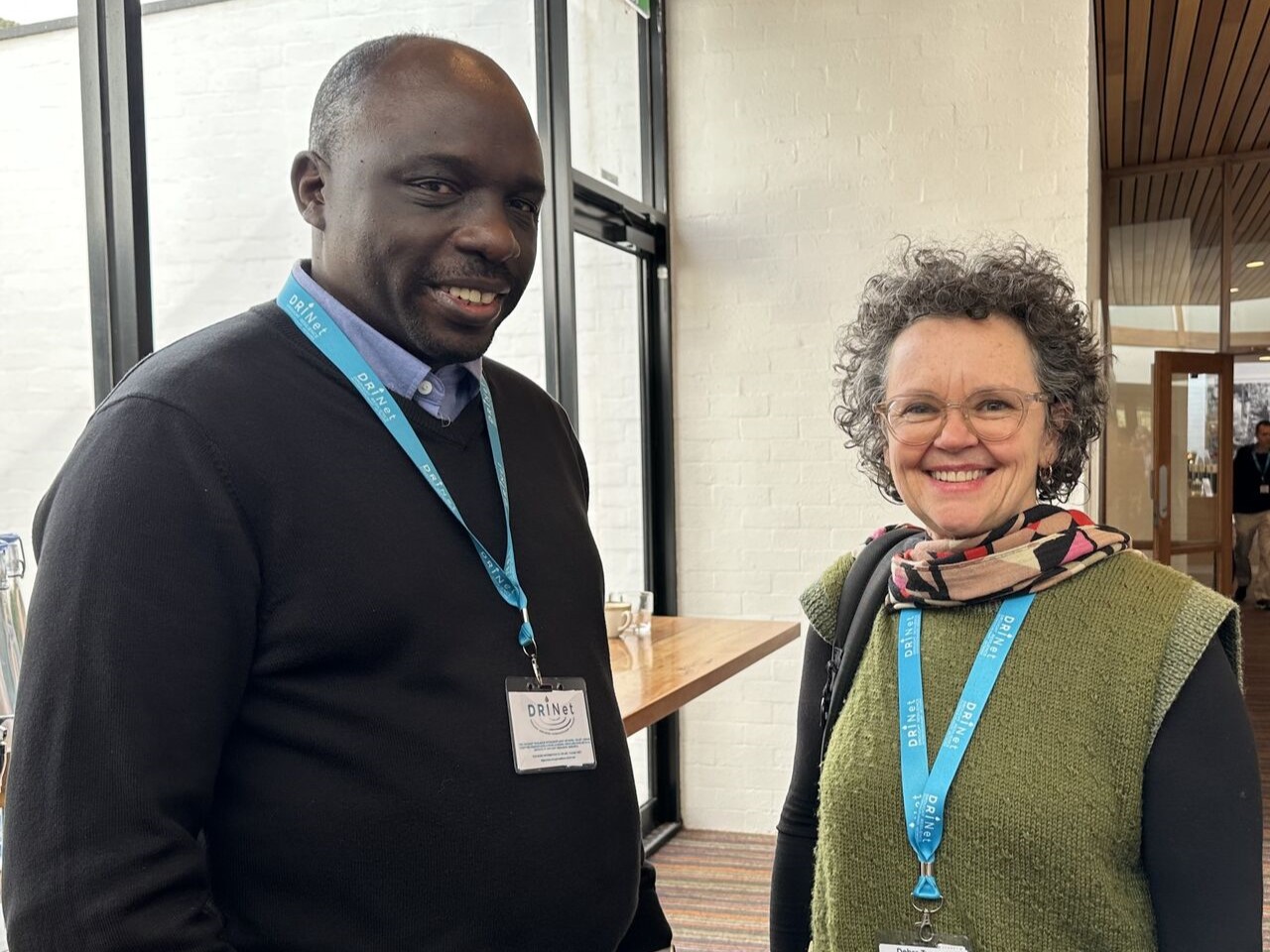
The recent Drought Resilience 2025 Forum, held on 9–10 July in Geelong, Victoria, hosted by the Vic Drought Hub, brought together researchers, Traditional Owners, advisors, producers and policymakers from across Australia to tackle shared challenges in drought and climate resilience. For the TNQ Drought Hub, it was a valuable opportunity, alongside the other Drought Resilience Adoption and Innovation Hubs, to present a collaborative front, explain the hubs’ purpose, and forge new partnerships in the process.
The forum covered a range of topics including drought prediction, resilience planning and the future of farming communities from both local and global perspectives on drought resilience. A key message across two days of sessions, panels and field trips was ‘drought does not stop when the rain falls’. Practical measures like strategic use of feedlots and land management practices remain essential, because drought will return.
Throughout the program, speakers also emphasised that resilience isn’t just technical or economic, it’s cultural. Traditional Owner perspectives grounded the forum in that resilience includes spiritual and seasonal knowledge, community ties, and deep understanding of water, plants and animals, adding layers to insights that shape how we think about resilience.
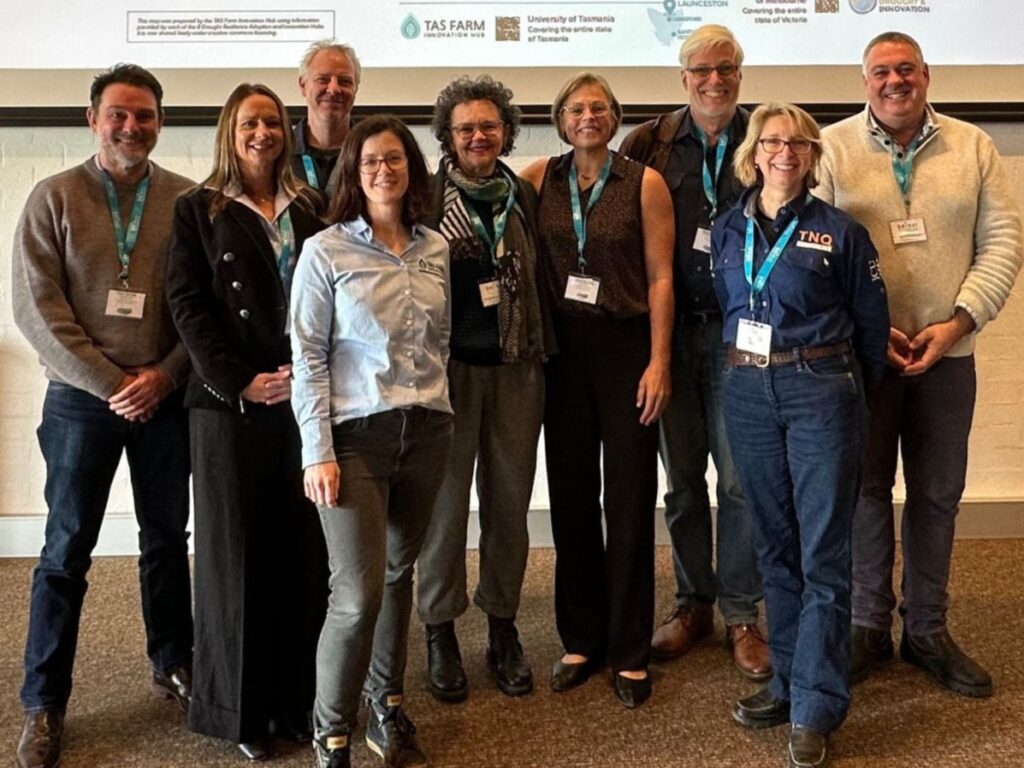
The Knowledge Brokers’ panel session used a conversational format to walk attendees through the real work of the national hub network, the trialling of new tools and practices, and co-designing projects with producers and researchers, while opening up opportunities for deeper collaboration.
Karen George, Knowledge Broker with the TNQ Drought Hub, said the session revealed just how many opportunities are out there.
“There’s clearly demand, people are researching drought and climate. The session really opened eyes to how we can support their work and amplify reach.”
The forum also reinforced how varied the hub models are across the country, with each working towards resilience by leveraging their region’s strengths.
Another key message was the value of early and ongoing engagement with the hubs well before grants and project announcements. Researchers were encouraged to approach the national hubs before grant rounds open to explore potential collaborations and co-design meaningful, regionally relevant projects.
Strengthening Cross-State Collaboration
While Victoria hosted the forum, strong interest came from across Australia, especially from Queensland attendees. The TNQ Drought Hub team has already begun following up with a range of stakeholders to support co-design efforts and continue cross-state collaboration.
A field trip to a Victorian sheep farm, alongside time spent connecting with other Knowledge Brokers, provided more opportunities for insight and reflection. The forum also sparked important discussions around future-proofing the hubs, with the Future Drought Fund acknowledging the need for long-term support and continuity.
The TNQ Drought Hub will continue to champion practical collaboration, cross-regional learning, and long-term thinking.