Key takeaways
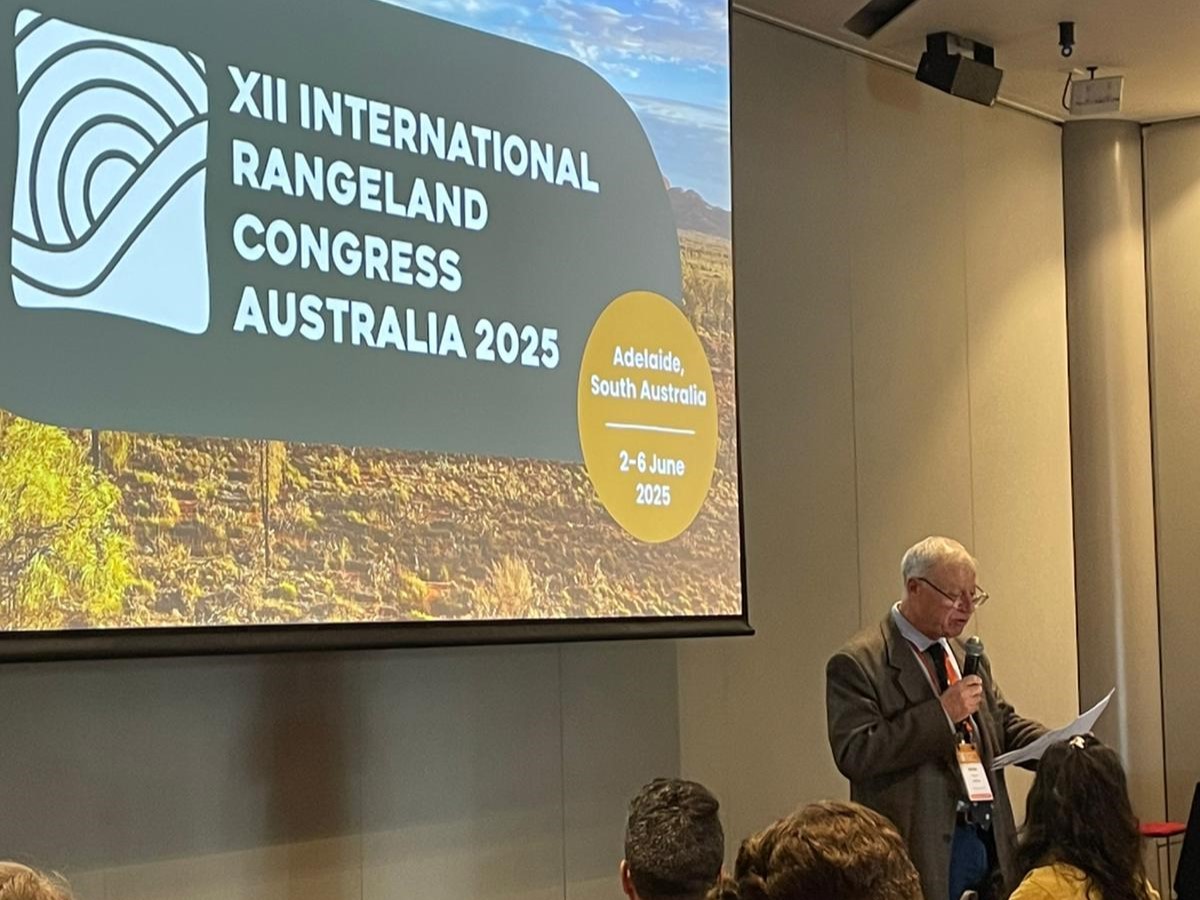
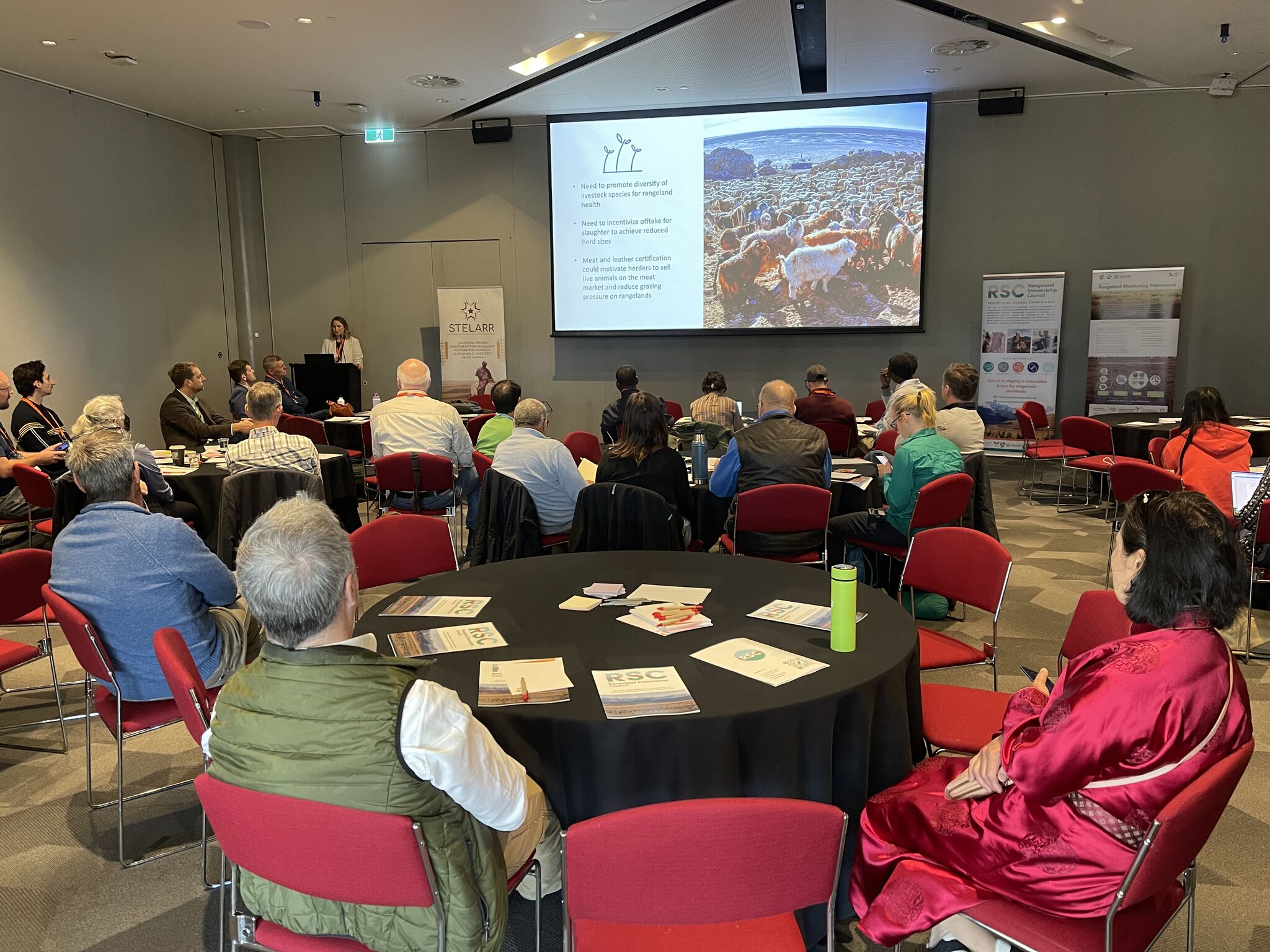
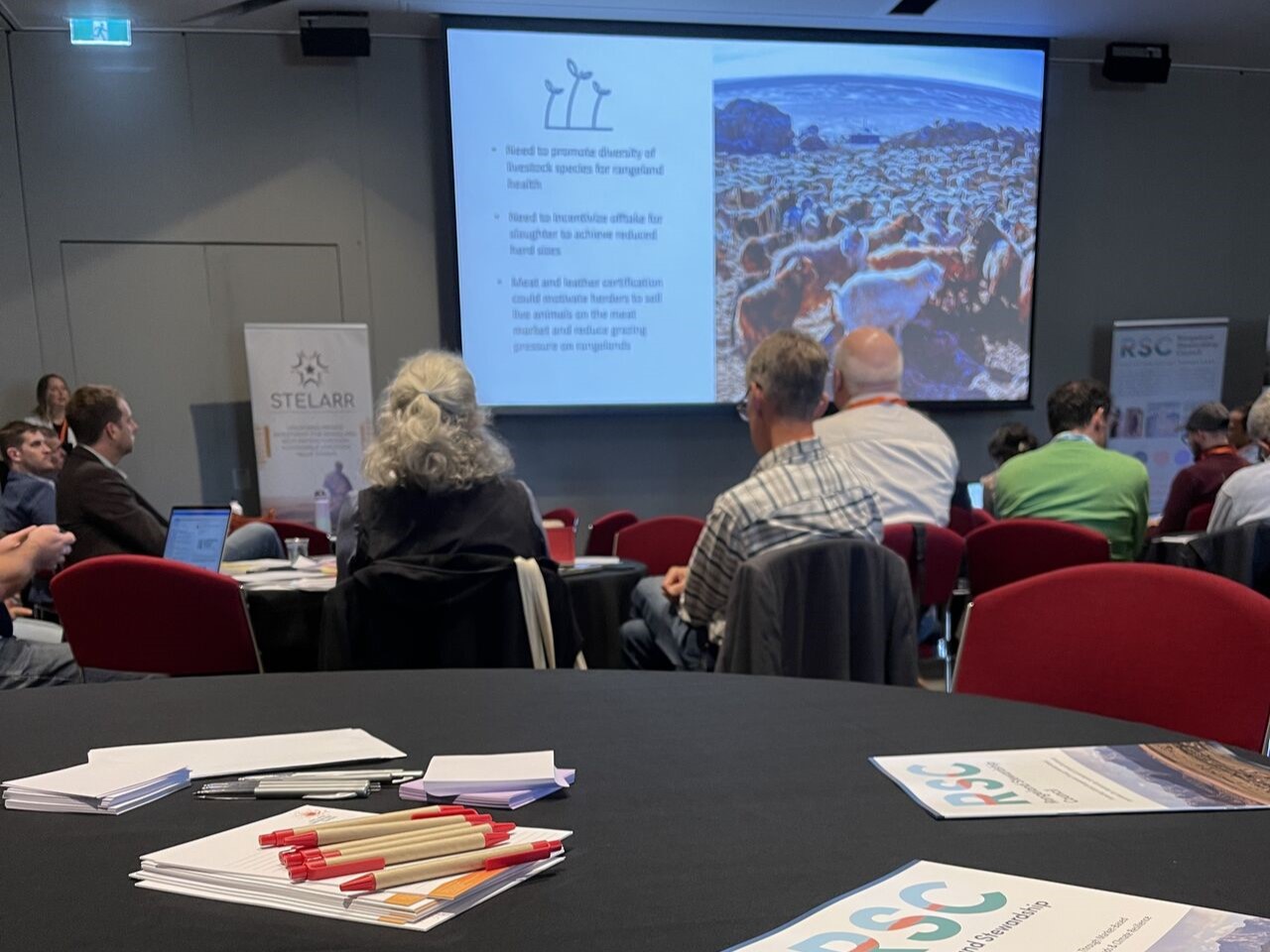
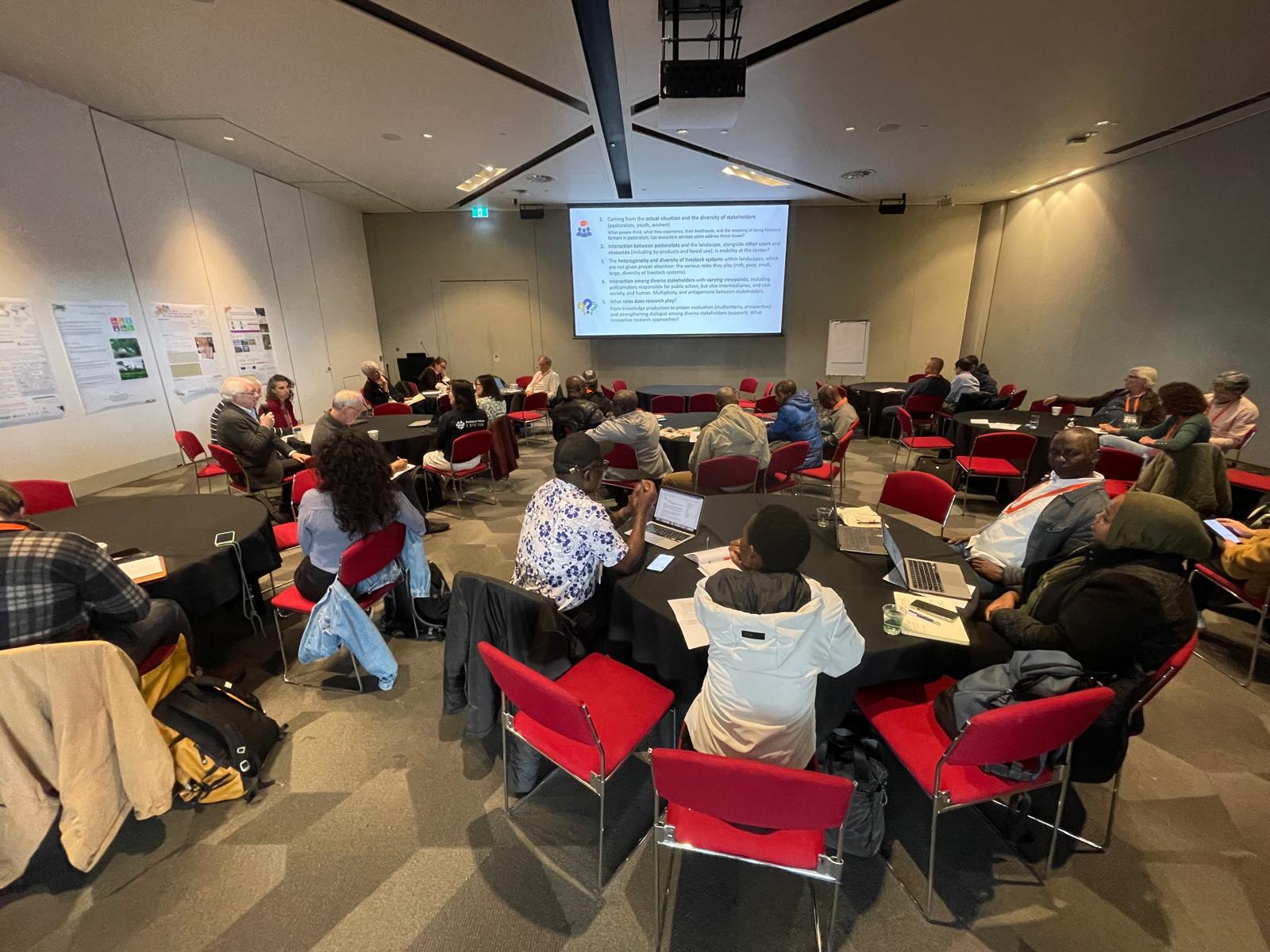
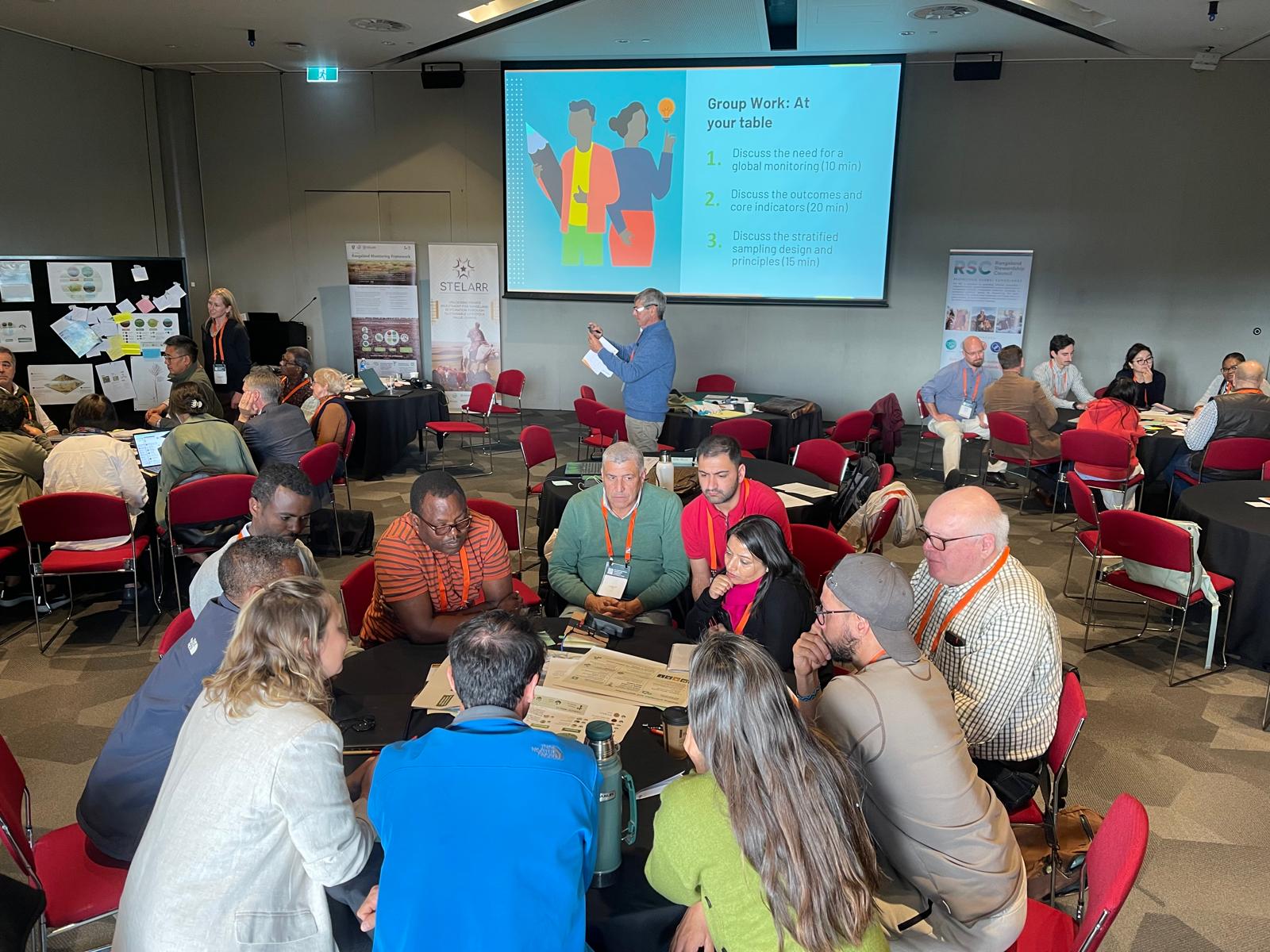
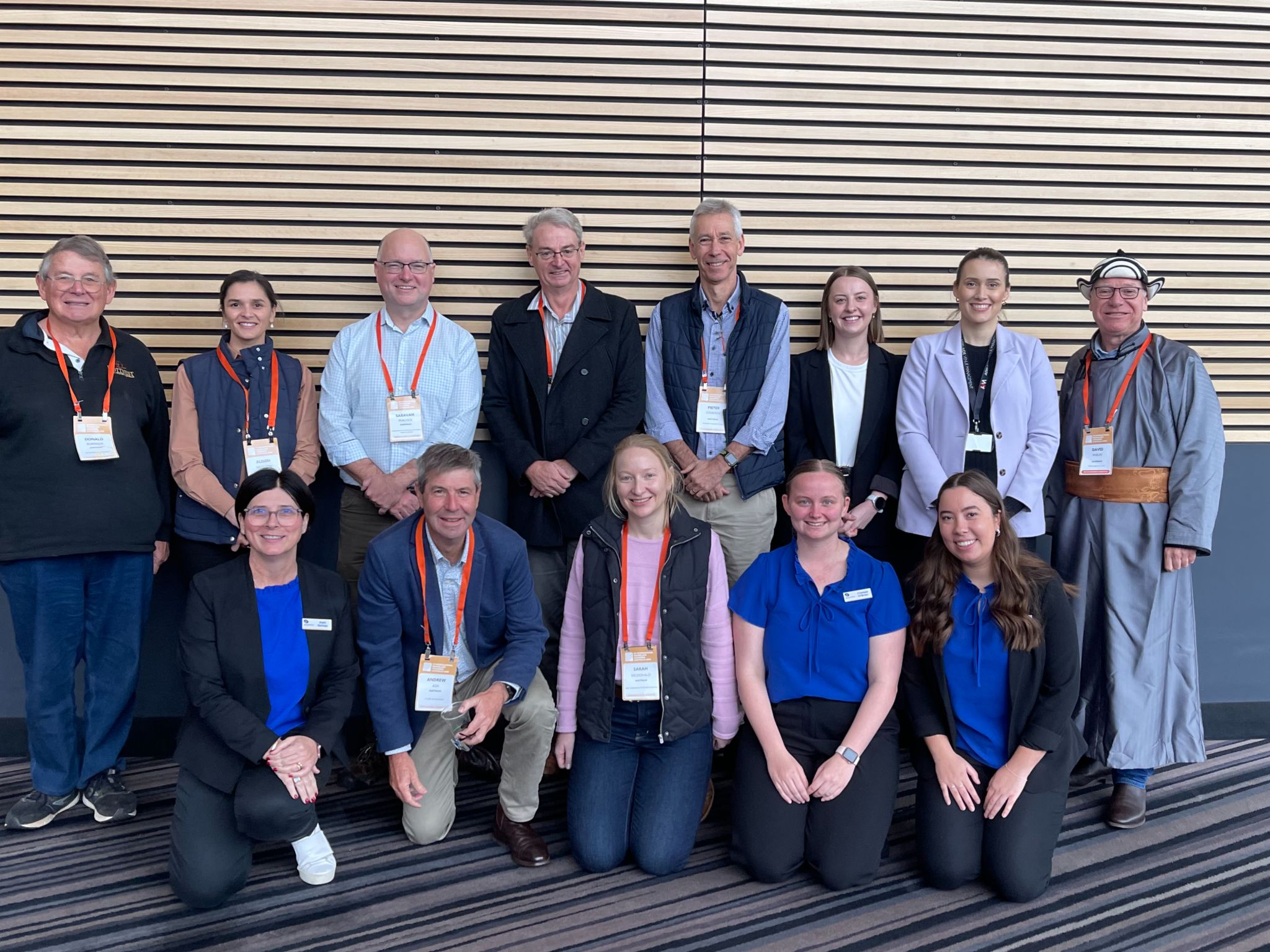
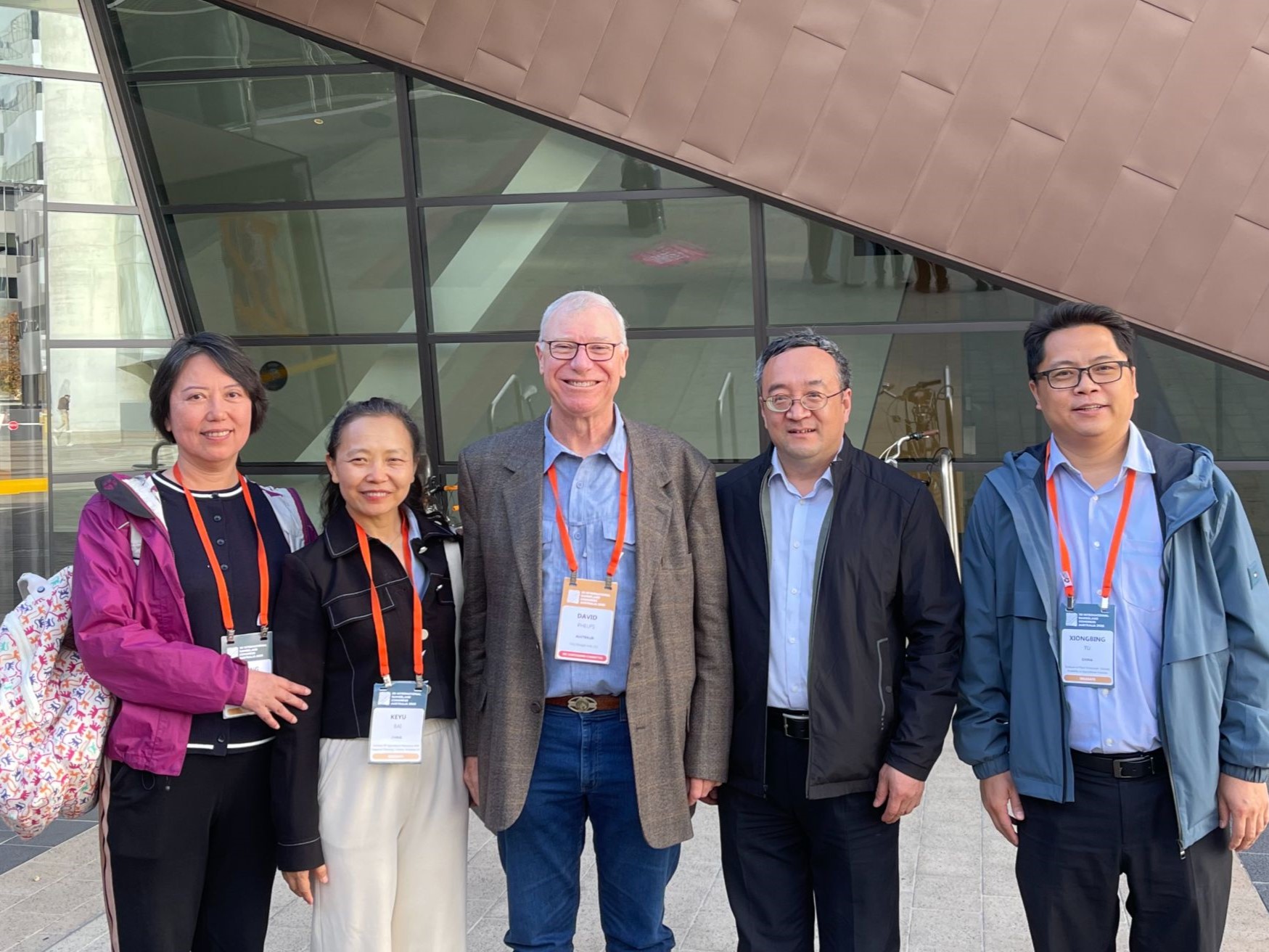
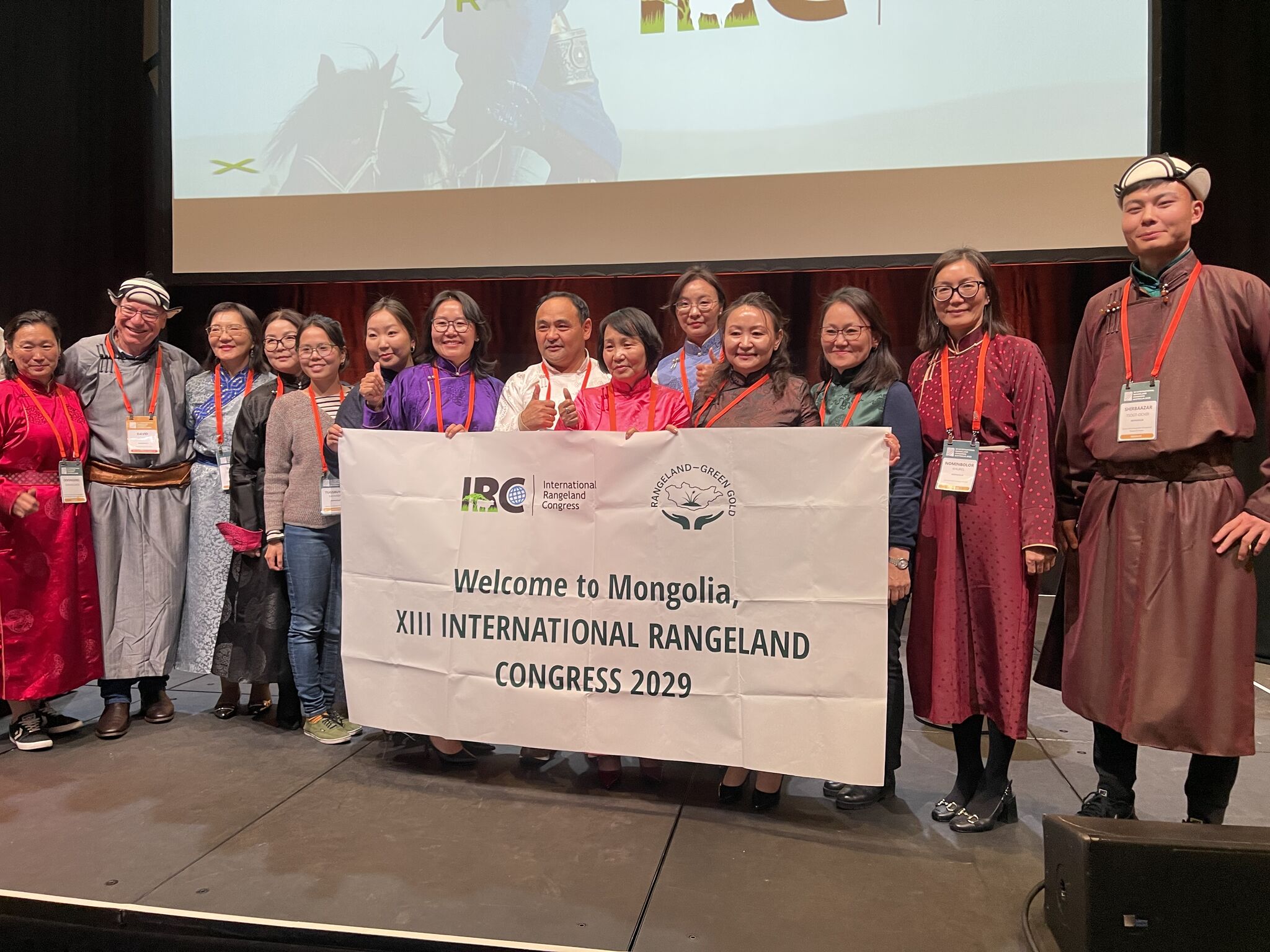
The XII International Rangeland Congress (IRC) was held in Adelaide, Australia, from June 2-6, 2025, at the Adelaide Convention Centre. This significant event brought together over 750 delegates from more than 45 countries, including a diverse range of global experts, academics, pastoralists, indigenous representatives, and other stakeholders to address the evolving challenges and opportunities in global rangeland management.
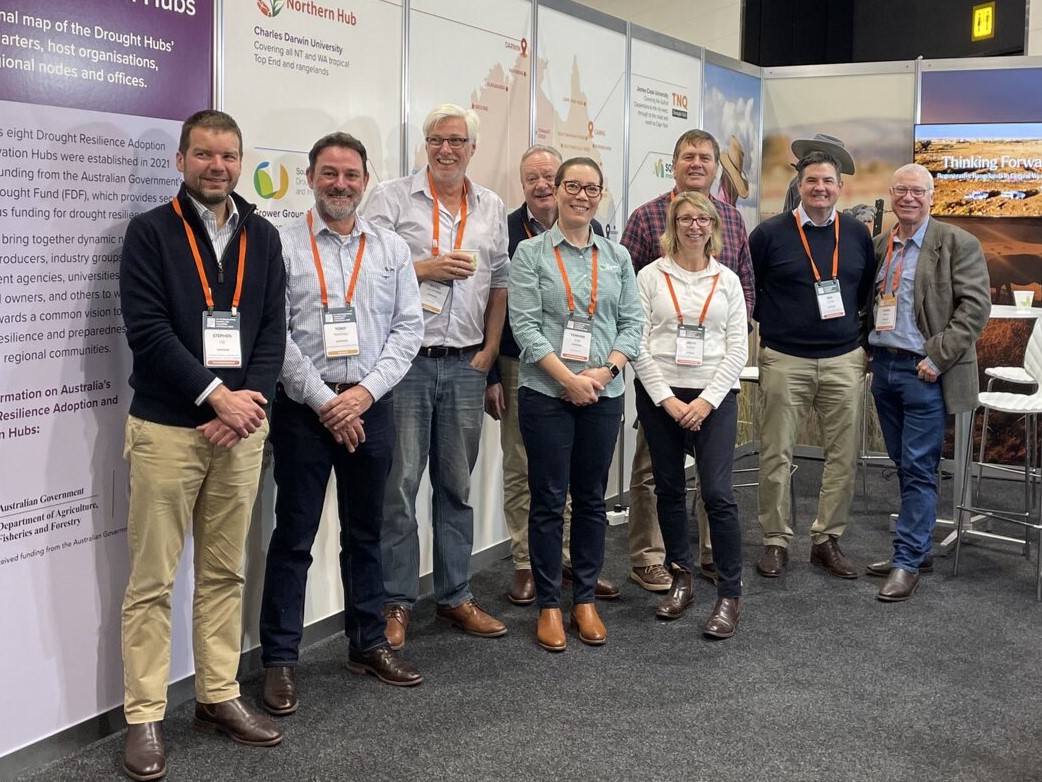
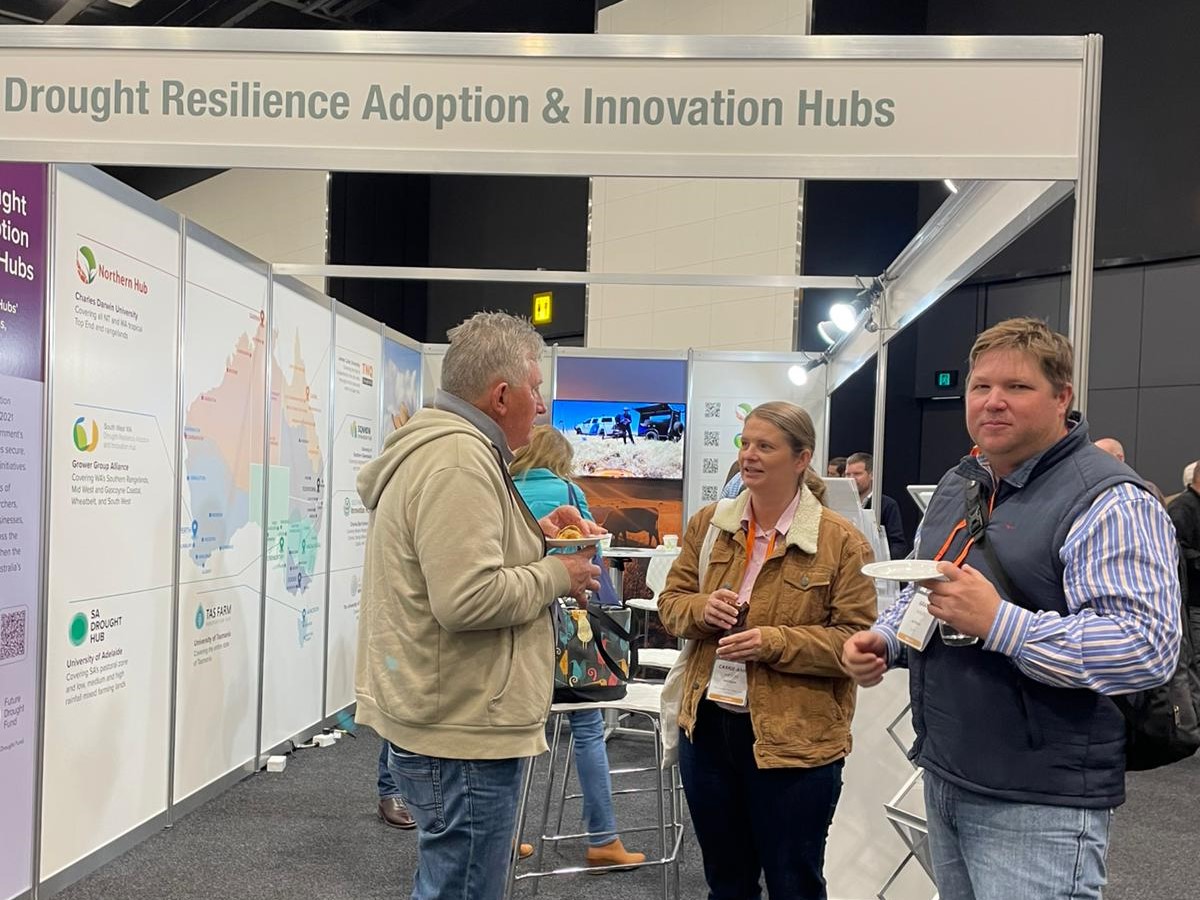
The Drought Resilience Adoption and Innovation Hubs were proud to be involved in the congress through delivering workshops, running tours, poster presentations, chairing panels and presenting on a wide range of topics on drought resilience and climate adaptation in rangeland systems.
TNQ Drought Hub Director and President of the International Rangeland Congress Professor David Phelps said he was thrilled with turn out and diversity of attendees and how the congress facilitated high-quality, impactful conversations.
“As both a committee member and drought hub representative, the congress exceeded our expectations for bringing people together and providing an opportunity to exchange ideas.

“The calibre of presentations from experts from across the world has ensured we are walking away with a plan to contribute to addressing the environmental, social, and economic challenges faced by the vital rangelands ecosystems and the communities that depend on them.”
Highlights of the congress include:
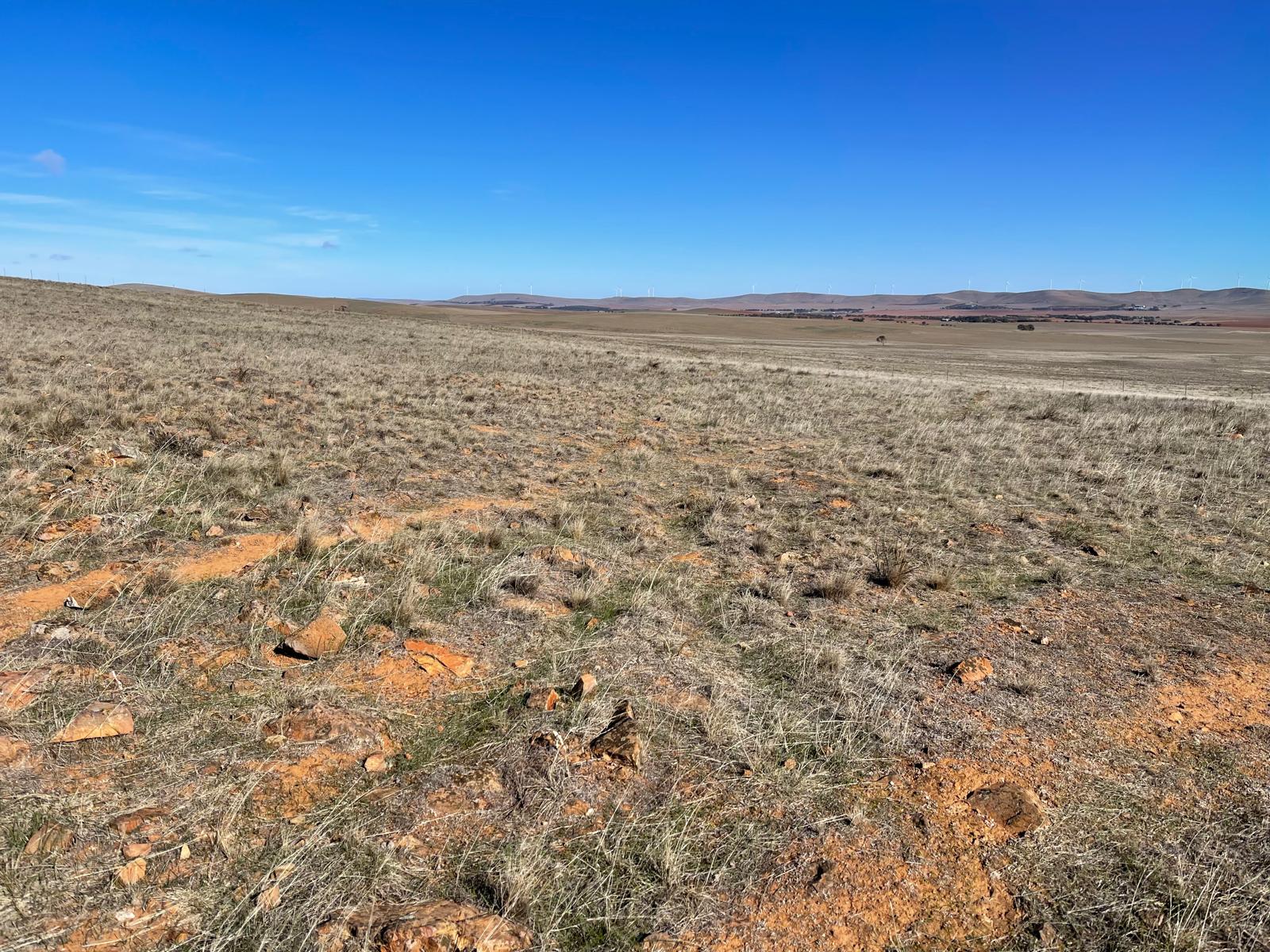
Prof Phelps said, “The impact that drought can have on rangelands includes erosion, increased fire risk and weed infestations, so it was important to hear about other international drought experiences, policies and management strategies and the new research, technologies, and innovative practices such as soil health management that Australia could adopt.”
The congress emphasised the collaborative and interdisciplinary approach required to address the complex challenges and opportunities facing rangelands worldwide.
“Key resolutions from the congress include the need for improved national awareness of the importance of our rangelands, the need for greater advocacy for investment in knowledge and understanding of management needs in the world’s rangelands, and the need for greater integration of traditional knowledge with our scientific knowledge of rangelands management.”